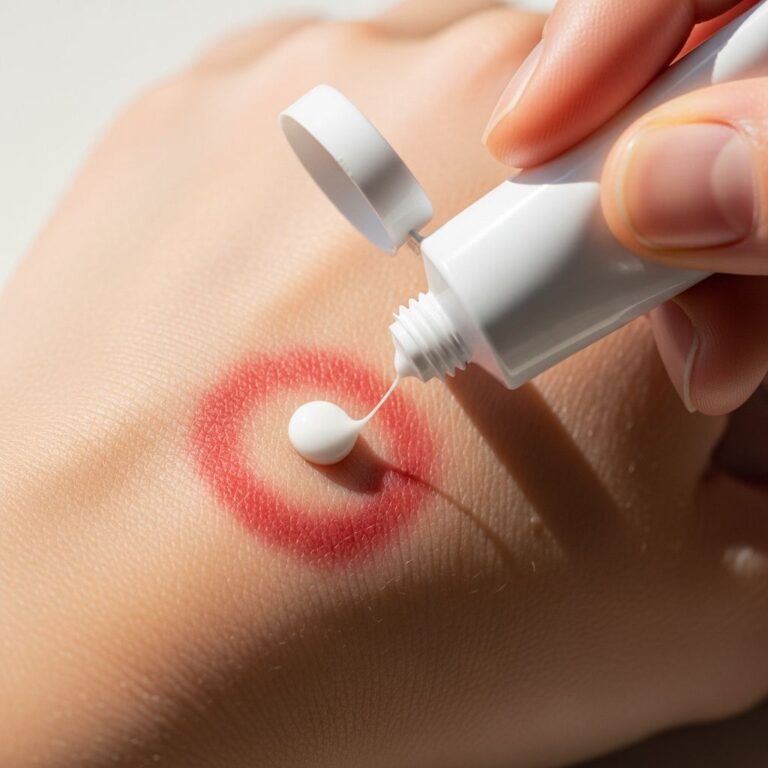
Ear Pain and Earache: Causes, Treatment & Relief
Understanding earaches: Learn causes, symptoms, treatments, and when to seek medical help.
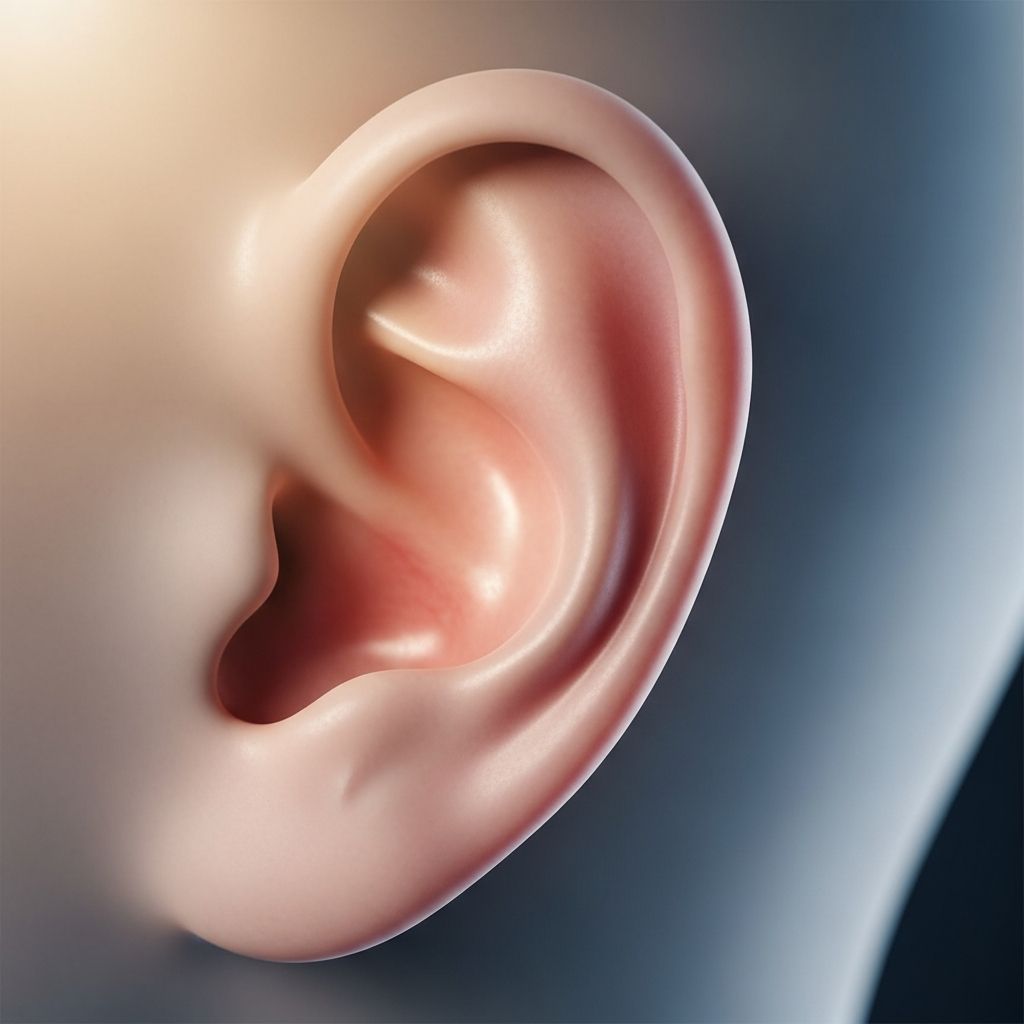
Understanding Ear Pain and Earaches
Ear pain, medically known as otalgia, is one of the most common reasons people visit healthcare providers each year. An earache can feel uncomfortable and distracting, affecting your ability to concentrate, sleep, and enjoy daily activities. While ear pain is usually not dangerous and often resolves on its own, understanding its causes and treatment options can help you manage discomfort effectively and know when professional medical attention is necessary.
Most cases of ear pain aren’t serious, but frequent earaches or pain persisting longer than three days warrant medical evaluation. Early identification and treatment of underlying causes can prevent complications and provide relief faster.
Primary vs. Secondary Ear Pain
Healthcare providers categorize ear pain into two distinct types, each with different causes and treatment approaches:
Primary ear pain originates directly from structures within the ear itself, including the ear canal, eardrum, and middle ear. This type of pain is caused by problems affecting these ear structures specifically.
Secondary ear pain, also called referred pain, occurs when problems in other areas of the body cause pain that radiates to the ear. The pain originates elsewhere but is felt in the ear due to shared nerve pathways.
Common Causes of Primary Ear Pain
Primary ear pain develops when the ear structures themselves are affected by infection, inflammation, or injury. Common causes include:
- Ear infections (otitis media or otitis externa)
- Swimmer’s ear caused by water exposure or bacterial infection
- Earwax buildup blocking the ear canal
- Eardrum perforation or injury
- Barotrauma from pressure changes during flying or diving
- Mastoiditis (infection of the mastoid bone)
- Fungal ear infections (otomycosis)
- Inflammation of the ear canal or middle ear
Common Causes of Secondary Ear Pain
Secondary ear pain refers pain from distant structures through connected nerve pathways. Conditions causing secondary ear pain include:
- Sore throat or pharyngitis
- Temporomandibular joint (TMJ) disorders affecting the jaw
- Tooth pain or dental problems
- Gum disease or oral infections
- Tension headaches or migraines
- Cervical spine problems in the neck
- Trigeminal neuralgia affecting facial nerves
- Gastroesophageal reflux disease (GERD)
When Ear Pain Becomes Serious
While most earaches are harmless and improve without treatment, certain situations require immediate medical attention. Left untreated ear infections can spread to nearby structures like your jaw or skull. In rare cases, serious complications can develop, including mastoiditis (infection of the bone behind the ear) and meningitis (inflammation of membranes around the brain and spinal cord).
You should contact your healthcare provider if you experience:
- Ear pain lasting longer than three days
- Severe, unbearable ear pain
- Hearing loss accompanying ear pain
- Discharge from the ear (bloody, pus-like, or clear fluid)
- Fever above 103 degrees Fahrenheit
- Swelling around the ear or jaw
- Dizziness or vertigo
- Facial weakness or paralysis
- Stiff neck with fever
- Confusion or difficulty concentrating
Related Stories



Treatment Options for Ear Pain
Earache treatment depends entirely on the underlying cause. Your healthcare provider will diagnose the specific problem before recommending an appropriate treatment plan tailored to your situation.
Over-the-Counter Medications
For mild to moderate ear pain, over-the-counter pain relievers often provide adequate relief. Common options include acetaminophen (Tylenol) and ibuprofen (Advil). Some people find that alternating between these medications maximizes pain relief by taking advantage of different pain-relief mechanisms.
Prescription Medications
When over-the-counter options prove insufficient, your provider may prescribe medications in various forms:
- Antibiotic ear drops for bacterial infections
- Antifungal ear drops for fungal infections
- Corticosteroid ear drops to reduce inflammation
- Oral antibiotics for systemic infections
- Prescription pain medications for severe discomfort
- Decongestants to relieve eustachian tube congestion
Home Remedies for Ear Pain Relief
Several simple home remedies can provide comfort while your body heals or while waiting to see a healthcare provider:
Heat and Cold Therapy
Applying heat or cold to the affected ear can significantly reduce discomfort. Heat encourages muscles around your ear canal to relax, improving fluid drainage and reducing pressure. Cold therapy numbs pain and reduces inflammation. For optimal results, alternate between warm and cold compresses every 30 minutes. When using heat, ensure it’s not excessively hot to prevent burns. Wrap cold compresses in a towel to prevent intense cooling that could cause discomfort.
Over-the-Counter Pain Relievers
Pain relievers like ibuprofen and acetaminophen work effectively for ear pain. However, be cautious when combining medications, as some formulations already include pain relievers. Taking additional pain medication could lead to overdose. Always read labels carefully and follow dosing instructions.
Ear Canal Maneuvers
Simple maneuvers can relieve ear pressure and pain. Yawning, swallowing, and chewing gum encourage the eustachian tube to open and drain fluid. Turning your head to the side while pulling your ear up and back helps with drainage and can provide relief.
Manage Associated Symptoms
Since earaches often follow respiratory infections like colds, managing cough and congestion symptoms can significantly improve ear pain. Decongestants, saline rinses, and adequate hydration help reduce eustachian tube swelling and fluid buildup.
Ear Hygiene and Dryness
Keeping ears clean and dry prevents infection development. After swimming or bathing, thoroughly dry your ears. Use cotton swabs only on the ear’s outer portion—never insert them into the ear canal, as this can damage the eardrum or push debris deeper. Ear plugs and bathing caps protect ears during water activities. Some people use hair dryers on low setting to gently dry ears after water exposure.
Environmental Adjustments
During an earache episode, making simple environmental changes promotes healing. Lie still and avoid sudden head movements. Minimize exposure to bright lights, loud noises, and smoke. Elevating your head while sleeping can help relieve pressure and improve drainage.
Prevention Strategies
While you cannot prevent all earaches, certain practices significantly reduce your risk:
- Dry ears thoroughly after water exposure by tilting your head and gently pulling your ear
- Use ear plugs when swimming or showering to prevent water entry
- Avoid inserting cotton swabs or other objects deep into ear canals
- Don’t smoke and avoid secondhand smoke exposure
- Manage allergies promptly to prevent eustachian tube blockage
- Wash hands frequently to prevent infection transmission
- Keep vaccinations current to prevent infection-related illnesses
- Avoid sudden pressure changes by equalizing ear pressure during flights and diving
- Treat upper respiratory infections promptly
- Maintain overall good health through balanced diet and adequate sleep
When to Seek Medical Care
While many earaches improve without professional treatment, certain situations require healthcare provider evaluation. If ear pain persists beyond three days despite home remedies and over-the-counter medication, schedule an appointment with your healthcare provider. They can properly diagnose the cause and recommend appropriate treatment.
Seek immediate medical attention for severe ear pain accompanied by fever, discharge, hearing loss, dizziness, or facial weakness. These symptoms may indicate serious infection requiring prompt treatment to prevent complications.
Frequently Asked Questions
Q: Can earaches go away on their own without treatment?
A: Yes, many earaches resolve naturally within a few days. However, if pain persists longer than three days or worsens, medical evaluation is important to rule out serious infection.
Q: What is the difference between ear pain and an ear infection?
A: Ear pain is a symptom that can have many causes, while an ear infection is a specific condition causing that pain. Not all ear pain indicates infection; some results from earwax, pressure changes, or referred pain from other areas.
Q: Is it safe to use over-the-counter ear drops without seeing a doctor?
A: Over-the-counter ear drops designed for specific conditions like earwax removal or dryness are generally safe when used as directed. However, if you have discharge, suspected infection, or persistent pain, consult a healthcare provider before using any ear drops.
Q: Can allergies cause ear pain?
A: Yes, seasonal allergies can cause ear pain by triggering inflammation and fluid buildup in the eustachian tube. Managing allergy symptoms often helps resolve associated ear pain.
Q: How long do ear infections typically last?
A: Most ear infections improve within a few days, though symptoms may persist for one to two weeks. Some infections may require antibiotic treatment, which typically shows improvement within 48 to 72 hours of starting medication.
Q: Can I fly with an earache?
A: Flying with active ear infections is generally not recommended, as pressure changes can intensify pain and worsen the condition. If flying is necessary, consult your healthcare provider about appropriate precautions and medications.
Q: What causes referred ear pain from the throat?
A: The glossopharyngeal nerve (Arnold’s nerve) provides sensation to both your ear and throat. When throat structures are irritated or infected, pain signals travel along this nerve pathway, causing ear pain even though the problem originates in the throat.
Taking Control of Your Ear Health
Ear pain can be frustrating and uncomfortable, but most cases resolve successfully with appropriate care. Understanding whether your symptoms indicate primary ear problems or referred pain helps guide your treatment decisions. For minor ear discomfort, home remedies and over-the-counter pain relief often suffice. However, persistent or severe ear pain warrants professional evaluation.
Don’t ignore lingering ear pain. Prompt treatment eliminates discomfort, prevents infection spread, and reduces your risk of serious complications. Your healthcare provider can accurately diagnose the underlying cause and recommend the most effective treatment strategy for your specific situation. By addressing ear pain promptly and following preventive strategies, you can maintain good ear health and minimize future episodes.
References
- Ear Pain (Earache, Otalgia): Causes & Treatment — Cleveland Clinic. 2024. https://my.clevelandclinic.org/health/symptoms/earache-ear-pain
- Ear Infection (Otitis Media): Symptoms, Causes & Treatment — Cleveland Clinic. 2023. https://my.clevelandclinic.org/health/diseases/8613-ear-infection-otitis-media
- 7 Remedies To Treat an Ear Infection at Home — Cleveland Clinic Health. 2024. https://health.clevelandclinic.org/home-remedies-for-ear-infection
- Fungal Ear Infection (Otomycosis): Symptoms & Treatment — Cleveland Clinic. 2024. https://my.clevelandclinic.org/health/diseases/25009-fungal-ear-infection
- Sore Throat and Ear Pain: Causes and Remedies — Cleveland Clinic Health. 2023. https://health.clevelandclinic.org/sore-throat-and-ear-pain
- Ear Drops: Types & Uses — Cleveland Clinic. 2024. https://my.clevelandclinic.org/health/treatments/24654-ear-drops
Similar Articles








Read full bio of medha deb