Ear Pain When Swallowing: Complete Guide To Causes & Treatment
Discover the common causes of ear pain when swallowing, from infections to TMJ, and learn when to seek medical help for relief.
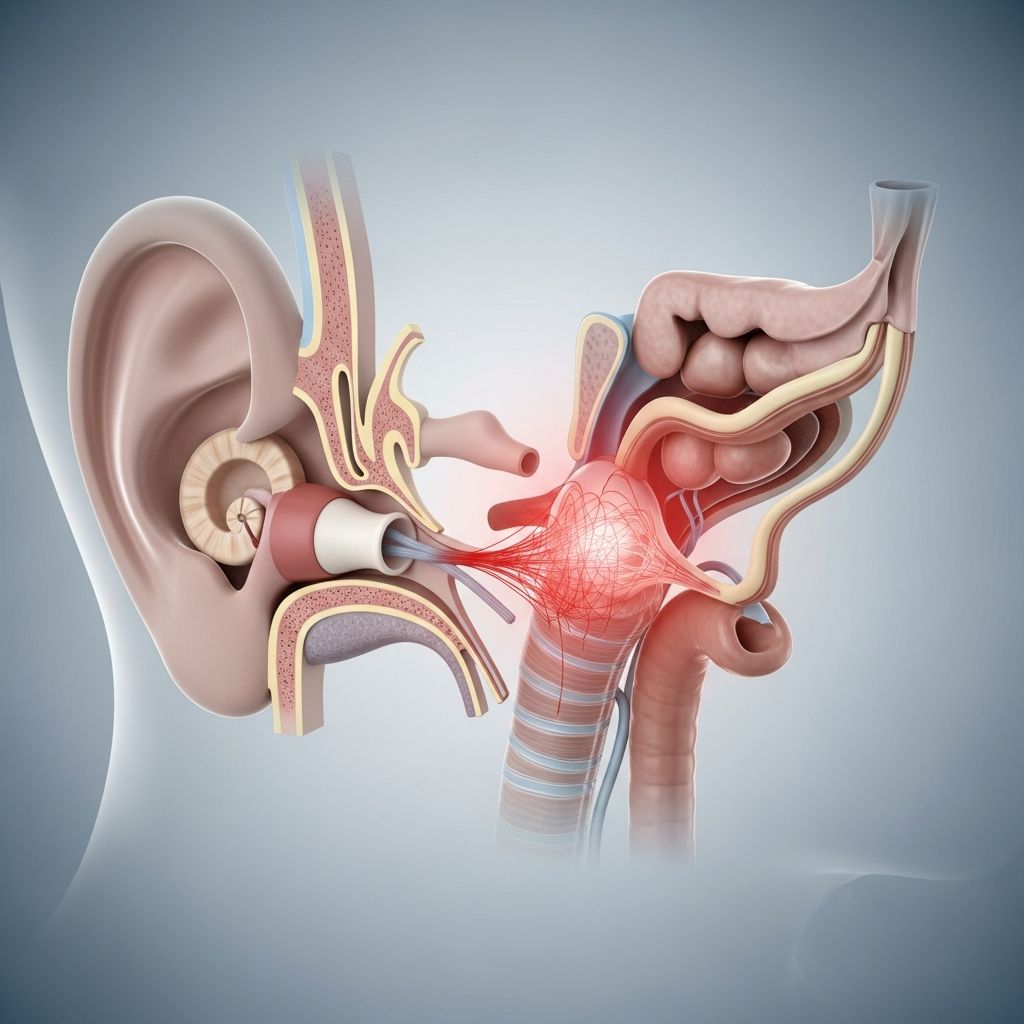
Experiencing ear pain when swallowing can be distressing and disruptive to daily activities. This discomfort arises because the ears, nose, and throat are interconnected through the Eustachian tubes, which help equalize pressure and drain fluid. When inflammation or blockage occurs in one area, it often affects the others, leading to referred pain in the ear during swallowing. Common culprits include infections, allergies, or structural issues, but identifying the root cause is key to effective treatment.
This comprehensive guide covers the primary causes, symptoms, diagnostic approaches, treatments, and prevention strategies for ear pain when swallowing. Drawing from medical experts, we’ll help you understand when home remedies suffice and when professional care is essential. Early intervention can prevent complications like chronic infections or hearing loss.
What Causes Ear Pain When Swallowing?
Ear pain during swallowing, medically termed otalgia referred from pharyngeal irritation, frequently results from issues in the upper respiratory tract or ear structures. The Eustachian tubes play a central role: these narrow passages connect the middle ear to the back of the nose and throat. Swallowing normally opens them to balance pressure, but inflammation makes this process painful.
Here’s a breakdown of the most common causes:
- Ear Infections (Otitis Media or Externa): The leading cause, especially in children. Middle ear infections (otitis media) occur when bacteria or viruses infect the space behind the eardrum, often following a cold. Fluid buildup presses on the eardrum, intensifying pain on swallowing due to Eustachian tube involvement. Outer ear infections (otitis externa or swimmer’s ear) affect the canal and worsen with jaw movement.
- Throat and Nose Infections: Tonsillitis, pharyngitis, or sinusitis can inflame tissues near the Eustachian tubes. Enlarged adenoids in children block these tubes, causing pain. Symptoms often include sore throat and cough alongside ear discomfort.
- Temporomandibular Joint (TMJ) Disorders: Dysfunction in the jaw joint, used heavily during swallowing and chewing, refers pain to the ear. Grinding teeth or stress exacerbates it.
- Dental Issues like Abscesses: Infections in teeth or gums radiate pain to the ear via shared nerves.
- Other Factors: Earwax buildup, foreign objects, acid reflux (LPR), or rare conditions like Eagle syndrome.
Symptoms of Ear Pain When Swallowing
Symptoms vary by cause but often include sharp or throbbing ear pain that intensifies with swallowing, yawning, or chewing. Accompanying signs help pinpoint the issue:
| Condition | Key Symptoms | Common in |
|---|---|---|
| Middle Ear Infection | Ear pain worsening when lying down, fever, fluid drainage, hearing loss, irritability (in kids) | Children, post-cold adults |
| Outer Ear Infection | Itching, redness, swelling, foul discharge, pain on tugging ear | Swimmers, after water exposure |
| Throat Infection | Sore throat, cough, swollen glands, bad breath, redness in mouth | All ages during colds |
| TMJ Disorder | Jaw clicking, headaches, difficulty opening mouth, pain on chewing | Stress-related, bruxism sufferers |
| Dental Abscess | Tooth pain, swelling, pus, fever | Those with poor dental hygiene |
In children, watch for tugging at ears, fussiness, or balance issues. Adults may report muffled hearing or low-grade fever.
Diagnosis: How Doctors Identify the Cause
Diagnosis starts with a detailed history and physical exam. Doctors use an otoscope to inspect the ear canal and eardrum for redness, fluid, or perforation. They check the throat, nose, jaw, and neck for swelling or tenderness.
Additional tests may include:
- Tympanometry: Measures middle ear pressure and eardrum mobility.
- Hearing tests: Audiometry for loss.
- Imaging: CT/MRI for abscesses, Eagle syndrome, or tumors (rare).
- Throat swabs: For bacterial infections.
- Dental X-rays: For abscesses.
Prompt evaluation rules out serious issues like mastoiditis or deep neck abscesses.
Related Stories



Treatment Options for Ear Pain When Swallowing
Treatment targets the underlying cause. Many cases resolve with supportive care, but persistent pain warrants medical attention.
Home Remedies and Lifestyle Changes
- Pain Relief: Over-the-counter NSAIDs like ibuprofen reduce inflammation and pain. Acetaminophen works for fever.
- Warm Compresses: Apply to the ear for 10-15 minutes to soothe discomfort.
- Steam Inhalation: Clears sinuses and Eustachian tubes; add menthol for extra relief.
- Hydration and Rest: Fluids thin mucus; elevate head while sleeping.
- Decongestants: Pseudoephedrine for congestion (avoid in high blood pressure).
- Eardrops: For outer ear issues, after doctor approval.
Medical Treatments
- Antibiotics: For bacterial infections like otitis media or abscesses; not routine for viral cases.
- Ear Tubes: Surgical insertion for recurrent pediatric infections.
- TMJ Therapy: Mouth guards, physical therapy, stress management.
- Dental Procedures: Drainage or root canals for abscesses.
- Surgery: For Eagle syndrome or severe reflux.
Peritonsillar abscess requires drainage and antibiotics. Most middle ear infections improve in 7-10 days without intervention.
When to See a Doctor
Seek immediate care if pain is severe, lasts over 48 hours, or accompanies:
- High fever (>102°F), chills, or vomiting.
- Fluid/blood from ear, swelling, or dizziness.
- Hearing loss, facial weakness, or severe headache.
- Infant under 6 months with fever.
These signal complications like ruptured eardrum or spread of infection.
Prevention Tips
Prevent recurrence with:
- Vaccinations: Flu, pneumococcal for kids.
- Hand hygiene: Avoid respiratory infections.
- Ear protection: During swimming; dry ears thoroughly.
- Allergy management: Antihistamines for seasonal issues.
- Dental care: Regular checkups.
- TMJ habits: Avoid gum chewing, manage stress.
Frequently Asked Questions (FAQs)
Why does my ear hurt when I yawn or chew?
These actions engage the Eustachian tubes and jaw joint. Infections or TMJ commonly cause this referred pain.
Can acid reflux cause ear pain when swallowing?
Yes, laryngopharyngeal reflux (LPR) irritates the throat, leading to Eustachian tube inflammation and ear discomfort.
How long does ear pain from infection last?
Typically 3-7 days with treatment; longer may need reevaluation.
Is ear pain when swallowing serious in adults?
Often not, but persistent cases could indicate TMJ, dental issues, or rarely tumors—see a doctor.
Can I fly with ear pain when swallowing?
Avoid if possible; use decongestants and Valsalva maneuver, but consult a doctor first.
Ear pain when swallowing is usually benign but signals underlying issues needing attention. Monitor symptoms and consult healthcare providers for tailored care.
References
- Why do I feel pain in my ear when swallowing? — Medical News Today. 2023-05-09. https://www.medicalnewstoday.com/articles/322129
- Pain in Ear When Swallowing: Ear and Throat Infections — Healthline. 2023-05-09. https://www.healthline.com/health/pain-in-ear-when-swallowing
- Laryngopharyngeal Reflux (LPR): What It Is, Symptoms, Treatment — Cleveland Clinic. 2024-01-15. https://my.clevelandclinic.org/health/diseases/15024-laryngopharyngeal-reflux-lpr
Similar Articles








Read full bio of medha deb