Ear Skin Problems: Complete Guide To Diagnosis And Treatment
Comprehensive guide to common skin conditions affecting the ears, from eczema to skin cancers, with symptoms and management tips.
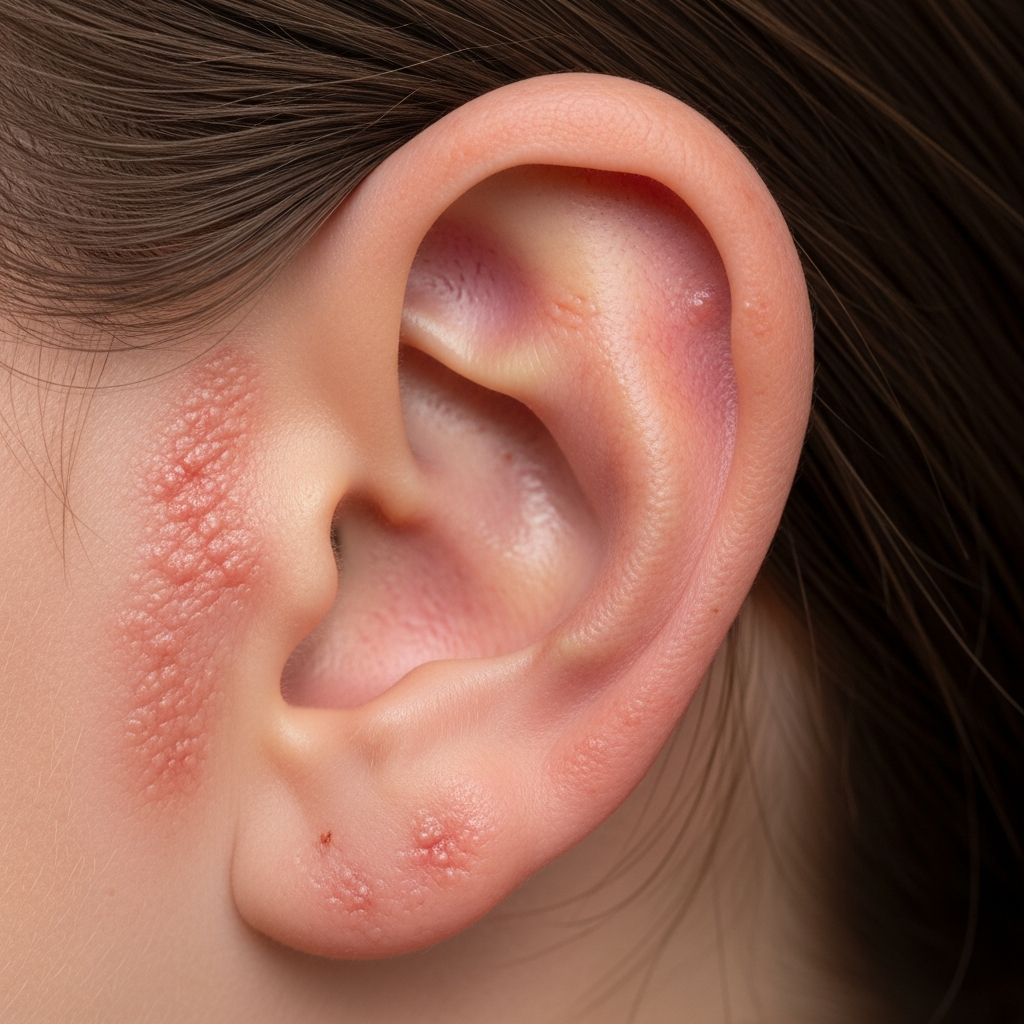
The ears are prone to various skin conditions due to their exposed position, thin skin, and skin folds that trap moisture and irritants. Common issues include inflammatory dermatoses like eczema and psoriasis, infections such as otitis externa, and neoplastic changes like skin cancers. This article details these conditions, their clinical features, causes, diagnosis, and management, emphasizing the importance of early recognition and referral to dermatologists or ENT specialists.
Who Gets Ear Skin Conditions?
Skin problems on the ears affect individuals of all ages, but certain groups are more susceptible. Atopic dermatitis and seborrhoeic dermatitis are common in children and young adults with a personal or family history of atopy. Psoriasis often presents in adults aged 20-40. Elderly individuals are prone to asteatotic eczema due to dry skin from aging and environmental factors. Outdoor workers and fair-skinned people face higher risks of actinic damage leading to skin cancers on the pinna. Swimmers and those in humid environments are vulnerable to otitis externa. Contact dermatitis arises from exposure to allergens like hair products or metals in earrings.
Related Conditions Affecting External Ear Skin
Several dermatological conditions preferentially involve the external ear:
- Atopic dermatitis (eczema): Dry, itchy, red skin on the pinna, postauricular fold, or face; may fissure and infect.
- Seborrhoeic dermatitis: Greasy, yellowish scales behind ears and in concha, linked to Malassezia yeast; often with scalp dandruff.
- Psoriasis: Scaly plaques on helix, antihelix, or canal; silvery scales on lighter skin, darker on phototypes IV-VI.
- Contact dermatitis: From shampoos, dyes, earrings; presents as erythematous, itchy patches.
- Asteatotic eczema: Dry, cracked skin in older adults from low humidity or over-washing.
These conditions frequently overlap with scalp involvement, exacerbating symptoms in folds behind the ear.
Otitis Externa
Otitis externa, or swimmer’s ear, is inflammation of the external auditory canal characterized by redness, swelling, scaling, and thickening of the skin lining. Symptoms include otalgia, itch, discharge (otorrhoea), and conductive hearing loss. Protective barriers like intact epithelium, cerumen, and acidic pH prevent infection; disruption allows bacterial (Pseudomonas, Staphylococcus) or fungal overgrowth. Eczematous otitis externa stems from underlying dermatoses.
Causes of Otitis Externa
- Trauma from cotton swabs or scratching.
- Water retention in swimmers (moist environment).
- Underlying eczema, psoriasis, or seborrhoeic dermatitis.
- Systemic factors like diabetes or immunosuppression.
Complications
Chronic cases lead to stenosis, granulation tissue, or rare skull base spread causing dizziness. Superimposed infection worsens eczematous forms.
Chondrodermatitis Nodularis Helicis
Chondrodermatitis nodularis helicis (CNH) is a painful, inflammatory nodule on the helix or antihelix, affecting middle-aged men predominantly. It features a central crust or ulcer over tender cartilage, due to pressure ischemia from sleeping position or actinic damage. Diagnosis is clinical; biopsy confirms if atypical. Treatment includes relief padding, topical steroids, or excision.
Skin Cancers of the Ear
The pinna’s sun exposure predisposes to non-melanoma skin cancers (NMSC) and rarely melanoma. Basal cell carcinoma (BCC) presents as pearly nodules or ulcers; squamous cell carcinoma (SCC) as hyperkeratotic plaques or sores that bleed/discharge. Melanoma appears as asymmetrical pigmented lesions. Early detection is crucial as ear cancers can invade cartilage/bone.
Related Stories



| Condition | Appearance | Risk Factors | Prognosis |
|---|---|---|---|
| BCC | Pearly, rolled edges, telangiectasia | UV exposure, fair skin | Excellent if excised early |
| SCC | Scaly, indurated, ulcerated | UV, scars, immunosuppression | Good; deeper invasion risk |
| Melanoma | ABCDE criteria: irregular borders | UV, genetics | Variable; ear site poorer |
Other Conditions
- Relapsing Polychondritis: Autoimmune cartilage inflammation causing red, swollen, tender ears; spares lobe.
- Erythroderma: Generalized scaling from psoriasis or eczema flare.
- Acne: Cysts or comedones in oily ear skin.
- Auricular Pseudocyst: Swelling from sterile cartilage collection.
Images from DermNet illustrate these: acute eczema as weepy erythema, pseudocyst as painless fluctuance.
Diagnosis
History notes itch, pain, discharge, exposures, systemic symptoms. Examination uses otoscope for canal views, dermoscopy for lesions. Skin scrapings/biopsy aid infections/neoplasms. Patch testing confirms contact allergies.
Management
Treatment targets underlying cause:
- Eczema: Emollients, mild topical steroids (hydrocortisone 1%), calcineurin inhibitors for sensitive skin.
- Seborrhoeic Dermatitis: Antifungal shampoos (ketoconazole), coal tar.
- Psoriasis: Vitamin D analogues, steroids; severe cases systemic therapy.
- Otitis Externa: Aural toilet, acetic acid drops, topical antibiotics/steroids (e.g., ciprofloxacin/dexamethasone).
- Cancers: Surgical excision with margins; Mohs for BCC/SCC, sentinel node for melanoma.
Avoid irritants, use barrier creams, protect from sun. Chronic cases need specialist input.
Prevention
Daily emollients prevent dryness. Waterproof earplugs for swimming. Broad-spectrum sunscreen on ears. Gentle hygiene without over-cleaning. Allergen avoidance via hypoallergenic products.
Frequently Asked Questions (FAQs)
Q: Why is the skin behind my ear itchy and flaky?
A: Likely seborrhoeic or atopic dermatitis; treat with antifungal cream and emollients. See a doctor if persistent.
Q: Can ear eczema lead to infection?
A: Yes, fissures allow bacterial entry causing otitis externa. Use steroid-antibiotic drops if infected.
Q: How do I spot skin cancer on my ear?
A: Look for non-healing sores, changing moles, bleeding crusts. Urgent GP referral needed.
Q: Is otitis externa contagious?
A: No, but poor hygiene spreads risk factors. Dry ears thoroughly after swimming.
Q: What if I have a painful bump on my ear cartilage?
A: Possible CNH; protect from pressure and consult dermatologist.
This guide underscores prompt medical attention for ear skin changes to prevent complications. Regular self-exams and sun protection are key.
References
- Skin Pathologies of the Auricle: Images and Explanations — TJ Audiology. 2023. https://tjaudiology.com/skin-pathologies-of-the-auricle-images-and-explanations/
- Ear Skin Problems — DermNet NZ. 2008 (updated). https://dermnetnz.org/topics/ear-skin-problems
- Otitis Externa — DermNet NZ. 2024. https://dermnetnz.org/topics/otitis-externa
- Rash Behind Ear: Causes, Symptoms, Treatment — Medical News Today. 2023-10-10. https://www.medicalnewstoday.com/articles/rash-behind-ear
- Conditions Affecting the Ear Images — DermNet NZ. 2024. https://dermnetnz.org/topics/conditions-affecting-the-ear-images
- Chondrodermatitis Nodularis Helicis (CNH) — DermNet NZ. 2024. https://dermnetnz.org/topics/chondrodermatitis-nodularis
Similar Articles








Read full bio of Sneha Tete