Ear Tubes for Children: Understanding Grommet Surgery
Complete guide to grommet insertion, benefits, and what parents should expect
What Are Grommets and How Do They Function?
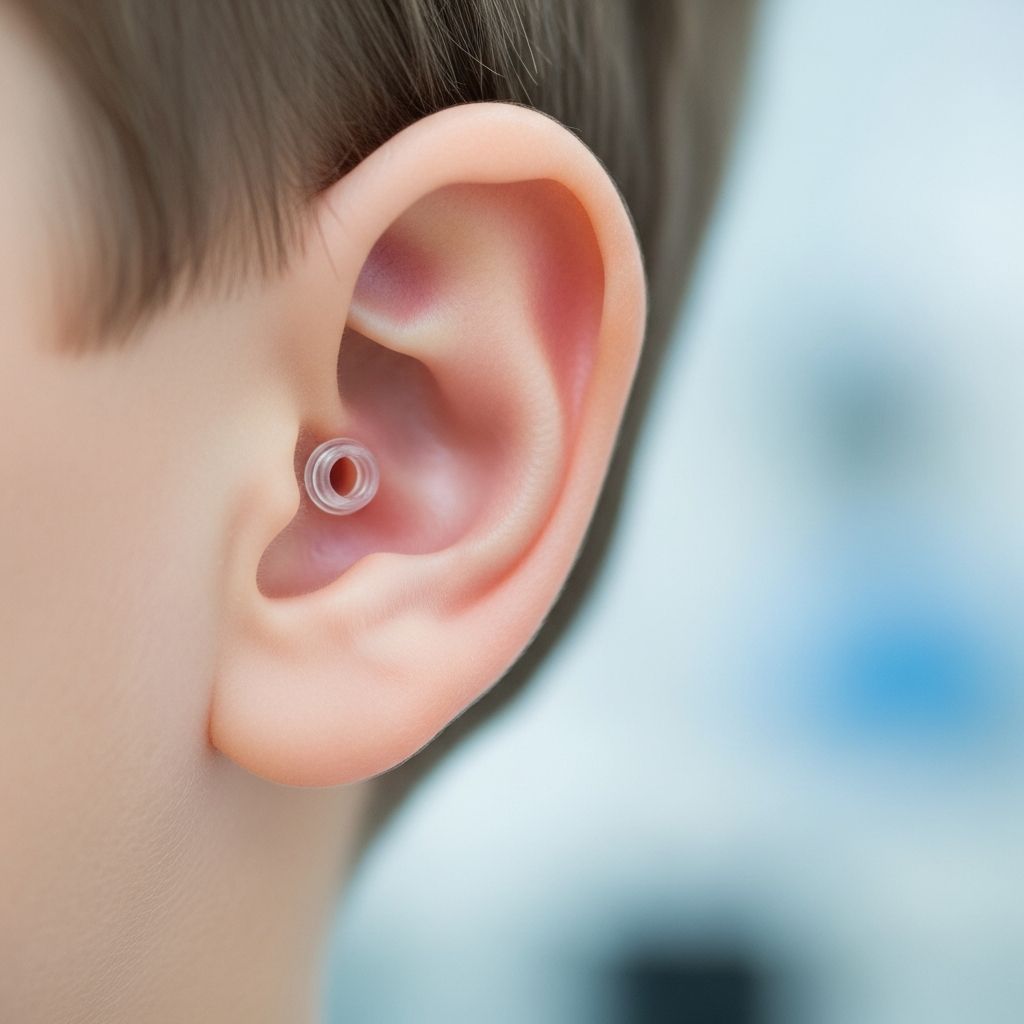
Grommets are miniature hollow tubes, typically constructed from plastic or metal materials, that are surgically placed directly into the eardrum to improve ventilation within the middle ear space. Also known as tympanostomy tubes, ventilation tubes, or pressure equalization tubes, these devices serve a critical function in maintaining proper air circulation and pressure balance in the ear. The tubes are remarkably small, measuring approximately three millimeters in diameter, and feature a distinctive design with flanged ends that help secure them in position within the eardrum opening.
The fundamental mechanism behind grommet function involves creating an alternative airway for air to enter and exit the middle ear space. Under normal circumstances, the Eustachian tube—a narrow passage connecting the middle ear to the back of the throat—handles this ventilation responsibility by opening periodically to equalize pressure and allow fluid drainage. However, in many young children, this tube becomes dysfunctional, either due to developmental factors, inflammation from infections, or obstruction from mucus accumulation. When Eustachian tube dysfunction occurs, negative pressure builds behind the eardrum, creating an environment conducive to fluid accumulation and bacterial or viral infection.
Why Children Develop Ear Problems Requiring Intervention
The Eustachian tube in young children functions differently than in adults due to anatomical and developmental factors. In infants and toddlers, the Eustachian tube is shorter, more horizontal, and contains more lymphoid tissue, making it more susceptible to blockage and dysfunction. As children mature and their bodies grow, the angle and function of the Eustachian tube typically improve naturally, which is why many ear problems resolve without intervention by school age.
However, some children experience persistent or recurrent middle ear problems that warrant medical intervention. These conditions include:
- Recurrent acute otitis media (AOM): Frequent middle ear infections that impact quality of life and development
- Chronic otitis media with effusion (OME): Persistent fluid accumulation in the middle ear, commonly called glue ear
- Hearing loss: Conductive hearing impairment caused by fluid damping eardrum vibration
- Ear pressure-related complications: Issues arising from rapid pressure changes during air travel or altitude changes
- Structural eardrum changes: Long-term negative pressure effects on eardrum integrity
Clinical Indications for Grommet Insertion
Healthcare providers recommend grommet surgery only after establishing that conservative treatments have proven insufficient. Typical criteria for referral include experiencing more than three separate ear infection episodes within a six-month period, or four or more episodes within a twelve-month period. Additionally, persistent middle ear fluid lasting three months or longer, particularly when accompanied by documented hearing loss affecting speech and language development, constitutes a valid indication for surgical intervention.
The decision to proceed with grommet surgery represents a collaborative process between parents, pediatricians, and otolaryngologists (ear, nose, and throat specialists). Prior to recommendation, healthcare providers typically implement conservative management strategies including watchful observation, nasal decongestants, antihistamines for allergy-related cases, and appropriate antibiotic therapy for bacterial infections.
The Grommet Insertion Procedure
Grommet insertion ranks among the most frequently performed surgical procedures in pediatric medicine worldwide. The operation involves several key components designed to minimize discomfort and optimize outcomes.
Surgical Process
The procedure typically occurs under general anesthesia, ensuring the child remains unconscious and pain-free throughout the intervention. An otolaryngologist uses an operating microscope to visualize the eardrum clearly, then creates a precise small incision in the tympanic membrane. The grommet is carefully positioned through this opening, where its flanged design prevents it from slipping further into the ear canal or back into the middle ear space.
Related Stories



Most grommet surgeries require only 10-15 minutes of operative time, and children typically return home the same day following a brief recovery period. The procedure is considered painless, as the eardrum contains no pain-sensing nerve fibers.
Recovery Timeline
Post-operative recovery is remarkably straightforward for most children. Minimal discomfort or ear drainage typically occurs immediately following surgery. Most children resume normal activities within a few days, though water precautions during bathing or swimming may be recommended initially. Parents should watch for signs of infection or abnormal drainage and contact their healthcare provider if these occur.
How Grommets Resolve Middle Ear Problems
The therapeutic benefits of grommets stem from their ability to fundamentally alter the middle ear environment through multiple mechanisms:
- Pressure equalization: Grommets maintain balanced air pressure on both sides of the eardrum, eliminating the negative pressure that contributes to fluid accumulation
- Fluid ventilation: The tube provides a drainage pathway for mucus and serous fluid to exit the middle ear space, traveling down toward the Eustachian tube and ultimately draining through the nose and throat
- Middle ear lining restoration: Improved aeration allows the mucosal lining of the middle ear to return to healthy function and reduces the chronic inflammation associated with fluid-filled ears
- Infection prevention: By maintaining normal middle ear conditions, grommets reduce the likelihood of bacterial colonization and subsequent infection
These mechanisms work synergistically to address the underlying pathophysiology rather than merely treating symptoms. Many children experience dramatic improvements in hearing within days or weeks of grommet insertion, with corresponding positive effects on speech development, academic performance, and behavioral issues sometimes associated with chronic hearing loss.
Expected Duration and Grommet Extrusion
Grommets function as temporary interventions rather than permanent solutions. The typical lifespan for a grommet ranges from six to eighteen months, with most remaining in place for nine to twelve months. As the eardrum heals and the middle ear conditions normalize, epithelial tissue gradually grows around the grommet tube. Eventually, this healing process pushes the grommet outward into the ear canal, where it typically falls out without causing discomfort.
The timing of grommet extrusion varies among individuals, depending on factors such as the rate of tissue healing, ongoing middle ear inflammation, and the child’s individual healing response. Some grommets extrude after only six months, while others remain functional for eighteen months or longer.
Post-Operative Care and Water Precautions
While most children can resume normal activities quickly, certain precautions may be recommended during the initial healing period and while grommets remain in place:
- Avoid water entering the ear canal during bathing or showering initially
- Use protective earplugs or cotton with petroleum jelly during swimming to minimize infection risk
- Keep ears dry following exposure to water or moisture
- Avoid inserting objects into the ear canal that might dislodge the grommet
Individual recommendations vary based on the specific grommet type and surgeon preference, so parents should clarify water precautions with their healthcare provider.
Potential Complications and Side Effects
Grommet insertion is generally considered a safe procedure with minimal complications. Potential issues, though uncommon, may include:
- Minor ear drainage or slight bleeding immediately post-operatively
- Temporary mild discomfort or fullness sensation
- Infection of the middle ear despite grommet presence
- Premature grommet extrusion before the ear has adequately healed
- Persistent perforation of the eardrum after grommet removal
- Tympanosclerosis (calcium deposits on the eardrum)
Serious complications directly related to the procedure itself are exceptionally rare when performed by experienced otolaryngologists. Parents should discuss specific risk factors relevant to their child with their surgical team.
Long-Term Outcomes and Follow-Up
Most children experience significant clinical improvement following grommet insertion. Hearing typically normalizes once fluid drains from the middle ear, speech development accelerates in younger children, and the frequency of ear infections decreases substantially. Long-term follow-up appointments allow otolaryngologists to monitor healing progress, assess grommet position, and document extrusion timing.
Many children never require additional grommets after extrusion, particularly if inserted after age three or four when the Eustachian tube function has matured. However, approximately 10-15% of children require a second set of grommets if symptoms recur following extrusion.
Frequently Asked Questions About Grommets
At what age can children receive grommets?
Grommets can technically be inserted at any age, though they are most commonly placed in children aged 1-4 years. Younger infants may require the procedure if they have severe recurrent infections or significant hearing loss affecting speech development.
Do grommets hurt?
The grommet insertion procedure itself does not cause pain because the eardrum lacks pain receptors. General anesthesia keeps the child completely unconscious and unaware during surgery, and post-operative discomfort is typically minimal.
Can children swim with grommets?
Most children can swim with appropriate ear protection, typically using earplugs or custom-fitted swim caps designed to keep water out of the ear canal. Specific recommendations vary, and parents should consult their surgeon regarding individual guidelines.
What happens when a grommet falls out?
Grommet extrusion is a normal, expected outcome. As the eardrum heals, it naturally pushes the tube outward into the ear canal, where it typically falls out painlessly. Parents may notice the grommet in ear drainage or simply observe that their child no longer has drainage.
Will my child need grommets permanently?
No, grommets are temporary devices designed to function while the Eustachian tube matures. Most children do not require permanent tubes, and many never need a second set after the initial grommets extrude.
References
- Grommets — KidsHealth New Zealand. Accessed February 2026. https://www.kidshealth.org.nz/grommets
- Grommets — Wabnitz ENT. Accessed February 2026. https://www.wabnitzent.com.au/information/grommets
- Ear Grommets: Definition, Benefits, and Side Effects in Adults — Amplifon. Accessed February 2026. https://www.amplifon.com/au/ear-diseases-symptoms/ear-infections/ear-grommets
- Grommets — Healthdirect. Australian Department of Health. Accessed February 2026. https://www.healthdirect.gov.au/grommets
- Grommets — ENT Info New Zealand. Accessed February 2026. https://www.entinfo.nz/grommets/
- Grommets — Mid Kent NHS Trust. Accessed February 2026. https://www.mkuh.nhs.uk/patient-information-leaflet/grommets
- Treatment of Glue Ear with Grommets — Great Ormond Street Hospital NHS Trust. Accessed February 2026. https://www.gosh.nhs.uk/conditions-and-treatments/procedures-and-treatments/treatment-glue-ear-grommets/
- Grommets — Aaron Trinidad ENT. Accessed February 2026. https://www.aarontrinidade.com/grommets
Similar Articles








Read full bio of Sneha Tete