Earache Relief Guide: Expert Tips For Fast Comfort
Discover effective ways to manage ear pain, from home remedies to professional treatments for lasting relief.
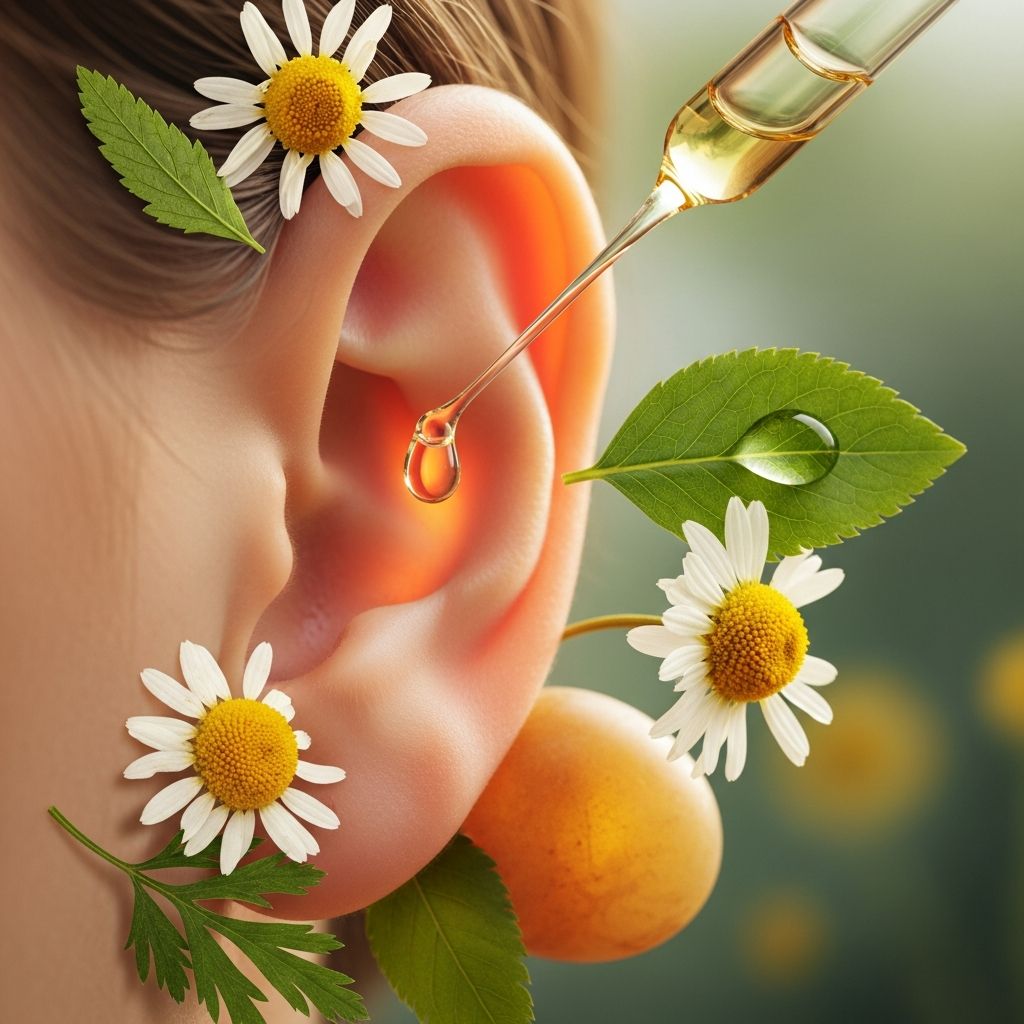
Earaches represent one of the most frequent health complaints, affecting individuals across all ages with sharp or throbbing discomfort in the ear. This guide explores the underlying reasons for ear pain, recognizable signs, practical self-care strategies, and critical indicators for professional intervention, empowering readers to address this issue effectively.
Recognizing Signs of Ear Discomfort
Ear pain manifests differently depending on age and severity. Adults often experience a deep ache, muffled sounds, or fluid leakage from the affected ear. Children may exhibit fussiness, frequent ear rubbing, elevated temperature, sleep disturbances, reduced eating, or coordination issues.
- Adult indicators: Persistent throbbing, hearing reduction, drainage.
- Child indicators: Irritability, ear pulling, fever above 38°C, balance problems.
- Shared symptoms: Pressure sensation, headaches, appetite loss.
These signs can intensify at night or during altitude shifts, signaling potential blockages or inflammation.
Primary Sources of Ear Pain
Most earaches stem from infections in the outer, middle, or inner ear regions. Outer ear issues, known as swimmer’s ear, arise from moisture trapped after swimming or irritation from devices like headphones. Middle ear infections frequently follow respiratory illnesses, where swollen Eustachian tubes trap fluid, fostering bacterial growth. Inner ear inflammation, or labyrinthitis, links to viral respiratory conditions.
| Ear Region | Common Triggers | Key Features |
|---|---|---|
| Outer Ear | Water exposure, scratches from swabs | Itching, redness, swelling |
| Middle Ear | Colds, allergies blocking tubes | Fluid buildup, pressure pain |
| Inner Ear | Viral infections | Dizziness, nausea, ringing |
Non-Infectious Contributors to Ear Pain
Beyond infections, earaches often result from pressure variations during flights or dives, excess wax accumulation, or foreign objects lodged inside. Dental problems like abscesses, jaw joint disorders (TMJ), sinus congestion, or throat infections can refer pain to the ear. Less frequent culprits include eczema, arthritis, or nerve conditions like trigeminal neuralgia.
- Pressure changes: Barotrauma from travel.
- Wax buildup: Blockage causing fullness.
- Referred pain: From teeth, sinuses, or throat.
Understanding these distinctions aids in selecting appropriate relief methods.
Self-Care Strategies for Immediate Relief
Many earaches resolve without intervention, but symptom management accelerates comfort. Over-the-counter analgesics such as ibuprofen or acetaminophen reduce inflammation and pain effectively for both adults and children. Warm or cold compresses applied for 20 minutes provide soothing relief—experiment with both to find preference.
Upright positioning, chewing gum, or yawning equalizes ear pressure, particularly useful during flights. Avoid inserting objects like cotton swabs, which exacerbate irritation. For wax-related issues, softening drops may dislodge buildup naturally.
- Apply compress to the ear.
- Take recommended pain medication dose.
- Rest with unaffected side down.
- Stay hydrated to thin mucus.
Related Stories



These approaches offer safe, accessible relief while monitoring progress.
Professional Interventions and Medications
When home measures fall short, medical evaluation determines targeted treatments. Doctors diagnose via physical exam, possibly using otoscopy to inspect the canal and drum. Bacterial middle ear infections may warrant antibiotics if symptoms persist beyond 48-72 hours or involve discharge.
Wax removal employs irrigation, suction, or drops. TMJ or sinus-related pain requires addressing the root, such as dental care or decongestants. Ear drops suit outer infections unless perforation is suspected. Most cases improve within 7 days, but chronic fluid retention demands follow-up to prevent hearing impacts.
Special Considerations for Young Children
Infants and toddlers face higher infection risks due to immature Eustachian tubes and frequent respiratory exposures. Watch for fever, inconsolable crying, or head tilting. Pediatric guidelines favor pain control over routine antibiotics, reserving them for severe or prolonged cases. Teething can mimic ear pain, distinguishable by gum swelling.
Breastfeeding, avoiding smoke exposure, and vaccinations like pneumococcal reduce risks. Pacifier use during colds aids pressure relief but limit otherwise.
Preventive Measures to Avoid Recurrence
Proactive steps minimize earache frequency. Dry ears thoroughly post-swim with a towel, avoiding deep drying. Manage allergies and colds promptly to prevent tube blockage. Limit bottle-propping in infants and ensure vaccinations are current.
- Use earplugs for swimming.
- Avoid Q-tips; clean outer ear only.
- Practice “sniff” technique for pressure changes.
- Annual flu shots for vulnerable groups.
These habits foster ear health long-term.
When to Seek Urgent Medical Attention
Not all earaches self-resolve; prompt care prevents complications like mastoiditis or hearing loss. Consult a provider if pain endures over 3 days, fever exceeds 39°C, swelling/redness spreads, dizziness occurs, or discharge appears. Children under 6 months with any ear symptoms or adults with sudden hearing loss require immediate evaluation.
Signs of emergency: Neck stiffness, severe headache, facial weakness—these suggest deeper infections.
Frequently Asked Questions
Can earaches resolve without antibiotics?
Yes, most viral cases improve in 7 days with pain management.
Is it safe to use ear drops at home?
Only if no perforation suspected; consult a doctor first.
Do airplanes always cause ear pain?
No, but chewing or swallowing during descent helps.
How do I differentiate earache from toothache?
Ear-specific signs like drainage point to ear issues; dental pain involves gum sensitivity.
Are ear infections contagious?
The viruses/bacteria causing them spread via respiratory droplets, not directly.
References
- Earache: Symptoms, Causes, Treatments, and Prevention — Healthline. 2023-05-15. https://www.healthline.com/health/earache
- Earache Causes, Symptoms, & Treatment — House Clinic. 2024-02-10. https://www.houseclinic.com/home/ear-clinic/earache/
- Earache – causes and treatments — healthdirect.gov.au. 2025-01-20. https://www.healthdirect.gov.au/earache
- Ear Infections — HealthLink BC. 2024-11-05. https://www.healthlinkbc.ca/healthwise/ear-infections
- Ear Pain Home Treatment — WebMD. 2024-08-12. https://www.webmd.com/cold-and-flu/ear-infection/ear-pain-home-treatment
- Ear Pain (Earache, Otalgia): Causes & Treatment — Cleveland Clinic. 2025-03-18. https://my.clevelandclinic.org/health/symptoms/earache-ear-pain
Similar Articles








Read full bio of medha deb