Early Pregnancy Bleeding And Pain: When To Seek Care
Understand common causes, warning signs, and when to seek urgent care for bleeding and pain in the first trimester.
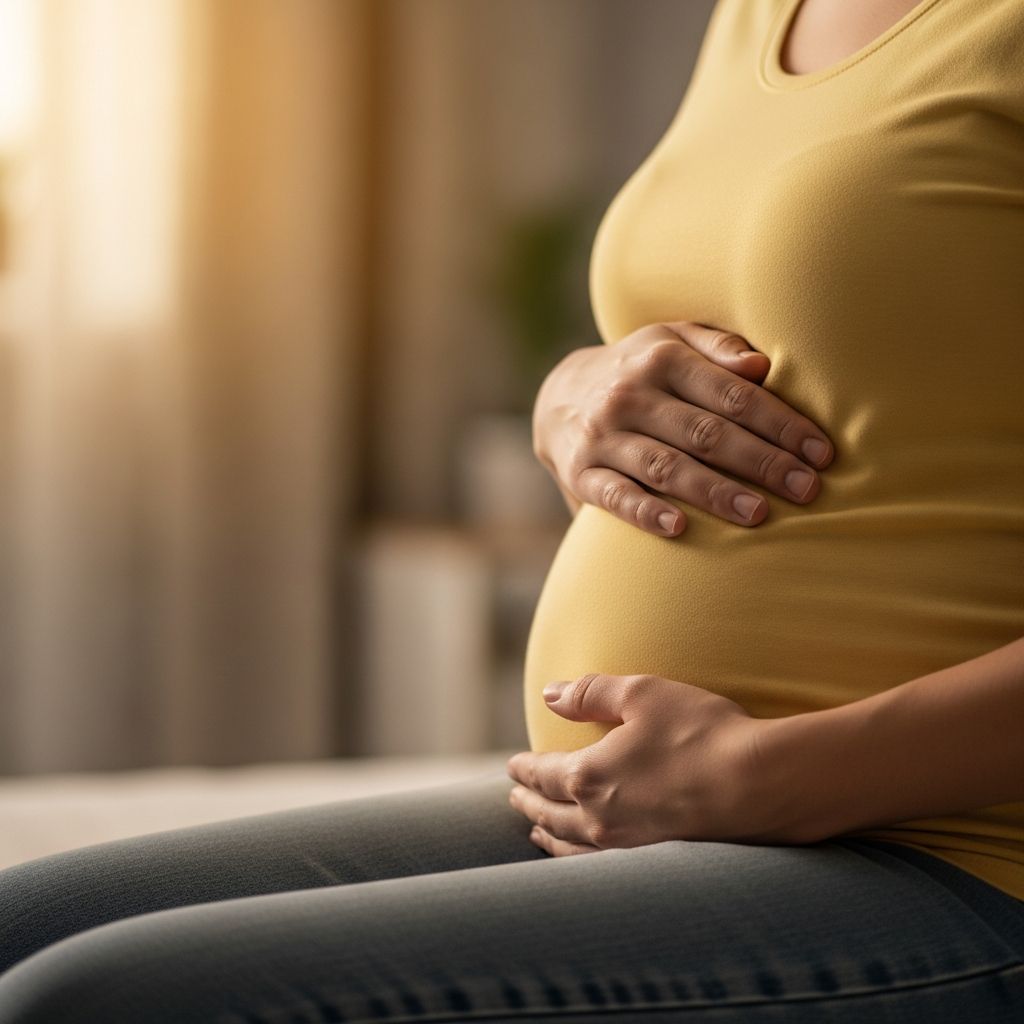
Vaginal bleeding and abdominal discomfort are frequent experiences in the first trimester, affecting approximately one in four pregnancies, but they warrant prompt evaluation to rule out complications.
Prevalence and Normalcy in Early Pregnancy
Up to 25% of women notice some form of vaginal spotting or mild cramping before 12 weeks of gestation. These symptoms often resolve without harm to the pregnancy, stemming from natural physiological changes. Light spotting, resembling a light period, may occur due to the embryo embedding into the uterine lining, known as implantation bleeding. This typically lasts one to two days, requires only a thin pad, and is accompanied by minimal or no cramping.
Mild cramps can arise from uterine expansion, ligament stretching, or hormonal shifts. Backache or round ligament pain may also mimic menstrual discomfort but usually remains tolerable. However, any deviation from mild symptoms merits attention, as bleeding and pain can signal underlying issues.
Common Benign Causes
- Implantation bleeding: Occurs 6-12 days post-conception as the blastocyst attaches to the endometrium, causing pink or brown discharge without clots.
- Cervical changes: Increased blood flow makes the cervix more sensitive; intercourse, exams, or infections can trigger spotting from a friable cervix.
- Hormonal fluctuations: Progesterone surges may lead to minor discharge variations, often clear or light pink.
- Hemorrhoids or constipation: Common in pregnancy, these rectal issues can cause bright red blood mistaken for vaginal bleeding.
These causes generally present as light spotting without heavy flow or severe pain. Distinguishing them from serious conditions requires professional assessment.
Serious Causes Requiring Immediate Attention
While many episodes are harmless, bleeding and pain can indicate threats to maternal and fetal health. Key concerns include:
Threatened Miscarriage
This diagnosis applies when ultrasound confirms a viable intrauterine pregnancy despite bleeding or cramping. A subchorionic hematoma—a collection of blood between the chorion and uterine wall—may be present, elevating miscarriage risk but often resolving with rest. Many such pregnancies progress to term.
Early Pregnancy Loss (Miscarriage)
Miscarriage, or spontaneous abortion before 14 weeks, occurs in about 15-20% of confirmed pregnancies. Symptoms include moderate to heavy bleeding with clots, tissue passage, and cramping stronger than menstrual pain, often low in the abdomen. Most result from chromosomal anomalies incompatible with life, not maternal fault. Future fertility remains high post-isolated loss.
Ectopic Pregnancy
A life-threatening emergency where the embryo implants outside the uterus, typically in a fallopian tube. Early signs mimic miscarriage: unilateral pain, spotting, and shoulder tip pain from diaphragmatic irritation by blood. Rupture causes severe abdominal pain, heavy bleeding, dizziness, fainting, or shock—necessitating immediate A&E visit. Risk factors include prior ectopic, tubal surgery, PID, or smoking.
Other Rare Issues
Infections (e.g., chlamydia), molar pregnancies, or cervical pathology can contribute. Gestational trophoblastic disease, though uncommon, presents with heavy bleeding and requires specialist care.
| Condition | Bleeding Type | Pain Characteristics | Urgency |
|---|---|---|---|
| Implantation | Light spotting, 1-2 days | Mild or none | Low |
| Threatened Miscarriage | Light-moderate, possible clots | Mild cramping | Moderate |
| Miscarriage | Heavy, with tissue | Moderate-severe cramps | High |
| Ectopic | Spotting to heavy | Sharp, one-sided; shoulder pain | Emergency |
Recognizing Urgent Warning Signs
Seek emergency care (A&E or Early Pregnancy Unit) for:
- Heavy bleeding soaking a pad hourly or with large clots.
- Severe abdominal, pelvic, or shoulder pain unresponsive to paracetamol.
- Dizziness, fainting, rapid heartbeat, or pale skin indicating hypovolemia.
- Fever, foul-smelling discharge, or severe vomiting.
Related Stories



Per CDC guidelines, any vaginal bleeding beyond spotting during pregnancy qualifies as a maternal warning sign.
Diagnostic Evaluation Process
Healthcare providers follow a structured approach:
- History and exam: Assess bleeding volume, pain location/intensity, last menstrual period, risk factors, and vital signs. Speculum exam checks cervical status; bimanual palpation evaluates tenderness.
- Ultrasound: Transvaginal for superior first-trimester visualization of fetal heartbeat, yolk sac, or ectopic site. Transabdominal as adjunct. Safe, no miscarriage risk increase.
- Blood tests: Serial β-hCG quantifies hormone rise (doubles every 48 hours in viable pregnancies); progesterone levels aid viability prediction. Blood type/Rh for management.
- Urine tests: Confirm pregnancy, screen infections/STIs like chlamydia.
- Follow-up for pregnancy of unknown location (PUL): 20% of early cases; monitor β-hCG trends and rescan. Rising levels suggest ectopic if not intrauterine.
Chaperones are standard for intimate exams. Support persons are welcome.
Management and Treatment Options
For Threatened Miscarriage
Bed rest, pelvic rest (no intercourse/tampons), and progesterone pessaries if prior loss—reducing recurrence by up to 15% per RCOG. Follow-up scan confirms progress.
For Confirmed Miscarriage
Options: expectant (natural passage, 50-80% within 2 weeks), medical (mifepristone/misoprostol), or surgical (D&C). Choice depends on preferences, symptoms, infection risk.
For Ectopic Pregnancy
Methotrexate for stable unruptured cases; surgery (laparoscopy/salpingectomy) for rupture or failure. Multidisciplinary care essential.
Emotional Support and Aftercare
Experiencing these symptoms evokes anxiety; support groups like Miscarriage Association aid coping. Post-loss, hCG lingers 1-2 weeks—avoid home tests initially. Contraception counseling follows, with TTC advised after one normal cycle. Recurrent loss warrants investigation.
Prevention and Lifestyle Tips
- Avoid smoking, limit alcohol/caffeine.
- Folic acid 400-800mcg daily.
- Manage weight, prenatal vitamins.
- Report prior ectopics for early scanning.
Frequently Asked Questions (FAQs)
Is all first-trimester bleeding a miscarriage?
No, most bleeding pregnancies continue healthily, especially if light and with fetal heartbeat.
Can sex cause bleeding?
Yes, cervical sensitivity may lead to spotting post-coitus, but abstain if ongoing symptoms.
When can I resume normal activities post-evaluation?
Follow provider guidance; pelvic rest common until resolved.
Does exercise provoke these symptoms?
Moderate activity safe; high-impact or if symptomatic, pause and consult.
What if β-hCG doesn’t rise appropriately?
Indicates non-viable pregnancy; further monitoring clarifies.
References
- Bleeding and/or pain in early pregnancy — Royal College of Obstetricians and Gynaecologists (RCOG). 2023. https://www.rcog.org.uk/for-the-public/browse-our-patient-information/bleeding-andor-pain-in-early-pregnancy/
- Bleeding in Early Pregnancy — American Academy of Family Physicians (AAFP). 2019-02-01. https://www.aafp.org/pubs/afp/issues/2019/0201/p166-s1.html
- Urgent Maternal Warning Signs and Symptoms — Centers for Disease Control and Prevention (CDC). 2024. https://www.cdc.gov/hearher/maternal-warning-signs/index.html
- Signs & symptoms — The Miscarriage Association. 2023. https://www.miscarriageassociation.org.uk/information/worried-about-pregnancy-loss/signs-symptoms/
- First Trimester Bleeding & Cramping — Arbor OB-GYN. 2023. https://arbor-obgyn.com/first-trimester-bleeding-cramping/
- Implantation Bleeding — Cleveland Clinic. 2023-11-04. https://my.clevelandclinic.org/health/symptoms/24536-implantation-bleeding
Similar Articles








Read full bio of Sneha Tete