Early Symptoms Of Breast Cancer: 4 Key Signs To Spot
Recognizing early breast cancer symptoms can save lives—learn the key signs like lumps, skin changes, and nipple discharge to catch it early.

Breast cancer remains one of the most common cancers affecting women worldwide, but early detection dramatically improves survival rates. Recognizing subtle
early symptoms
can prompt timely medical evaluation, potentially leading to less invasive treatments and better outcomes. While many symptoms overlap with benign conditions, awareness is crucial. This article details key signs from authoritative sources like the CDC, covering lumps, skin changes, nipple issues, and stage-specific indicators.What Are the Early Signs and Symptoms of Breast Cancer?
Early breast cancer often presents without noticeable symptoms, which is why regular screenings like mammograms are vital. However, when symptoms do appear, they typically involve changes in the breast tissue, skin, or nipple. According to the CDC, common early signs include a new lump in the breast or underarm, thickening or swelling, irritation or dimpling of skin, redness or flaky skin around the nipple, nipple pulling or pain, discharge other than breast milk, and changes in breast size or shape. Pain in the breast area may also occur, though it’s less common early on.
The National Breast Cancer Foundation emphasizes that individuals should know their normal breast appearance and feel through monthly self-exams to spot abnormalities quickly. Symptoms vary by person; some may have none at all until later stages. Importantly, these signs can stem from non-cancerous issues like cysts or fibrocystic changes, but any concern warrants a doctor’s visit.
Breast Lumps and Thickening
A
new lump
in the breast or underarm (armpit) is the most reported early symptom. These lumps may feel hard with irregular edges and do not resolve over a menstrual cycle. The CDC notes that thickening or swelling of part of the breast, even without a distinct lump, signals potential issues. In stage 1 breast cancer, tumors are typically under 2 cm and confined to breast tissue or nearby lymph nodes, often asymptomatic but detectable as a persistent lump.Not all lumps are cancerous—fibrocystic conditions cause lumpy, tender breasts, and cysts are fluid-filled sacs. However, any new or changing lump requires evaluation via imaging or biopsy. Self-exams help baseline normalcy: perform monthly post-menstruation, checking for firmness, mobility, and symmetry.
- Characteristics of concerning lumps: Hard, irregular edges, fixed in place, painless or tender.
- Benign mimics: Soft, movable, cyclical tenderness.
Skin Changes on the Breast
Skin alterations are critical early clues.
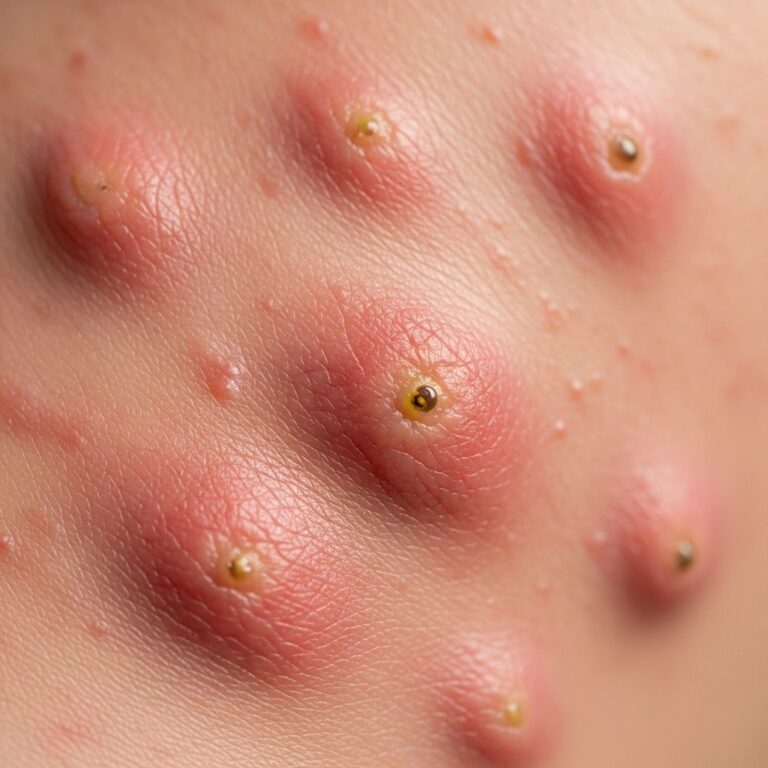
Irritation or dimpling
(like pulling inward), resembling an orange peel texture (peau d’orange), indicates possible underlying tumors pulling on skin. Redness, swelling, itchiness, or flaky skin, especially around the nipple, should raise alarms.In advanced early stages like stage 2 or 3, skin may show unexplained redness, swelling, or ulceration if cancer spreads to chest wall or skin. The National Breast Cancer Foundation lists changes in skin texture, enlarged pores, or scaly patches on breast, areola, or nipple as red flags. Unilateral swelling or shrinkage, recent asymmetry, or dimpling anywhere on the breast demands attention.
| Skin Change | Description | Stage Association |
|---|---|---|
| Dimpling/Peau d’orange | Pitted, orange-peel texture | Early invasive (Stage 1-2) |
| Redness/Flaking | Inflamed or scaly skin | Early to Stage 3 |
| Swelling/Asymmetry | One-sided enlargement/shrinkage | Stage 2+ |
Nipple Changes and Discharge
Nipple-related symptoms often signal early detection opportunities.
Pulling in of the nipple
(inversion), pain, or tenderness can occur. Discharge other than breast milk—especially clear, bloody, red, brown, yellow, or milky (non-lactating)—is concerning. In stage 0 (DCIS), bloody nipple discharge or lumps may appear, though often found via mammogram.Related Stories



Changes in nipple shape, such as turning inward or flattening, or scaly/swollen areola warrant checks. While milky discharge isn’t typically cancerous, clear or bloody types are high-risk and need prompt investigation.
- High-risk discharge: Bloody, clear, spontaneous from one duct.
- Low-risk: Bilateral milky in non-pregnant women (prolactin-related).
Pain in the Breast or Armpit
Breast pain isn’t a hallmark early symptom but can occur in any area, including the armpit if lymph nodes are involved. Stage 1-2 pain may be vague or cyclic, but persistent pain, especially with lumps, requires evaluation. Metastatic pain (stage 4) affects distant sites like bones or chest. Differentiate from musculoskeletal pain via medical exam.
Breast Cancer Symptoms By Stage
Understanding symptoms by
TNM staging
(Tumor size, Node involvement, Metastasis) aids recognition. Stage 0 (DCIS): Often no symptoms; rare lump or bloody discharge. Stage 1: Small tumor (<2cm), possible lump, nipple changes, no/early node spread.Stage 2: Larger tumor (2-5cm), node involvement; similar to stage 1 but increased swelling. Stage 3: Tumor >5cm, extensive nodes, chest wall/skin invasion—ulcers, larger lumps. Stage 4: Metastatic—fatigue, weight loss, organ-specific (cough for lungs, jaundice for liver). Survival drops to 30% at stage 4.
| Stage | Key Symptoms | Tumor/Node Status |
|---|---|---|
| 0 (DCIS) | Lump, bloody discharge (rare) | Non-invasive in ducts |
| 1 | Persistent lump, nipple changes | <2cm, limited nodes |
| 2 | Lump growth, swelling | 2-5cm, axillary nodes |
| 3 | Skin ulcers, large lumps | >5cm, multiple nodes |
| 4 | Metastatic: fatigue, organ pain | Distant spread |
Other Symptoms to Watch For
Beyond primary signs, watch for unexplained breast size/shape changes, recent asymmetry, or armpit swelling from lymph nodes. Fatigue or weight loss signals later stages. Men can develop breast cancer too, with similar symptoms.
Why Early Detection Matters
Early-stage detection via symptoms and screening yields 90-99% 5-year survival, versus 30% for metastatic. Monthly self-exams, annual mammograms (starting age 40-44, earlier with family history), and clinical exams form the 3-step detection strategy.
Frequently Asked Questions (FAQs)
What does a breast cancer lump feel like?
A concerning lump is often hard, irregular-edged, painless, and fixed; unlike soft, movable benign cysts.
Is nipple discharge always cancer?
No, but clear, bloody, or spontaneous discharge from one breast needs evaluation; milky may be hormonal.
Can breast cancer be painless?
Yes, many early cases have no pain; lumps or changes may be the only signs.
Should I worry about breast pain?
Cyclic pain is often benign, but persistent pain with other changes requires a check.
How often should I do self-exams?
Monthly, after menstruation, to know your normal and spot changes early.
Are skin changes serious?
Dimpling, redness, or peau d’orange texture signals possible cancer—see a doctor promptly.
References
- Symptoms of Breast Cancer — Centers for Disease Control and Prevention (CDC). 2023. https://www.cdc.gov/breast-cancer/symptoms/index.html
- Breast Cancer Symptoms By Stage (1-4) — Oncology Nurse Advisor. 2023. https://www.oncologynurseadvisor.com/features/breast-cancer-symptoms/
- Breast Cancer Signs and Symptoms — National Breast Cancer Foundation. 2023. https://www.nationalbreastcancer.org/breast-cancer-symptoms-and-signs/
Similar Articles








Read full bio of Sneha Tete