Earwax Buildup and Blockage: Causes, Symptoms & Treatment
Complete guide to understanding earwax impaction, its symptoms, causes, and effective treatment options.
Understanding Earwax Buildup and Blockage
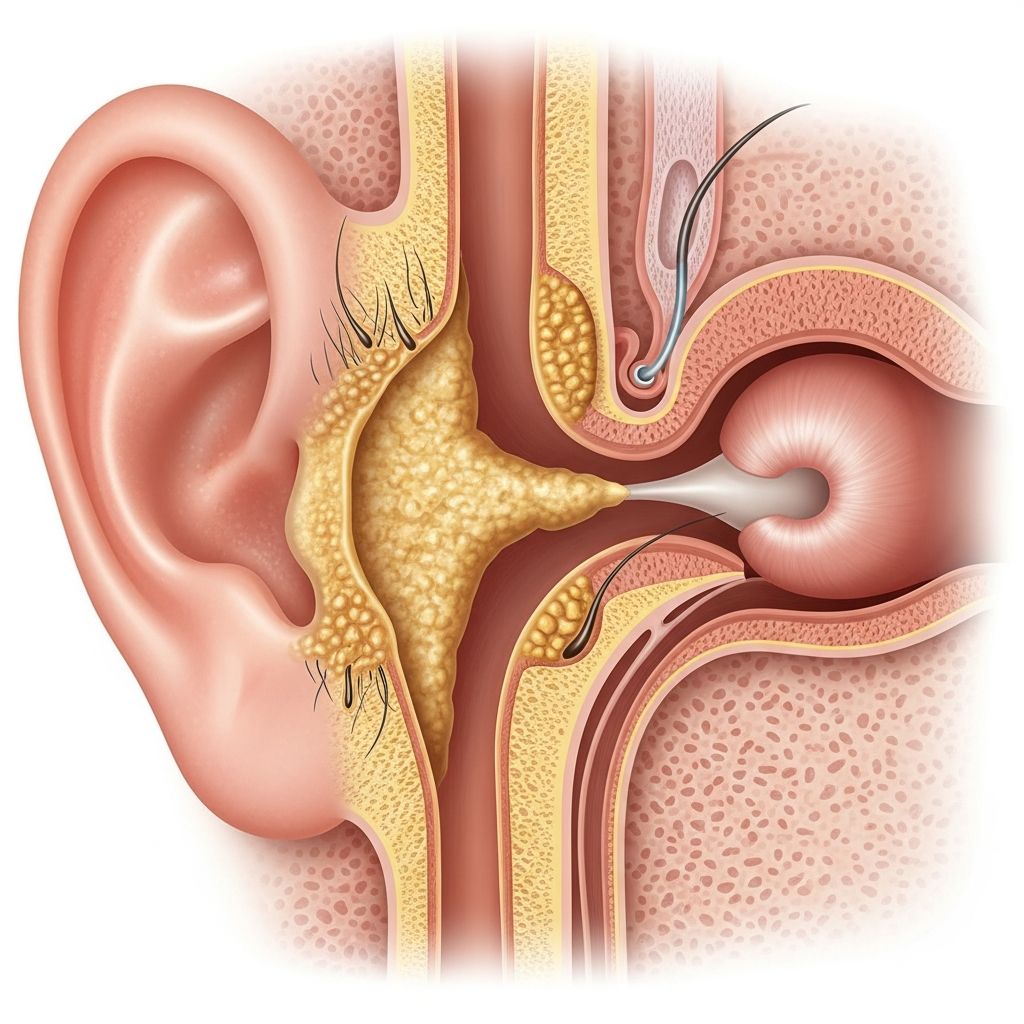
Earwax, medically known as cerumen, is a naturally occurring waxy substance produced in your ear canal. Despite its sometimes unpleasant reputation, earwax serves several important protective functions for your ears. It keeps your ears hydrated, traps debris and germs that could damage your eardrum, and helps prevent bacteria and foreign objects from entering deeper into the ear canal. Under normal circumstances, your body produces just the right amount of earwax to maintain ear health.
However, when too much earwax accumulates in the ear canal faster than it can naturally exit, a condition called cerumen impaction or earwax blockage occurs. This buildup creates an obstruction that can lead to uncomfortable symptoms and potential complications if left untreated. Understanding the causes, symptoms, and treatment options for earwax blockage is essential for maintaining optimal ear health and preventing hearing loss.
What Causes Earwax Blockage?
Earwax blockage develops when the ear’s natural self-cleaning process becomes overwhelmed. Normally, earwax moves slowly from the inner ear canal outward through everyday motions such as chewing, talking, and jaw movement. These activities assist in the migration of old wax and trapped particles, allowing them to fall out naturally or be washed away during bathing.
Several factors can disrupt this natural process and contribute to excessive earwax accumulation:
Common Risk Factors
Age: Older adults tend to produce drier, harder wax that accumulates more readily compared to younger individuals. This age-related change in wax consistency makes blockage more common in senior populations.
Over-Cleaning: Paradoxically, cleaning ears too frequently or aggressively can disrupt the self-cleaning process. When you insert cotton swabs or other objects into your ear canal, you can stimulate excess wax production as a protective reaction. This creates a counterproductive cycle where attempts to clean the ears actually worsen the problem.
Skin Conditions: Eczema, psoriasis, and other dermatological conditions affecting the ear canal can increase wax buildup and irritation. These skin issues alter the normal ear canal environment and may trigger increased wax production.
Hearing Aids: Regular use of hearing aids can contribute to worsening wax buildup. The devices may physically obstruct the ear canal or trap moisture, creating an environment conducive to wax accumulation.
Narrow Ear Canals: Some individuals have naturally narrow ear canals, which makes it easier for wax to accumulate and block the canal completely.
Excessive Wax Production: Certain individuals naturally produce more earwax than others, making them more susceptible to blockage.
Recognizing the Symptoms
Earwax impaction can produce various uncomfortable symptoms that range from mild to severe. Recognizing these warning signs early allows for prompt treatment and helps avoid complications. Common symptoms include:
Related Stories



Hearing Loss or Muffled Sound: One of the most common complaints is that sounds seem distant or muted, similar to listening through a thick curtain. This conductive hearing loss occurs because wax physically blocks sound waves from reaching the eardrum properly.
Earache or Discomfort: Patients often experience a dull ache, sharp pain, or a sensation of fullness or pressure inside the ear, as if it is “plugged” or clogged.
Tinnitus (Ringing in the Ear): Wax buildup can exert pressure on the eardrum or ear canal, potentially contributing to sensations of ringing, buzzing, or other phantom noises known as tinnitus.
Itching or Fullness: An irritating itchiness or tickling inside the ear canal may cause an uncomfortable urge to clean the ear, which can ironically worsen the problem.
Dizziness or Imbalance: In more severe cases, substantial wax accumulation may affect your sense of balance, leading to dizziness, lightheadedness, or unsteadiness.
Drainage: In some cases, you may notice drainage or a discharge from your affected ear.
Potential Complications
If left untreated, significant wax accumulation can raise the risk of infections, worsen symptoms, and even cause temporary hearing loss. Excess wax can trap moisture and bacteria, increasing infection risk and leading to conditions like swimmer’s ear or middle ear infections. It is important to address earwax blockage promptly to prevent these complications.
Diagnosis and Professional Evaluation
If you suspect you have earwax blockage, your healthcare provider can examine the inside of your ear using a medical instrument called an otoscope. This simple examination allows them to assess whether wax buildup is the cause of your symptoms and determine the severity of the blockage.
Your healthcare provider will typically ask about your symptoms, how long you’ve been experiencing them, and what methods you may have already tried for relief. This information helps guide the treatment approach.
When to Seek Professional Help
If your symptoms persist, worsen, or you experience severe pain, dizziness, persistent ringing, unusual drainage, or sudden hearing loss, seek evaluation from a healthcare professional without delay. ENT specialists have specialized tools and training to safely handle more complex cases of earwax impaction.
Home Remedies and Self-Care Options
For mild to moderate earwax buildup, several at-home treatments can help soften and loosen the wax, making it easier for it to exit the ear naturally.
Earwax-Softening Oils
One of the safest and most effective home treatments involves using natural oils to soften hardened wax. You can apply 3-4 drops of baby oil, almond oil, mineral oil, olive oil, or diluted hydrogen peroxide in each ear twice per week. Baby oil is particularly recommended over diluted hydrogen peroxide because hydrogen peroxide can be drying to the delicate ear canal skin.
When using oils, lie on your side with the affected ear facing upward, insert the drops gently, and remain in that position for several minutes to allow the oil to work on softening the wax.
Over-the-Counter Ear Drops
A solution called carbamide peroxide can be used to soften hardened wax and allow it to be easily removed from the outer ear with a cotton swab. Carbamide peroxide can be found in several over-the-counter ear drops such as Debrox or Murine Ear Wax Removal System. These medicated drops are effective for mild impaction, though they must be used exactly as directed.
It is important to note that because these drops can irritate the delicate skin of the eardrum and ear canal, you should use them only as directed on the package. Additionally, speak to your healthcare provider before using at-home treatments for ear wax, especially if you have a hole (perforation) or tube in your eardrum, as liquid should not be placed in ears with these conditions.
Warm Water Rinses
A simple warm water rinse can help gently flush out softened wax. Some patients use mineral oil drops nightly for a couple of days and then perform gentle warm water rinses to help remove the loosened wax. However, be cautious to avoid applying excessive pressure, which could injure or perforate the eardrum.
Prevention Tips
Preventing earwax buildup is often easier than treating it. These practical tips can help maintain healthy ear function and reduce the risk of impaction:
Limit Cotton Swab Use: To help prevent earwax buildup, cotton swabs can be used on the outside part of the ear to move earwax outwards from the ear canal, but they should not be put into the ear canal itself. Most people only need to clean the outer ear during routine bathing.
Avoid Inserting Objects: Never insert sharp objects, bobby pins, or other items into your ear canal, as these can disrupt the natural wax migration process and potentially injure the delicate ear structures.
Maintain Regular Ear Cleaning: Gently clean your outer ear with a soft cloth during bathing. Avoid aggressive scrubbing or inserting anything deep into the canal.
Regular Professional Checkups: If earwax buildup keeps happening, you may need healthcare checkups once or twice a year for regular professional cleaning.
Use Preventive Drops: If you are prone to earwax buildup, your healthcare professional may recommend that you regularly use earwax-softening agents, such as saline, mineral oil or olive oil. These help loosen the wax so that it can leave the ear more easily.
Professional Earwax Removal Methods
When home remedies are insufficient or the blockage is severe, professional treatment becomes necessary. Healthcare providers have several specialized methods available:
Curette Removal: Your healthcare professional can remove excess wax in the ear with a small, curved tool called a curet. This instrument allows careful, controlled removal of impacted wax without damaging the ear canal.
Suction Technique: Some providers, often an otolaryngologist/ENT physician, have a magnifying device and a suction device that can be used to remove the cerumen in their office. This method is particularly effective for stubborn or deeply impacted wax.
Irrigation or Lavage: Another method flushes out the wax with a syringe full of warm water and saline or diluted hydrogen peroxide, a procedure called ear lavage. Healthcare providers can use a warm water solution or hydrogen peroxide solution to soften the cerumen and flush your ear canals safely.
Microscopic Removal: A doctor can use operating microscopes to magnify inside the ear canal, loosen the wax and vacuum it out. This approach provides enhanced visualization for precise removal.
Professional care ensures safe and effective treatment when self-care isn’t enough. Many patients describe a “weight lifted” sensation after professional earwax removal, especially when their hearing improves significantly.
Frequently Asked Questions
Q: How often should I clean my ears?
A: Most people only need to clean the outer ear during routine bathing. Avoid inserting cotton swabs or other objects inside the ear canal, as this can disrupt the natural wax migration process and actually increase wax production.
Q: Can ear infections be caused by impacted wax?
A: Yes. Excess wax can trap moisture and bacteria, increasing infection risk. Look for pain, redness, swelling, discharge, or fever as signs of infection. If you notice these symptoms, contact your healthcare provider promptly.
Q: What are the professional earwax removal methods?
A: Healthcare providers may use gentle suction, curettes, or safe irrigation techniques to effectively clear wax blockages. Each method is tailored to your specific situation and the severity of impaction.
Q: Is it safe to use hydrogen peroxide for earwax removal?
A: Diluted hydrogen peroxide can be used, but baby oil is often preferred because hydrogen peroxide can be drying to the ear canal. Additionally, avoid hydrogen peroxide if you have a perforated eardrum or ear tubes.
Q: Why do hearing aids contribute to earwax buildup?
A: Hearing aids can physically obstruct the ear canal and may trap moisture, creating an environment conducive to wax accumulation. If you use hearing aids regularly, discuss earwax management strategies with your healthcare provider.
Q: What should I do if I suspect earwax blockage?
A: If you experience muffled hearing, earache, fullness, ringing, or dizziness, contact your healthcare provider for evaluation. They can examine your ear with an otoscope and recommend appropriate treatment based on the severity of your condition.
Conclusion
Earwax impaction is a common yet manageable condition that affects people of all ages. While earwax serves important protective functions, excessive accumulation can lead to uncomfortable symptoms and potential hearing loss if left untreated. Recognizing key symptoms such as muffled hearing, fullness, discomfort, or ringing helps you address the issue early and avoid complications.
By understanding your risk factors and implementing preventive measures, you can significantly reduce the likelihood of developing earwax blockage. When symptoms do occur, several safe at-home remedies using oils and over-the-counter drops can provide relief for mild to moderate cases. For persistent or severe impaction, professional evaluation and treatment by an ENT specialist ensures safe and effective removal using specialized instruments and techniques.
Remember to avoid inserting cotton swabs or sharp objects into your ears, and instead focus on gentle outer ear cleaning during routine bathing. If symptoms persist or worsen, consult your healthcare provider or ENT specialist for professional evaluation and treatment. With proper care and attention, you can maintain healthy ears and prevent the complications associated with earwax impaction.
References
- Cerumen Impaction (Ear wax Buildup) — Adult Down Syndrome Center, Advocate Health. August 2023. https://adscresources.advocatehealth.com/cerumen-impaction-ear-wax/
- Earwax Impaction: Symptoms and Effective Removal Tips — Sleep and Sinus Centers. https://www.sleepandsinuscenters.com/blog/earwax-impaction-symptoms-and-effective-removal-tips
- Earwax Blockage – Diagnosis & Treatment — Mayo Clinic. https://www.mayoclinic.org/diseases-conditions/earwax-blockage/diagnosis-treatment/drc-20353007
- Earwax Removal: How to Safely Remove It At Home — Cleveland Clinic Health. https://health.clevelandclinic.org/ear-wax-removal-101-the-best-and-safest-ways-to-clear-clogged-ears
- Earwax (Cerumen): Types, Function & Causes — Cleveland Clinic. https://my.clevelandclinic.org/health/body/24624-earwax
- 7 Remedies To Treat an Ear Infection at Home — Cleveland Clinic Health. https://health.clevelandclinic.org/home-remedies-for-ear-infection
Similar Articles








Read full bio of medha deb