Earwax Buildup: Causes, Symptoms, And Safe Removal
Discover effective ways to manage earwax accumulation, recognize warning signs, and prevent complications for better hearing health.
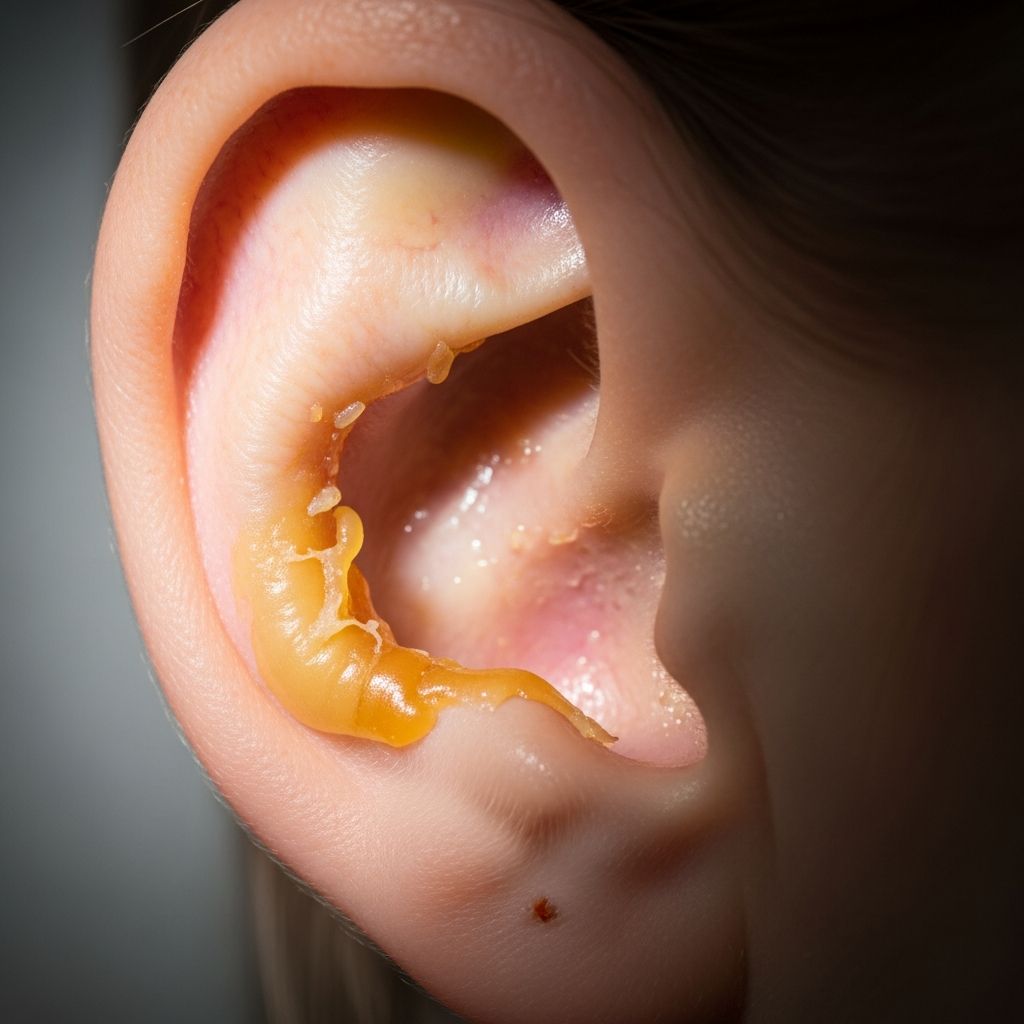
Earwax, or cerumen, plays a vital role in protecting the ear canal by trapping dust, bacteria, and other particles while lubricating the skin. However, when it accumulates excessively, it can lead to blockage, causing discomfort and impairing hearing. This guide explores the mechanisms behind earwax buildup, common symptoms, reliable removal techniques, and strategies for long-term prevention.
Understanding the Role of Earwax in Ear Health
The ear canal is a self-cleaning system where skin cells and wax migrate outward naturally, often falling away unnoticed during activities like chewing or washing. Glands in the ear canal produce this waxy substance to safeguard deeper structures like the eardrum from irritants and infections. In healthy ears, this process maintains balance without intervention.
Problems arise when wax hardens or collects faster than it exits, forming a plug known as cerumen impaction. This is common and affects people of all ages, though older adults face higher risks as wax becomes drier and less pliable with age.
Recognizing Symptoms of Excessive Earwax
Earwax buildup doesn’t always cause issues, but when it does, symptoms can mimic other ear conditions. Key indicators include:
- Gradual hearing loss or muffled sounds in one or both ears.
- A sensation of fullness or pressure, as if something is lodged inside.
- Ear pain or itchiness, sometimes accompanied by discharge or odor.
- Tinnitus, manifesting as ringing, buzzing, or humming noises.
- Dizziness or vertigo, leading to imbalance or nausea.
- Coughing, due to nerve connections stimulating the throat reflex.
These signs warrant attention, especially if they persist, as they may signal impaction or underlying issues like infections. A healthcare provider can differentiate wax buildup from other problems by examining the ear canal.
Factors Contributing to Earwax Accumulation
Several elements disrupt the ear’s natural cleaning process, leading to buildup. Common contributors include anatomical and lifestyle factors:
| Factor | Description | Risk Level |
|---|---|---|
| Narrow or irregular ear canals | Congenital narrowing, injury, or bone growths (osteomas) impede wax flow. | High |
| Excessive hair growth | Hair in the outer canal traps wax, common in older individuals. | Moderate |
| Skin conditions | Eczema, psoriasis, or dermatitis around the ear increases wax production. | Moderate |
| Infections or inflammation | Otitis externa (swimmer’s ear) or chronic infections prompt more protective wax. | High |
| Improper cleaning habits | Cotton swabs or earplugs push wax deeper instead of removing it. | Very High |
| Overproduction | Some people genetically produce more wax, overwhelming natural expulsion. | Variable |
Frequent ear infections or autoimmune conditions like lupus can exacerbate production, creating a cycle of buildup. Unlike popular belief, earwax color (gray, black, or brown) doesn’t indicate a problem unless symptoms appear.
Safe Home Remedies for Earwax Management
For mild cases, softening wax at home often resolves blockages without professional help. Follow these evidence-based steps:
- Oil drops: Use 2-3 drops of olive, almond (if no allergy), mineral, or baby oil. Lie on your side with the affected ear up, apply drops, and remain positioned for 5-10 minutes. Repeat 3-4 times daily for 3-5 days. Softened wax typically exits naturally within two weeks.
- Warm water irrigation: After softening, gently flush with body-temperature water using a bulb syringe. Avoid if you have a perforated eardrum or active infection.
- Over-the-counter drops: Products with carbamide peroxide or docusate sodium bubble and dissolve wax effectively.
Related Stories



Avoid cotton swabs, as they compact wax against the eardrum, risking injury. Ear candles and vacuums lack evidence and can cause burns or further impaction.
Professional Treatments for Stubborn Blockages
If home methods fail or symptoms intensify, seek expert care. General practitioners or audiologists offer:
- Microsuction: A gentle vacuum removes wax using a thin probe, ideal for precise extraction.
- Irrigation: Electronic devices flush wax with controlled water pressure, safe for most patients.
- Curettage: Small instruments scrape out hardened wax under magnification.
These procedures are quick, painless, and effective, often available at clinics or via referral. Private options exist if primary services are unavailable.
Preventing Recurrent Earwax Issues
Proactive habits reduce buildup risks:
- Wipe the outer ear gently; never insert objects inside.
- Use oil drops weekly if prone to impaction.
- Schedule professional cleanings every 6-12 months for high-risk individuals.
- Manage underlying conditions like eczema or frequent swimming with protective drops.
- Avoid earbuds or plugs that block the canal.
Children may need monitoring, as fingers or swabs commonly cause pediatric buildup.
When to Consult a Healthcare Professional
Don’t delay if you experience sudden hearing loss, severe pain, fever, discharge, or symptoms in both ears. These could indicate infection, eardrum damage, or other issues requiring urgent evaluation. Pregnant individuals, those with diabetes, or weakened immunity should seek prompt care.
Frequently Asked Questions (FAQs)
Is earwax buildup dangerous?
Rarely, but untreated impaction can lead to infections or temporary hearing loss. Early intervention prevents complications.
Can I use hydrogen peroxide for earwax?
Diluted solutions (3%) can soften wax, but consult a doctor first to avoid irritation.
How often should ears be cleaned?
Healthy ears self-clean; intervene only if symptomatic. Routine professional checks suffice for most.
Does age affect earwax problems?
Yes, older adults produce drier wax, increasing impaction likelihood.
Are there natural remedies besides oil?
Warm water rinses or glycerin work similarly by softening and flushing.
Long-Term Ear Health Strategies
Maintaining ear hygiene involves holistic approaches. Stay hydrated to keep wax moist, limit headphone use, and treat allergies promptly to minimize inflammation. For swimmers, alcohol-vinegar mixes post-swim prevent bacterial growth. Integrating these with regular check-ups ensures optimal auditory function throughout life.
References
- Earwax build-up – NHS — NHS. 2023-10-01. https://www.nhs.uk/conditions/earwax-build-up/
- Impacted Earwax — UMass Memorial Health. 2024-05-15. https://www.ummhealth.org/health-library/impacted-earwax
- Earwax Buildup — Seattle Children’s Hospital. 2024-02-20. https://www.seattlechildrens.org/conditions/a-z/earwax-buildup/
- Signs, causes and what to do about impacted earwax — HealthPartners. 2023-11-10. https://www.healthpartners.com/blog/impacted-earwax/
- Earwax blockage – Symptoms & causes — Mayo Clinic. 2024-08-05. https://www.mayoclinic.org/diseases-conditions/earwax-blockage/symptoms-causes/syc-20353004
- Earwax Blockage — Mayo Clinic Health System. 2024-01-12. https://www.mayoclinichealthsystem.org/locations/la-crosse/services-and-treatments/otorhinolaryngology/ear-conditions-and-treatment/earwax-blockage
- Earwax (Cerumen Impaction) — ENT Health. 2023-09-18. https://www.enthealth.org/conditions/earwax-cerumen-impaction/
Similar Articles








Read full bio of medha deb