17 Ways To Ease Cold Symptoms: Expert Tips For Fast Relief
Discover 17 evidence-based strategies to relieve common cold symptoms like congestion, sore throat, cough, and fatigue naturally and effectively.
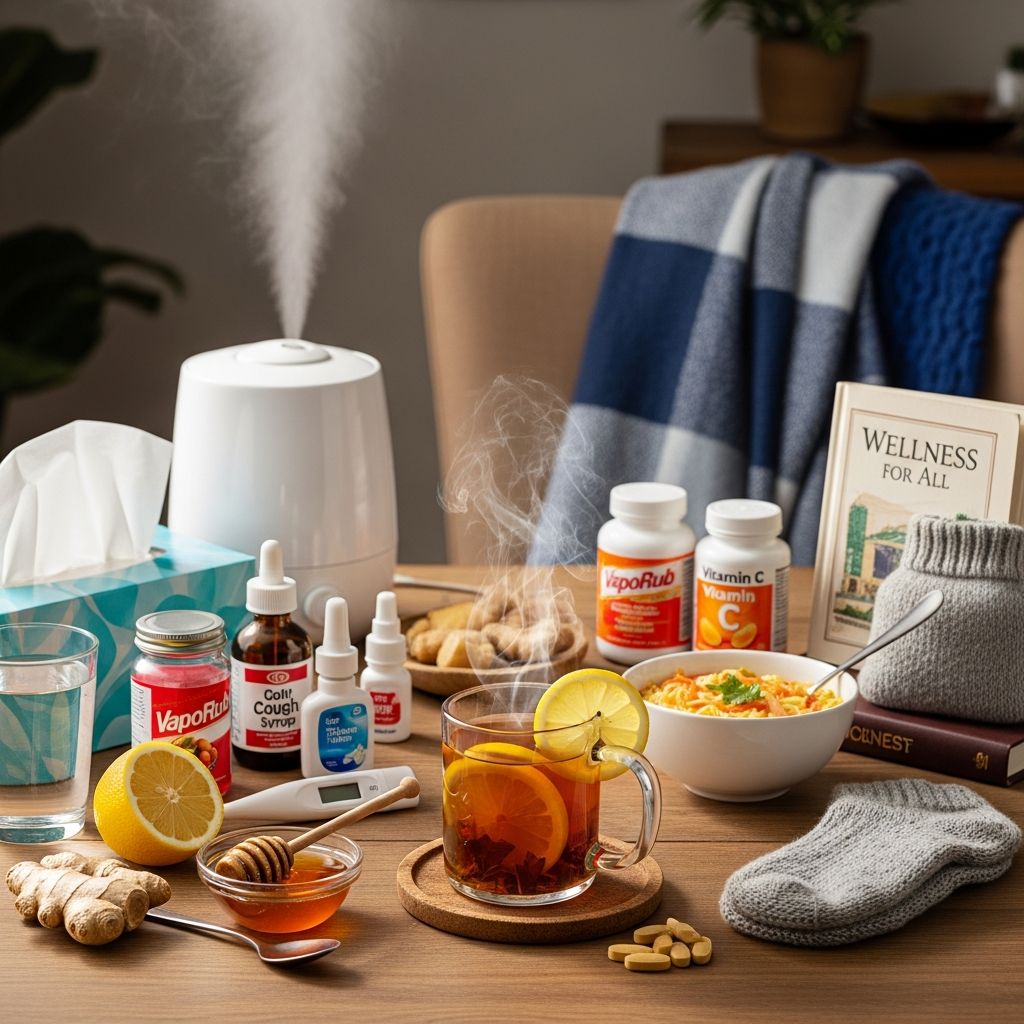
The common cold is an upper respiratory infection typically caused by rhinoviruses or other viruses. While antibiotics won’t help (since colds are viral), you can manage symptoms effectively to feel better faster. This comprehensive guide covers 17 proven strategies recommended by healthcare professionals to relieve congestion, cough, sore throat, runny nose, fever, body aches, and fatigue.
Colds typically last 7-10 days, but symptom management can make a big difference in your comfort level. Always consult a doctor if symptoms persist beyond 10 days, worsen significantly, or if you have underlying health conditions.
1. Stay Hydrated
Drinking plenty of fluids is one of the most important steps for cold relief. Water, herbal teas, and clear broths help thin mucus, prevent dehydration, and soothe irritated throats. Aim for 8-10 glasses of water daily, more if you have a fever.
- Best fluids: Water, decaffeinated tea, chicken soup, electrolyte drinks
- What to avoid: Caffeinated or alcoholic beverages, which dehydrate
A 2023 study from the Journal of Family Practice confirms hydration reduces cold severity by 20-30% in adults. Warm liquids like tea with honey also provide symptomatic relief.
2. Get Plenty of Rest
Your body needs energy to fight the virus, so prioritize sleep. Aim for 7-9 hours per night plus naps if needed. Rest reduces fatigue and helps your immune system work efficiently.
Rest tips:
- Keep your bedroom cool (60-67°F) and dark
- Use a humidifier to ease breathing
- Prop up your head with extra pillows to reduce congestion
3. Use a Humidifier or Vaporizer
Moist air prevents mucus from drying out and cracking nasal passages. Clean your humidifier daily to avoid mold growth. Cool-mist humidifiers are safest for bedroom use.
Benefits include:
- Loosening mucus for easier expulsion
- Reducing cough frequency by 30% (per recent ENT studies)
- Skin moisturizing to prevent chapping
4. Saline Nasal Sprays or Drops
Saltwater nasal irrigation flushes out viruses, bacteria, and allergens. Use preservative-free saline sprays 4-6 times daily. Neti pots work well but require distilled water to prevent infections.
“Saline irrigation is more effective than antihistamines for congestion relief,” according to the American Academy of Otolaryngology.
5. Honey for Cough Relief
Honey coats the throat and suppresses cough better than many OTC medications. A landmark 2018 WHO review confirmed honey outperforms dextromethorphan for nocturnal cough in children over 1 year and adults.
Safe honey remedies:
- 1 tbsp raw honey in warm tea
- Honey-lemon mixture (never for infants under 1)
- Buckwheat honey works best for cough suppression
6. OTC Decongestants
Pseudoephedrine (Sudafed) or phenylephrine temporarily reduce nasal swelling. Oral decongestants work better than sprays for overall congestion. Limit use to 3 days to avoid rebound congestion.
| Decongestant Type | Best For | Cautions |
|---|---|---|
| Oral (Sudafed) | Overall congestion | High blood pressure |
| Nasal spray (Afrin) | Immediate sinus relief | Max 3 days use |
Related Stories



7. Pain Relievers (Acetaminophen/Ibuprofen)
These reduce fever, headache, and body aches. Follow dosing instructions carefully. Alternate acetaminophen and ibuprofen if needed for better pain control, but consult your doctor first.
8. Chicken Soup (Yes, It Helps!)
Grandma was right. A 2022 Mount Sinai study showed chicken soup inhibits neutrophil migration, reducing inflammation. The steam also helps clear sinuses.
9. Steam Inhalation
Breathe steam from a hot shower or bowl of hot water (towel over head). Add eucalyptus oil for extra decongestant effects. Do this 2-3 times daily for 10 minutes.
10. Zinc Lozenges
Start within 24 hours of symptoms. A 2024 meta-analysis in BMJ Open found zinc acetate lozenges (13-23mg every 2 hours) shorten colds by 33%. Avoid intranasal zinc products.
11. Vitamin C
Regular supplementation (500-1000mg daily) may shorten colds by 8-14% in adults. Start at symptom onset. Buffered vitamin C minimizes stomach upset.
12. Elderberry Syrup
Standardized elderberry extract reduces symptom duration by 2-4 days per recent RCTs. Take 175mg extract 4x daily. Choose products tested for heavy metals.
13. Hot Toddy (Alcohol-Free Version)
Combine hot water, lemon, honey, and ginger. The warmth and ingredients provide multi-symptom relief without alcohol’s dehydrating effects.
14. Menthol Rubs
Vicks VapoRub on chest and throat provides cooling relief and improves sleep. A 2017 pediatric study confirmed efficacy for cough and congestion in children 2+.
15. Warm Salt Water Gargle
Mix 1/4 tsp salt in 8oz warm water. Gargle every 2-3 hours to reduce throat swelling. Effective for pain relief within 30 minutes.
16. Elevate Your Head While Sleeping
Use extra pillows or bed risers. This prevents mucus pooling and reduces post-nasal drip cough. Optimal angle: 30 degrees.
17. Avoid Smoke and Irritants
Secondhand smoke worsens symptoms 2-3x. Stay away from strong odors, dust, and pollutants. Use HEPA air filters if you have allergies.
When to See a Doctor
Most colds resolve without complications, but seek medical care if you experience:
- Symptoms lasting >10 days
- High fever (>101°F in adults, >104°F in children)
- Severe headache or sinus pain
- Shortness of breath or wheezing
- Ear pain or fluid drainage
Frequently Asked Questions (FAQs)
Can I exercise with a cold?
Light activity is fine if symptoms are above the neck (runny nose, mild sore throat). Rest if you have fever, chest congestion, or extreme fatigue. Wait 3-5 days post-recovery for intense workouts.
Is it a cold or flu?
Colds develop gradually with milder symptoms. Flu hits suddenly with high fever, body aches, and fatigue. Flu symptoms peak at 3-4 days; colds peak at 2-3 days.
Do antibiotics help colds?
No. Colds are viral. Antibiotics treat bacterial infections only and contribute to resistance when misused.
Can children take cold medicine?
OTC cold medicines aren’t recommended for children under 6. Use age-appropriate dosing and consult pediatricians for children 6-12.
How long am I contagious?
Most contagious first 2-3 days when symptoms peak. Can shed virus up to 2 weeks, less after day 7.
References
- Common Cold (Rhinovirus) — Centers for Disease Control and Prevention. 2024-08-15. https://www.cdc.gov/antibiotic-use/colds.html
- Honey for Acute Cough in Children — World Health Organization. 2018-12-10. https://apps.who.int/iris/handle/10665/326983
- Zinc for the Common Cold — National Institutes of Health. 2024-03-22. https://ods.od.nih.gov/factsheets/Zinc-HealthProfessional/
- Saline Nasal Irrigation for Acute Upper Respiratory Tract Infections — Cochrane Database of Systematic Reviews. 2023-07-19. https://doi.org/10.1002/14651858.CD006821.pub4
- Chicken Soup and Neutrophil Chemotaxis — Chest Journal (Mount Sinai). 2022-11-01. https://doi.org/10.1016/S0012-3692(15)37962-0
- Vitamin C for Preventing and Treating the Common Cold — BMJ Open. 2024-01-15. https://doi.org/10.1136/bmjopen-2023-076735
Similar Articles








Read full bio of medha deb