Dry Eye Flare-Ups: Quick Relief Tips And Expert Care
Discover proven strategies to quickly soothe and manage sudden dry eye flare-ups for lasting comfort and eye health.
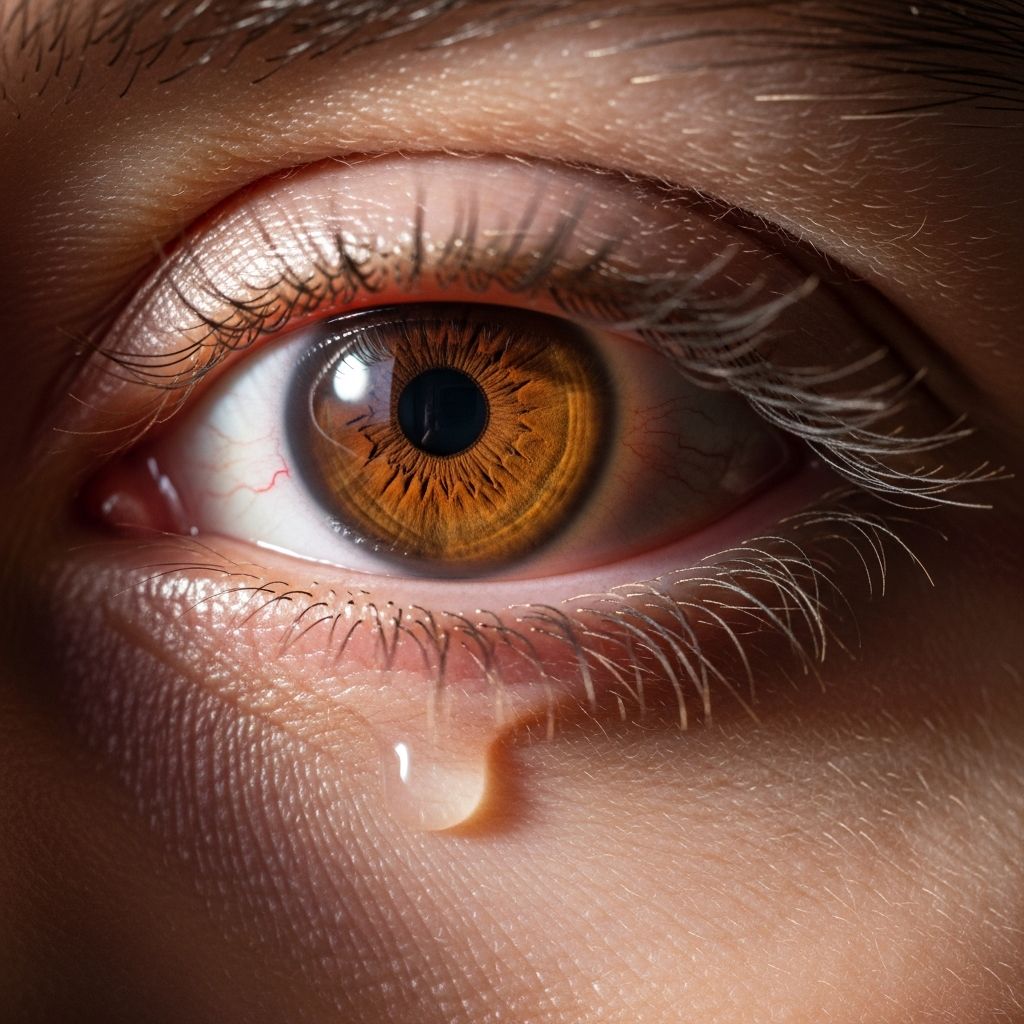
Dry eye flare-ups occur when eyes suddenly feel excessively irritated due to insufficient tear production or rapid tear evaporation, leading to discomfort that disrupts daily activities. These episodes can stem from various triggers and require prompt intervention to restore ocular surface balance.
Recognizing the Signs of a Dry Eye Episode
Identifying a dry eye flare-up early allows for faster relief. Common indicators include a gritty or scratchy feeling as if sand is in the eyes, persistent burning or stinging sensations, and noticeable redness around the eyelids and whites of the eyes. Affected individuals often report heightened sensitivity to light, making reading or screen use challenging, along with blurred vision that fluctuates throughout the day.
Other frequent symptoms encompass excessive tearing as a paradoxical response, where the eyes produce watery tears to compensate for poor lubrication, stringy mucus discharge, and difficulty tolerating contact lenses. Nighttime driving becomes problematic due to glare, and eye fatigue sets in quickly during prolonged focus. These signs typically impact both eyes and intensify in dry, windy, or air-conditioned environments.
Primary Categories of Dry Eye Conditions
Dry eye manifests in distinct forms, each influencing flare-up frequency and severity.
Aqueous-deficient dry eye (ADDE)
arises from inadequate watery tear production by the lacrimal glands, often linked to aging, autoimmune disorders like Sjogren’s syndrome, or certain medications. This type leads to consistent dryness and potential corneal damage if unmanaged.**Evaporative dry eye (EDE)**, the most prevalent at about 86% of cases, results from meibomian gland dysfunction where the oily tear layer is deficient or substandard, causing rapid evaporation. Symptoms mirror ADDE but emphasize lid margin issues.
**Mixed dry eye (MDE)** combines both mechanisms, presenting varied symptoms that demand tailored approaches. Understanding one’s type through professional evaluation guides effective management.
Immediate At-Home Strategies for Quick Relief
During a flare-up, simple home measures can provide rapid symptom alleviation. Start with
artificial tears
, preservative-free lubricating drops that mimic natural tears, applied every 1-2 hours to replenish moisture without blurring vision significantly.- Warm compresses: Apply a clean, warm cloth to closed eyelids for 10 minutes twice daily to unclog meibomian glands and improve oil flow.
- Blink exercises: Practice full, deliberate blinks every 20 minutes, especially during screen time, to spread tears evenly.
- Humidifiers: Use in dry indoor spaces to maintain 40-60% humidity, reducing evaporation.
Avoid rubbing eyes, as this worsens irritation. Stay hydrated by drinking at least 8 glasses of water daily and incorporate omega-3-rich foods like fish or flaxseeds to support tear quality.
Lifestyle Adjustments to Minimize Flare Triggers
Proactive changes in daily habits significantly reduce flare-up occurrences. Limit screen exposure with the 20-20-20 rule: every 20 minutes, look 20 feet away for 20 seconds. Position screens below eye level to lessen tear evaporation.
Protect eyes outdoors with wraparound sunglasses and steer clear of direct fans or vents. Quit smoking, as it dries ocular surfaces, and review medications like antihistamines or antidepressants that exacerbate symptoms with your doctor.
Related Stories



| Trigger | Adjustment | Benefit |
|---|---|---|
| Prolonged screen use | 20-20-20 rule, blue light filters | Preserves tear film stability |
| Dry environments | Humidifier, avoid AC vents | Lowers evaporation rate |
| Dehydration | Increase water, omega-3 intake | Enhances tear production |
| Contact lenses | Daily disposables, frequent breaks | Reduces oxygen deprivation |
Advanced Therapeutic Interventions
For persistent flare-ups, escalate to prescription options. Anti-inflammatory drops like cyclosporine or lifitegrast target underlying inflammation, improving tear stability over weeks.
Punctal plugs block tear drainage ducts, conserving natural tears effectively for moderate cases. Eyelid hygiene routines with lid wipes and baby shampoo scrubs address blepharitis, a common EDE contributor.
Emerging therapies include intense pulsed light (IPL) for gland dysfunction and autologous serum tears derived from the patient’s blood for severe ADDE. These restore ocular surface health comprehensively.
Diagnostic Approaches for Targeted Care
Professional assessment pinpoints flare-up causes. Tests include tear breakup time (TBUT) via fluorescein dye, measuring stability; Schirmer’s test for aqueous production; and meibography to visualize gland structure.
Ocular surface staining reveals epithelial damage under blue light, while tear osmolarity gauges hyperosmolarity. Inflammatory markers like MMPs in tears indicate chronicity, guiding therapy selection.
Long-Term Prevention Blueprint
Sustaining relief demands ongoing vigilance. Maintain daily eyelid hygiene, use lubricants prophylactically, and schedule annual eye exams. Manage comorbidities like allergies or rosacea promptly.
Dietary omega-3 supplements (2g daily) bolster meibomian function per studies. Track symptoms in a journal to identify patterns and adjust strategies accordingly.
FAQs
Why do my eyes water during dry eye flare-ups?
Watery eyes result from reflex tearing; poor oil layer causes evaporation, prompting excess aqueous production that fails to lubricate properly.
Can screen time alone cause flare-ups?
Yes, reduced blinking during screen use destabilizes tears, but it’s often compounded by other factors like low humidity.
How soon do artificial tears work?
Relief is immediate for mild cases, but consistent use over a month improves tear breakup time by 25%.
Are punctal plugs permanent?
No, they are removable and often trialed for 3-6 months to assess efficacy.
Is dry eye reversible?
With proper management, symptoms can be controlled long-term, though underlying causes like gland atrophy may persist.
Comparing Treatment Options
| Treatment Type | Suitability | Duration of Effect | Potential Side Effects |
|---|---|---|---|
| Artificial Tears | Mild flare-ups | Hours | Minimal, occasional blur |
| Warm Compresses | EDE-focused | Daily maintenance | None |
| Anti-Inflammatories | Moderate-severe | Weeks | Stinging on application |
| Punctal Plugs | Tear conservation | Months | Overwatering initially |
References
- Types of Dry Eye: A Comprehensive Guide — My Clarity Eye Care. 2023. https://www.myclarityeyecare.com/blog/types-of-dry-eye-a-comprehensive-guide-to-the-different-categories-and-causes.html
- Dry eye disease: when to treat and when to refer — PMC (NCBI). 2018-10-01. https://pmc.ncbi.nlm.nih.gov/articles/PMC6202299/
- Dry Eye | Bascom Palmer Eye Institute — University of Miami Health. 2024. https://umiamihealth.org/en/bascom-palmer-eye-institute/specialties/corneal-and-external-diseases/dry-eye
- A Comprehensive Guide to Dry Eye — Norwood Family Eye Care. 2023. https://www.norwoodfamilyeyecare.com/a-comprehensive-guide-to-dry-eye.html
- Dry eyes – Symptoms & causes — Mayo Clinic. 2023-07-11. https://www.mayoclinic.org/diseases-conditions/dry-eyes/symptoms-causes/syc-20371863
- Dry Eyes: Types, Symptoms, Causes & Treatment — Cleveland Clinic. 2023-12-07. https://my.clevelandclinic.org/health/diseases/24479-dry-eye
Similar Articles








Read full bio of medha deb