Easing Kids’ Anxiety: Mastering Eczema Care
Discover proven strategies to help children overcome eczema-related anxiety and embrace effective treatment routines with confidence.
Eczema, or atopic dermatitis, affects millions of children, causing itchy, inflamed skin that disrupts daily life. Beyond physical discomfort, it often triggers anxiety, especially around treatment routines. This article explores practical ways to help kids aged 4-12 navigate these challenges, blending medical treatments with psychological strategies for lasting relief.
Understanding the Link Between Eczema and Childhood Anxiety
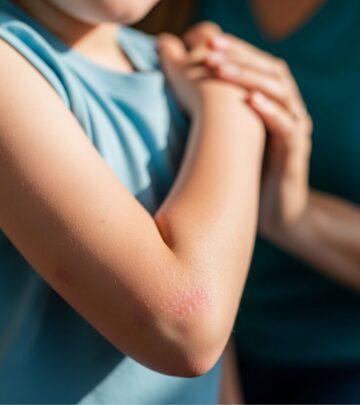
Atopic dermatitis in children frequently leads to emotional distress. Itching and visible rashes can cause embarrassment, sleep issues, and fear of flares, heightening anxiety. Studies show psychological symptoms like worry and low mood are common, exacerbating skin symptoms in a vicious cycle.
Triggers such as stress from school or changes in routine worsen flares. For instance, emotional tension can intensify scratching, leading to more irritation. Recognizing this connection is key to holistic management.
- Itch-scratch cycle: Anxiety prompts scratching, which damages skin barriers.
- Social impact: Rashes may lead to self-consciousness during play or sports.
- Sleep disruption: Nighttime itching prevents rest, increasing irritability.
Building a Strong Foundation with Medical Treatments
Effective eczema control starts with standard care. Daily moisturizing with thick emollients prevents dryness, while topical corticosteroids reduce inflammation during flares.
Antihistamines aid sleep by curbing nighttime itch, and calcineurin inhibitors offer steroid-sparing options. Avoiding triggers like harsh soaps, wool fabrics, or allergens is crucial.
| Treatment Type | Purpose | Application Tips for Kids |
|---|---|---|
| Emollients | Hydrate skin | Apply twice daily, especially post-bath |
| Corticosteroids | Reduce swelling/itch | Use thinly on affected areas; short-term |
| Antihistamines | Control itch/sleep | Bedtime dosing to avoid drowsiness |
| Calcineurin inhibitors | Non-steroid anti-inflammatory | For sensitive areas like face |
Immunomodulators or phototherapy may be needed for severe cases, always under pediatric guidance.
Psychological Tools to Break the Anxiety Cycle
Integrating behavioral interventions enhances medical care. Brief self-help programs using cognitive-behavioral techniques reduce scratching and anxiety in children.
Habit-reversal training teaches kids to recognize urges and substitute with actions like squeezing a stress ball. Mindfulness and stress reduction lower itch perception.
- Cognitive reframing: Shift negative thoughts, e.g., “My skin itches, but I can cool it with lotion.”
- Guided imagery: Visualize calming scenes like ocean waves to distract from itch.
- Relaxation exercises: Deep breathing or progressive muscle relaxation before bed.
Hypnotherapy and music therapy show promise; “magic music” recordings improved symptoms and mood in trials.
Family Involvement: Creating Supportive Routines
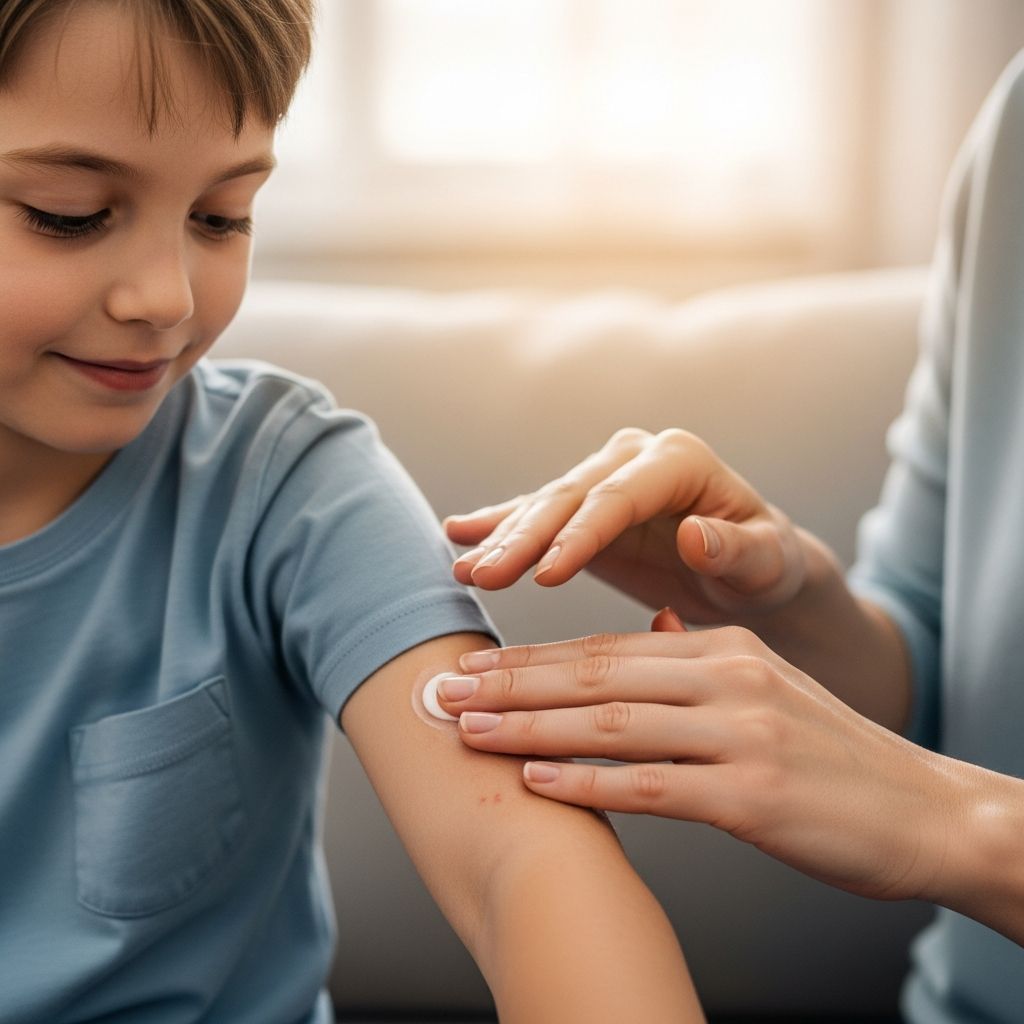
Parents play a pivotal role. Involve kids in skincare to foster ownership, turning routines into games like “lotion races.” Prepare anxiety action plans for outings, packing creams in advance.
Positive language models resilience: “We’ll handle this together.” Encourage physical activity, healthy eating, and family time to build stress buffers.
Related Stories



Monitor for anxiety signs like withdrawal or perfectionism about skin. Short nails prevent damage from unconscious scratching.
Advanced Strategies: From Massage to Multidisciplinary Care
Massage therapy desensitizes skin, reducing touch aversion. Combine with aromatherapy for relaxation. Educational programs in groups teach coping, showing modest severity improvements.
For persistent cases, multidisciplinary approaches unite dermatologists, psychologists, and families. Pilot studies confirm self-help packets are feasible in clinics.
Daily Habits for Long-Term Success
Consistency is vital. Gentle bathing with fragrance-free cleansers, followed by moisturizer within three minutes, locks in hydration.
- Wash with lukewarm water.
- Pat dry gently.
- Apply ointment thickly.
- Dress in cotton layers.
Track flares in a journal to spot patterns, empowering kids with data.
Overcoming Common Challenges in Treatment Adherence
Kids resist greasy ointments or remember doses. Use fun dispensers or timers. Praise efforts to reinforce habits.
Socially, normalize eczema: Share stories of peers thriving. School plans ensure accommodations like extra lotion breaks.
Frequently Asked Questions (FAQs)
Can stress alone cause eczema flares in kids?
Yes, stress amplifies symptoms via immune responses and scratching.
How quickly do behavioral techniques work?
Improvements in itch and anxiety appear within weeks, per studies.
Are over-the-counter remedies safe for children?
Some antihistamines are, but consult a doctor for age-appropriate dosing.
What if standard treatments fail?
Seek specialist input for advanced options like biologics or therapy.
How to discuss eczema with school?
Provide a care plan outlining needs without overemphasizing.
Monitoring Progress and When to Seek Help
Use validated scales for severity and anxiety. Celebrate small wins to boost confidence. Consult professionals if anxiety persists or impacts daily function.
Holistic care transforms eczema from a burden to a manageable part of life, helping kids thrive emotionally and physically.
References
- Behavioral Self-Help Intervention for Pediatric Atopic Dermatitis — ClinicalTrials.gov. 2016-04-20. https://clinicaltrials.gov/study/NCT02713035
- Alternative Psychotherapeutic Approaches to the Treatment of Eczema — PMC/NCBI. 2022-12-01. https://pmc.ncbi.nlm.nih.gov/articles/PMC9760032/
- Pediatric Eczema (Atopic Dermatitis) — Children’s National Hospital. 2024-01-15. https://www.childrensnational.org/get-care/health-library/eczema-atopic-dermatitis
- Stress & Eczema: How to Help Kids Cope — American Academy of Pediatrics. 2023-05-10. https://www.healthychildren.org/English/health-issues/conditions/skin/Pages/stress-and-eczema-atopic-dermatitis-how-to-help-kids-cope-with-the-itch.aspx
- Tips to Help Kids Cope with Emotional Challenges of Eczema — YouTube/National Eczema Association. 2023-08-15. https://www.youtube.com/watch?v=VA5Wz2mG9c8
Similar Articles








Read full bio of medha deb