Easy 3-Step High-Fiber Vegetarian Dinner Recipes
Whip up nutritious vegetarian dinners in just 3 simple steps with these high-fiber recipes that support digestion and heart health.
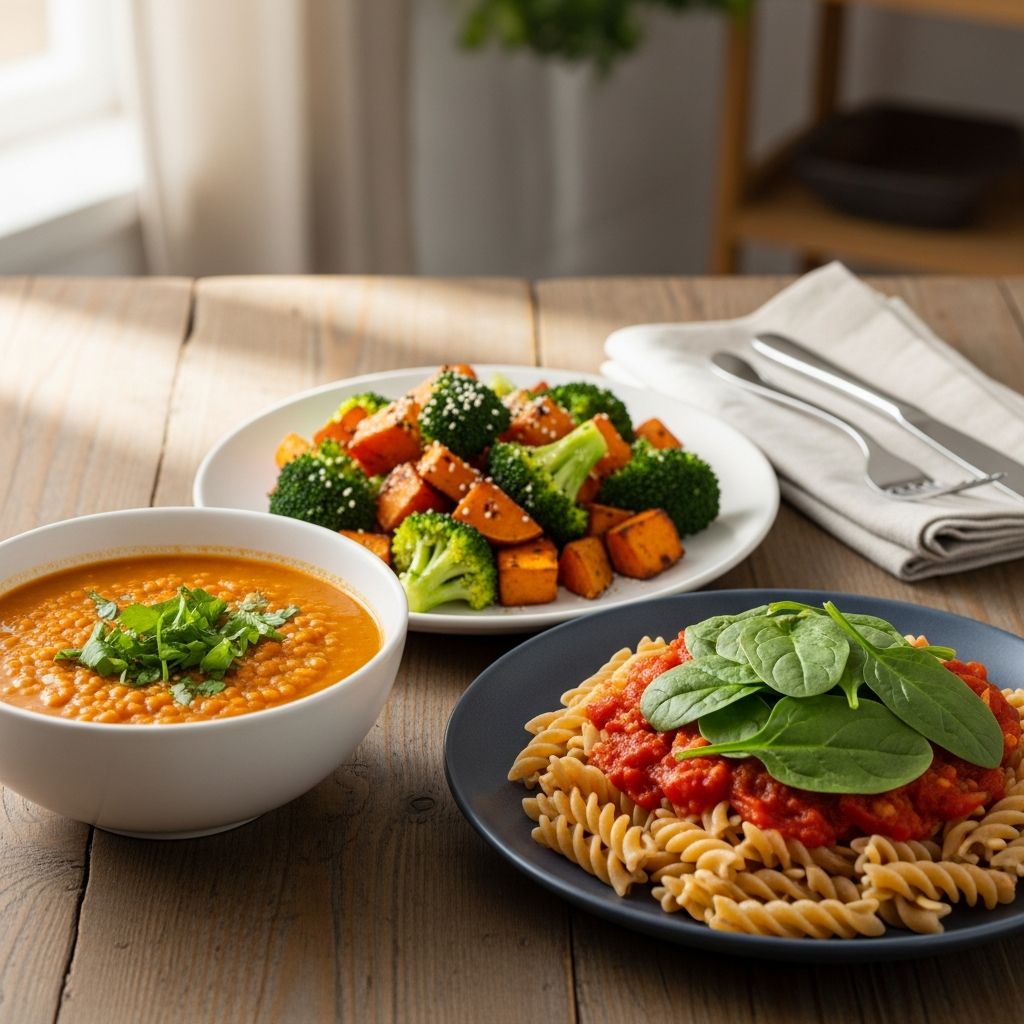
High-fiber diets are essential for digestive health, heart disease prevention, and sustained energy. The 2020-2025 Dietary Guidelines for Americans recommend 14 grams of fiber per 1,000 calories consumed, yet most adults fall short at just 15 grams daily versus the advised 25-38 grams. These 30 vegetarian recipes deliver 8+ grams of fiber per serving, using simple ingredients like beans, lentils, whole grains, and vegetables. Each requires only three steps and cooks in 30 minutes or less—perfect for busy weeknights.
Why High-Fiber Vegetarian Meals?
Fiber-rich plant-based dinners promote satiety, stabilize blood sugar, and lower cholesterol. A 2022 meta-analysis in The Lancet linked high-fiber intake (>25g/day) to a 15-30% reduced risk of cardiovascular disease and type 2 diabetes. Vegetarian sources excel here: black beans provide 15g fiber per cup, broccoli offers 5g per cup, and quinoa delivers 5g per cooked cup. These recipes minimize processed foods, emphasizing whole plants for maximum nutrition.
One-Pot Chickpea & Cabbage Stew
Active Time: 15 mins | Total Time: 30 mins | Servings: 4 | Fiber: 12g
This hearty stew combines chickpeas’ protein with cabbage’s crunch for a comforting, fiber-packed meal. Turmeric adds anti-inflammatory benefits supported by NIH research on curcumin.
- Ingredients: 2 tbsp olive oil, 1 large onion (sliced), 3 garlic cloves (sliced), 1 tbsp grated ginger, 1 tbsp ground turmeric, ½ tsp salt, 1 (15 oz) can chickpeas (rinsed), 8 cups chopped cabbage, 4 cups low-sodium vegetable broth, ½ cup chopped fresh cilantro
- Heat oil in a large pot over medium heat. Add onion, garlic, ginger, turmeric, and salt; cook, stirring, until softened, 3-5 minutes.
- Add chickpeas, cabbage, and broth; bring to boil. Reduce heat, cover, simmer until tender, 15-20 minutes.
- Remove from heat; stir in cilantro. Serve hot.
Vegetarian Tostadas
Active Time: 15 mins | Total Time: 15 mins | Servings: 4 | Fiber: 10g
Crispy tostadas layered with refried beans, avocado, and pickled onions create a fresh, no-cook dinner. Beans provide prebiotic fiber for gut health per USDA data.
- Ingredients: 1 cup thinly sliced red onion, ¼ cup lime juice, 1 (15 oz) can refried beans, 4 tostada shells, 1 avocado (diced), ½ cup crumbled queso fresco, ¼ cup chopped cilantro, lime wedges
- Combine onion and lime juice in a bowl; let stand 10 minutes.
- Spread beans on tostadas; top with avocado, cheese, cilantro, and pickled onions.
- Serve with lime wedges.
Chickpea Curry with Spinach
Active Time: 20 mins | Total Time: 25 mins | Servings: 4 | Fiber: 11g
Coconut milk and curry powder transform chickpeas and spinach into a creamy dish. Spinach contributes insoluble fiber for bowel regularity.
- Ingredients: 2 tbsp olive oil, 1 onion (chopped), 3 garlic cloves (minced), 1 tbsp grated ginger, 2 tbsp curry powder, 1 (15 oz) can chickpeas, 1 (15 oz) can crushed tomatoes, 1 (14 oz) can coconut milk, 8 cups spinach, salt
- Heat oil; cook onion, garlic, ginger, curry powder 4 minutes. Add chickpeas, tomatoes, coconut milk; simmer 10 minutes.
- Stir in spinach until wilted, 2 minutes. Season with salt.
- Serve over rice if desired.
Broccoli Fried Rice
Active Time: 20 mins | Total Time: 20 mins | Servings: 4 | Fiber: 9g
Brown rice and broccoli deliver whole-grain fiber in this quick stir-fry. Eggs add protein for a balanced vegetarian meal.
Related Stories



- Ingredients: 2 tbsp sesame oil, 4 cups broccoli florets, 2 large eggs (beaten), 1 bunch scallions (chopped), 3 tbsp reduced-sodium soy sauce, 2 tbsp lime juice, 1 tbsp chili-garlic sauce, 4 cups cooked brown rice
- Heat 1 tbsp oil; cook broccoli 5 minutes. Push aside; scramble eggs, 1 minute. Add scallions.
- Mix soy sauce, lime juice, chili-garlic sauce. Add rice; cook 3 minutes.
- Combine and serve.
More 3-Step High-Fiber Recipes
These additional recipes follow the same simple format, each hitting 8g+ fiber:
- Lentil Soup: Sauté veggies, add lentils and broth, simmer. (13g fiber)
- Quinoa Stuffed Peppers: Cook quinoa with beans, stuff peppers, bake briefly. (11g)
- Black Bean Quesadillas: Mash beans with spices, fill tortillas, cook. (10g)
- Vegetable Stir-Fry with Tofu: Sauté tofu and veggies, add sauce, serve over barley. (12g)
- Sweet Potato & Kale Hash: Roast potatoes, wilt kale, top with nuts. (14g)
Nutrition Tips for High-Fiber Eating
Increase fiber gradually to avoid bloating—add 5g weekly while drinking 8+ cups water daily, per Mayo Clinic guidelines. Pair soluble fibers (oats, beans) with insoluble (veggies, whole grains) for optimal benefits. Track intake using USDA’s FoodData Central database.
| Fiber Source | Fiber per Serving | Health Benefit |
|---|---|---|
| Chickpeas (1 cup cooked) | 12.5g | Lowers LDL cholesterol |
| Broccoli (1 cup) | 5g | Supports gut motility |
| Quinoa (1 cup cooked) | 5g | Stabilizes blood sugar |
| Lentils (1 cup cooked) | 15.6g | Promotes fullness |
Frequently Asked Questions (FAQs)
Why choose high-fiber vegetarian dinners?
They support digestion, heart health, and weight control with plant power—backed by Dietary Guidelines recommending 25g+ daily.
Can beginners make these recipes?
Yes! Three steps max, common ingredients, no fancy tools needed. Prep time under 20 minutes each.
How to store leftovers?
Refrigerate up to 4 days in airtight containers. Reheat on stovetop with a splash of broth to restore texture.
Are these recipes gluten-free?
Most are; swap soy sauce for tamari in rice/stir-fries. Always check labels for cross-contamination.
Can I meal-prep these?
Absolutely—make 4 servings Sunday for grab-and-go lunches. Fiber holds up well.
References
- Dietary Guidelines for Americans, 2020-2025 — U.S. Department of Agriculture and HHS. 2020-12-01. https://www.dietaryguidelines.gov/sites/default/files/2020-12/Dietary_Guidelines_for_Americans_2020-2025.pdf
- Carbohydrate quality and human health: a series of systematic reviews and meta-analyses — Reynolds A et al., The Lancet. 2022-09-14. https://pubmed.ncbi.nlm.nih.gov/36138811/
- FoodData Central — USDA Agricultural Research Service. 2024-01-15. https://fdc.nal.usda.gov/
- Dietary Fiber: Essential for a Healthy Diet — Mayo Clinic. 2023-11-07. https://www.mayoclinic.org/healthy-lifestyle/nutrition-and-healthy-eating/in-depth/fiber/art-20043983
- High-Fiber Foods Recommendations — NIH National Institute of Diabetes and Digestive and Kidney Diseases. 2024-05-20. https://www.niddk.nih.gov/health-information/diet-nutrition/dietary-fiber
Similar Articles








Read full bio of medha deb