Easy High-Protein Sheet Pan Dinner Recipes
Discover effortless high-protein sheet pan dinners that are nutritious, delicious, and quick to prepare.
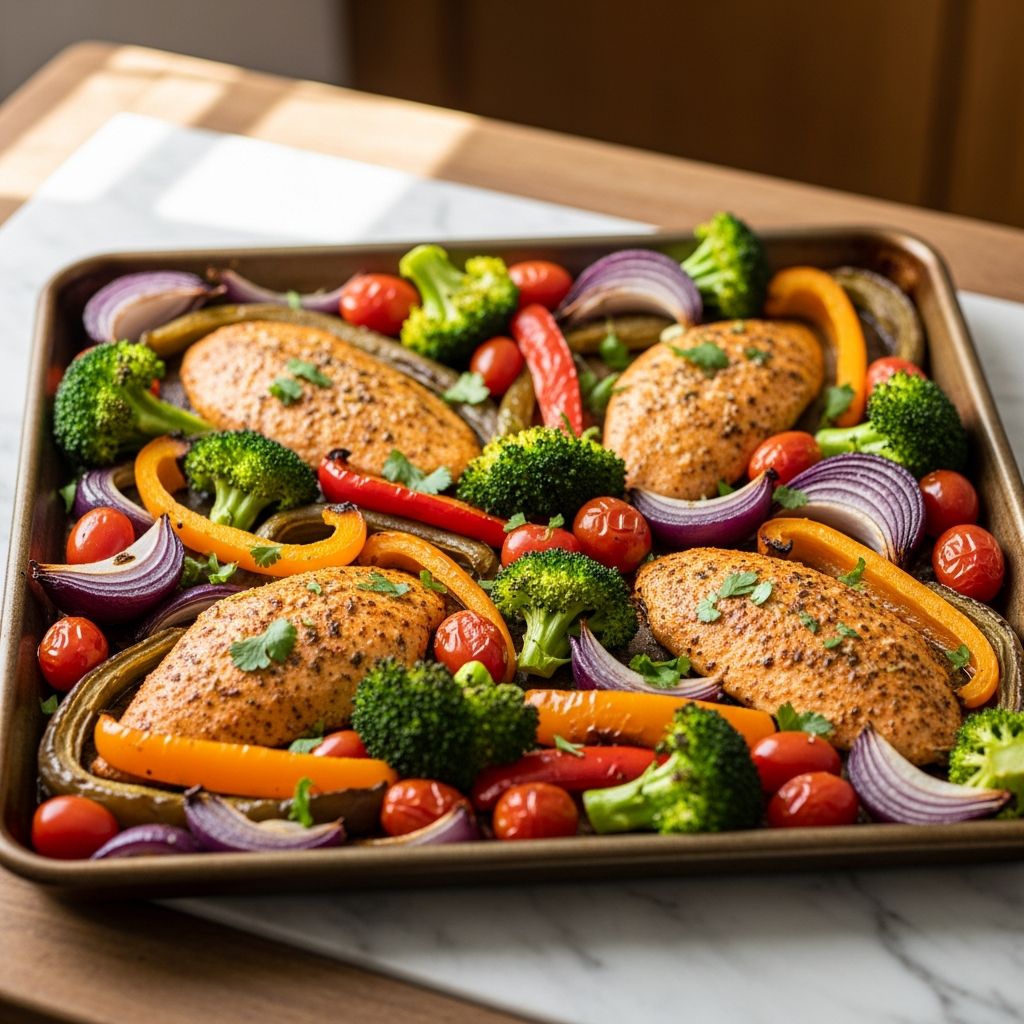
Busy weeknights often leave little time for elaborate meal preparation, yet the desire to eat nutritiously remains constant. Sheet pan dinners offer the perfect solution, combining protein-rich ingredients with vegetables for complete, balanced meals that require minimal cleanup. These versatile recipes are designed to simplify your cooking routine while ensuring you meet your daily protein requirements. Whether you’re following a specific dietary goal or simply looking to streamline your dinner preparation, high-protein sheet pan meals deliver both convenience and nutrition in one hassle-free package.
Why Choose Sheet Pan Dinners?
Sheet pan dinners represent a modern approach to meal preparation that addresses common cooking challenges. By utilizing a single baking sheet, you can prepare an entire meal—protein, vegetables, and seasonings—simultaneously. This cooking method offers several compelling advantages for today’s busy households:
- Time Efficiency: Preparation and cooking typically take 30 minutes or less, making these meals ideal for weeknight dinners.
- Minimal Cleanup: Using one pan significantly reduces the number of dishes to wash, saving time and effort after the meal.
- Versatile Ingredients: Sheet pan dinners accommodate various proteins, vegetables, and seasonings, allowing customization based on preferences and dietary needs.
- Consistent Cooking: Everything cooks evenly on the same pan at the same temperature, ensuring all components reach optimal doneness simultaneously.
- Meal Prep Friendly: Many sheet pan recipes can be prepared in advance and reheated throughout the week for convenient meal planning.
- Balanced Nutrition: The combination of protein and vegetables in a single dish naturally creates nutritionally complete meals.
Understanding Protein Requirements and Benefits
Protein serves as an essential macronutrient crucial for building and maintaining muscle tissue, supporting immune function, and regulating metabolism. The recommended dietary allowance for protein is approximately 0.8 grams per kilogram of body weight for sedentary adults, though active individuals may require higher amounts. High-protein meals provide sustained energy, reduce hunger between meals, and support weight management goals by increasing satiety.
Incorporating high-protein sheet pan dinners into your meal rotation ensures you consistently meet protein needs while enjoying satisfying, delicious meals. The variety of protein sources available—from poultry and fish to lean beef and plant-based options—means you’ll never tire of these convenient dinners.
Popular High-Protein Sheet Pan Dinner Ideas
Herb-Roasted Chicken with Vegetables
This classic sheet pan dinner combines boneless, skinless chicken breasts with seasonal vegetables like broccoli, bell peppers, and zucchini. Toss everything with olive oil, garlic, and Italian herbs, then roast at 425°F for approximately 20-25 minutes until the chicken reaches a safe internal temperature. This recipe provides substantial protein from the chicken while the vegetables add fiber, vitamins, and minerals. The natural juices from the chicken flavor the vegetables during cooking, creating a cohesive, delicious meal without additional sauces.
Sheet Pan Salmon with Asparagus and Lemon
Salmon stands out as an excellent protein source rich in omega-3 fatty acids, which support heart and brain health. Arrange salmon fillets on a sheet pan alongside fresh asparagus spears, then drizzle with lemon juice, garlic, and olive oil. The combination of salmon and asparagus creates a light yet satisfying meal that cooks in approximately 15 minutes at 400°F. This recipe works particularly well for those seeking quick dinners without sacrificing nutritional value or sophisticated flavors.
Beef and Vegetable Sheet Pan Fajitas
For those preferring beef, sheet pan fajitas offer a satisfying, protein-packed option. Slice lean beef sirloin into strips and combine with bell peppers, onions, and cilantro. Season with cumin, chili powder, and lime juice, then roast until the beef reaches desired doneness. Serve with whole wheat tortillas, Greek yogurt, and salsa for a complete meal. This recipe showcases how sheet pan dinners can replicate favorite restaurant dishes at home with superior control over ingredients and sodium content.
Shrimp and Vegetable Sheet Pan Stir-Fry Style
Shrimp provides lean protein that cooks quickly, making it ideal for sheet pan preparations. Combine shrimp with broccoli, snap peas, and carrots, then season with ginger, garlic, and low-sodium soy sauce. Roast at 450°F for 10-12 minutes, creating a stir-fry style meal without the constant stirring required on the stovetop. This option appeals to those seeking variety in their protein sources while maintaining short cooking times.
Related Stories



Turkey Meatball and Vegetable Sheet Pan
Ground turkey offers a lean alternative to beef, making it perfect for high-protein sheet pan dinners. Form seasoned ground turkey into meatballs and arrange on a sheet pan with cherry tomatoes, zucchini, and red onion. Drizzle with a simple tomato-based sauce and herbs, then bake until the meatballs cook through. This recipe provides flexibility for customization and works well for those following various dietary approaches, including paleo and Mediterranean diets.
Essential Tips for Sheet Pan Dinner Success
Preparation Strategy
Successful sheet pan dinners begin with proper preparation. Cut vegetables into uniform sizes to ensure even cooking—this typically means pieces approximately the same diameter as your protein source. Pat proteins dry before arranging on the pan, as moisture can inhibit browning and create steam rather than the desired roasting effect. Arrange ingredients strategically, placing denser vegetables closer to the heat source when using the bottom oven rack.
Seasoning and Flavoring
While simplicity characterizes sheet pan cooking, proper seasoning elevates the final dish significantly. Invest in quality salt, pepper, and fresh or dried herbs that complement your chosen proteins. Garlic, lemon juice, and quality olive oil form the foundation for countless variations. Consider marinades or flavor combinations from different cuisines—Mediterranean, Asian, Mexican, or Middle Eastern—to prevent monotony in your weekly meal rotation.
Pan Selection and Arrangement
Using heavy-duty sheet pans or rimmed baking sheets prevents warping and ensures even heat distribution. Line pans with parchment paper for simplified cleanup and to prevent sticking, though lightly oiling the pan works equally well. Arrange ingredients in a single layer, avoiding crowding, which prevents proper browning and creates steam instead of the desired roasted exterior. If your pan feels crowded, use two pans rather than overlapping ingredients.
Temperature and Timing Considerations
Most sheet pan dinners cook between 375°F and 450°F, depending on the recipe and ingredients. Higher temperatures create better browning and caramelization, while lower temperatures work better for delicate items like fish. Always check that proteins reach safe internal temperatures: 165°F for poultry, 145°F for fish, and 160°F for ground meats. These guidelines ensure food safety while maintaining optimal flavor and texture.
Nutritional Benefits of Sheet Pan Dinners
Sheet pan dinners naturally promote balanced nutrition by combining proteins with vegetables in appropriate proportions. A typical serving provides 25-35 grams of protein from the main protein source, along with abundant fiber from vegetables, supporting digestive health and sustained energy levels. The cooking method preserves heat-sensitive nutrients, particularly in lightly cooked vegetables, compared to extended cooking times required for other methods. By controlling added fats and sodium levels, you maintain nutritional goals while enjoying satisfying, delicious meals.
Storage and Meal Prep Strategies
Sheet pan dinners store exceptionally well in refrigerators for 3-4 days, making them ideal for meal preparation strategies. Portion completed meals into airtight containers for convenient grab-and-go lunches or quick dinners throughout the week. Most sheet pan meals reheat effectively in a 350°F oven for 10-15 minutes, or in microwave intervals, maintaining quality better than many alternative meal prep options. Some recipes freeze well for up to three months, providing options for future quick meals.
Frequently Asked Questions
Q: Can I prepare sheet pan dinners ahead of time?
A: Yes, you can assemble ingredients on the sheet pan several hours in advance and refrigerate until ready to bake. However, avoid adding the protein if doing this more than 2-3 hours ahead, as it can dry out. Add proteins 15-20 minutes before cooking for best results.
Q: What’s the best way to ensure vegetables don’t overcook?
A: Cut vegetables into uniform sizes so they cook at similar rates. Harder vegetables like potatoes and carrots should be cut smaller than softer vegetables like zucchini and bell peppers. Add more delicate vegetables to the pan 10-15 minutes into cooking if necessary.
Q: Can I use frozen vegetables for sheet pan dinners?
A: Absolutely. Frozen vegetables work well and often cost less than fresh options. Add an extra 5-10 minutes to the cooking time since they start from a frozen state. Pat them dry if possible to reduce excess moisture.
Q: How do I prevent proteins from drying out on the sheet pan?
A: Don’t overcook—use a meat thermometer to check doneness rather than relying on appearance. Pat proteins dry before cooking, and avoid crowding the pan. Coating with a light layer of oil or sauce also helps retain moisture.
Q: Are sheet pan dinners suitable for specific diets?
A: Sheet pan dinners adapt easily to various dietary approaches including keto, paleo, Mediterranean, and vegan diets. Choose appropriate proteins and vegetables, and adjust seasoning to match your dietary preferences.
Q: Can I cook multiple sheet pans simultaneously in my oven?
A: Most ovens can accommodate two standard sheet pans simultaneously, though you may need to adjust racks and cooking time slightly. Rotate pans halfway through cooking for even results.
References
- Dietary Reference Intakes (DRI) — National Academies of Sciences, Engineering, and Medicine. 2024. https://nationalacademies.org/topics/dietary-reference-intakes
- Dietary Guidelines for Americans 2020-2025 — U.S. Department of Agriculture and U.S. Department of Health and Human Services. 2020. https://www.dietaryguidelines.gov
- Food Safety: Safe Internal Temperature Chart — U.S. Department of Agriculture Food Safety and Inspection Service. 2024. https://www.fsis.usda.gov/food-safety/safe-food-handling-and-preparation/cook-safely
- Omega-3 Fatty Acids: An Essential Contribution to Normal Growth and Development — National Institutes of Health, Office of Dietary Supplements. 2024. https://ods.od.nih.gov/factsheets/Omega3FattyAcids-HealthProfessional/
- Protein and Amino Acids in Nutrition and Health — World Health Organization. 2023. https://www.who.int/publications
Similar Articles








Read full bio of Sneha Tete