Easy High-Protein Snack Recipes to Make Forever
Discover delicious, high-protein snack recipes that are simple to prepare and perfect for any time.
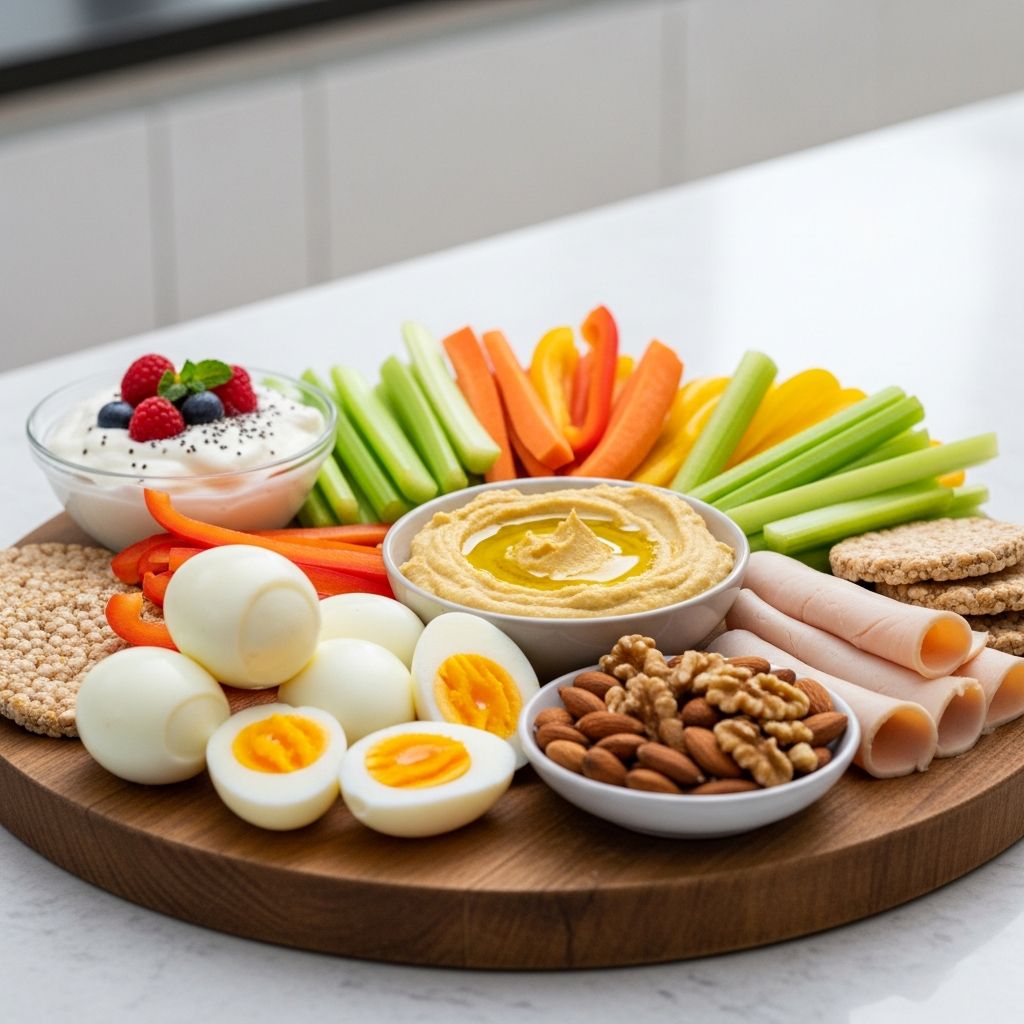
In today’s fast-paced world, finding nutritious snacks that are both satisfying and easy to prepare can be challenging. High-protein snacks have become increasingly popular for their ability to support muscle maintenance, stabilize blood sugar levels, and keep you feeling full between meals. Whether you’re a fitness enthusiast, a busy professional, or simply looking to improve your eating habits, incorporating high-protein snacks into your daily routine can make a significant difference in your overall wellness.
Protein is an essential macronutrient that plays a crucial role in building and repairing tissues, producing enzymes and hormones, and supporting immune function. According to nutrition experts, consuming adequate protein throughout the day—not just at mealtimes—can help maintain lean muscle mass and support healthy metabolism. This comprehensive guide explores a variety of easy high-protein snack recipes that you can prepare ahead of time and enjoy throughout the week.
Why High-Protein Snacks Matter
High-protein snacks offer numerous benefits beyond simple satiety. When you consume protein-rich foods, your body experiences increased thermic effect, meaning it burns more calories during digestion. Additionally, protein helps regulate hunger hormones like ghrelin and peptide YY, which can reduce overall calorie intake and support weight management goals.
For those who exercise regularly, protein snacks are particularly important for muscle recovery and growth. After a workout, consuming a snack containing both protein and carbohydrates can enhance muscle protein synthesis and replenish glycogen stores. High-protein snacking also helps maintain stable energy levels throughout the day, reducing the afternoon slump that many people experience.
No-Cook High-Protein Snack Options
Sometimes the best snacks are those that require minimal preparation. No-cook options are perfect for busy mornings or when you don’t have access to a kitchen.
Greek Yogurt Parfaits
Greek yogurt is a protein powerhouse, containing approximately 15-20 grams of protein per 7-ounce serving. Create a simple parfait by layering Greek yogurt with granola, fresh berries, and a drizzle of honey. This combination provides protein, fiber, and natural sweetness without any cooking required.
Cheese and Nuts
Pairing cheese with nuts creates a satisfying snack that combines protein with healthy fats. String cheese, cheese cubes, or hard cheeses like cheddar pair beautifully with almonds, walnuts, or cashews. A single serving of this combination typically contains 10-15 grams of protein and keeps well throughout the day.
Protein-Packed Trail Mix
Mix roasted chickpeas, pumpkin seeds, almonds, and dried fruit for a customizable snack that travels well. Roasted chickpeas alone provide approximately 12 grams of protein per cup and offer a satisfying crunch. You can prepare large batches and portion them into small containers for grab-and-go convenience.
Hard-Boiled Eggs
One of nature’s most complete protein sources, hard-boiled eggs contain about 6 grams of protein each and include all nine essential amino acids. Prepare a batch at the beginning of the week and store them in the refrigerator. They pair well with whole-grain crackers or vegetables like celery and bell peppers.
Related Stories



Simple Homemade High-Protein Snack Recipes
For those willing to invest a bit of time, homemade snacks offer superior nutrition control and flavor customization compared to store-bought alternatives.
No-Bake Protein Energy Balls
Ingredients:
- 1 cup natural peanut butter
- 1 cup rolled oats
- 1/2 cup vanilla protein powder
- 1/3 cup honey
- 1/2 cup dark chocolate chips
- Pinch of sea salt
Instructions: Mix all ingredients in a bowl until well combined. Using a small spoon or cookie scoop, form the mixture into 1-inch balls. Refrigerate for at least 30 minutes before serving. These energy balls contain approximately 8-10 grams of protein per ball and store well in an airtight container for up to two weeks.
Cottage Cheese Fruit Bowls
Cottage cheese has experienced a renaissance as a trendy high-protein snack option. With 14 grams of protein per half-cup serving, cottage cheese serves as an excellent base for both sweet and savory snack bowls. Top with fresh berries, sliced peaches, granola, and a sprinkle of cinnamon for a delicious combination. Alternatively, create a savory version with cucumber, tomatoes, dill, and a drizzle of olive oil.
Hummus and Vegetable Snack Pack
Ingredients:
- 1 can (15 oz) chickpeas, drained and rinsed
- 3 tablespoons tahini
- 3 tablespoons lemon juice
- 2 cloves garlic, minced
- 2 tablespoons olive oil
- 1/2 teaspoon cumin
- Salt and pepper to taste
Instructions: Blend all ingredients in a food processor until reaching desired consistency. Serve with assorted vegetables like carrots, celery, bell peppers, and cherry tomatoes. One quarter-cup of hummus provides approximately 4 grams of protein, and combined with whole-grain crackers, this snack delivers a complete nutritional profile.
Baked Chickpea Crisps
Ingredients:
- 2 cans (15 oz each) chickpeas, drained and patted dry
- 2 tablespoons olive oil
- 1 teaspoon paprika
- 1/2 teaspoon garlic powder
- 1/2 teaspoon onion powder
- Salt and pepper to taste
Instructions: Toss chickpeas with olive oil and seasonings. Spread on a baking sheet and bake at 400°F for 25-30 minutes, stirring halfway through, until golden and crispy. These crisps provide approximately 12 grams of protein per cup and offer a satisfying crunch without excess calories.
Protein Snacks Using Common Kitchen Ingredients
Creating high-protein snacks doesn’t require specialty ingredients or extensive preparation techniques. Most kitchens already contain everything needed to prepare nutritious options.
Edamame with Sea Salt
Frozen edamame can be prepared in minutes through boiling or steaming. One cup of edamame provides approximately 18 grams of protein and contains all nine essential amino acids. Simply season with sea salt or your favorite seasonings for a straightforward, protein-dense snack.
Tuna or Salmon Salad Snack Cups
Canned tuna or salmon mixed with Greek yogurt, diced celery, and fresh dill creates a protein-rich snack with approximately 20 grams of protein per serving. Serve with whole-grain crackers or on cucumber slices for a low-carb variation.
Turkey and Cheese Roll-Ups
Sliced deli turkey wrapped around cheese sticks provides a simple yet satisfying snack containing 15-20 grams of protein per serving. For added nutrition, include a small portion of mustard or add fresh spinach inside the roll.
Sweet High-Protein Snack Ideas
For those with a sweet tooth, numerous high-protein options satisfy cravings without compromising nutritional goals.
Protein Smoothie Popsicles
Ingredients:
- 1 cup Greek yogurt
- 1 cup fruit juice or milk
- 1 scoop vanilla protein powder
- 1 cup mixed berries
- 1 tablespoon honey
Instructions: Blend all ingredients and pour into popsicle molds. Freeze for at least 6 hours. Each popsicle provides approximately 10-12 grams of protein and serves as a refreshing warm-weather snack.
Protein Cookie Dough Bites
Ingredients:
- 1/2 cup almond butter
- 1/4 cup maple syrup
- 1/2 cup vanilla protein powder
- 1/4 cup mini chocolate chips
- Pinch of sea salt
Instructions: Mix all ingredients and refrigerate. Form into bite-sized portions and serve chilled. Each bite contains approximately 4-5 grams of protein and tastes like an indulgent treat.
Savory High-Protein Snack Options
Beyond sweet options, numerous savory snacks deliver impressive protein content while satisfying savory cravings.
Roasted Nuts and Seeds
Almonds, pumpkin seeds, and sunflower seeds can be roasted with olive oil and seasonings like rosemary, thyme, or cayenne pepper. One ounce of almonds provides approximately 6 grams of protein, while pumpkin seeds deliver 9 grams per ounce. These snacks travel well and store for extended periods.
Greek Meatball Bites
Ground turkey or lean beef mixed with breadcrumbs, egg, feta cheese, and Greek seasonings creates delicious meatballs that can be baked and stored for the week. Each meatball provides 8-10 grams of protein and pairs well with tzatziki sauce for dipping.
Comparison of High-Protein Snack Options
| Snack Option | Protein Content (per serving) | Preparation Time | Storage Duration |
|---|---|---|---|
| Greek Yogurt Parfait | 15-20g | 5 minutes | 3-4 days |
| Hard-Boiled Eggs | 6g per egg | 15 minutes | 7 days |
| Cheese and Nuts | 10-15g | 2 minutes | 7-10 days |
| No-Bake Protein Balls | 8-10g | 20 minutes | 14 days |
| Edamame | 18g | 10 minutes | 3-5 days |
| Baked Chickpea Crisps | 12g per cup | 35 minutes | 7 days |
Tips for Successful High-Protein Snacking
Plan Ahead: Dedicate time each week to prepare multiple snacks. This strategy eliminates last-minute unhealthy choices and ensures protein-rich options are readily available.
Portion Control: While protein is important, portion sizes matter. Most snacks should contain 100-200 calories and 10-20 grams of protein.
Combine Macronutrients: Pair protein with fiber-rich carbohydrates and healthy fats for optimal satiety and sustained energy. This combination prevents blood sugar spikes and crashes.
Stay Hydrated: Proper hydration supports protein metabolism and overall health. Drink adequate water throughout the day alongside your snacks.
Experiment with Flavors: Don’t limit yourself to basic preparations. Try different seasonings, herbs, and flavor combinations to keep snacking interesting and enjoyable.
Frequently Asked Questions (FAQs)
Q: How much protein should I consume in a snack?
A: Most nutritionists recommend 10-20 grams of protein per snack, depending on your overall daily protein goals and activity level. This amount provides satiety without excessive calories.
Q: Can I prepare high-protein snacks in bulk?
A: Yes, most high-protein snacks can be prepared in batches and stored for 3-14 days, depending on the recipe. Portion them into containers immediately after preparation for convenient grab-and-go options.
Q: Are store-bought high-protein snacks better than homemade options?
A: Homemade snacks typically offer superior nutrition control and fewer additives. However, quality store-bought options can work well when homemade preparation isn’t feasible. Check labels for added sugars and unnecessary ingredients.
Q: What’s the best time to eat a high-protein snack?
A: Consuming protein-rich snacks between meals, particularly before or after exercise, optimizes muscle recovery and maintains steady energy levels. Listen to your body’s hunger cues and eat when needed.
Q: Can high-protein snacks support weight loss?
A: Yes, high-protein snacks can support weight loss by increasing satiety, boosting metabolism through thermic effect, and reducing overall calorie intake. They work best as part of a balanced diet and regular exercise routine.
Q: Are there vegan high-protein snack options?
A: Absolutely. Legumes, nuts, seeds, tofu, tempeh, and plant-based protein powders provide excellent vegan protein sources. Hummus, edamame, roasted chickpeas, and nut butters are popular plant-based options.
Conclusion
High-protein snacking doesn’t require complicated recipes or expensive ingredients. By incorporating these easy-to-prepare options into your routine, you can support your fitness goals, maintain stable energy levels, and satisfy cravings with nutritious foods. Whether you prefer sweet or savory flavors, no-cook simplicity or homemade preparations, numerous high-protein snack options exist to suit your preferences and lifestyle. Start with a few favorite recipes this week and build a sustainable snacking habit that supports your long-term health and wellness goals.
References
- Dietary Reference Intakes (DRIs) for Energy, Carbohydrate, Fiber, Fat, Fatty Acids, Cholesterol, Protein, and Amino Acids — National Academies of Sciences, Engineering, and Medicine. 2005. https://www.nap.edu/read/10490/chapter/1
- The Effects of High Protein Diets on Thermogenesis, Satiety and Weight Loss — Journal of Nutrition and Metabolism. 2014. https://www.ncbi.nlm.nih.gov/pmc/articles/PMC3971020/
- Protein and Physical Performance — International Society of Sports Nutrition. Position Stand. 2017. https://jissn.biomedcentral.com/articles/10.1186/s12970-017-0189-4
- Amino Acid Composition of Plant-Based Protein Sources and Caveats for Use in Sports Nutrition — Nutrients Journal. 2020. https://www.ncbi.nlm.nih.gov/pmc/articles/PMC7471312/
- The Role of Protein in Weight Loss and Muscle Maintenance — American Journal of Clinical Nutrition. 2015. https://academic.oup.com/ajcn/article/101/6/1320S/4576799
Similar Articles








Read full bio of Sneha Tete