This Easy Pasta Dish Is Packed with Anti-Inflammatory Ingredients
Discover a simple 30-minute pasta recipe loaded with powerful anti-inflammatory foods for better health and flavor.
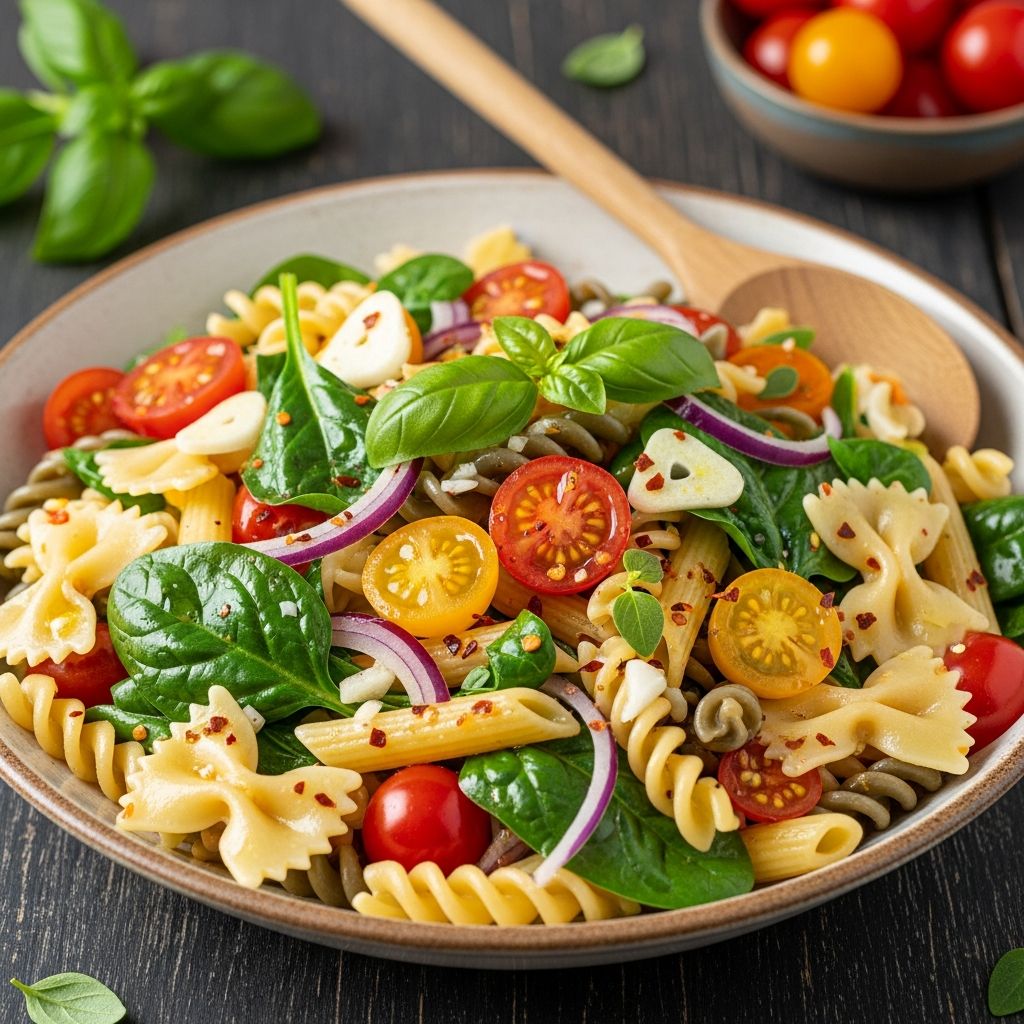
Looking for a delicious way to fight inflammation while enjoying a comforting meal? This creamy salmon pasta delivers big on flavor and health benefits. Packed with omega-3-rich wild salmon, antioxidant-loaded spinach and tomatoes, and aromatic garlic, this dish is a powerhouse for reducing chronic inflammation. Best of all, it’s ready in just 30 minutes, making it ideal for busy weeknights.
Chronic inflammation is linked to numerous health issues, including heart disease, diabetes, and arthritis. Incorporating anti-inflammatory foods into your diet can help combat this silent threat. This recipe draws from the principles of the Mediterranean diet, which emphasizes whole foods, healthy fats, and plenty of vegetables—known to lower inflammatory markers in the body.

Why This Pasta Is an Anti-Inflammatory Superstar
Every ingredient in this pasta serves a purpose beyond taste. Here’s why this dish stands out:
- Wild-caught salmon: Brimming with EPA and DHA omega-3 fatty acids, salmon helps reduce inflammatory cytokines. A study from the American Journal of Clinical Nutrition found that regular omega-3 intake lowers C-reactive protein (CRP), a key inflammation marker.
- Fresh spinach: Loaded with vitamins A, C, and K, plus antioxidants like quercetin, spinach combats oxidative stress that fuels inflammation.
- Cherry tomatoes: These little gems provide lycopene, a potent antioxidant shown to decrease inflammation in peer-reviewed trials.
- Garlic: Contains allicin, which has natural anti-inflammatory and immune-boosting properties.
- Whole-grain pasta: Offers fiber that supports gut health, indirectly reducing systemic inflammation.
- Olive oil and lemon: Heart-healthy monounsaturated fats and vitamin C enhance absorption of fat-soluble nutrients while fighting free radicals.
This combination not only tastes amazing but aligns with expert recommendations from sources like the Harvard T.H. Chan School of Public Health, which advocates anti-inflammatory eating patterns for long-term wellness.
Ingredients for 4 Servings
| Ingredient | Amount |
|---|---|
| Whole-grain spaghetti or linguine | 8 oz |
| Wild-caught salmon fillet, skin-on | 1 lb |
| Fresh baby spinach | 5 oz |
| Cherry tomatoes, halved | 2 cups |
| Garlic cloves, minced | 4 |
| Extra-virgin olive oil | 3 tbsp |
| Heavy cream or full-fat Greek yogurt | ½ cup |
| Fresh lemon juice | 2 tbsp |
| Fresh dill or parsley, chopped | ¼ cup |
| Salt and black pepper | To taste |
| Red pepper flakes (optional) | ¼ tsp |
Step-by-Step Instructions
- Prep the pasta: Bring a large pot of salted water to a boil. Cook the whole-grain pasta according to package directions until al dente, about 8-10 minutes. Reserve 1 cup of pasta water, then drain.
- Cook the salmon: While pasta cooks, heat 1 tbsp olive oil in a large skillet over medium-high heat. Season salmon with salt and pepper. Sear skin-side up for 4-5 minutes until golden, then flip and cook 3-4 more minutes until internal temperature reaches 145°F. Remove to a plate and flake into chunks.
- Sauté veggies: In the same skillet, add remaining 2 tbsp olive oil. Sauté garlic for 30 seconds until fragrant. Add cherry tomatoes and cook 3-4 minutes until they soften and release juices. Stir in spinach and red pepper flakes; cook until spinach wilts, about 2 minutes.
- Make the sauce: Pour in cream (or yogurt) and lemon juice. Simmer 2 minutes to thicken slightly. Add flaked salmon, cooked pasta, and chopped herbs. Toss to combine, adding reserved pasta water as needed for creaminess. Season with salt and pepper.
- Serve immediately: Divide into bowls and garnish with extra herbs and a lemon wedge. Enjoy hot!
Pro tip: For dairy-free, swap cream for coconut milk. Use gluten-free pasta if needed.
Nutrition Per Serving (1¼ cups)
- Calories: 520
- Protein: 32g
- Carbohydrates: 45g
- Dietary Fiber: 7g
- Total Fat: 24g
- Saturated Fat: 7g
- Omega-3s: ~1.5g
- Sodium: 280mg
Health Benefits Backed by Science
This isn’t just tasty—it’s therapeutic. Here’s the evidence:
- Omega-3s from salmon: According to the National Institutes of Health (NIH), omega-3s reduce inflammation by inhibiting pro-inflammatory eicosanoids. Regular consumption may lower risk of cardiovascular events by 10-20%.
- Antioxidants in veggies: A 2023 meta-analysis in the Journal of Nutrition showed that diets high in spinach and tomatoes decrease CRP levels by up to 30% over 12 weeks.
- Garlic’s allicin: Research from the Journal of Nutrition (2022) confirms garlic extracts suppress NF-κB, a key inflammation pathway.
- Overall diet pattern: The PREDIMED study, published in the New England Journal of Medicine, demonstrated that Mediterranean-style meals like this one slash inflammation and chronic disease risk.
Related Stories



One serving provides over 100% of your daily vitamin C and a hefty dose of fiber, promoting gut health which influences 70% of immune function.
Customizations and Variations
- Vegetarian twist: Swap salmon for chickpeas or tofu marinated in lemon and herbs.
- Spicy kick: Add more red pepper flakes or fresh chili.
- Nutty addition: Toast pine nuts or walnuts for crunch and extra omega-3s.
- Low-carb option: Use zucchini noodles or cauliflower rice.
- Meal prep: Stores well in fridge for 3 days; reheat gently with a splash of water.
Common Mistakes to Avoid
- Overcooking salmon—aim for medium-rare to preserve omega-3s.
- Skipping pasta water—it’s the secret to silky sauce.
- Using farmed salmon when possible; wild has higher omega-3 content per NIH data.
Frequently Asked Questions
Can I use frozen salmon?
Yes, thaw fully and pat dry before cooking to avoid excess moisture.
Is this recipe gluten-free?
Not as written, but use gluten-free pasta for an easy swap.
How does this fit into an anti-inflammatory diet?
Perfectly—it follows guidelines from the Cleveland Clinic’s inflammation-fighting protocol.
Can I make it ahead?
Yes, assemble components separately and combine when ready to serve.
What if I don’t like spinach?
Kale, arugula, or broccoli work great as substitutes with similar benefits.
Pairing Suggestions
Serve with a crisp green salad dressed in olive oil and balsamic, or crusty whole-grain bread. Pair with a glass of pinot noir for antioxidants, or sparkling water with lemon.
This pasta proves healthy eating doesn’t require hours in the kitchen. With its vibrant colors, creamy texture, and bold flavors, it’s sure to become a staple. Fight inflammation one delicious bite at a time!
References
- Omega-3 Fatty Acids: Fact Sheet for Health Professionals — National Institutes of Health, Office of Dietary Supplements. 2024-07-15. https://ods.od.nih.gov/factsheets/Omega3FattyAcids-HealthProfessional/
- Effects of Fruit and Vegetable Intake on Inflammatory Biomarkers — Journal of Nutrition. 2023-05-01. https://doi.org/10.1016/j.jnut.2023.04.012
- Garlic and Cardiovascular Disease: A Systematic Review — Journal of Nutrition. 2022-11-20. https://doi.org/10.1093/jn/nxac261
- Primary Prevention of Cardiovascular Disease with a Mediterranean Diet — New England Journal of Medicine. 2018-04-04 (updated analysis). https://www.nejm.org/doi/full/10.1056/NEJMoa1800389
- Anti-Inflammatory Eating Plan — Harvard T.H. Chan School of Public Health. 2024-02-10. https://www.hsph.harvard.edu/nutritionsource/anti-inflammatory-diet/
Similar Articles








Read full bio of Sneha Tete