Easy Ways to Boost Fiber in Your Daily Diet
Discover simple, practical strategies to increase your daily fiber intake using whole foods for better health and digestion.
Dietary fiber is a crucial nutrient that many people do not consume enough of, yet it plays a vital role in promoting overall health. Most adults should target about
14 grams of fiber per 1,000 calories
consumed, translating to roughly25-28 grams per day for women
and28-34 grams for men
, though needs can vary slightly based on activity and health status. This shortfall is common among Americans, but simple swaps and additions to your meals can help bridge the gap quickly and effectively.Fiber supports health in multiple ways: it enhances
feelings of fullness
to aid weight management, stabilizesblood sugar levels
, lowerscholesterol
, alleviatesconstipation
, and may reduce risks for conditions likediverticulosis
and heart disease. Soluble fiber, found in oats, beans, and fruits, binds to cholesterol and sugar in the digestive tract, while insoluble fiber from whole grains and vegetables adds bulk to stool for smoother digestion. High-fiber diets are also linked to lower risks of type 2 diabetes, certain cancers, and inflammation.Natural Sources of Dietary Fiber
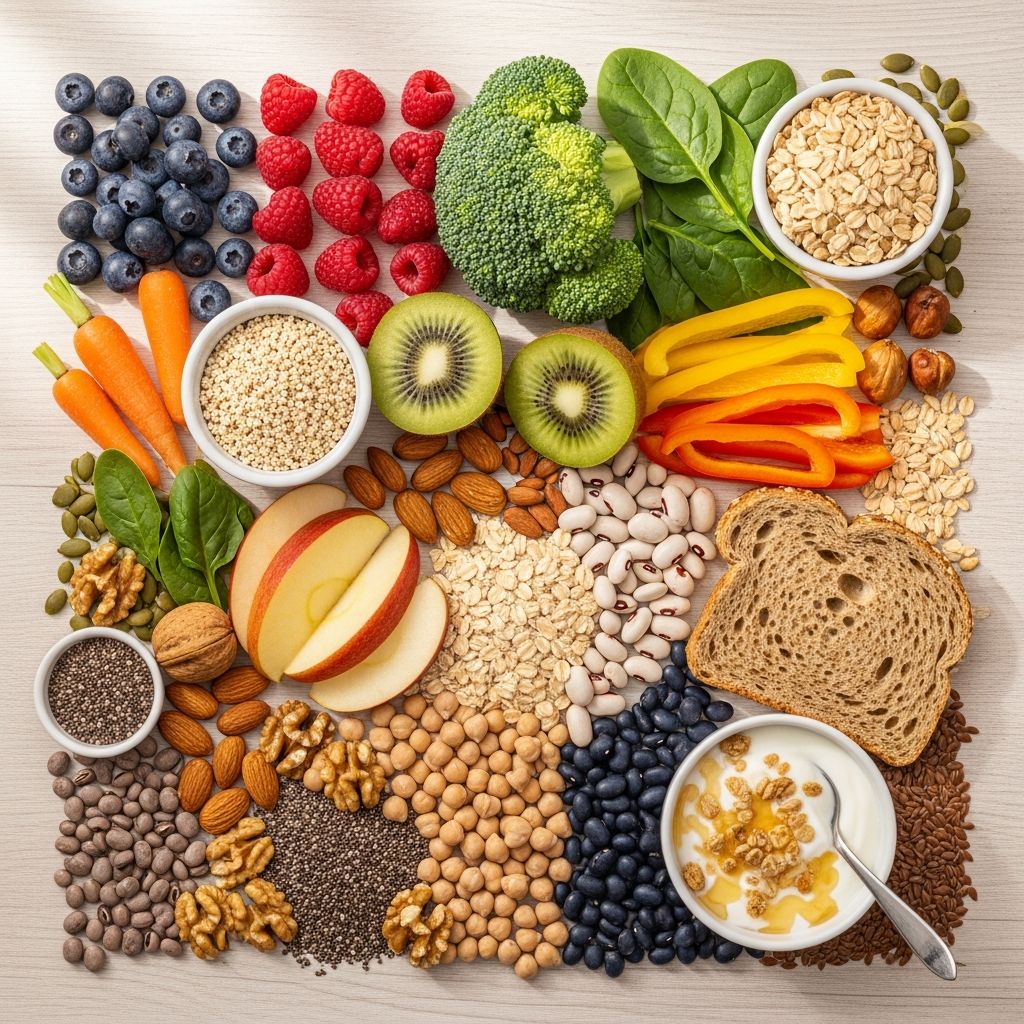
**Dietary fiber** comes exclusively from plant-based foods, including vegetables, fruits, beans, lentils, whole grains, nuts, and seeds. The refining and processing of foods strip away much of this fiber; for instance, a medium apple with peel delivers
4.4 grams
, compared to1.4 grams
in half a cup of applesauce or zero in apple juice. Choosing minimally processed options maximizes both fiber and accompanying nutrients like vitamins, minerals, and antioxidants.Here are standout high-fiber foods with their approximate fiber content per serving:
- **1 cup fresh raspberries**: 8 grams
- **½ cup cooked black beans**: 8 grams
- **1 large pear with skin**: 7 grams
- **½ cup mashed avocado**: 6 grams
- **1 ounce almonds**: 3.5 grams
- **3 cups air-popped popcorn**: 3 grams
- **½ cup cooked quinoa**: 2.5 grams
Incorporate a variety of these throughout the week to ensure a broad nutrient profile alongside fiber. Whole grains like barley, brown rice, bulgur, and teff; legumes such as peas and lentils; and fresh produce are top choices.
Easy Ways to Add More Fiber to Your Meals
Boosting fiber doesn’t require overhauling your diet—just smart substitutions and additions. Start your day right, enhance lunches and dinners, and choose fiber-packed snacks. Increase intake gradually and pair with ample fluids to avoid digestive discomfort, as fiber absorbs water like a sponge.
Breakfast Ideas
Swap refined cereals for
steel-cut oats
topped with walnuts, berries, or sliced bananas. A serving of high-fiber cereal (5+ grams per serving) with wheat bran and fruit can jump-start your intake. Blend fruits into smoothies or top pancakes with fresh produce for extra fiber without added sugars.Lunch Swaps
Opt for sandwiches or wraps on
whole-grain bread or tortillas
loaded with lettuce, tomatoes, and other veggies. Pair with vegetable soup or toss beans into salads. Choose breads listing whole wheat as the first ingredient with at least 2 grams of fiber per slice.Dinner Upgrades
Replace white rice or pasta with
brown rice, quinoa, or whole-grain noodles
. Add chopped vegetables to stir-fries, pasta dishes, or casseroles. Make half your plate fruits and vegetables, and include plant proteins like beans or peas for heart-healthy fiber.Related Stories



Snack Smart
Reach for fresh veggies,
whole-grain crackers with hummus
, air-popped popcorn, a handful of nuts, or whole fruits. Raw carrots, celery, or apple slices with nut butter provide crunch and satisfaction with fewer calories.Pro Tip: When baking, substitute half the white flour with whole-grain flour, or mix in bran cereal or oats to muffins and cookies for a fiber boost.
Why Choose Food Over Fiber Supplements?
While supplements exist, whole foods are superior. They deliver fiber alongside essential nutrients, promoting greater satiety and better overall diet quality. Supplements may lack these synergies and could cause gas or incomplete benefits. Your fiber intake reflects broader eating habits—aim for unprocessed sources to optimize health.
Key Benefits of a High-Fiber Diet
Adequate fiber intake yields multifaceted advantages:
- Heart Health: Soluble fiber reduces LDL (“bad”) cholesterol, lowers blood pressure, and curbs inflammation.
- Blood Sugar Control: Slows sugar absorption, aiding diabetes management and prevention.
- Weight Management: Increases fullness, reduces calorie density, and promotes satisfaction.
- Digestive Wellness: Prevents constipation, supports regular bowel movements, and may lower diverticulosis risk.
Foods high in fiber are often nutrient-dense and lower in calories, aligning with guidelines like the 2020-2025 Dietary Guidelines for Americans, which flag fiber underconsumption as a public health concern.
Frequently Asked Questions (FAQs)
What’s the recommended daily fiber intake?
Adults should aim for 14 grams per 1,000 calories—about 25 grams for women and 38 grams for men, adjusted for individual needs.
How do I increase fiber without bloating?
Go gradual, drink plenty of water, and include diverse sources. Your body adjusts over time.
Are fiber supplements as good as food?
No—foods provide additional nutrients and better satiety. Prioritize whole foods.
Which is better: soluble or insoluble fiber?
Both! Soluble aids cholesterol and blood sugar; insoluble supports digestion. Eat a mix.
Can kids benefit from more fiber?
Yes, but scale to age and calories. Focus on fruits, veggies, and whole grains.
Sample High-Fiber Daily Meal Plan
| Meal | Ideas | Approx. Fiber (g) |
|---|---|---|
| Breakfast | Steel-cut oats with raspberries & almonds | 10-12 |
| Lunch | Whole-grain wrap with black beans, veggies | 12-15 |
| Snack | Pear + popcorn | 10 |
| Dinner | Quinoa stir-fry with broccoli & avocado | 12-14 |
| Total | – | 44-51 |
This plan exceeds recommendations while staying delicious and balanced.
In summary, boosting fiber is straightforward with whole foods at every meal. Consistency yields lasting health gains—start today for improved vitality.
References
- Easy Ways to Boost Fiber in Your Daily Diet — Academy of Nutrition and Dietetics. 2023-10-01. https://www.eatright.org/health/essential-nutrients/carbohydrates/easy-ways-to-boost-fiber-in-your-daily-diet
- Dietary Fiber — Academy of Nutrition and Dietetics. 2024-05-15. https://www.eatright.org/health/essential-nutrients/carbohydrates/fiber
- Dietary Fiber: Essential for a Healthy Diet — Mayo Clinic Staff. 2025-01-10. https://www.mayoclinic.org/healthy-lifestyle/nutrition-and-healthy-eating/in-depth/fiber/art-20043983
- Prepare Heart-Healthy Foods for Your Family — Academy of Nutrition and Dietetics. 2023-08-20. https://www.eatright.org/food/food-preparation/cooking-tips/prepare-heart-healthy-foods-for-your-family
- Dietary Fiber — Academy of Nutrition and Dietetics (eatrightPRO). 2024-02-12. https://www.eatrightpro.org/news-center/practice-trends/dietary-fiber
Similar Articles








Read full bio of medha deb