50 Expert-Approved Easy Weight Loss Tips For Lasting Success
Discover 50 simple, expert-approved strategies to lose weight sustainably without extreme diets or workouts.
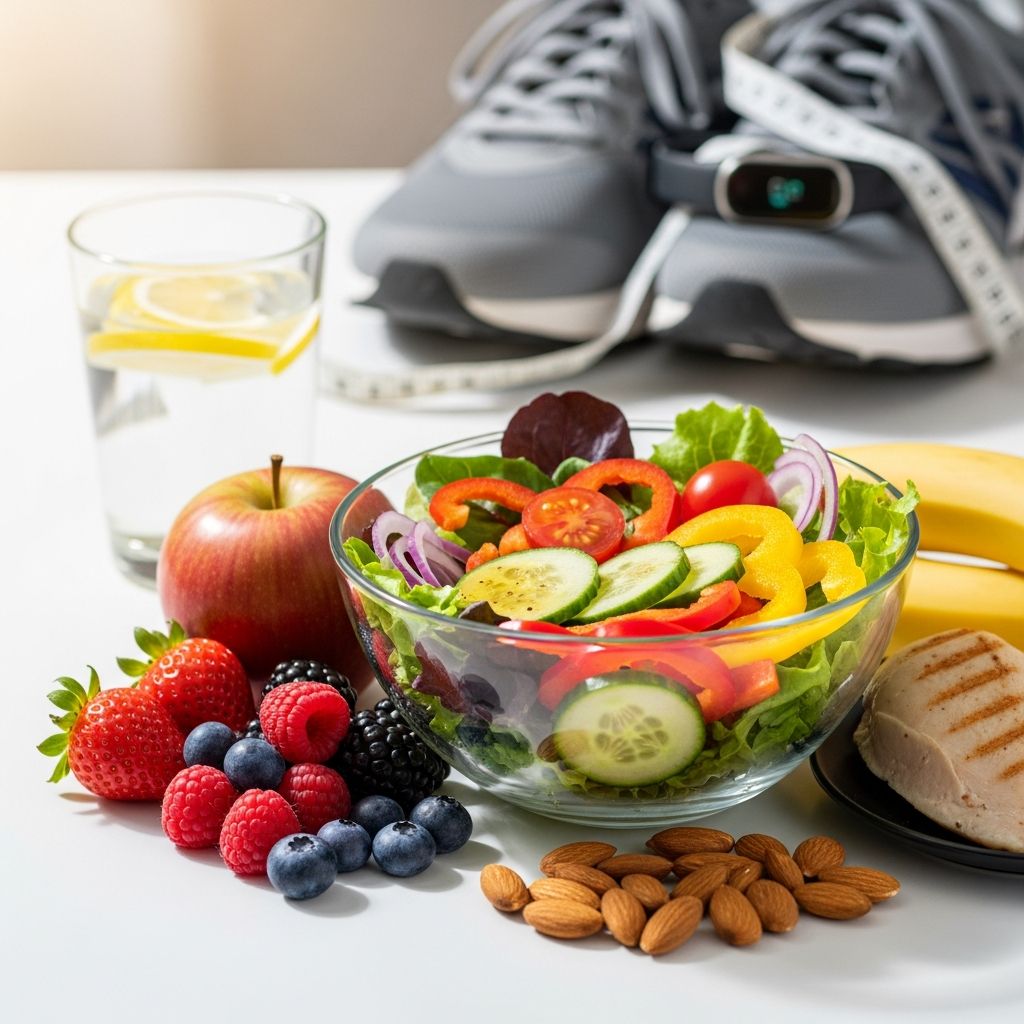
Weight loss doesn’t require extreme measures. Small, sustainable changes can lead to significant results over time. These 50 expert-approved tips from registered dietitians, doctors, and nutritionists focus on practical strategies that fit into real life. From smarter eating habits to better sleep and mindful movement, discover how to lose weight effortlessly while building lifelong healthy habits.
According to the CDC, over 42% of U.S. adults are obese, highlighting the need for accessible weight management strategies. These tips emphasize gradual changes that promote fat loss while preserving muscle and energy levels.
Easy Eating Habits for Weight Loss
Food choices drive 80% of weight loss success. Focus on nutrient-dense foods that keep you full longer and stabilize blood sugar.
1. Eat more protein at every meal
Protein boosts metabolism by 15-30% during digestion and preserves muscle during weight loss. Aim for 25-30 grams per meal. Eggs, Greek yogurt, chicken, tofu, and fish are excellent choices. A 2015 meta-analysis in the American Journal of Clinical Nutrition found higher protein intake leads to greater weight loss and fat reduction.
2. Fill half your plate with vegetables
Non-starchy vegetables like broccoli, spinach, and zucchini are low-calorie but high-volume, helping you feel satisfied. They provide fiber that slows digestion and reduces hunger hormones.
3. Drink water before meals
Two cups of water 30 minutes before eating can reduce calorie intake by 13%, per University of Birmingham research. Water also distinguishes thirst from hunger.
- Pro tip: Add lemon or cucumber for flavor
- Alternative: Herbal tea works too
4. Choose whole grains over refined
Swap white bread for quinoa, oats, or brown rice. Whole grains have more fiber (5-10g per serving) that promotes fullness and stabilizes blood sugar. The American Heart Association recommends at least three servings daily.
5. Eat slowly and mindfully
It takes 20 minutes for your brain to register fullness. Put down your fork between bites and chew thoroughly. Studies show this reduces overeating by 10-15%.
Smart Snacking Strategies
Snacks prevent ravenous hunger that leads to bingeing. Choose combinations of protein, fiber, and healthy fats.
| Snack | Calories | Benefits |
|---|---|---|
| Apple + 1 tbsp almond butter | 200 | Fiber + healthy fats |
| Greek yogurt + berries | 150 | Protein + antioxidants |
| Carrots + hummus | 120 | Vitamin A + fiber |
| Hard-boiled egg + cherry tomatoes | 100 | Complete protein |
6. Snack on fiber-rich foods
Aim for 5+ grams of fiber per snack. Popcorn (air-popped), edamame, and chia pudding are satisfying choices.
7. Portion snacks into small containers
Pre-portion trail mix or nuts to avoid mindless munching. Research shows people eat 25% less when snacks are pre-portioned.
Drinking Your Way to Weight Loss
8. Replace sugary drinks with water
Soda and juice add 150+ empty calories daily. The average American consumes 40 gallons of soda yearly, per CDC data.
Related Stories



9. Try sparkling water with fruit
Natural flavors satisfy soda cravings without artificial sweeteners.
10. Limit alcohol to one drink daily
Alcohol provides 7 calories per gram and stimulates appetite. Opt for dry wine or spirits with soda water.
Exercise Tips That Actually Work
Movement burns calories and builds muscle, which raises your resting metabolism.
11. Walk 10,000 steps daily
Equivalent to 5 miles, this burns 300-500 calories depending on pace. NIH research links higher step counts to lower mortality.
12. Strength train 2-3 times weekly
Muscle burns 3x more calories than fat at rest. Bodyweight exercises like squats, pushups, and planks require no equipment.
- Beginner circuit: 3 rounds of 10 reps each
- Squats, pushups (knee), planks (20 sec)
13. Take ‘exercise snacks’
Short bursts like 2-minute stair climbs or jumping jacks throughout the day add up. NEAT (non-exercise activity thermogenesis) accounts for 15-30% of daily calorie burn.
Sleep and Stress Management
14. Aim for 7-9 hours of sleep
Sleep deprivation increases hunger hormones by 24%, per NHLBI. Poor sleep also reduces willpower.
15. Practice stress-reducing habits
Cortisol from chronic stress promotes belly fat storage. Try 10 minutes of meditation, deep breathing, or yoga daily.
20 More Kitchen Hacks
- Use smaller plates to trick your brain into feeling satisfied
- Keep healthy foods visible, junk foods hidden
- Plan meals weekly to avoid takeout
- Batch cook healthy meals for the week
- Use measuring cups initially to learn portions
- Spice up meals to reduce salt and sugar needs
- Try meatless Mondays for variety
- Roast veggies instead of boiling
- Make smoothies with spinach (you won’t taste it)
- Choose mustard over mayo
- Use avocado instead of butter
- Add beans to salads for protein
- Popcorn as a low-cal movie snack
- Frozen grapes for sweet cravings
- Cauliflower rice substitute
- Zucchini noodles for pasta
- Baked sweet potato fries
- Greek yogurt as sour cream sub
- Air-fry instead of deep-fry
- Herbal tea after dinner for dessert feeling
Behavioral Changes for Success
30. Track without obsessing
Apps like MyFitnessPal help maintain awareness. Studies show trackers lose 5% more weight.
31. Eat at a table, not in front of screens
TV eating leads to 25% more consumption.
32. Practice intuitive eating
Rate hunger on a 1-10 scale before eating. Stop at 80% full.
Frequently Asked Questions (FAQs)
Can I lose weight without dieting?
Yes! Focus on habits like walking more, sleeping better, and protein-first meals. Sustainable loss averages 1-2 lbs weekly.
How much water should I drink?
Half your body weight in ounces daily (150 lb person = 75 oz). More if exercising.
What’s the best time to exercise?
Consistency matters more than timing. Morning workouts may boost metabolism 14% longer.
Will intermittent fasting work?
It helps some by reducing calorie windows, but not magic. Eat nutrient-dense foods during eating periods.
How do I maintain weight loss?
Continue 80% of habits. Allow flexibility—80/20 rule (80% healthy, 20% treats).
References
- Adult Obesity Facts — Centers for Disease Control and Prevention. 2024-09-30. https://www.cdc.gov/obesity/data/adult.html
- Effects of higher-protein diets on weight loss — American Journal of Clinical Nutrition. 2015-04-29. https://pubmed.ncbi.nlm.nih.gov/25926512/
- Water consumption reduces energy intake — University of Birmingham. 2010-01-04. https://pubmed.ncbi.nlm.nih.gov/19661958/
- Sugar-Sweetened Beverages Intake — Centers for Disease Control and Prevention. 2023-11-15. https://www.cdc.gov/nutrition/data-statistics/sugar-sweetened-beverages-intake.html
- Walking More Linked to Lower Risk — National Institutes of Health. 2023-04-27. https://www.nih.gov/news-events/news-releases/walking-more-linked-lower-risk-death-heart-disease-cancer-other-outcomes
- Sleep Deprivation and Deficiency — National Heart, Lung, and Blood Institute. 2024-03-24. https://www.nhlbi.nih.gov/health/sleep-deprivation
- Whole Grains, Refined Grains, and Dietary Fiber — American Heart Association. 2024-08-12. https://www.heart.org/en/healthy-living/healthy-eating/eat-smart/nutrition-basics/whole-grains-refined-grains-and-dietary-fiber
Similar Articles








Read full bio of Sneha Tete