Easy Winter Casseroles for Better Blood Sugar
Discover delicious diabetes-friendly casserole recipes perfect for winter comfort meals.
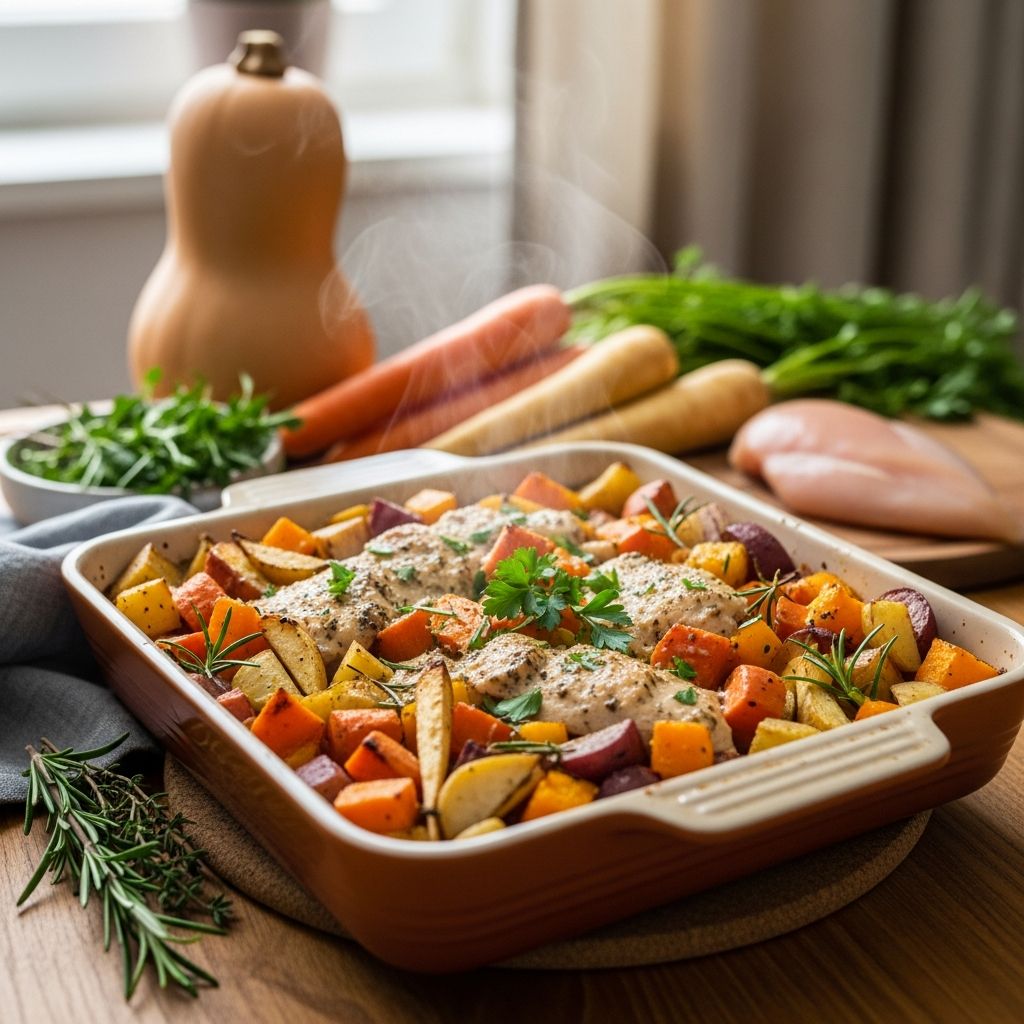
Winter is the perfect season for warm, comforting meals that bring families together around the dinner table. Casseroles are a quintessential winter dish, offering convenience, heartiness, and the satisfaction of a home-cooked meal. However, traditional casserole recipes are often loaded with excess calories, refined carbohydrates, sodium, and saturated fats—ingredients that can lead to significant blood sugar spikes and undermine your health goals. The good news is that you don’t have to sacrifice flavor or comfort to enjoy diabetes-friendly casseroles during the colder months.
This comprehensive guide presents a collection of 16 easy-to-prepare winter casserole recipes that are specifically designed to support better blood sugar management. Each recipe features wholesome ingredients, strategic portion control, and smart ingredient substitutions that make these dishes both nutritious and delicious. Whether you’re managing diabetes, seeking to improve your overall health, or simply looking for satisfying winter meals, these casseroles prove that eating well doesn’t mean eating boring food.
Why Winter Casseroles Matter for Blood Sugar Control
Winter comfort foods have a reputation for being high in refined carbohydrates and unhealthy fats. Traditional casseroles often rely on cream-based sauces, processed cheese, and white pasta or rice, creating meals that cause rapid blood sugar elevation. This can lead to energy crashes, increased hunger, and long-term metabolic complications. By reimagining these beloved dishes with diabetes-friendly modifications, you can enjoy the warmth and satisfaction of casserole meals without the negative health impacts.
The casseroles featured in this guide are lower in calories, carbohydrates, sodium, and saturated fat compared to traditional versions. They incorporate plenty of winter produce—such as carrots, broccoli, cauliflower, and spinach—which provide essential fiber, vitamins, and minerals while helping to stabilize blood sugar levels. Many recipes also emphasize lean proteins and healthy fats, creating meals that keep you satisfied longer and support steady glucose metabolism.
Key Features of Blood Sugar-Friendly Casseroles
- Higher fiber content: Recipes incorporate vegetables and whole grains that provide dietary fiber, which slows carbohydrate absorption and prevents rapid blood sugar spikes.
- Lean protein sources: Chicken breast, turkey, and fish provide high-quality protein without excessive saturated fat, supporting satiety and muscle health.
- Reduced sodium levels: Using homemade broths and limiting added salt helps manage blood pressure and reduces water retention.
- Healthy fat choices: Recipes use heart-healthy oils and fats that support inflammation reduction and cardiovascular health.
- Portion-controlled carbohydrates: Whole grain alternatives to refined pasta and strategic use of lower-carb vegetables keep total carbohydrate loads manageable.
- Minimal added sugars: These recipes avoid sugary sauces and rely on natural flavors from herbs, spices, and quality ingredients.
Top Casserole Recipes for Winter
Creamy Chicken Florentine Casserole
This elegant yet simple casserole combines tender chicken pieces with fresh spinach and a rich, creamy sauce, all baked to perfection with a golden, cheesy crust. The combination of chicken and spinach provides substantial protein and iron, while the creamy sauce—made with Greek yogurt and a touch of mayo instead of heavy cream—delivers comfort without excess calories. Whether you’re cozying up on a chilly evening or sharing a hearty home-cooked dinner with family, this casserole delivers an experience that feels like a warm hug on a plate. It’s perfect for meal prep, as it reheats beautifully and can be frozen for later enjoyment.
Related Stories



Honey-Garlic Chicken Casserole
This recipe offers the satisfaction of a stir-fry with significantly less cleanup. Using precooked brown rice from the grocery store reduces prep time while maintaining nutritional value. The honey-garlic flavor profile provides natural sweetness without refined sugar, and the combination of brown rice and vegetables creates a complete, balanced meal. This one-pot meal is ideal for busy weeknights and works equally well with leftover cooked chicken, making it a practical option for meal planning.
Lemony Salmon and Orzo Casserole
Salmon is celebrated for its omega-3 fatty acids—polyunsaturated fats that support heart health, reduce inflammation, and may help lower blood pressure. In this innovative one-dish dinner, omega-3-rich salmon sits atop an orzo mixture that bakes in the oven rather than boiling on the stovetop. This cooking method allows the orzo to absorb bright, lemony flavors while maintaining better nutritional integrity. The combination of seafood and whole grain pasta creates a Mediterranean-inspired meal that supports both blood sugar control and overall cardiovascular health.
Chicken Noodle Soup Casserole
Imagine the comfort of classic chicken noodle soup transformed into an easy casserole format. The key to enhancing flavor is using high-quality broth or homemade chicken stock, which provides depth and richness without added sodium or preservatives. Fresh herbs like dill add a bright, grassy note, though parsley or chives work equally well as alternatives. This familiar, comforting dish appeals to all ages while maintaining blood sugar-friendly nutrition.
Vegetarian Red Pepper Casserole
For plant-based eaters or those seeking meatless main courses, this vegetarian casserole stands out on any table. Crushed red pepper provides a subtle kick to this creamy main dish, while jarred roasted red peppers offer convenience without sacrificing quality. If time permits, roasting peppers fresh adds deeper flavor. This casserole demonstrates that blood sugar-friendly eating extends beyond meat-based dishes to embrace vegetable-forward cuisine.
Chicken and Brown Rice Casserole
This one-pot meal packs in protein and fiber from both chicken thighs and brown rice, complemented by nutrient-dense broccoli. The combination creates a well-rounded, satisfying dinner that supports sustained energy and stable blood glucose levels. Chicken thighs, while slightly higher in fat than breast meat, offer superior flavor and tenderness. However, the recipe easily accommodates chicken breast for those preferring leaner options.
Hominy and Green Chiles Casserole
Drawing inspiration from nachos, this creative casserole features hominy, which adds a distinctive chewy texture and interesting nutritional profile. Crushed corn tortilla chips create a crunchy, satisfying topping. Mild, medium, and hot green chiles all work well, allowing you to customize the heat level to your preference. This dish celebrates Southwestern flavors while maintaining blood sugar-friendly nutrition.
Sweet and Savory Mini Casseroles
These individual-portion casseroles are ready in just one hour, making them perfect for special dinners or entertaining. The appeal of mini casseroles extends beyond flavor—the portion control aspect helps with blood sugar management. Leftovers refrigerate or freeze beautifully, providing convenient meals throughout the week.
Lightened Creamy Chicken with Vegetables
This family-friendly casserole proves that cream-based dishes can be healthy. The sauce uses fat-free milk combined with fat-free Greek-style yogurt and a small amount of mayonnaise to achieve creamy texture and richness without excess fat. The addition of abundant vegetables increases fiber content and nutritional density, transforming a traditionally heavy dish into a balanced meal.
Quick Seafood Casserole
This quick and easy option gets bright flavor from fresh dill and tangy feta cheese. Seafood provides lean protein and beneficial omega-3 fatty acids, while the Mediterranean-inspired seasonings deliver satisfaction without added sugar or excess sodium. This recipe exemplifies how simple, quality ingredients create memorable dishes.
Spinach and Phyllo Casserole with Chicken
Inspired by the classic Greek pastry spanakopita, this casserole transforms that beloved concept into an easy, protein-rich dish. Adding chicken provides substantial protein, while plenty of garlic and onions deliver flavor complexity. Using eight sheets of phyllo dough eliminates the need to keep sheets moist during assembly, simplifying the preparation process. This recipe celebrates Mediterranean cuisine while maintaining nutritional balance.
Vegetable and Cashew Chicken Casserole
Combining brown rice, cashews, chow-mein noodles, and vegetables galore with chicken creates a delicious, nutrient-dense meal. The inclusion of vegetables and nuts provides fiber, healthy fats, and micronutrients, while the whole grain base supports sustained energy and blood sugar stability.
Smart Ingredient Substitutions for Diabetes-Friendly Cooking
Creating blood sugar-friendly casseroles doesn’t require complicated ingredients or special cooking techniques. Simple, strategic substitutions transform traditional recipes into healthier versions without sacrificing satisfaction. These modifications form the foundation of diabetes-friendly casserole preparation:
| Traditional Ingredient | Diabetes-Friendly Substitute | Benefit |
|---|---|---|
| Heavy cream | Greek yogurt or evaporated fat-free milk | Reduces calories and saturated fat while maintaining creamy texture |
| White pasta or rice | Whole grain pasta or brown rice | Increases fiber and slows carbohydrate absorption |
| Regular cheese (full-fat) | Reduced-fat cheese or small amounts of full-fat varieties | Decreases saturated fat and calories |
| Canned cream soups | Homemade sauces or low-sodium broths | Reduces sodium and eliminates additives |
| Regular ground meat | Lean ground turkey or chicken breast | Reduces saturated fat and calories |
| Butter | Olive oil or other heart-healthy oils | Provides healthy fats and reduces saturated fat |
| Added salt | Herbs, spices, and citrus | Reduces sodium while enhancing flavor |
Meal Prep and Storage Tips
One of the greatest advantages of casseroles is their meal-prep friendliness. Most of these recipes can be assembled in advance and refrigerated until ready to bake, saving time during busy weekdays. Many casseroles also freeze exceptionally well, allowing you to prepare multiple meals during your cooking session and enjoy them throughout the month.
For best results, store casseroles in airtight containers and label them with the contents and preparation date. Most casseroles keep refrigerated for three to four days and frozen for up to three months. When reheating, cover the casserole with foil to prevent excessive browning, and add a splash of broth to maintain moisture if needed.
Nutritional Benefits of Winter Vegetables
Winter produce featured prominently in these casserole recipes offers exceptional nutritional value. Carrots provide beta-carotene and fiber, supporting eye health and digestive function. Broccoli and cauliflower deliver vitamin C, vitamin K, and sulforaphane—a compound with potential anti-inflammatory properties. Spinach contributes iron, magnesium, and lutein, supporting energy production and eye health. These vegetables create casserole dishes rich in micronutrients while remaining low in glycemic load.
Frequently Asked Questions
Q: Can I prepare casseroles in advance?
A: Yes, most casseroles can be assembled, covered, and refrigerated for up to 24 hours before baking. You may need to add 10-15 minutes to the baking time if cooking from a cold state. Many casseroles also freeze well for up to three months, making them excellent for meal prep.
Q: How can I reduce sodium in casserole recipes?
A: Use homemade or low-sodium broths, avoid adding extra salt, and rely on herbs and spices for flavor instead. Fresh garlic, onions, and citrus juice add depth without sodium. Choosing reduced-sodium cheese and canned ingredients also significantly lowers total sodium content.
Q: Are these casseroles suitable for people without diabetes?
A: Absolutely. These recipes follow general healthy eating principles that benefit everyone. The emphasis on vegetables, lean proteins, whole grains, and controlled portions promotes overall wellness regardless of diabetes status.
Q: Can I modify casserole recipes for dietary restrictions?
A: Yes, casseroles are highly adaptable. Vegetarian versions can replace meat with legumes or additional vegetables. Gluten-free options substitute regular pasta with gluten-free alternatives. Dairy-free casseroles use plant-based milk and cheese alternatives.
Q: How do I know when a casserole is properly cooked?
A: Casseroles are done when they’re heated through to 165°F in the thickest part, the edges are bubbling, and the top is golden brown. Most casseroles take 30-45 minutes to bake, depending on ingredients and oven temperature.
Q: What beverages pair well with winter casseroles?
A: Unsweetened beverages work best—water, herbal tea, or unsweetened iced tea complement casseroles without adding unnecessary carbohydrates. For wine pairings, dry white or light red wines are appropriate choices.
References
- 16 Easy Winter Casseroles for Better Blood Sugar — EatingWell. Accessed January 2026. https://www.eatingwell.com/easy-winter-casseroles-for-better-blood-sugar-8776880
- Healthy Casserole Recipes for 2024 — Cleveland Clinic. 2024. https://health.clevelandclinic.org/healthy-casserole-recipes
- Winter weather and diabetes — Michigan State University College of Agriculture and Natural Resources. https://www.canr.msu.edu/news/winter_weather_and_diabetes
- Healthy winter dinner recipes — British Heart Foundation. https://www.bhf.org.uk/informationsupport/heart-matters-magazine/nutrition/healthy-winter-dinner-recipes
- Gut Healthy Winter Recipes That Help Stabilize Blood Sugar — Milk and Honey Nutrition. https://www.milkandhoneynutrition.com/gut-healthy-winter-recipes-that-help-stabilize-blood-sugar/
Similar Articles








Read full bio of medha deb