Eat Before or After Workout to Lose Weight
Discover the optimal timing and foods to eat before or after workouts for maximum fat loss and muscle recovery.
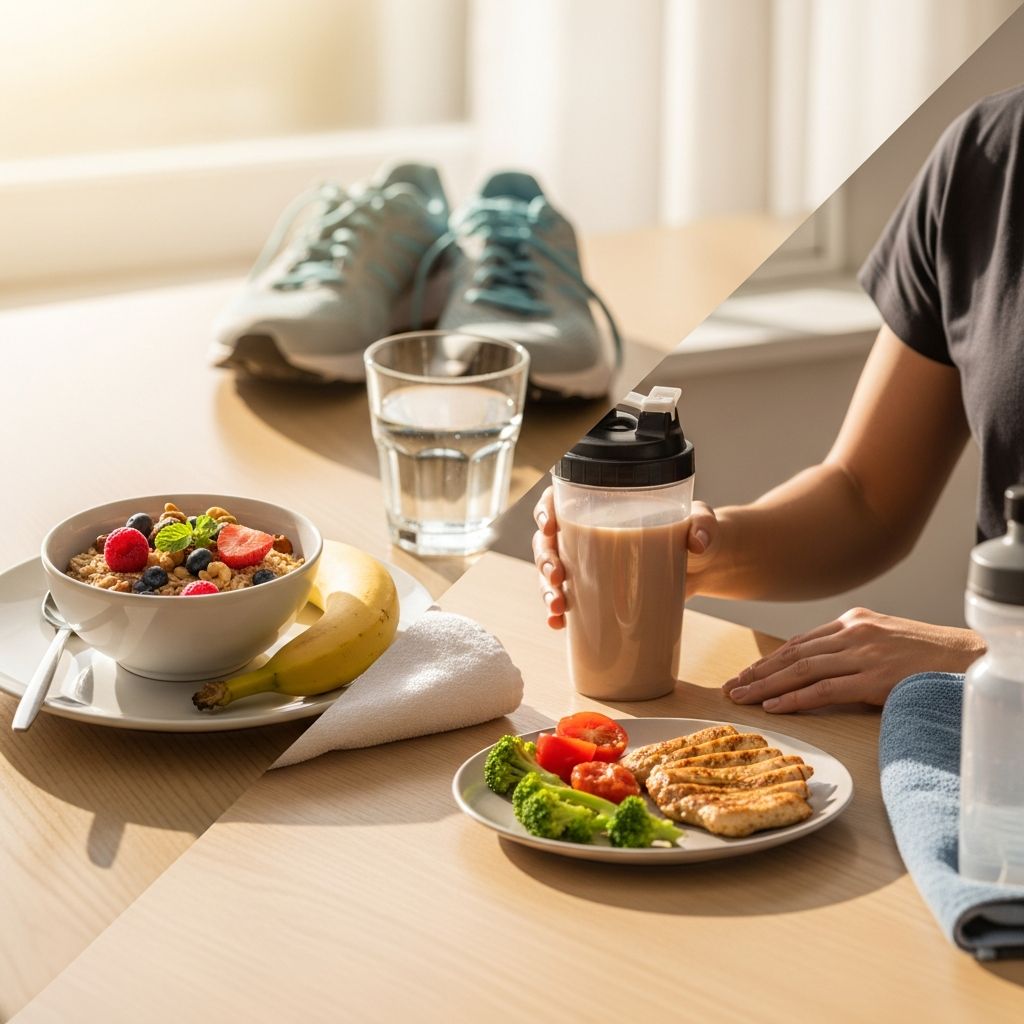
Timing your meals around workouts can significantly impact your weight loss journey. The right pre- and post-workout nutrition provides energy, supports muscle repair, and optimizes fat burning, but choices vary by exercise type.
Why Nutrition Timing Matters for Weight Loss
Exercise alters how your body metabolizes fuel, making nutrient timing crucial for fat loss. Carbohydrates supply quick energy for high-intensity sessions, while protein aids muscle recovery to preserve lean mass during calorie deficits. Hydration prevents fatigue, and proper timing avoids digestive issues that could derail sessions.
For weight loss, pre-workout meals should fuel performance without excess calories, and post-workout intake replenishes glycogen while promoting satiety. Studies show carbs before exercise improve endurance and intensity, allowing longer, more effective workouts. Failing to eat appropriately can lead to low energy, reduced calorie burn, or muscle loss.
What to Eat Before Your Workout
Pre-workout nutrition depends on workout type, intensity, and timing. Aim for easily digestible carbs and moderate protein 1-3 hours prior, with lighter snacks closer to exercise. This sustains energy for fat-burning activities while minimizing GI distress.
For Cardio (Running, Cycling, HIIT)
Cardio demands steady energy to maximize fat oxidation. High-fat or high-fiber foods can cause nausea or cramps, so prioritize simple carbs.
- 1-3 hours before: Oatmeal with banana or toast with peanut butter for sustained energy.
- 30-60 minutes before: Banana or energy bar to boost glucose without overload.
These choices prevent fatigue, enabling higher calorie burn. Avoid fried foods or beans.
For Strength Training (Weightlifting)
Weights focus on muscle power, so balance carbs and protein to fuel lifts and prime recovery.
- 1-3 hours before: Greek yogurt with berries, chicken and rice, or eggs on toast.
- 30 minutes before (if hungry): Carrots with hummus or cheese and crackers.
Protein pre-workout supports muscle protein synthesis, key for maintaining metabolism during weight loss.
For Yoga, Pilates, or Flexibility Workouts
Lower intensity requires lighter fueling to avoid bloating.
- 1-2 hours before: Fruit smoothie or toast with almond butter.
- Avoid heavy, fatty, or fibrous foods like cruciferous veggies.
Hydrate well, as flexibility benefits from optimal muscle function.
| Workout Type | 1-3 Hours Before | 30-60 Min Before |
|---|---|---|
| Cardio | Oatmeal + banana | Banana/energy bar |
| Strength | Greek yogurt + berries | Hummus + carrots |
| Flexibility | Fruit smoothie | Light snack if needed |
What to Eat After Your Workout
Post-workout, the ‘anabolic window’ (30 minutes to 2 hours) is ideal for recovery. Combine protein and carbs to restore glycogen, repair muscles, and curb hunger—essential for weight loss adherence.
Post-Cardio Recovery Foods
Replenish electrolytes and energy after endurance work.
- Chocolate milk
- Smoothie with fruit and protein powder
- Hummus with whole-grain pita
These low-calorie options aid fat loss by supporting prolonged sessions.
Muscle Recovery Foods for Strength Training
Related Stories



Prioritize protein (20-30g) with complex carbs.
- Grilled chicken with sweet potatoes
- Protein shake with banana
- Tuna sandwich on whole grain
This combo enhances muscle repair, boosting resting metabolism for sustained weight loss.
For Flexibility and Light Workouts
Focus on hydration and light nourishment.
- Coconut water or sports drink for electrolytes
- Fruit, nuts, seeds, or yogurt
Avoid heavy meals to prevent sluggishness.
| Post-Workout Type | Recommended Foods | Benefits |
|---|---|---|
| Cardio | Chocolate milk, fruit smoothie | Glycogen refill, hydration |
| Strength | Chicken + sweet potato, protein shake | Muscle repair, metabolism boost |
| Flexibility | Yogurt, nuts | Light recovery, electrolyte balance |
General Tips for Eating Around Workouts to Lose Weight
Optimize fat loss with these evidence-based strategies.
- Portion control: Large meals 3-4 hours before; snacks 1-3 hours prior. Overeating pre-workout slows you down.
- Healthy breakfast: If morning workouts, eat carbs like cereal, fruit, yogurt 1 hour before.
- Hydration rules: 2-3 cups water 2-3 hours before; 1/2-1 cup every 15-20 min during; replace per pound lost after.
- Snack smart: Energy bars, fruit, or smoothies during long sessions (>60 min).
- Post-meal timing: Carbs + protein within 2 hours; e.g., yogurt/fruit, PB sandwich.
Track how foods affect performance; personalize via journaling. For weight loss, fasted cardio may increase fat use but risks muscle loss—pair with post-fuel.
Common Mistakes to Avoid
Steer clear of these pitfalls for better results:
- Skipping pre-workout fuel: Leads to low intensity and fewer calories burned.
- Heavy fats/fiber before: Causes GI upset.
- Ignoring post-recovery: Slows muscle repair, increases injury risk.
- Poor hydration: Impairs performance by 10-20%.
- One-size-fits-all: Tailor to workout and goals.
Frequently Asked Questions (FAQs)
Should I eat before or after a workout to lose weight?
Eat a light carb-protein snack before for energy and a balanced meal after for recovery. This maximizes calorie burn and muscle preservation.
What’s the best pre-workout snack for fat loss?
A banana or yogurt 30-60 minutes before provides quick energy without excess calories.
How soon after workout should I eat?
Within 30-120 minutes to leverage the anabolic window for glycogen and protein synthesis.
Can I workout fasted for weight loss?
Possible for low-intensity, but fuel intense sessions to avoid muscle breakdown. Refuel post.
How much protein post-workout?
20-40g depending on body weight and intensity; consult a dietitian for personalization.
Integrating these strategies can enhance workout efficacy, supporting sustainable weight loss. Experiment to find what fuels your body best.
References
- What to eat before and after a workout, based on your workout type — UCLA Health. 2023. https://www.uclahealth.org/news/article/what-eat-before-and-after-workout-based-your-workout-type
- Eating and exercise: 5 tips to maximize your workouts — Mayo Clinic. 2023-10-10. https://www.mayoclinic.org/healthy-lifestyle/fitness/in-depth/exercise/art-20045506
- Eating Tips Before and After Exercise — American Diabetes Association. 2024. https://diabetes.org/health-wellness/fitness/eating-tips-before-after-exercise
Similar Articles








Read full bio of medha deb