Clean Eating: 7-Day Meal Plan, Grocery List, Recipes
Discover how ditching processed foods can transform your health, boost energy, and simplify your diet with real, whole food choices.
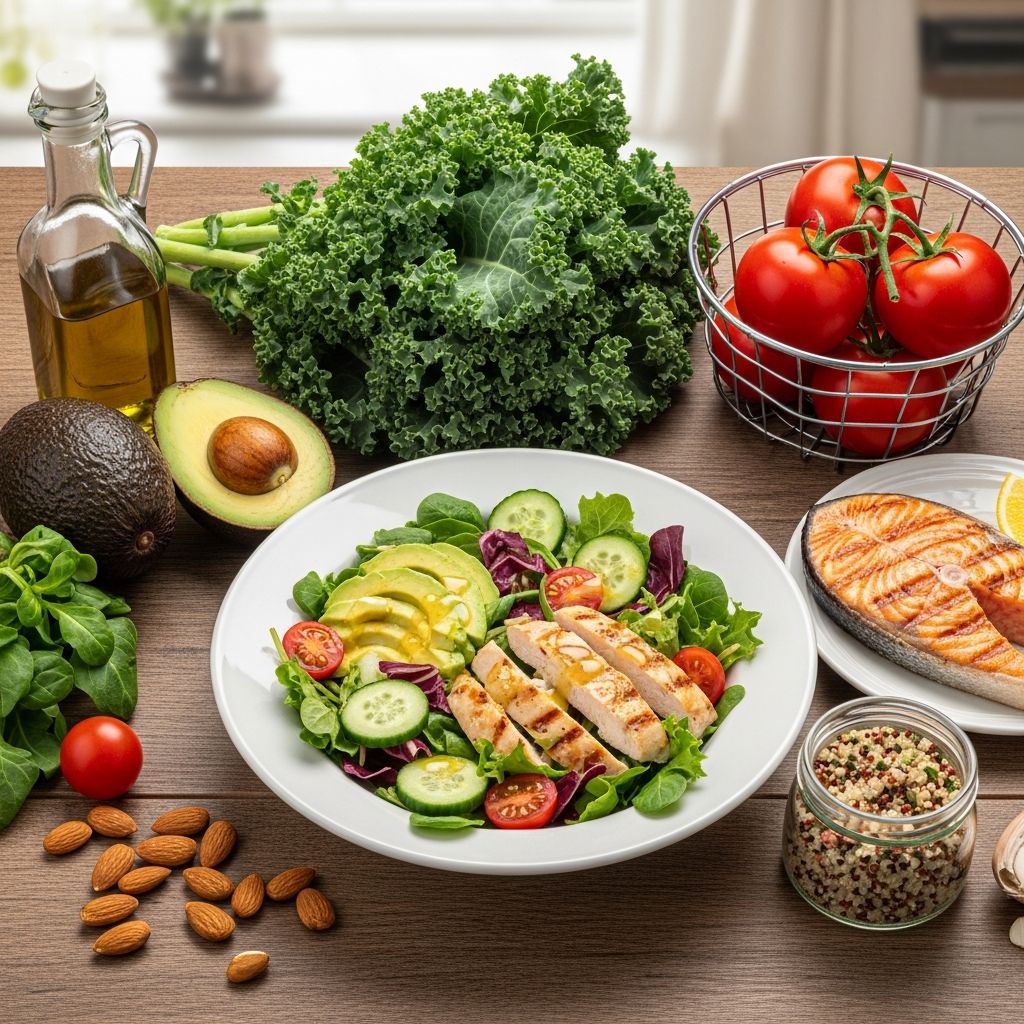
Embracing a clean eating lifestyle means prioritizing
whole, unprocessed foods
over packaged, additive-laden products. Ultra-processed foods, high in sodium, sugars, and unhealthy fats while low in fiber, contribute to obesity, heart disease, and diabetes. By focusing on fresh fruits, vegetables, whole grains, and home-cooked meals, you can improve nutrient intake, enhance gut health, and reduce chronic disease risk.What Are Processed Foods?
Processed foods undergo alterations from their natural state, ranging from minimal changes like washing vegetables to extensive industrial modifications. Minimally processed options, such as frozen vegetables or canned beans without added sodium, retain most nutrients and are healthier choices. In contrast, ultra-processed foods (UPFs) include ready-to-eat meals, sugary cereals, and sodas made with artificial flavors, preservatives, and emulsifiers. These displace real food in diets, leading to poor health outcomes.
According to health experts, processed foods like whole wheat bread or extra-virgin olive oil are nutrient-dense and preferable to UPFs. The NOVA classification system distinguishes levels: unprocessed/minimally processed (e.g., fruits, nuts), processed culinary ingredients (e.g., oils, sugar), processed foods (e.g., cheese, canned fish), and ultra-processed (e.g., packaged snacks).
The Dangers of Ultra-Processed Foods
UPFs dominate modern diets, contributing to the obesity epidemic and rising chronic diseases like diabetes and cardiovascular issues. Their poor nutrient profile—excess sodium, added sugars, saturated fats, and low fiber—creates a recipe for health problems. Processing can destroy vitamins, minerals, and fiber, even if some nutrients are fortified back in.
- Obesity and Weight Gain: UPFs are hyper-palatable, promoting overeating due to engineered flavors and textures.
- Heart Disease: High sodium and unhealthy fats elevate blood pressure and cholesterol.
- Gut Health Disruption: Lack of fiber harms the microbiome; new guidelines emphasize fruits, vegetables, and fermented foods instead.
- Other Risks: Linked to diabetes, certain cancers, and mental health issues from nutrient deficiencies.
Recent U.S. Dietary Guidelines (2025-2030) explicitly warn against highly processed foods high in added sugars, sodium, and artificial additives, prioritizing nutrient-dense, home-cooked options.
Health Benefits of Eating Clean
Switching to whole foods yields transformative benefits. Home-cooked meals using fresh produce boost nutrient density, supporting weight management, sustained energy, and better digestion. Studies show diets low in UPFs align with Dietary Guidelines, scoring high on the Healthy Eating Index even when including some processed items like canned beans if low in additives.
| Benefit | How Whole Foods Help | Evidence |
|---|---|---|
| Weight Loss | Higher fiber promotes satiety | Reduces obesity risk |
| Improved Heart Health | Lower sodium, more healthy fats | Aligns with DGAs |
| Better Gut Microbiome | Fiber from fruits/veggies | New guidelines highlight |
| Increased Energy | Stable blood sugar from whole grains | Expert recommendations |
Clean eating also enhances mental clarity and reduces inflammation, as whole foods provide antioxidants and phytochemicals stripped away in processing.
How to Identify Processed Foods
Scan ingredient lists: If it has more than 5-7 items, especially unfamiliar ones like maltodextrin, artificial dyes, or hydrogenated oils, it’s likely ultra-processed. Opt for products where the whole food predominates, like plain frozen veggies or canned fish in water.
Related Stories



- Avoid: Added sugars (high-fructose corn syrup), artificial preservatives, emulsifiers, non-nutritive sweeteners.
- Choose: Short lists with recognizable ingredients: oats, nuts, spices.
- Label Tips: Check Nutrition Facts for low added sugars (<5g/serving), sodium (<140mg/serving), and high fiber.
New guidelines name and shame RTE salty/sweet packaged foods.
Clean Eating Grocery List
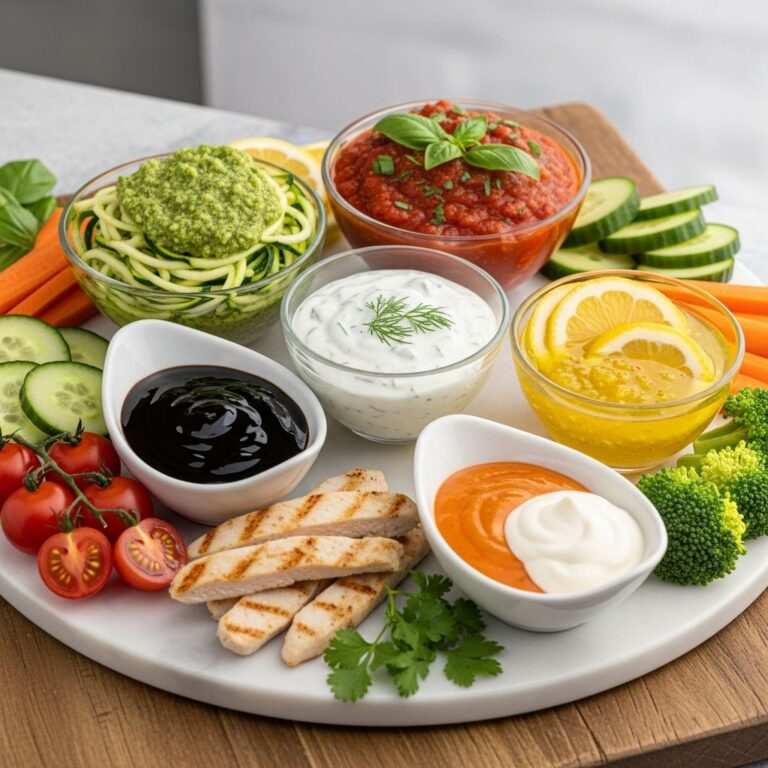
Build your cart around perimeter staples: produce, lean proteins, dairy. Aim for the realfood.gov pyramid: whole grains (2-4 servings), fruits/veggies (5+), wholesome proteins.
- Fruits & Veggies: Apples, berries, spinach, broccoli, sweet potatoes (fresh or frozen plain).
- Proteins: Eggs, chicken, fish, beans, tofu, nuts (avoid breaded/pre-seasoned).
- Grains: Oats, quinoa, brown rice, whole wheat pasta (minimally processed).
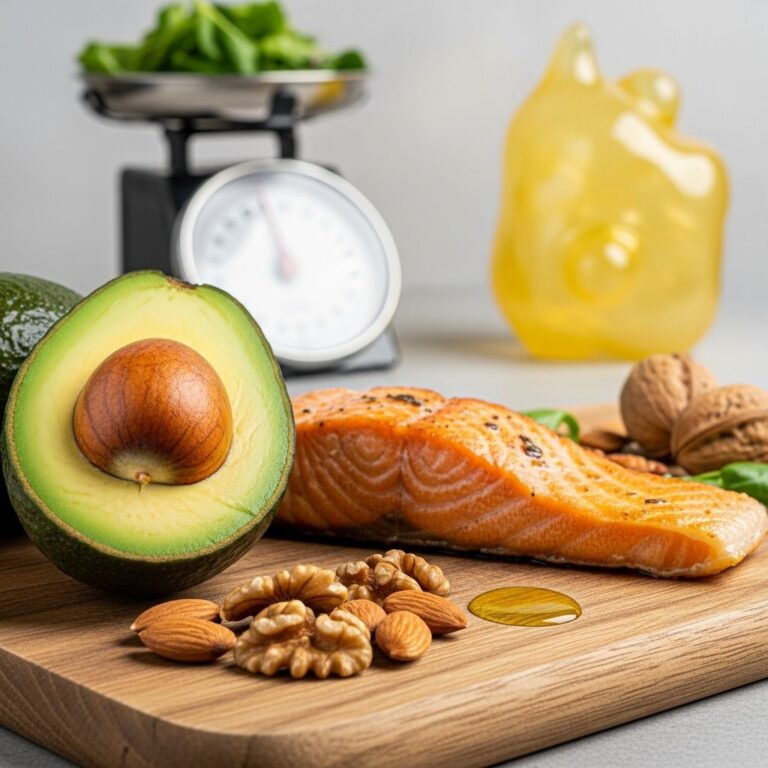
- Dairy/Fats: Greek yogurt (plain), full-fat milk (ultra-filtered if needed), olive oil, avocados.
- Pantry: Herbs, spices, vinegars, low-sodium canned beans.
Avoid center aisles dominated by UPFs.
7-Day Clean Eating Meal Plan
This plan emphasizes home-cooked meals with minimal processing, hitting ~2,000 calories/day per DGAs. Adjust portions as needed.
| Day | Breakfast | Lunch | Dinner | Snacks |
|---|---|---|---|---|
| Monday | Oatmeal with berries & nuts | Grilled chicken salad | Baked salmon, quinoa, broccoli | Apple, yogurt |
| Tuesday | Smoothie: spinach, banana, yogurt | Lentil soup, whole grain bread | Stir-fry tofu & veggies | Carrots, hummus |
| Wednesday | Eggs with avocado toast | Tuna salad (canned in water) | Turkey stir-fry, brown rice | Nuts, orange |
| Thursday | Greek yogurt parfait | Quinoa bowl with beans | Grilled fish, sweet potato | Cucumber slices |
| Friday | Chia pudding with fruit | Chickpea salad | Chicken veggie soup | Pear, cheese |
| Saturday | Omelet with veggies | Leftovers or wrap with turkey | Beef stir-fry, farro | Berries |
| Sunday | Whole grain toast, eggs | Bean salad | Baked chicken, greens | Handful almonds |
Ideas align with minimally processed meals: use fresh or low-sodium canned/frozen items.
Simple Clean Eating Recipes
One-Pan Veggie Roast
Ingredients: Broccoli, carrots, potatoes, olive oil, herbs. Roast at 400°F for 30 mins. Nutrient-packed, fiber-rich.
Overnight Oats
1/2 cup oats, milk, chia seeds, fruit. Prep night before for grab-and-go breakfast without processing.
Bean Chili
Canned low-sodium beans, tomatoes, spices. Simmer 20 mins. High-protein, gut-friendly.
These recipes use whole foods, minimizing additives.
Transitioning to Clean Eating: Tips for Success
Start gradual: Swap one meal/day. Cook in batches, read labels rigorously. Stock kitchen with staples; plan weekly menus. Challenges include convenience and cost, but frozen produce saves time/money.
- Batch cook on weekends.
- Use herbs for flavor, not sauces.
- Hydrate with water, avoid sodas.
Clean Eating Success Stories
Many report weight loss (10-20 lbs in months), better energy, and reversed prediabetes by ditching UPFs. One study built a healthy diet with 91% UPFs by choosing fortified, low-sugar options, but whole foods scored higher overall.
Frequently Asked Questions (FAQs)
Is all processed food bad?
No, minimally processed like canned beans or frozen veggies are fine if low in additives. Focus on nutrient quality over processing degree.
Can I eat clean on a budget?
Yes, buy seasonal produce, bulk grains, frozen items. Home cooking saves money long-term.
What about dining out?
Choose grilled proteins, salads, steamed veggies. Ask for no sauces.
How soon do I see benefits?
Energy improves in days; weight/health in weeks with consistency.
Are there healthy ultra-processed foods?
Some fortified ones exist, but prioritize whole foods for optimal health.
References
- What doctors wish patients knew about ultraprocessed foods — American Medical Association. 2023. https://www.ama-assn.org/public-health/prevention-wellness/what-doctors-wish-patients-knew-about-ultraprocessed-foods
- Processed Foods and Health — Harvard T.H. Chan School of Public Health. Accessed 2026. https://nutritionsource.hsph.harvard.edu/processed-foods/
- New U.S. Dietary Guidelines Name and Shame ‘Highly Processed Foods’ — Food Safety. 2025. https://www.food-safety.com/articles/11025-eat-real-food-new-us-dietary-guidelines-name-and-shame-highly-processed-foods
- Scientists Build a Healthy Dietary Pattern Using Ultra-Processed Foods — USDA Agricultural Research Service. 2023-07-11. https://www.ars.usda.gov/news-events/news/research-news/2023/scientists-build-a-healthy-dietary-pattern-using-ultra-processed-foods/
- Ultra-processed foods: what they are and how to identify them — National Institutes of Health (PMC). 2023. https://pmc.ncbi.nlm.nih.gov/articles/PMC10260459/
Similar Articles








Read full bio of medha deb