Eat Right on a Budget: Smart Shopping & Meal Planning
Master budget-friendly eating with smart shopping strategies and meal planning tips.
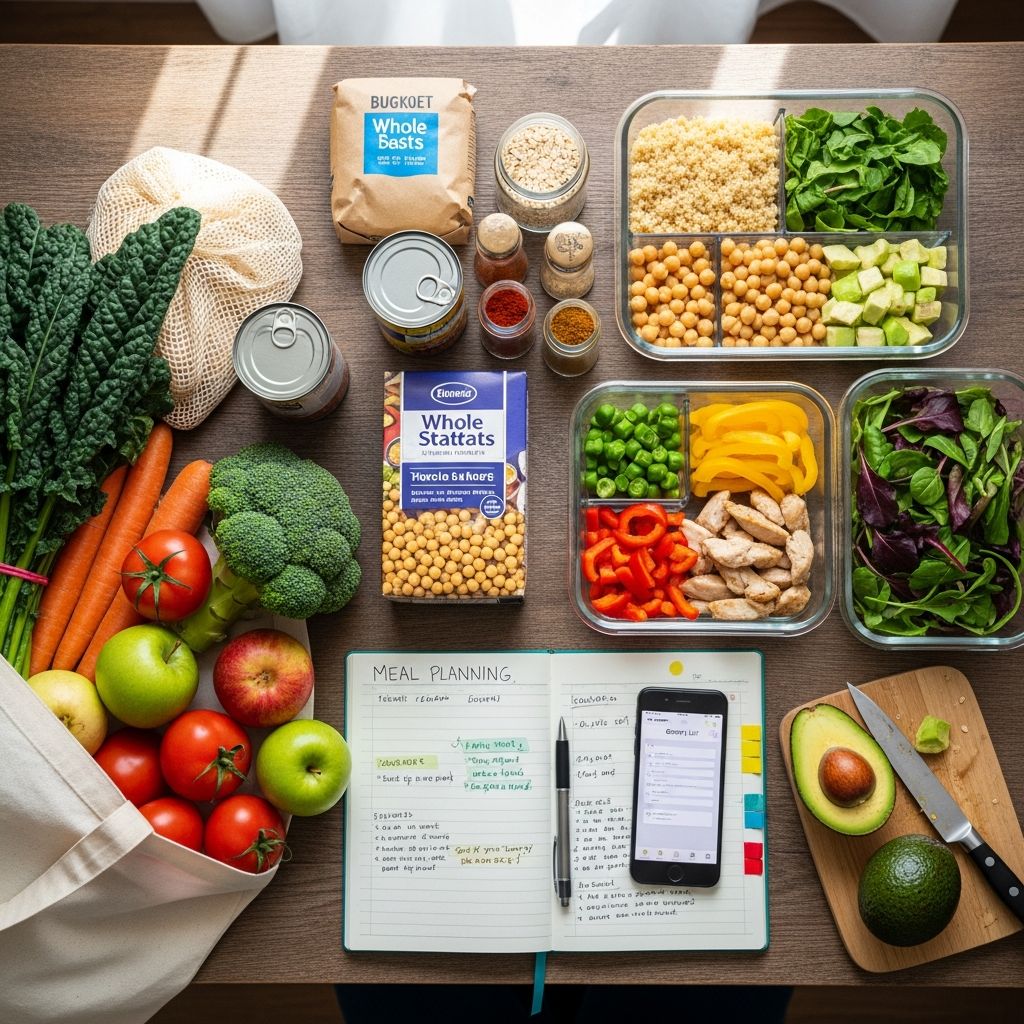
Eating healthy doesn’t have to drain your wallet. With proper planning, strategic shopping, and mindful food preparation, you can enjoy nutritious meals while staying within your budget. According to research, healthier dietary patterns cost only about $1.48 more per day compared to less healthy options, making nutritious eating surprisingly affordable when you use the right strategies.
Why Budget-Conscious Healthy Eating Matters
Many people believe that eating well is expensive, but this misconception often stems from comparing premium products like organic produce to conventional options. The truth is that creating nutritious, delicious meals can be more affordable than you might think. By adopting smart shopping habits and meal planning strategies, you can feed your family nutritious foods without compromising your financial goals.
Healthy eating is important at every age and stage of life. When deciding what to eat or drink, choose options that are full of nutrients and limited in added sugars, saturated fat, and sodium. This approach supports long-term health while keeping costs manageable.
The Three Pillars of Budget-Friendly Healthy Eating
Successful budget eating relies on three fundamental strategies that work together to maximize your food dollars:
- Plan: Take time to organize your meals and create intentional shopping lists
- Compare: Use unit prices and sales information to make informed purchasing decisions
- Prepare: Cook meals strategically to minimize waste and stretch ingredients
Plan Your Meals and Shopping Strategically
Planning is the foundation of budget-conscious eating. Before you go shopping, take 15-20 minutes each week to plan your meals and create a detailed grocery list. This simple step prevents impulse purchases and helps you buy only what you need.
Creating an Effective Meal Plan
Start by considering breakfast, lunch, dinner, and snacks for the entire week. Include foods and beverages from all five food groups to ensure you and your family get the nutrients needed for good health. Look for easy-to-fix recipes online that appeal to your family’s preferences.
When planning meals, consider incorporating budget-friendly options such as soups, salads, stews, and stir-fries that can stretch expensive ingredients into multiple servings. Planning meals with versatile ingredients also reduces food waste and allows you to use components across multiple dishes.
Shopping List Best Practices
Write your shopping list based on your planned meals and organize it by store layout to maximize efficiency. Stick to your list to avoid impulse buying, which can significantly increase your food bill. Time your shopping carefully—avoid shopping when hungry or rushed, as these conditions encourage convenience purchases and expensive impulse buys.
Compare Prices and Find the Best Deals
Smart comparison shopping can dramatically reduce your food expenses. Learn to identify the best value options by understanding unit pricing and taking advantage of sales.
Understanding Unit Prices
The unit price—shown on shelf stickers near the item price—reveals the true cost per ounce, pound, or serving. Comparing unit prices across different brands and package sizes helps you identify the best money-saving options. Larger sizes often cost less per unit, but only buy bulk quantities of items you will actually use.
Utilizing Sales and Coupons
Check local papers and online sources for coupons, sales, and specials. Use store loyalty cards, which often provide additional discounts and personalized deals. For maximum savings, use manufacturer coupons during store sales. Grocery stores regularly rotate their product promotions, so buying seasonal and sale items is an excellent way to save money while adding variety to your diet.
Choosing Store Brands
Generic or store-brand products typically cost less than name brands because less money is spent on advertising and fancy packaging. When comparing ingredient lists, you’ll often find similar or identical ingredients in store-brand products. This simple switch can yield significant savings over time.
Smart Purchasing Strategies
Buy In-Season and Seasonal Produce
Fresh fruits and vegetables cost less when in-season because supply is greater and prices are lower. For example, frozen berries are more economical than fresh berries during winter months. Shopping at farmers’ markets provides access to local, seasonal produce at competitive prices, and many farmers’ markets now accept SNAP benefits.
Buying in Bulk
Save money by purchasing larger quantities of foods that store well, including whole grains, canned or dried beans, and frozen vegetables. Calculate the price per unit to determine actual savings. Bulk buying reduces packaging waste and can provide significant cost per serving reductions, but avoid overbuying perishable items that you won’t use before they spoil.
Choosing Affordable Proteins
Include lower-cost proteins in your diet such as eggs, canned tuna, canned chicken, beans, cottage cheese, and tofu. Plant-based proteins are highly nutritious and generally more affordable than meat and fish. If you enjoy meat, incorporate smaller amounts as flavoring or condiment while focusing on plant proteins like beans or lentils to save costs while boosting nutrition and heartiness.
Selecting Frozen and Canned Foods
Frozen fruits and vegetables are nutritious, convenient, and budget-friendly. Thanks to freezing and canning processes, you can stock your kitchen with healthy staples. When choosing canned or frozen foods, select options without added sodium, sugar, or other additives. These shelf-stable options prevent food waste and provide year-round access to nutritious ingredients.
Stretch Your Food Dollars
Add Volume with Budget-Friendly Ingredients
Add beans and canned or frozen vegetables to bulk up meals and make your food dollars go farther. These ingredients provide extra fiber, vitamins, and nutrients while helping you feel fuller longer. A simple strategy is adding beans to soups, stews, and casseroles to increase protein and satiety without significantly increasing costs.
Double Your Recipes
Prepare meals that can be made in advance and freeze leftovers for meals later in the week. Doubling recipes creates multiple meals from a single cooking session, saving time and money. For example, last night’s roasted chicken can easily become chicken salad or chicken quesadillas later in the week.
Reduce Food Waste
Food waste drains your budget significantly. Don’t buy more highly perishable items than you can use in one week unless you plan to freeze them. Learn proper produce storage methods to extend shelf life. Commit to taking inventory of kitchen foods twice monthly, bringing forward buried items, and planning meals based on existing ingredients.
Practice Mindful Eating
Mindful eating—practicing attentiveness during meals—increases food enjoyment and satisfaction with smaller portions. Conversely, eating while distracted can lead to feeling hungry sooner and consuming more food later, increasing overall costs.
Prepare Foods at Home
Cook More, Eat Out Less
Eating out can be expensive compared to home-cooked meals. Preparing meals at home allows you to control ingredients, portions, and costs while typically providing better nutritional quality.
Prepare Ingredients in Advance
Cut fresh fruits and vegetables for quick snacks and easy meal assembly throughout the week. Pre-prepared ingredients make it easier to choose healthy options when busy, reducing reliance on convenience foods and takeout.
Budget-Friendly Nutritious Staples
Stock your kitchen with versatile, inexpensive foods that support healthy eating:
- Whole grains (rice, oats, pasta, bread)
- Dried and canned beans and lentils
- Eggs
- Frozen vegetables and fruits
- Canned fish (tuna, salmon)
- Peanut butter
- Nuts and seeds
- Low-cost fresh produce (carrots, cabbage, sweet potatoes, onions)
- Herbs (grow basil and oregano at home for a fraction of store prices)
- Dairy products (milk, yogurt, cheese)
Special Money-Saving Strategies
Grow Your Own Herbs
Grow herbs like basil and oregano inside your home for a fraction of store prices. Small gardens can be grown on a windowsill or kitchen counter, providing fresh flavoring options while reducing costs.
Shop Discounted Produce
Scan the discounted produce cart that usually sits in a store’s corner. This section contains produce beginning to age but remains tasty if consumed the same day or next day, often at significant discounts.
Frequently Asked Questions
Q: Is healthy eating really more expensive than eating unhealthy foods?
A: No. Research shows that healthier dietary patterns cost only about $1.48 more per day than less healthy options. With smart shopping strategies, this difference becomes negligible or disappears entirely.
Q: How much time should I spend planning meals each week?
A: Taking just 15-20 minutes weekly to plan meals and create a shopping list can save significant money and time throughout the week by preventing impulse purchases and food waste.
Q: Are frozen and canned vegetables as nutritious as fresh vegetables?
A: Yes. Frozen and canned vegetables retain nutrients through processing and are often more affordable. Choose options without added sodium, sugar, or other additives for optimal nutrition.
Q: What are the most affordable proteins?
A: Affordable protein options include eggs, canned tuna, canned chicken, beans, lentils, cottage cheese, and tofu. Plant-based proteins are typically more economical than meat and fish.
Q: How can I prevent food waste on a budget?
A: Avoid buying more perishable items than you can use in one week (unless freezing), learn proper storage methods, take inventory twice monthly, and plan meals around existing ingredients.
Q: Is shopping on sale items a good budget strategy?
A: Yes. Grocery stores rotate sales regularly. Buying seasonal items and products on sale provides variety while reducing costs. Store loyalty cards often provide additional discounts on sale items.
Key Takeaways
Eating right on a budget is achievable through consistent application of three fundamental strategies: planning your meals intentionally, comparing prices to identify the best values, and preparing foods at home strategically. By implementing these approaches—including smart shopping practices, buying in bulk, choosing affordable proteins, reducing food waste, and cooking at home—you can feed your family nutritious meals while managing food costs effectively. The benefits of healthy eating accumulate over time, bite by bite, supporting long-term health and financial wellness for you and your family.
References
- Eat Healthy on a Budget — MyPlate/USDA. April 2022. https://myplate-prod.azureedge.us/sites/default/files/2022-04/TipSheet_23_EatHealthyOnABudget.pdf
- Healthy Eating on a Budget — USDA. https://www.usda.gov/about-usda/news/blog/healthy-eating-budget
- Strategies for Eating Well on a Budget — Harvard School of Public Health, The Nutrition Source. https://nutritionsource.hsph.harvard.edu/strategies-nutrition-budget/
- Healthy Eating on a Budget — Roswell Park Comprehensive Cancer Center. September 2024. https://www.roswellpark.org/cancertalk/202409/healthy-eating-budget
- Healthy Eating On a Budget — Bryan Health. https://www.bryanhealth.com/services/weight-loss-options/weight-loss-surgery/bryan-bariatrics-newsletter-articles/healthy-eating-on-a-budget/
Similar Articles








Read full bio of medha deb