Low Blood Pressure After Eating: 8 Practical Ways To Prevent It
Understanding postprandial hypotension: Why meals affect your blood pressure levels.
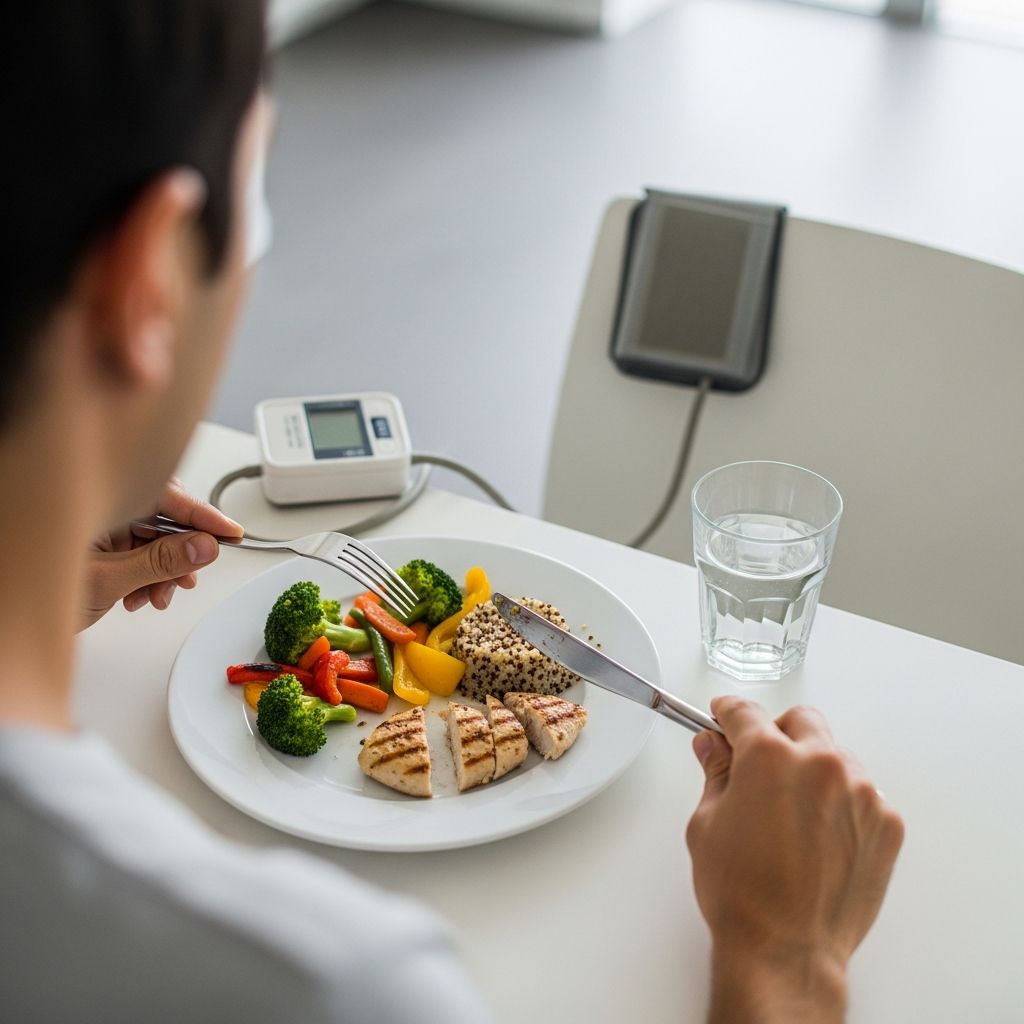
How Eating Can Cause Low Blood Pressure
Many people experience a sudden drop in blood pressure after eating, a condition known as postprandial hypotension. This phenomenon occurs when blood pressure falls within two hours of consuming a meal and can cause dizziness, lightheadedness, fainting, and general weakness. While occasional drops in blood pressure after eating may seem minor, understanding the mechanisms behind this condition is essential for maintaining optimal cardiovascular health, particularly for older adults and those with existing heart conditions.
Understanding Postprandial Hypotension
Postprandial hypotension represents a significant drop in blood pressure that occurs shortly after eating. During digestion, your body redirects blood flow to the gastrointestinal tract to facilitate nutrient absorption. This physiological process diverts blood away from other parts of the body, potentially causing a temporary reduction in overall blood pressure. For most healthy individuals, the body compensates automatically through various regulatory mechanisms. However, certain populations are more vulnerable to experiencing problematic drops in blood pressure after meals.
The severity of postprandial hypotension varies considerably among individuals. Some people experience mild symptoms that barely register, while others encounter significant symptoms that interfere with daily activities. Older adults, individuals with diabetes, those with Parkinson’s disease, and people with autonomic nervous system dysfunction are particularly susceptible to experiencing noticeable blood pressure drops after eating.
Physiological Mechanisms Behind Meal-Related Blood Pressure Drops
Several interconnected physiological processes contribute to blood pressure reductions following meals. When you consume food, your digestive system requires increased blood flow to process and absorb nutrients effectively. The body accomplishes this by dilating blood vessels in the gastrointestinal tract while simultaneously reducing blood flow to other organs and tissues.
Additionally, eating stimulates the release of various hormones and neurotransmitters that influence blood vessel function and heart rate. The parasympathetic nervous system becomes more active during digestion, which typically promotes vasodilation and can lower blood pressure. Glucose absorption from carbohydrate-rich meals triggers insulin release, which also has vasodilatory effects that can contribute to blood pressure reduction.
Risk Factors for Meal-Related Hypotension
Certain characteristics and conditions increase the likelihood of experiencing problematic blood pressure drops after eating:
- Advanced age: Individuals over 65 face higher risks due to reduced baroreceptor sensitivity and impaired compensatory mechanisms
- Diabetes: High blood sugar and autonomic neuropathy can impair blood pressure regulation
- Parkinson’s disease: Neurological dysfunction affects autonomic nervous system function
- Heart conditions: Existing cardiovascular disease reduces the heart’s ability to compensate
- Medication use: Certain blood pressure medications, antidepressants, and other drugs can exacerbate postprandial hypotension
- Dehydration: Inadequate fluid intake compromises blood volume regulation
- Malnutrition: Deficiencies in nutrients can impair cardiovascular regulation
The Role of Meal Composition
The type of food you consume significantly influences whether postprandial hypotension occurs. Meals high in carbohydrates, particularly simple carbohydrates and refined sugars, pose the greatest risk for causing blood pressure drops. These foods rapidly increase blood glucose levels, triggering substantial insulin secretion and promoting vasodilation throughout the body.
Protein-rich meals generally produce less dramatic blood pressure reductions compared to high-carbohydrate alternatives. The thermic effect of protein, which requires additional energy for digestion, can actually help maintain blood pressure more effectively than carbohydrate metabolism. However, very large protein meals consumed alone may still contribute to postprandial hypotension in susceptible individuals.
Related Stories



Fat content in meals also influences blood pressure responses. High-fat meals can slow gastric emptying and prolonged digestion, potentially extending the period during which blood vessels remain dilated in the gastrointestinal tract. Alcohol consumption with meals can significantly amplify blood pressure reduction effects through its vasodilatory properties and effects on autonomic nervous system function.
Meal Size and Eating Frequency Effects
The volume of food consumed plays a crucial role in postprandial hypotension severity. Large meals demand substantial digestive effort and blood flow redirection, creating conditions conducive to significant blood pressure drops. Consuming smaller, more frequent meals throughout the day can help minimize these effects by distributing digestive demands more evenly.
Research indicates that individuals prone to postprandial hypotension experience better blood pressure stability when they eat multiple small meals rather than three large meals daily. This dietary pattern reduces the dramatic blood volume redistribution that occurs with substantial meal consumption and allows the body’s compensatory mechanisms to function more effectively.
Temperature and Blood Pressure Effects
The temperature of consumed foods and beverages also influences postprandial blood pressure responses. Hot meals and drinks promote greater vasodilation in the gastrointestinal tract and throughout the body compared to cool or room-temperature foods. This explains why individuals susceptible to postprandial hypotension often experience more pronounced symptoms after consuming hot meals, soups, or beverages.
Practical Strategies to Manage Meal-Related Hypotension
Individuals experiencing problematic blood pressure drops after eating can implement several evidence-based strategies to minimize symptoms and maintain safer blood pressure levels:
- Reduce meal size: Consuming smaller portions distributed throughout the day minimizes dramatic blood flow redistribution
- Modify carbohydrate intake: Limiting simple carbohydrates and emphasizing complex carbohydrates with high fiber content produces smaller blood pressure drops
- Increase protein consumption: Including adequate protein at meals helps maintain blood pressure during digestion
- Enhance hydration: Drinking sufficient water before, during, and after meals supports adequate blood volume
- Avoid very hot foods: Consuming meals at moderate temperatures reduces vasodilation effects
- Limit alcohol: Avoiding or minimizing alcohol consumption, particularly with meals, prevents additive vasodilatory effects
- Increase dietary sodium: Consuming moderate amounts of sodium helps maintain blood volume and pressure (though excessive intake should be avoided)
- Add caffeine cautiously: Modest caffeine consumption may provide temporary blood pressure support, though effects vary individually
Nutritional Approaches to Supporting Blood Pressure
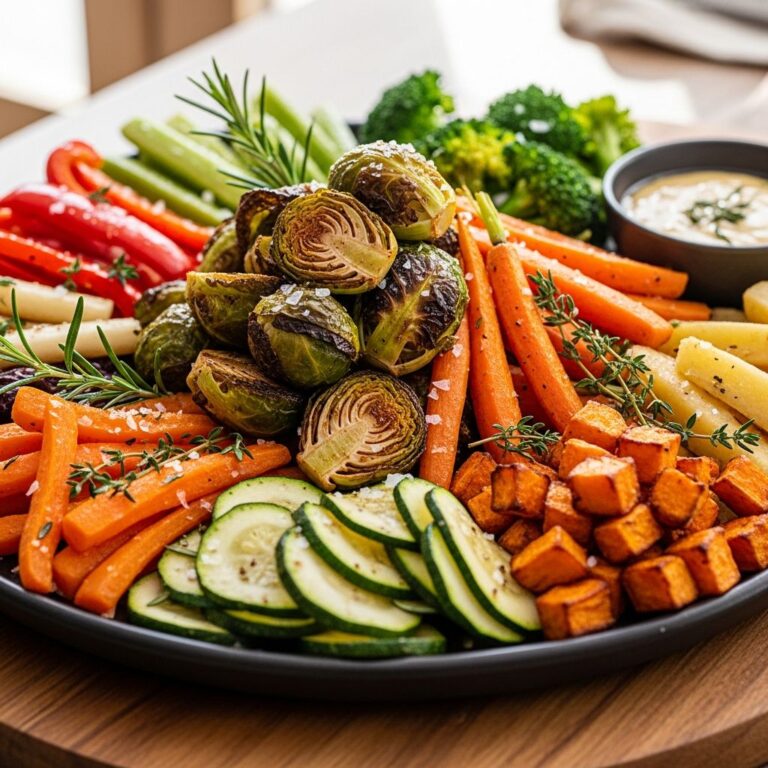
Consuming nutrient-dense foods helps optimize overall cardiovascular function and blood pressure regulation. Foods rich in potassium, magnesium, calcium, and B vitamins support healthy blood pressure maintenance. Including adequate iron sources prevents anemia-related hypotension, while sufficient B-12 and folate intake maintains proper red blood cell function.
The DASH (Dietary Approaches to Stop Hypertension) eating plan provides an excellent framework for individuals concerned about blood pressure fluctuations. This approach emphasizes whole grains, fruits, vegetables, lean proteins, and low-fat dairy products while limiting saturated fat, added sugars, and sodium. Following DASH principles can help stabilize blood pressure throughout the day and reduce postprandial hypotension severity.
Lifestyle Modifications Beyond Diet
Beyond dietary adjustments, several lifestyle changes can help manage postprandial hypotension. Remaining upright for at least 30 minutes after eating allows the body’s compensatory mechanisms to work more effectively than lying down or reclining immediately after meals. Gentle movement and light activity after eating can help maintain blood pressure stability.
Adequate sleep and stress management support autonomic nervous system function and improve blood pressure regulation. Regular physical activity, when appropriate for individual health status, strengthens cardiovascular function and enhances the body’s ability to compensate for postprandial blood flow changes.
When to Seek Medical Attention
While occasional mild dizziness after meals may be normal, persistent or severe postprandial hypotension symptoms warrant professional evaluation. Individuals experiencing frequent fainting, loss of consciousness, chest pain, or severe shortness breath after eating should contact healthcare providers promptly. Medical professionals can assess underlying conditions, review medications, and recommend appropriate treatment strategies tailored to individual circumstances.
Medication Considerations
Several medications can either contribute to or help manage postprandial hypotension. Blood pressure-lowering medications, certain antidepressants, and some diabetes medications may exacerbate postprandial blood pressure drops. Healthcare providers can adjust medications or timing of doses to minimize these effects. In some cases, specific medications targeting postprandial hypotension may be prescribed for individuals with significant symptoms unresponsive to lifestyle modifications.
Key Takeaways
Eating can indeed cause temporary blood pressure reductions through normal physiological processes, particularly in susceptible populations. Understanding the mechanisms behind meal-related hypotension empowers individuals to make dietary and lifestyle choices that support stable blood pressure. By consuming smaller meals, modifying carbohydrate intake, maintaining adequate hydration, and implementing practical strategies, most people can effectively manage postprandial blood pressure changes. Individuals experiencing significant symptoms should work with healthcare providers to develop personalized management plans addressing their specific circumstances and health conditions.
Frequently Asked Questions
Q: Why does eating cause blood pressure to drop?
A: During digestion, your body redirects blood flow to the gastrointestinal tract to process food, temporarily reducing blood flow to other areas. Additionally, hormone release and increased parasympathetic nervous system activity during eating promote blood vessel relaxation, contributing to blood pressure reduction.
Q: Who is most at risk for postprandial hypotension?
A: Older adults, individuals with diabetes, those with Parkinson’s disease, and people with autonomic nervous system dysfunction face higher risks. Additionally, those taking certain medications may be more susceptible to experiencing significant blood pressure drops after eating.
Q: What foods should I avoid if I have postprandial hypotension?
A: Limit large meals, high-carbohydrate foods (especially refined sugars), very hot meals, and alcohol consumption. Instead, choose smaller portions, complex carbohydrates with fiber, adequate protein, and moderate temperatures to minimize blood pressure drops.
Q: Can small dietary changes really help with meal-related low blood pressure?
A: Yes, modifications such as eating smaller meals more frequently, increasing protein and fiber intake, staying well-hydrated, and remaining upright after eating can significantly reduce postprandial hypotension symptoms in many individuals.
Q: When should I see a doctor about low blood pressure after eating?
A: Contact a healthcare provider if you experience frequent fainting, loss of consciousness, severe dizziness that interferes with daily activities, chest pain, or shortness of breath after eating. These symptoms warrant professional evaluation to rule out underlying conditions.
References
- Raise Low Blood Pressure Naturally Through Diet — Healthline, medically reviewed by Kathy W. Warwick, RDN, CDCES. 2025-06-25. https://www.healthline.com/health/low-blood-pressure-diet
- Your Guide to Lowering Your Blood Pressure with DASH — National Heart, Lung, and Blood Institute (NHLBI), U.S. Department of Health and Human Services. 2023. https://www.nhlbi.nih.gov/health/heart-health/high-blood-pressure/dash-eating-plan
- Postprandial Hypotension: A Systematic Review — The American Journal of Geriatric Cardiology. 2024. https://pubmed.ncbi.nlm.nih.gov
- Hypotension Management and Treatment — National Heart, Lung, and Blood Institute (NHLBI), NIH. 2024. https://www.nhlbi.nih.gov/health/health-topics/topics/hyp/treatment
- Vitamin B12 Fact Sheet for Health Professionals — Office of Dietary Supplements (ODS), National Institutes of Health. 2024. https://ods.od.nih.gov/factsheets/VitaminB12-HealthProfessional/
- Coffee and Your Blood Pressure — Harvard Health Publishing, Harvard Medical School. 2024. https://www.health.harvard.edu/heart-health/coffee-and-your-blood-pressure
Similar Articles








Read full bio of medha deb