Will Eating More Chilis Help You Live Longer?
Discover the surprising health benefits of chili peppers and their potential to extend your lifespan.
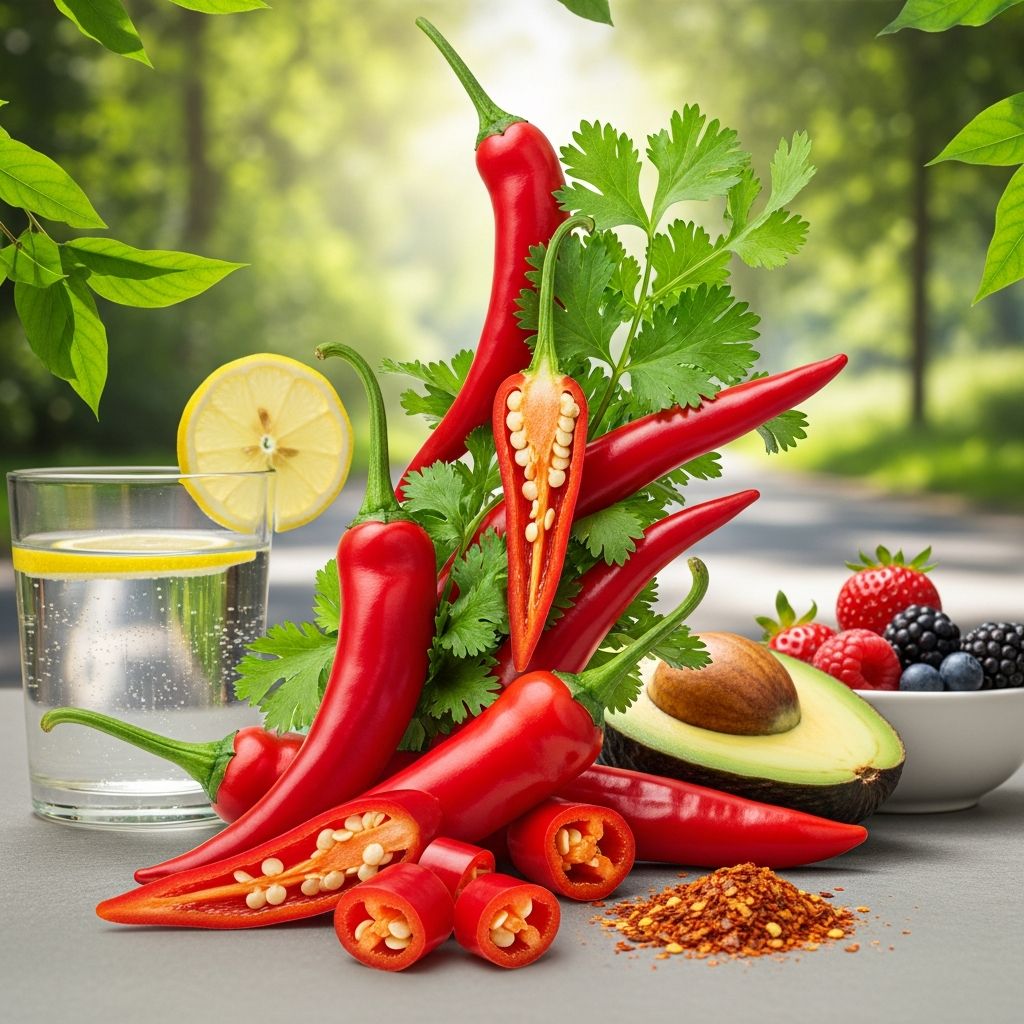
The notion that spicy foods could contribute to a longer life might sound like folklore passed down through generations, but recent scientific research suggests there may be truth to this claim. A comprehensive analysis of health data from over 570,000 individuals across multiple countries has unveiled compelling associations between chili pepper consumption and reduced mortality rates. While these findings are exciting, they also raise important questions about causation, mechanisms, and how much chili pepper we should actually consume.
In November 2020, researchers presented groundbreaking findings at the American Heart Association’s Scientific Sessions suggesting that people who regularly consume chili peppers may live longer and have significantly reduced risks of dying from cardiovascular disease or cancer. However, as with many promising health findings, the story is more nuanced than headlines might suggest.
The Research Behind the Headlines
The analysis that grabbed international attention examined data from four large, international studies involving participants from the United States, Italy, China, and Iran. Researchers screened nearly 4,729 studies from five leading global health databases before identifying studies with sufficient data on chili pepper consumption and health outcomes. This rigorous selection process resulted in an analysis of over 570,000 individuals, making it one of the most comprehensive reviews of chili pepper consumption and mortality.
The findings were striking. Compared to individuals who rarely or never consumed chili peppers, those who ate them regularly showed:
- A 25% reduction in all-cause mortality (death from any cause)
- A 26% reduction in cardiovascular disease mortality
- A 23% reduction in cancer mortality
Dr. Bo Xu, a cardiologist at the Cleveland Clinic’s Heart, Vascular & Thoracic Institute and senior author of the analysis, expressed surprise at the consistency of these findings across different populations. “We were surprised to find that in these previously published studies, regular consumption of chili pepper was associated with an overall risk-reduction of all cause, CVD and cancer mortality. It highlights that dietary factors may play an important role in overall health,” Dr. Xu stated.
A separate study published in the British Medical Journal tracked approximately 500,000 healthy adults in China between 2004 and 2008. This longitudinal research found that people who ate spicy foods every day had a 14 percent lower risk of premature death compared to those who ate them once per week. While this percentage is lower than the 25% figure from the broader analysis, it still represents a meaningful reduction in mortality risk.
Understanding Capsaicin: The Active Ingredient
The potential health benefits of chili peppers are largely attributed to a bioactive compound called capsaicin, which gives chili peppers their characteristic heat and spiciness. Scientific research has identified several mechanisms through which capsaicin may benefit health:
Related Stories



- Anti-inflammatory effects: Capsaicin has been shown to reduce inflammation in the body, a key factor in many chronic diseases.
- Antioxidant properties: This compound helps neutralize harmful free radicals that contribute to aging and disease.
- Anticancer potential: Some studies suggest capsaicin may help prevent or slow cancer cell growth.
- Blood glucose regulation: Capsaicin may help improve insulin sensitivity and blood sugar control.
- Cholesterol management: Research indicates it may help lower cholesterol levels.
- Metabolism enhancement: Capsaicin may increase metabolic rate and support weight management efforts.
- Gut health support: The compound appears to have a positive impact on gut bacteria composition.
Dr. Long Nguyen, an assistant professor of medicine at Harvard Medical School, notes that “spicy food can help metabolism, enhancing feelings of fullness and weight control.” This metabolic boost could be particularly valuable for individuals struggling with weight management, as improved metabolism supports overall health and disease prevention.
Beyond Capsaicin: The Behavioral Factor
While much of the focus has been on capsaicin’s direct biochemical effects, emerging research suggests that the psychological and behavioral experience of eating spicy food may also play a crucial role in its health benefits. Recent studies from Penn State University found an intriguing alternative explanation for why spicy food might promote better health outcomes.
When people eat spicy food, they tend to chew more slowly and deliberately. This altered eating behavior allows them to better manage the spicy sensation, and in doing so, they consume less food overall. The act of slowing down during meals has multiple positive effects: improved digestion, better glucose control, and reduced overall caloric intake. According to Professor John Hayes of Penn State’s food science department, this behavioral change may account for many of the health benefits attributed to capsaicin alone.
This finding suggests that the benefits of spicy food may result from a combination of both the chemical properties of capsaicin and the natural changes in eating behavior that spicy foods encourage. Understanding this dual mechanism helps explain why research shows consistent health benefits across different populations and cultures.
Important Limitations and Caveats
While the research on chili peppers and longevity is encouraging, it’s crucial to understand the limitations of current evidence. Dr. Xu was careful to emphasize these constraints: “The exact reasons and mechanisms that might explain our findings, though, are currently unknown. Therefore, it is impossible to conclusively say that eating more chili pepper can prolong life and reduce deaths, especially from cardiovascular factors or cancer. More research, especially evidence from randomized controlled studies, is needed to confirm these preliminary findings.”
Several specific limitations affect the strength of conclusions we can draw:
- Limited health data: The studies reviewed included limited specific health information on individuals and other factors that may have influenced the findings.
- Variable consumption amounts: The amount and type of chili pepper consumed varied significantly among the studies, making it difficult to determine optimal consumption levels.
- Uncontrolled variables: Studies often didn’t account for lifestyle factors, overall eating habits, food preparation methods, or the specific spices used alongside chili peppers.
- Self-reporting bias: Many studies relied on participants’ self-reports of diet, which can be inaccurate.
- Observational nature: These studies show association, not causation. It’s possible that people who eat more chili peppers have other healthy lifestyle factors that account for their improved longevity.
The research community remains clear that while the associations are promising, randomized controlled trials are needed to establish definitive causal relationships between chili pepper consumption and improved health outcomes.
Broader Dietary Context Matters
An important principle in nutritional science is that individual foods don’t exist in isolation. The overall dietary pattern is what matters most for health. Adding chili peppers to an unhealthy diet won’t magically transform it into a path to longevity. As nutrition experts emphasize, spiciness doesn’t turn fried foods or ultra-processed sauces into superfoods.
Consider the Mediterranean diet, which is widely recognized as one of the healthiest dietary patterns and is associated with longevity. This diet’s benefits don’t come from any single ingredient, including chili peppers, but rather from how all the components work synergistically together. Whole grains, healthy fats, abundant vegetables, legumes, and moderate protein intake create a comprehensive approach to nutrition.
Spicy food can fit perfectly into an otherwise healthy diet, but it’s not a standalone solution for improving health outcomes. The key is ensuring that your overall eating pattern is rich in vegetables, fruits, whole grains, and healthy proteins, with spicy peppers serving as a flavor-enhancing addition rather than a cornerstone of dietary change.
Practical Considerations for Spicy Food Consumption
For those interested in incorporating more chili peppers into their diet based on these research findings, several practical considerations apply:
- Tolerance varies: Spicy food tolerance differs significantly among individuals based on genetics and prior exposure. Start with mild varieties if you’re new to spicy foods.
- Digestive sensitivity: Some people experience heartburn, stomach discomfort, or other digestive issues from spicy foods. Listen to your body and adjust consumption accordingly.
- Preparation matters: Fresh chili peppers typically provide more health benefits than processed hot sauces laden with sodium and additives.
- Moderation is key: Consuming chili peppers in reasonable amounts as part of a balanced diet is more sustainable and beneficial than excessive consumption.
- Timing of consumption: Some people find eating spicy foods earlier in the day is easier on their digestive system than eating them in the evening.
The research doesn’t specify exact amounts of chili pepper consumption needed for health benefits, partly because the studies reviewed included widely varying consumption levels. Until more precise guidelines emerge from future research, the general recommendation is to include chili peppers regularly in your diet as part of an overall healthy eating pattern.
The Future of Chili Pepper Research
The research team that conducted the comprehensive analysis is continuing to analyze their data with plans to publish the full paper soon. Future research directions likely include:
- Randomized controlled trials to establish causation rather than association
- Investigation of optimal consumption amounts and frequency
- Comparison of different types and preparations of chili peppers
- Examination of specific populations that might benefit most from increased consumption
- Detailed mechanistic studies of how capsaicin and related compounds affect human physiology
- Long-term studies tracking individuals over decades
As this research evolves, our understanding of chili peppers’ role in health and longevity will likely become more precise and actionable.
Frequently Asked Questions
Q: How much chili pepper should I eat to get health benefits?
A: Current research doesn’t specify exact amounts, as the studies reviewed used variable consumption levels. The general recommendation is to include chili peppers regularly as part of an otherwise healthy diet, starting with amounts that your digestive system tolerates well.
Q: Are fresh chili peppers better than processed hot sauces?
A: Fresh chili peppers are generally preferred because they contain more capsaicin and fewer additives like sodium and preservatives found in many commercial hot sauces. However, pure chili pepper-based sauces without excessive sodium can be acceptable options.
Q: Can everyone eat spicy food safely?
A: While chili peppers are safe for most people, those with certain digestive conditions like ulcers, irritable bowel syndrome, or GERD may experience discomfort. Consult with your healthcare provider if you have concerns about eating spicy foods.
Q: Does eating chili peppers alone increase lifespan?
A: No. Chili peppers should be part of an overall healthy diet and lifestyle. The research shows associations, not causation, and the benefits are most likely when chili peppers are consumed as part of a balanced, nutritious diet.
Q: What types of chili peppers offer the most health benefits?
A: Research hasn’t definitively established which specific types of chili peppers are superior. However, peppers with higher capsaicin content (typically hotter peppers) likely provide more of the bioactive compounds associated with health benefits, though individual tolerance varies.
References
- People who eat chili pepper may live longer — American Heart Association. 2020-11-09. https://newsroom.heart.org/news/people-who-eat-chili-pepper-may-live-longer
- Do Spicy Food Lovers Live Longer? — NutriBullet Middle East. 2021. https://nutribulletme.com/blogs/news/do-spicy-food-lovers-live-longer
- The Surprising Health Benefits of Spicy Food — TIME Magazine. 2024-12-16. https://time.com/7294645/health-benefits-spicy-food/
- Can the Fire of Chili Peppers Improve Your Health? — Cathe Friedrich Fitness. 2021. https://cathe.com/can-the-fire-of-chili-peppers-improve-your-health/
Similar Articles








Read full bio of medha deb