Eating Disorders in Sport: Prevalence and Solutions
Understanding why eating disorders are common in athletics and effective strategies to tackle them.
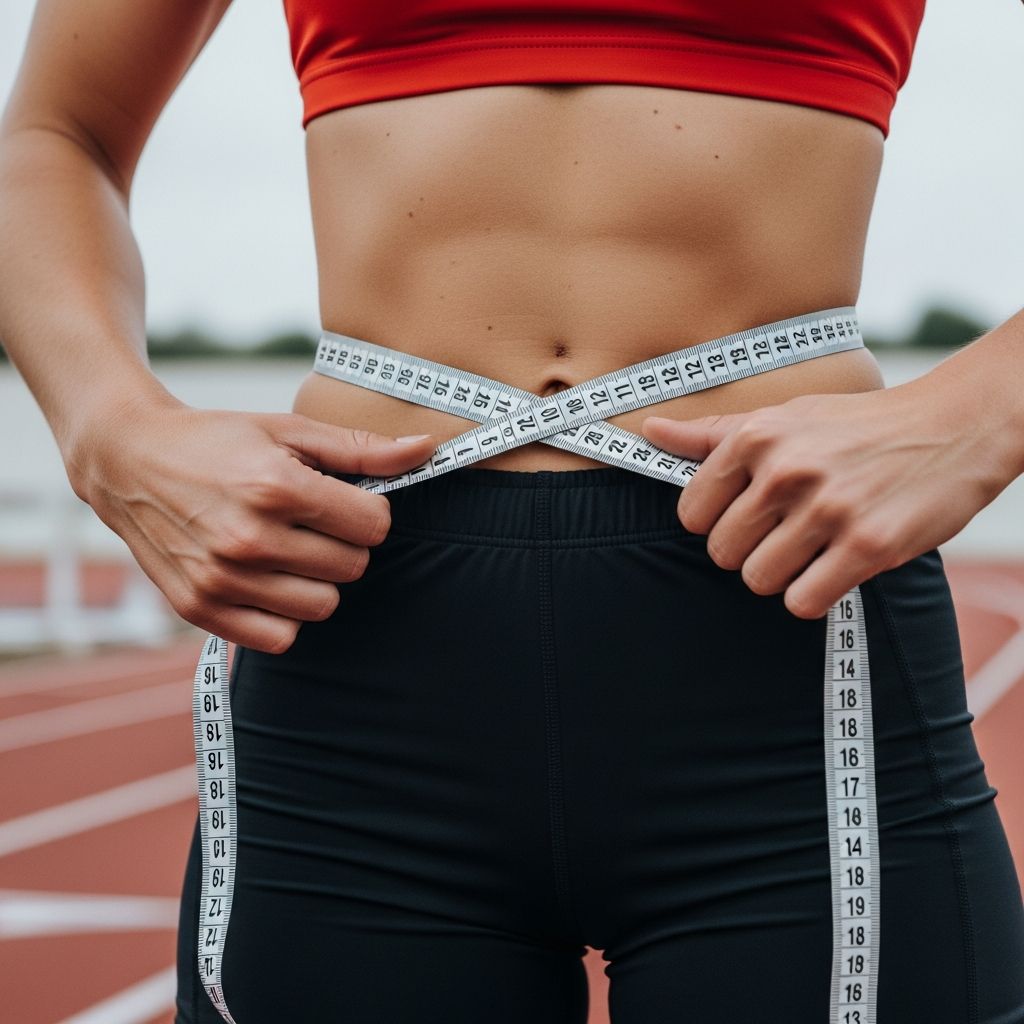
Eating Disorders in Sport: Why Are They So Common and How Can We Tackle Them?
Eating disorders represent a significant yet often overlooked health crisis in the athletic community. Unlike the general population, where eating disorders affect approximately 1.6% of U.S. adults and 2% of adolescents, athletes experience dramatically elevated rates. The prevalence of disordered eating and clinical eating disorders in athletes ranges from 6–45% in female athletes and 0–19% in male athletes, with some specialized sports reporting rates as high as 42% among female competitors. This disparity highlights a critical intersection between sports culture, body image pressures, and mental health that demands urgent attention from coaches, medical professionals, parents, and athletes themselves.
Understanding the Scope of the Problem
The prevalence of eating disorders varies significantly based on sport type, gender, and competitive level. Research examining elite Norwegian athletes found that 13.5% of athletes had subclinical or clinical eating disorders, compared to just 4.6% in the general population. More notably, female athletes competing in aesthetic sports—such as gymnastics, ballet, diving, and figure skating—showed prevalence rates as high as 42%. Male athletes competing in antigravitation sports (those where body weight directly affects performance), including weightlifting and bodybuilding, demonstrated rates of 22%.
In collegiate settings, the numbers are equally concerning. Studies of NCAA athletes reveal that approximately 34.75% of female athletes are at risk for anorexia nervosa, compared to 9.5% of males. Additionally, up to 70% of female athletes may engage in disordered eating behaviors such as food restriction and intentional weight loss, even if they do not meet full diagnostic criteria for an eating disorder.
Which Sports Carry the Highest Risk?
Not all sports carry equal risk for eating disorders. The distinction between “lean sports” and “non-lean sports” is critical for understanding vulnerability. Leanness-dependent and weight-dependent sports show substantially higher prevalence rates of eating disorders.
| Sport Category | Examples | Risk Level | Prevalence in Female Athletes |
|---|---|---|---|
| Aesthetic Sports | Gymnastics, ballet, figure skating, diving | Highest | 42% |
| Endurance Sports | Running, cycling, cross-country, swimming | Moderate-High | 24% |
| Technical Sports | Martial arts, rock climbing | Moderate | 17% |
| Ball Game Sports | Basketball, soccer, volleyball | Lower | 16% |
For male athletes, the pattern differs slightly. Antigravitation sports (22%) show higher prevalence than ball games (5%) and endurance sports (9%). This gender difference reflects distinct cultural and physiological pressures: female athletes in aesthetic sports face subjective judging that emphasizes appearance, while male athletes in weight-dependent sports feel pressure to manipulate body composition for competitive advantage.
Why Are Eating Disorders So Common in Sport?
Multiple interconnected factors create a perfect storm for eating disorders in athletic environments:
Performance Pressure and Weight Loss Culture
In sports where lower body weight is perceived as an advantage—such as distance running, swimming, and cycling—athletes often pursue aggressive weight loss strategies. Coaches and training cultures may implicitly or explicitly encourage these behaviors, normalizing disordered eating as part of elite performance. Athletes competing at higher levels face intensified pressure, as they seek every marginal advantage.
Subjective Judging and Appearance Standards
Sports with subjective evaluation components create distinct vulnerabilities. In aesthetic sports including ballet, gymnastics, diving, and figure skating, body appearance directly influences scoring. Unlike objective sports where performance metrics are measurable and independent of physique, athletes in judged sports internalize appearance standards as performance determinants.
Related Stories



Individual Performance Focus
Athletes in individual performance sports (running, swimming, cycling, cross-country) face greater eating disorder risk than those in team sports. This reflects both the direct relationship between body weight and individual performance metrics and the psychological isolation of individual competition, which may amplify perfectionist tendencies and body dissatisfaction.
Gender Disparities
The data consistently show that female athletes are three times more likely than male athletes to be at risk for disordered eating. This reflects broader societal pressures on women regarding body image, compounded by sport-specific expectations. In female-dominated aesthetic sports, lean physiques are not merely preferred—they are often presented as mandatory for success.
Clinical Manifestations and Risk Behaviors
Eating disorders in athletes manifest across a spectrum, from subclinical disordered eating behaviors to full clinical syndromes. Almost one-third (28.8%) of sports medicine clinic patients reported at least one occurrence of subjective or objective binge eating, purging, or compulsive exercise within 28 days. These behaviors often co-occur with excessive exercise, creating a particularly dangerous pattern.
In a sports medicine clinic cohort, 24% of female patients seeking care for musculoskeletal injuries met screening criteria for disordered eating, suggesting a significant relationship between eating disorders and sports injuries. Research has identified concerning correlations: female high school athletes with elevated restraint subscale scores were 7 times more likely to experience musculoskeletal injury, while those with elevated shape concern were 4.2 times more likely to suffer injury.
Early Detection: The Foundation of Intervention
Effective management of eating disorders in athletes begins with early identification. Healthcare providers and coaches should recognize warning signs including:
- Sudden, unexplained weight loss or weight preoccupation
- Restrictive eating patterns or avoiding entire food groups
- Excessive or ritualistic exercise beyond normal training
- Preoccupation with body weight, shape, or appearance
- Social withdrawal or anxiety around mealtimes
- Performance decline despite increased training
- Frequent illness or stress injuries
- Perfectionist or obsessive personality traits
Standardized screening tools, such as the Eating Disorder Examination Questionnaire (EDE-Q), enable systematic identification of at-risk athletes in clinical settings. A collaborative approach involving coaches, athletic trainers, parents, physicians, and the athletes themselves is essential for recognizing and addressing eating disorders.
Prevention Strategies: A Multifaceted Approach
Prevention of eating disorders in sports requires systemic interventions across multiple levels:
Sports-Specific and Gender-Specific Programming
Current evidence highlights a critical need for sport- and gender-specific prevention programs tailored to the unique risk profiles of different athletic populations. Generic eating disorder education proves less effective than targeted interventions addressing the specific pressures within particular sports. Programs should acknowledge that a distance runner faces different pressures than a gymnast and that male and female athletes within the same sport may experience distinct vulnerabilities.
Organizational Culture Change
Sports organizations must actively challenge weight-loss-focused training cultures. This includes:
- Educating coaches on nutrition science and performance physiology separate from appearance
- Eliminating weigh-ins unless medically necessary
- Emphasizing health markers and functional fitness over body weight
- Creating psychologically safe environments where athletes feel comfortable disclosing eating or body concerns
- Establishing clear policies against weight-related comments or body shaming
Athlete Education and Empowerment
Athletes themselves are powerful agents for change. Education programs addressing nutrition, body diversity, performance physiology, and mental health resilience enable athletes to make informed choices and recognize disordered thinking patterns early. Peer-based interventions and athlete mentorship programs have demonstrated particular promise in creating culture shifts.
Management and Treatment of Eating Disorders in Athletes
Once identified, eating disorders in athletes require comprehensive, evidence-based treatment. With early intervention, education, and compassionate, evidence-based care, athletes can recover while safeguarding their health and performance. Treatment typically involves:
- Medical management: Assessment and treatment of physical consequences including electrolyte imbalances, bone density loss, and cardiovascular complications
- Nutritional rehabilitation: Structured meal planning and nutritional counseling to restore healthy eating patterns and adequate energy availability
- Psychological therapy: Cognitive-behavioral therapy (CBT) and other evidence-based approaches addressing underlying body image disturbance, perfectionism, and disordered cognitions
- Sport-specific modifications: Temporary training reduction or modification to allow physiological recovery while maintaining psychological engagement with sport
- Multidisciplinary coordination: Communication among physicians, therapists, nutritionists, coaches, and athletes to ensure consistent messaging and comprehensive care
Long-term follow-up is particularly important for both female and male athletes with eating disorders, as relapse risk remains elevated and sports re-engagement must be carefully managed to prevent recurrence.
Future Directions: Research and Practice Gaps
Several critical gaps in current knowledge require urgent attention. Research is needed to better understand:
- Possible male athlete triad (comparable to the female athlete triad/relative energy deficiency in sport)
- Mechanisms linking specific sport characteristics to eating disorder risk
- Long-term outcomes and relapse prevention strategies for treated athletes
- Optimal timing and intensity of prevention interventions for different age groups and sport types
- The relationship between disordered eating and musculoskeletal injury etiology and outcomes
Frequently Asked Questions
Q: Are eating disorders in athletes the same as in the general population?
A: While the underlying psychological mechanisms are similar, eating disorders in athletes often develop within a context of performance pressures, body weight concerns related to sport-specific advantages, and cultures that may normalize restrictive eating. This requires sport-informed treatment approaches.
Q: Can athletes with eating disorders continue competing?
A: Resumption of training and competition depends on medical stability, nutritional recovery, and psychological readiness. Premature return to sport risks relapse and medical complications. A gradual, supervised approach with multidisciplinary oversight typically yields the best outcomes.
Q: What should parents and coaches do if they suspect an athlete has an eating disorder?
A: Report concerns to a sports medicine physician or healthcare provider. Approach the athlete with compassion rather than accusation, focus on health rather than appearance, and facilitate professional evaluation. Avoid unsolicited commentary on weight or eating habits.
Q: Are some sports inherently problematic for people with eating disorder histories?
A: Athletes with eating disorder histories may find certain sports—particularly weight-dependent or aesthetic sports—more triggering. Individualized assessment with mental health professionals can guide safe sport participation decisions.
Q: How can team culture prevent eating disorders?
A: Foster cultures emphasizing health, diversity of body types and backgrounds, functional fitness over appearance, psychological safety, and open communication about pressures. Normalize discussion of nutrition, mental health, and body image concerns.
References
- Eating disorders in athletes: overview of prevalence, risk factors and suggestions for prevention and treatment — PubMed/National Center for Biotechnology Information. 2013. https://pubmed.ncbi.nlm.nih.gov/24050467/
- Prevalence of eating disorders in elite athletes is higher than in the general population — International Journal of Eating Disorders, PubMed/NCBI. 2004. https://pubmed.ncbi.nlm.nih.gov/14712163/
- Eating Disorders in Female Athletes — Mass General Brigham, Department of Psychiatry. 2025. https://www.massgeneralbrigham.org/en/about/newsroom/articles/eating-disorders-in-female-athletes
- The Prevalence of Disordered Eating in a Sports Medicine Clinic — Orthopaedic Journal of Sports Medicine. 2021. https://orthojournalhms.org/22/2021article26_32.html
- Identifying and Treating Eating Disorders in Athletes: Understanding LEA & RED-S — American College of Sports Medicine (ACSM). 2025. https://www.acute.org/resources/treating-eating-disorders-athletes
Similar Articles








Read full bio of Sneha Tete