Eating Nuts For Heart Health: 5 Nuts To Cut Heart Disease Risk
Discover how incorporating nuts into your diet can significantly lower your risk of heart disease and improve cardiovascular health.
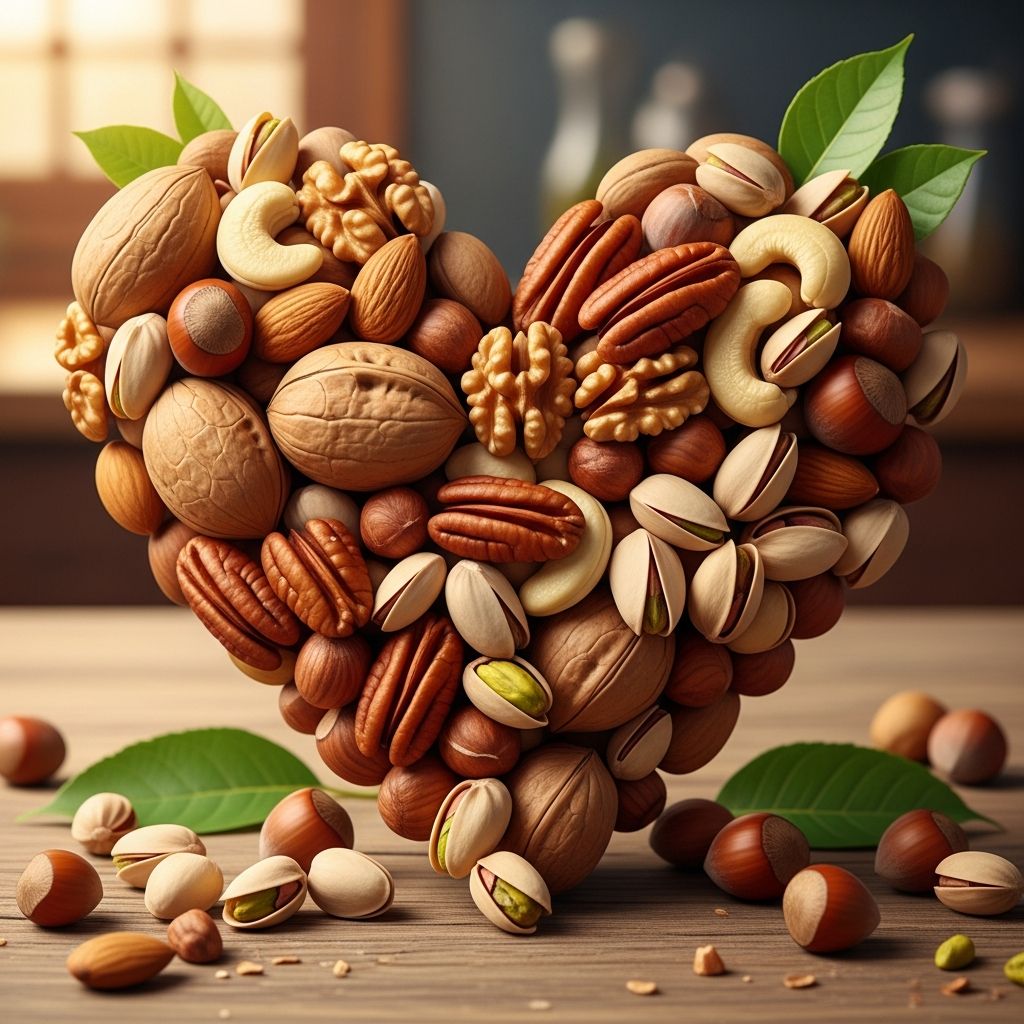
Regular consumption of nuts is linked to a significantly lower risk of cardiovascular disease (CVD) and coronary heart disease (CHD). Large cohort studies show that eating nuts five or more times per week can reduce CVD risk by 14% and CHD risk by 20% compared to rare consumption.
Why Are Nuts Good for Your Heart?
Nuts provide multiple heart-protective benefits through their nutrient profile. They contain
unsaturated fats
, particularly monounsaturated and polyunsaturated fats, which help lower LDL (“bad”) cholesterol levels. Additionally, many nuts are rich inomega-3 fatty acids
, which reduce the risk of heart attacks and strokes by preventing irregular heart rhythms.Fiber in nuts lowers cholesterol absorption and promotes satiety, aiding weight management—a key factor in heart health. Research also indicates nuts reduce inflammation associated with heart disease and diabetes, improve artery function, and decrease blood clot risk.
In one analysis of over 210,000 health professionals followed for up to 32 years, those eating one ounce (28 grams) of nuts five or more times weekly had a 14% lower CVD risk and 20% lower CHD risk. Walnuts, peanuts, and tree nuts showed specific benefits, with walnuts (one or more times/week) linked to 13-19% lower CVD risk.
How Much Nuts Should You Eat?
A handful of nuts—about
1 ounce or 28 grams
daily—is the recommended amount for optimal benefits. Studies confirm that consuming this quantity five or more times per week yields the greatest reductions in heart disease risk.- **Total nuts**: 5+ servings/week → 14% lower CVD risk, 20% lower CHD risk.
- **Walnuts**: 1+ serving/week → 13-19% lower CVD/CHD risk.
- **Peanuts/tree nuts**: 2+ servings/week → Similar risk reductions.
- For type 2 diabetes patients, 5 servings/week post-diagnosis lowers CVD risk by 11-34%.
One study found daily 30-gram intake associated with 20-25% lower CVD risk. Mixed nuts help maintain weight loss and improve satiety compared to carb snacks like pretzels.
Best Nuts for Heart Health
All nuts offer benefits, but some stand out due to unique nutrient profiles. Here’s a comparison:
| Nut Type | Key Heart Benefits | Serving Size (1 oz) | Calories |
|---|---|---|---|
| Walnuts | High omega-3s; 15-23% lower CHD risk | 14 halves | 185 |
| Almonds | Vitamin E, monounsaturated fats; lowers LDL | 23 nuts | 164 |
| Pistachios | Antioxidants, fiber; improves artery health | 49 kernels | 159 |
| Pecans | Antioxidants; reduces inflammation | 19 halves | 196 |
| Peanuts | Resveratrol, niacin; 13-19% lower CVD risk | 28 nuts | 161 |
Mixed nuts combine benefits, as shown in a trial where they improved cardiovascular markers and mood more than pretzels. A Mediterranean diet with mixed nuts (almonds, hazelnuts, walnuts) reduced major CVD events by 28%.
Other Health Benefits of Eating Nuts
Beyond heart health, nuts support overall wellness:
- Weight management: Despite calories, nuts promote satiety and do not cause weight gain when eaten in moderation. One study showed better weight maintenance with nuts vs. pretzels.
- Diabetes risk: Nut eaters have lower type 2 diabetes risk; post-diagnosis intake cuts CVD mortality by 31%.
- Gut health: May positively alter microbiome, linking to better cardiovascular outcomes.
- Longevity: Inverse association with total mortality; regular consumers have lower all-cause death risk.
- Mood improvement: Mixed nuts enhanced mood in trials.
Related Stories



Are There Any Risks or Downsides?
Nuts are calorie-dense (160-200 kcal/oz), so portion control prevents weight gain. Choose unsalted, unroasted varieties to avoid excess sodium or unhealthy oils. Those with nut allergies should avoid them. While benefits are strong, evidence is mostly observational; randomized trials confirm effects but causality needs more study.
Nuts do not significantly affect blood pressure or stroke risk in all reviews, though cholesterol improvements are consistent.
Practical Tips for Adding Nuts to Your Diet
Incorporate nuts easily for heart benefits:
- Snack on a handful mid-morning or afternoon.
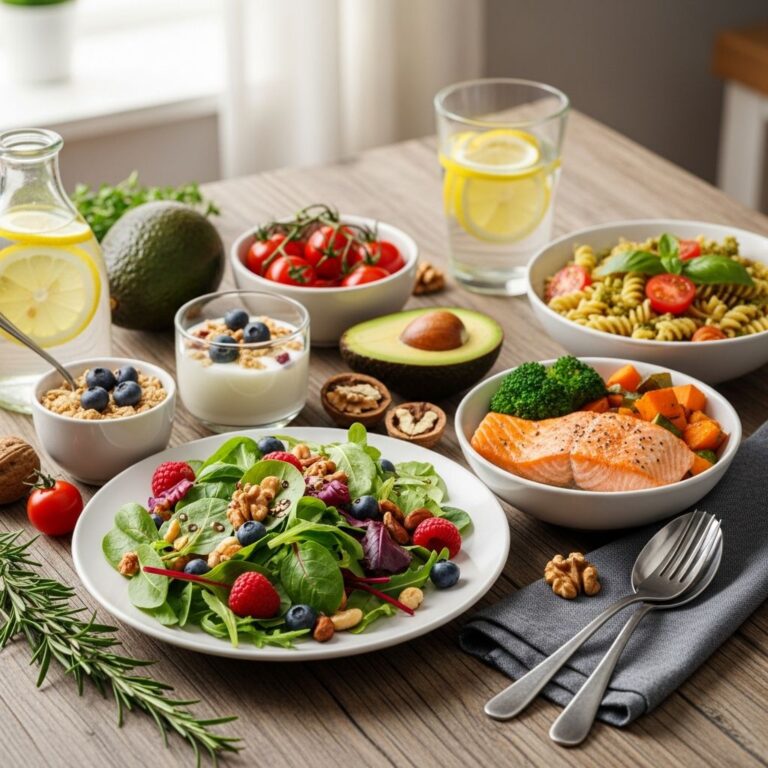
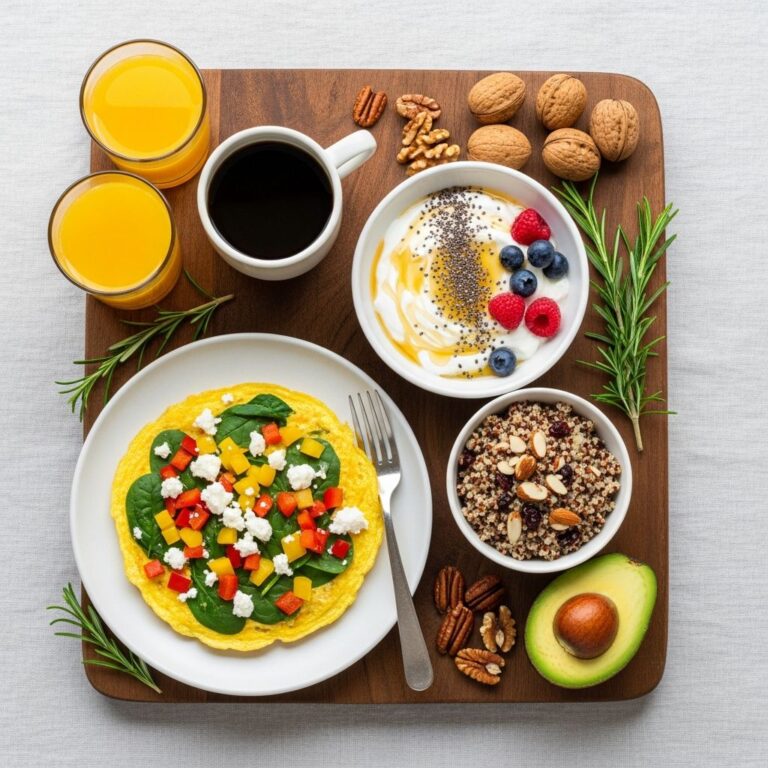
- Add to salads, yogurt, or oatmeal.
- Blend into smoothies or energy balls.
- Top stir-fries or roasted veggies.
- Choose raw or dry-roasted; limit flavored/salted.
Replace unhealthy snacks like chips with nuts. Aim for variety, including walnuts weekly.
Frequently Asked Questions (FAQs)
What is the best time to eat nuts for heart health?
Any time works, but as snacks between meals maximizes satiety and prevents overeating. Studies show benefits from daily handfuls regardless of timing.
Can eating nuts lower cholesterol?
Yes, unsaturated fats and fiber in nuts lower LDL cholesterol and triglycerides. Frequent intake reduces inflammation linked to high cholesterol.
Are peanuts as good for the heart as tree nuts?
Yes, peanuts (a legume) offer similar benefits, with 13-19% lower CVD risk at 2+ servings/week.
How many calories are in a handful of nuts?
About 160-200 calories per ounce (handful). This supports heart health without weight gain if replacing other calories.
Do roasted nuts lose heart-healthy benefits?
Dry-roasted retain most benefits; oil-roasted may add unhealthy fats. Opt for raw or dry-roasted.
Can nuts help if I have diabetes?
Absolutely—5 servings/week reduces CVD risk by 17-34% in type 2 diabetes patients.
References
- Eating mixed nuts can improve cardiovascular health and your mood — UCLA Health. 2023-10-18. https://www.uclahealth.org/news/article/eating-mixed-nuts-can-improve-cardiovascular-health-and-your
- Nuts and your heart: Eating nuts for heart health — Mayo Clinic. 2023-11-15. https://www.mayoclinic.org/diseases-conditions/heart-disease/in-depth/nuts/art-20046635
- Nuts for the Heart — Harvard T.H. Chan School of Public Health. 2024-01-10. https://nutritionsource.hsph.harvard.edu/nuts-for-the-heart/
- Health in a Nutshell: Daily Nut Consumption Could Help Your Heart — Powers Health. 2023-03-21. https://www.powershealth.org/about-us/newsroom/health-library/2023/03/21/health-in-a-nutshell-daily-nut-consumption-could-help-your-heart
- Nut Consumption and Risk of Cardiovascular Disease — PMC (National Library of Medicine). 2017-12-20. https://pmc.ncbi.nlm.nih.gov/articles/PMC5762129/
- Eating Nuts for Your Heart — FEPBlue. 2018-01-23. https://www.fepblue.org/news/2018/01/23/11/54/eating-nuts-for-your-heart
Similar Articles








Read full bio of medha deb