Eating Out When You Have Diabetes: 8 Expert Tips In 2025
Expert tips to enjoy dining out with diabetes: plan ahead, choose wisely, and maintain blood sugar control without missing out on social meals.
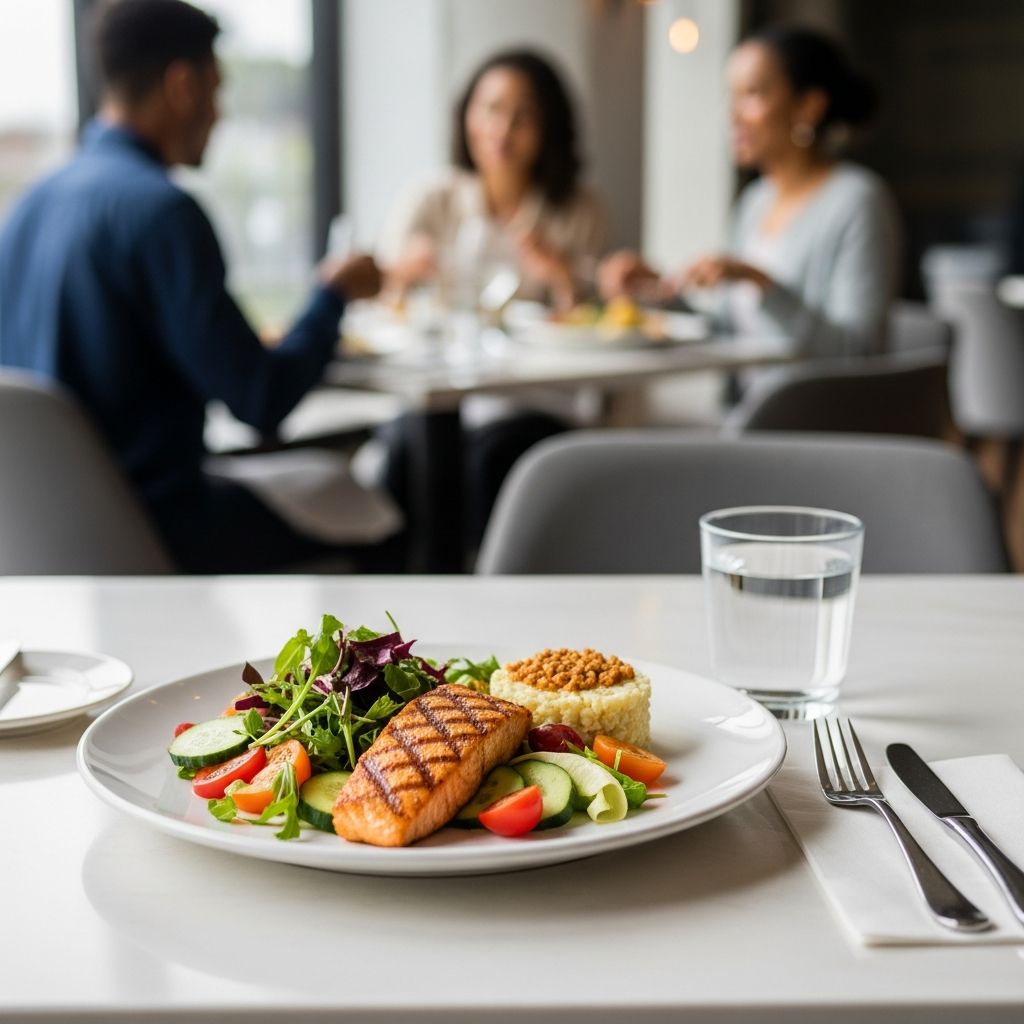
Whether it’s a casual café meetup, a business lunch, or a celebratory dinner, eating out is a cherished part of social life. For people with diabetes, it presents unique challenges in maintaining stable blood sugar levels, avoiding complications like diabetic ketoacidosis (DKA), and sticking to healthy eating principles. With thoughtful planning and smart choices, you can savor these moments without compromising your health.
Follow the Healthy Eating Rules
Managing diabetes while dining out starts with adhering to core healthy eating guidelines, even when you’re not in control of the kitchen. Pav Kalsi, Clinical Director at Planet Nourish, emphasizes that changes in routine or diet don’t have to disrupt diabetes control. “It can be balanced by adjusting the amount – and timing – of any insulin that you take,” she advises. Consult your healthcare team to learn how to tweak insulin doses based on meals.
If you’re not on insulin, focus on nutritious food selections, healthier cooking methods (like grilling over frying), and appropriate portion sizes. Restaurant menus often tempt with indulgent options, but prioritizing whole foods, lean proteins, and vegetables keeps blood sugar steady and supports overall well-being.
Eating Out Like an Expert
Mastering restaurant dining with diabetes involves proactive strategies. From pre-meal research to on-the-spot decisions, these tips empower you to make informed choices that align with your diabetes management plan.
Plan Ahead
Preparation is key to stress-free dining. Most restaurants post menus online, often with nutritional breakdowns for calories, carbs, and more. Review these before booking to ensure healthy options are available and calculate carb intake if needed. This allows precise insulin adjustments and helps you avoid high-risk dishes.
Call ahead to inquire about customization, like extra vegetables or sauce on the side. For chains, apps from places like University Health recommend scouting menus for diabetes-friendly picks. Check your blood sugar before heading out for better decision-making.
Ask Questions
Don’t hesitate to engage staff. Ask about ingredients, preparation methods, and substitutions. Is the sauce creamy or vinaigrette-based? Grilled or fried? These details reveal hidden carbs, sugars, or fats. Staff are usually accommodating, especially when you explain dietary needs.
Watch Your Carbs
Carbohydrates directly impact blood sugar, so prioritize quality and quantity. Opt for complex carbs like whole grains, quinoa, legumes, leafy greens, berries, and carrots, which release energy slowly due to high fiber content. Limit refined grains, processed foods, sugary items, white bread, and pastries.
Use carb-counting apps or familiar portion estimates. Dr. Alberto Chavez-Velazquez from University Health notes, “Carbs have the most impact on blood sugar levels.” Aim for balance to prevent spikes.
Watch Your Fat
Saturated fats from fried foods, fatty meats, creamy sauces, and dressings promote weight gain and cardiovascular risks, common concerns for those with diabetes. Request unsaturated alternatives like olive oil, or sauces on the side. Choose lean proteins and steaming over deep-frying.
Related Stories



Healthy fats from avocados, nuts, and fish support heart health without derailing glucose control.
Fill Up with Vegetables
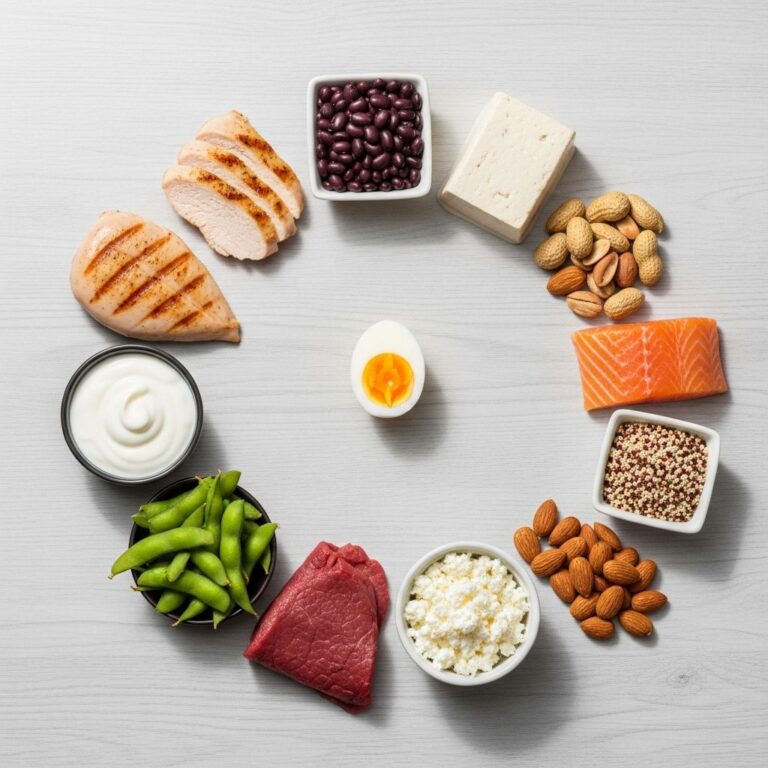
Vegetables are low-carb, fiber-rich allies that promote satiety and balance meals. The UK government’s Eatwell Guide recommends one-third of your plate be vegetables, paired with palm-sized lean protein like chicken breast, fish, tofu, eggs, lentils, or beans.
Start with a side salad or veggie soup. Non-starchy options like broccoli, spinach, and peppers add volume without carb overload.
Look Out for Hidden Sugar and Salt
Sauces, marinades, dressings, and glazes often pack added sugars and sodium, spiking blood sugar or blood pressure. Request them separately and use sparingly, or swap for lemon juice, vinegar, or herbs.
Desserts are sugar bombs—share one or choose fresh fruit, which offers nutrients and slower absorption despite natural sugars. Avoid candy, soda, sweet tea, and processed sweets.
Drink Wisely
Beverages can sabotage efforts; a large fizzy drink holds 10+ teaspoons of sugar. Choose water (still or sparkling with fruit slices), diet sodas, or unsweetened teas. Juices, smoothies, and alcoholic drinks like cocktails count toward carbs—factor them in.
Alcohol in moderation: dry wines or spirits with soda water. Stay hydrated to support blood sugar stability.
Watch Your Portion Sizes
Restaurants supersize everything. Combat this by ordering starters as mains, kids’ portions, or sharing plates. Eat mindfully, slowly, and stop when full—don’t clean your plate. Box half for later to manage calories and carbs.
Avoid filling up on bread baskets or appetizers. KidsHealth suggests splitting sandwiches or sneaking a few fries instead of a full order.
Diabetes-Friendly Restaurant Choices
Select venues with grilled, steamed, or baked options over fried. Prioritize places offering salads, veggie sides, and lean proteins. Examples:
- Grilled fish or chicken with steamed veggies.
- Stir-fries with tofu and brown rice (request light sauce).
- Salads topped with beans or eggs, oil-vinegar dressing.
- Soups like broth-based vegetable, not creamy.
Fast food? Choose grilled items, salads, or wraps without mayo.
| Food Category | Diabetes-Friendly Picks | Foods to Limit/Avoid |
|---|---|---|
| Proteins | Grilled chicken, fish, tofu, lentils | Fried meats, sausages, bacon |
| Carbs | Quinoa, whole grains, sweet potatoes | White rice, fries, pastries |
| Veggies | Leafy greens, broccoli, carrots | Creamed or battered veggies |
| Fats | Avocado, olive oil, nuts | Butter, creamy dressings |
| Drinks | Water, diet soda, herbal tea | Sugary sodas, juices, sweet cocktails |
Special Considerations
Blood Sugar Monitoring: Check levels before and after eating, especially if adjusting insulin. Consistent timing aids control.
Timing Meals: If on medication, eat regularly. Intermittent fasting may suit some but consult your doctor.
Social Pressure: Politely decline extras; focus on enjoyment over indulgence.
Frequently Asked Questions (FAQs)
Q: Can I eat pizza with diabetes?
A: Yes, opt for thin-crust with veggie toppings, limit cheese, and pair with salad. Skip deep-dish.
Q: Is alcohol safe when dining out?
A: Moderation is key—choose low-carb options like dry wine. Monitor blood sugar as it can cause lows.
Q: How do I handle buffets?
A: Fill half your plate with veggies/protein first, measure carbs visually, avoid seconds on starches.
Q: What if the menu lacks healthy options?
A: Customize: grilled protein, double veggies, sauce aside. Or pick another spot after planning.
Q: Should I fast before big meals?
A: No—eat small balanced meals/snacks to stabilize sugar. Discuss with your provider.
These strategies, drawn from expert guidance, ensure dining out enhances life without health risks. Always tailor to your diabetes type and consult professionals.
References
- How to eat out with diabetes — Patient.info. 2023. https://patient.info/features/diabetes/eating-out-when-you-have-diabetes
- Diabetes-Friendly Choices When Dining Out — University Health. 2024-05-15. https://www.universityhealth.com/blog/how-to-make-diabetic-friendly-choices-when-dining-out
- Eating at Restaurants When You Have Diabetes — KidsHealth (Nemours). 2023. https://kidshealth.org/en/teens/eating-out-diabetes.html
- Tips for Eating Well — American Diabetes Association. 2025-01-10. https://diabetes.org/food-nutrition/eating-healthy
- Diabetes diet and exercise — Patient.info (Reviewed by GP). 2024. https://patient.info/doctor/endocrine-disorders/diabetes-diet-and-exercise
Similar Articles








Read full bio of Sneha Tete