Dining Out With Young Children: Essential Parent Tips
Practical tips for parents to make restaurant meals healthy, fun, and educational for young children while building lifelong good habits.
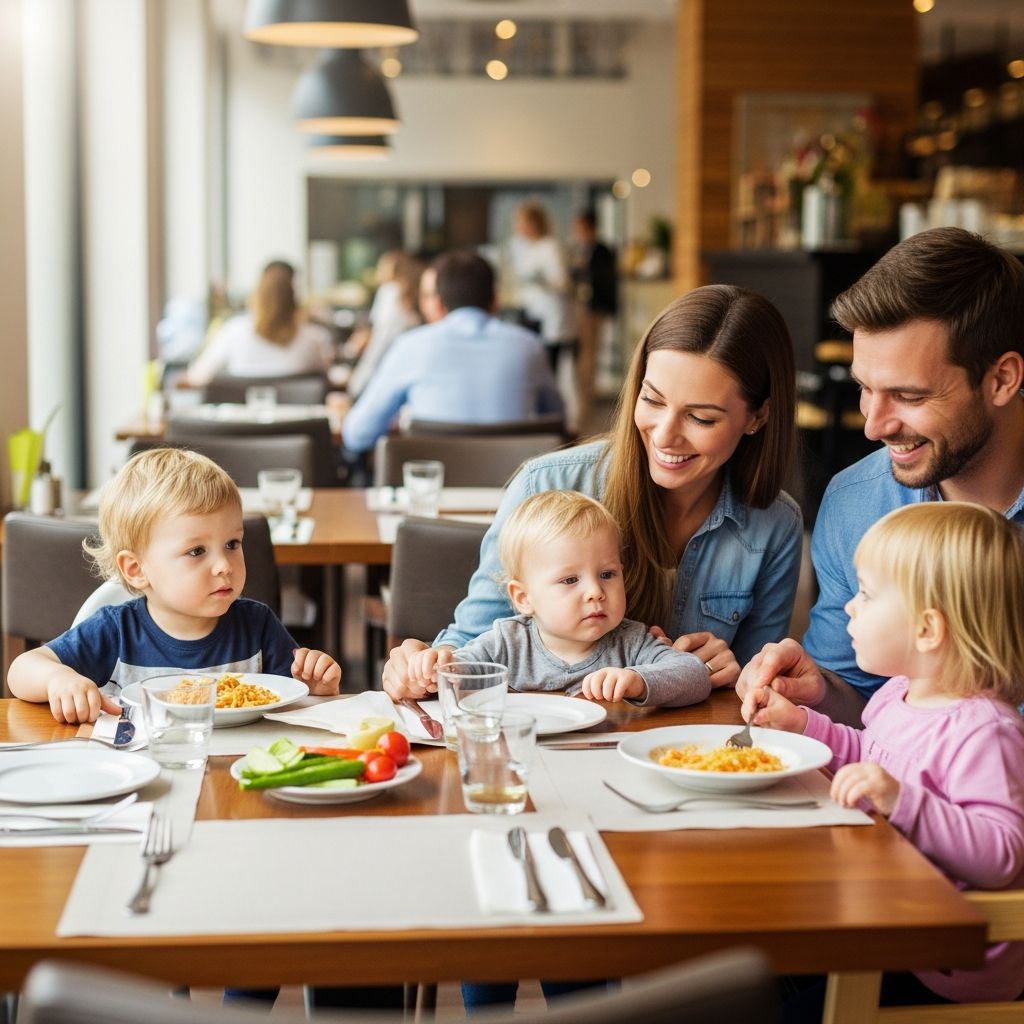
A child’s life is full of firsts—first steps, first words, first tooth—and for parents who enjoy dining out, there’s the child’s first restaurant meal. These outings offer big opportunities to instill lifelong healthy dining habits, fostering curiosity about food and proper table behavior. With thoughtful planning, restaurant visits can be nutritious, enjoyable, and educational for the whole family.
Choose Kid-Friendly Restaurants
Selecting the right restaurant sets the stage for a successful outing. Opt for establishments that cater specifically to children, featuring nutritious children’s menus with smaller portion sizes tailored to young bodies’ needs. These menus often include balanced meals providing essential nutrients without excess calories.
Many restaurants post menus online, allowing parents to preview options ahead of time. Look for variety in fruits, vegetables, lean proteins, and whole grains. Chains with kids’ meal standards or family sections are ideal, as they prioritize age-appropriate nutrition. Planning reduces stress and ensures everyone eats well.
- Check online menus for healthy kids’ options like grilled chicken, steamed veggies, and fruit sides.
- Avoid places heavy on fried foods, sugary drinks, or oversized portions.
- Consider timing: Early dining (e.g., 5 PM) means fewer crowds and fresher kid energy.
According to family health experts, choosing venues with healthy choices models good habits and keeps meals balanced even away from home.
Fruit First
Start with fruit to keep kids occupied and nourished while adults enjoy appetizers. Depending on age—mashed bananas for toddlers or finger foods for older kids—request cut-up pieces like apple slices, berries, or melon. This contributes to the recommended 1 cup of fruit daily for young children, per USDA guidelines.
Fruit provides natural sweetness, fiber, and vitamins, curbing hunger without empty calories. It’s a low-risk intro to new flavors and textures, promoting variety in diets crucial for growth.
Pro Tip: Ask for plain fruit without added sugars or dips to maintain health benefits.
Go Small
Choking is a top concern with young eaters, so cut all solid foods into tiny, manageable bites. This includes grapes (halve or quarter them), meat, poultry, bread, and vegetables. Small pieces reduce risks while allowing kids to self-feed, building independence.
Supervise closely during meals. The American Academy of Pediatrics emphasizes age-appropriate sizes: for under 4s, no whole grapes, hot dogs, or large chunks. This simple step prevents emergencies and lets families focus on enjoyment.
Table Lessons
Dining out teaches invaluable skills: slowing down, savoring flavors, and proper etiquette. Parents are key role models—set a relaxed pace, chew thoroughly, and engage positively. This encourages healthy curiosity about food and table manners.
Make it interactive: Discuss colors, textures, and tastes. “What does this broccoli taste like?” prompts mindfulness. Research shows family meals, even out, improve eating behaviors and bonds.
Pass the Pasta, Please
Pasta is a perennial kid favorite and smart choice. Opt for easy-to-handle shapes like penne, macaroni, or shells, paired with a drizzle of olive oil or simple marinara sauce. These provide energy from carbs, plus heart-healthy fats or lycopene from tomatoes.
Related Stories



Keep portions modest; pasta’s familiarity comforts while introducing basics. Customize: Whole-wheat versions boost fiber for older toddlers.
Simple Is Best
Restaurant sides often pack hidden salt or seasonings, even on “healthy” steamed veggies. Request plain preparations—no added salt—and season lightly at the table. Choose baked or sweet potatoes, mashing them yourself for control.
This preserves natural flavors and nutrients. The Academy advises minimal processing for kids’ developing palates and sodium-sensitive bodies.
Beware the Hot Stuff
Kids’ speed can lead to burns, so test all hot foods first. Let items cool adequately, and skip spicy options that irritate young mouths or tummies. Vigilance ensures safety amid excitement.
Common culprits: Soups, grilled meats, fries. Blow on bites and cut into safe sizes simultaneously.
Try New Foods, Too!
Adventure varies by child, but exposure builds nutrient diversity. Offer 2-3 options from the menu, letting them choose. Share a bite from your plate or order sauces on the side for plain trials.
Studies link variety to better nutrition; repeat exposures (up to 10-15 times) overcome neophobia. Praise efforts, not finishes.
Learn to Share
Sharing embodies portion control: Split pasta platters or desserts like one cheesecake slice with multiple forks. It teaches moderation, reduces waste, and maximizes variety.
Family-style ordering fosters community. Kids learn satisfaction from less, aligning with MyPlate principles.
Rethink the Sweets
Dining out is routine now, not rare, so skip soda treats. Choose fat-free milk for calcium, plain water for hydration, or DIY fizzy lemon-sparkling water. Limit juice; prioritize whole fruits.
Sugary drinks contribute empty calories; water alternatives delight without harm. Milk supports bone growth.
Additional Strategies for Success
Expand with proven tips:
- Timing and Prep: Feed snacks pre-outing if needed; bring sippy cups or small toys.
- MyPlate Alignment: Balance half fruits/veggies, quarter protein/grains.
- Post-Meal Walk: Burns energy, aids digestion.
| Item | Why Healthy | Portion Tip |
|---|---|---|
| Grilled chicken with steamed broccoli | Lean protein + veggies | Share adult entrée |
| Apple slices | Fiber, vitamins | Fruit first |
| Whole wheat pasta w/ marinara | Whole grains, antioxidants | Small bowl |
| Water or milk | Hydration, calcium | No refills on soda |
Frequently Asked Questions (FAQs)
What if my child refuses new foods?
Offer small tastes without pressure; pair with favorites. Consistency pays off over time.
How often is dining out okay for kids?
Balance with home-cooked meals; 1-2 times weekly supports variety without excess.
Are kids’ menus always healthy?
Not always—scan for grilled/baked over fried; customize requests.
What drinks are best?
Water, milk, or diluted fruit-infused sparkling water over soda/juice.
How to handle picky eaters out?
Pre-discuss choices; bring backups sparingly. Model enjoyment.
These outings build skills and memories. Consistent choices promote health, per child nutrition studies showing better outcomes with quality meals.
References
- Dining Out with Young Children — Academy of Nutrition and Dietetics. Accessed 2026. https://www.eatright.org/food/planning/away-from-home/eating-out-with-kids
- Child Care-provided Meals Associated with Improved Child and Family Health — Academy of Nutrition and Dietetics / Journal of the Academy of Nutrition and Dietetics. 2023-10-01. https://www.eatrightpro.org/about-us/for-media/press-releases/child-care-provided-meals-associated-with-improved-child-and-family-health
- 5 Ways to Help Your Kids Eat Right — Guthrie. 2021. https://www.guthrie.org/blog/5-ways-help-your-kids-eat-right
- 8 Habits of Healthy Children and Families — WICstrong. 2019. https://www.wicstrong.com/wp-content/uploads/2019/01/RDParentEmpowermentParentGuidebookEnglish.pdf
- Make Your Kid’s Meal a MyPlate Superstar — Academy of Nutrition and Dietetics. Accessed 2026. https://www.eatright.org/health/wellness/healthful-habits/make-your-kids-meal-a-myplate-superstar
Similar Articles








Read full bio of medha deb