Quick Guide to Eating Right While Traveling in the U.S.
Master healthy eating habits while traveling with practical tips for nutritious snacks and smart food choices.
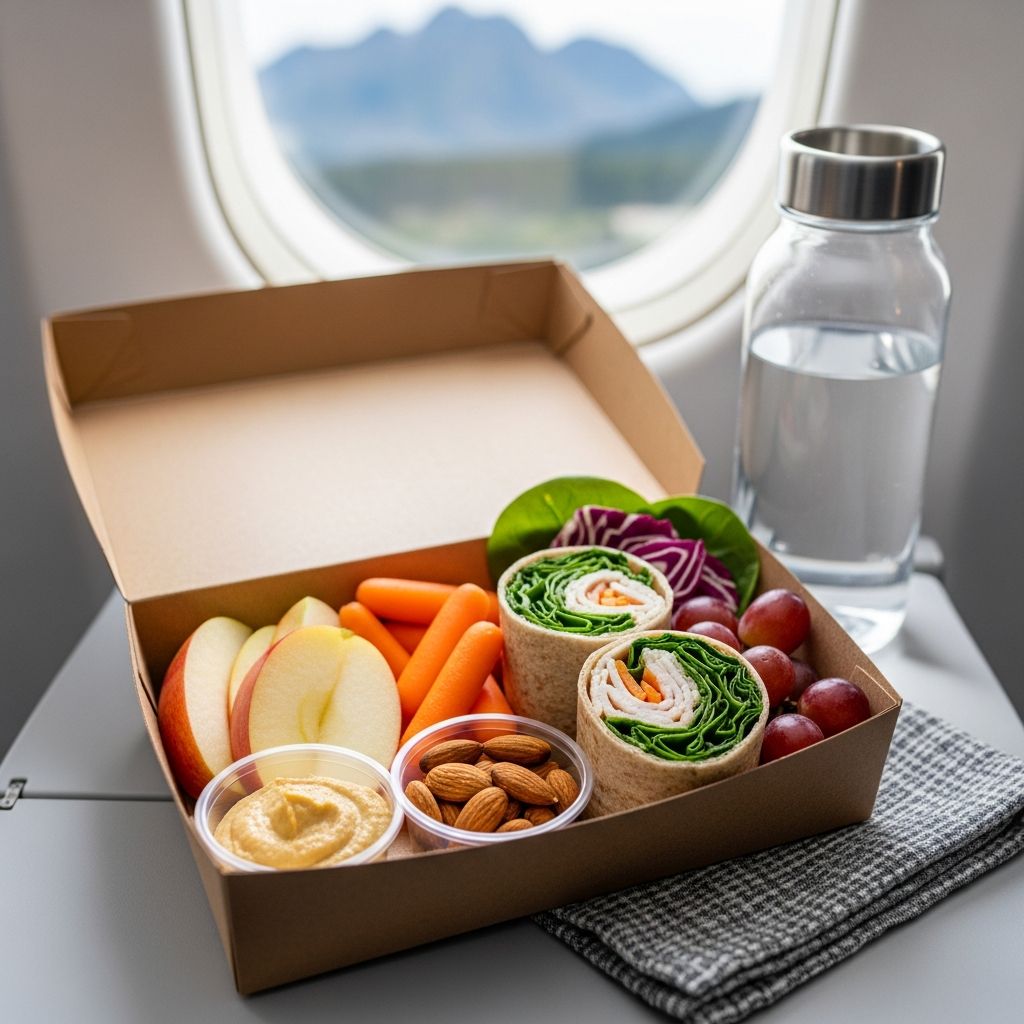
Travel can be an exciting, educational, and energizing experience, but maintaining healthy eating habits while on the road presents unique challenges. Whether you’re traveling by car, plane, or any other mode of transportation, the food choices available at rest stops, airports, and convenience stores often lean toward processed snacks and unhealthy options. However, with proper planning and strategic choices, you can enjoy delicious and memorable meals while keeping your family’s nutrition on track. This comprehensive guide provides practical strategies for eating right while traveling throughout the United States.
Packing Smart: Preparation Before You Leave
The foundation of healthy travel eating begins at home with thoughtful packing. By bringing your own snacks and supplies, you maintain control over what your family consumes and avoid the limited, often unhealthy options available at travel stops.
Organize Your Coolers Strategically
If you’re traveling by car or have access to cooler space, consider packing beverages in one cooler and perishable foods in another. Since you’ll likely grab beverages frequently, keeping a separate beverage cooler minimizes the number of times you open the food cooler, maintaining proper temperature control for perishable items. This simple organizational strategy helps preserve food freshness and reduces the risk of bacterial growth.
Keep Hot Food Hot
Maintaining proper food temperatures is crucial for food safety while traveling. Unless you have a portable heating unit that can be used safely, it’s best to avoid packing hot foods altogether. Cold foods from your cooler are safer options that don’t require temperature maintenance during travel.
Pack Healthy Non-Perishable Snacks
Non-perishable snacks form the backbone of travel nutrition, whether you’re traveling by land, air, or sea. These options are convenient, shelf-stable, and can be consumed without refrigeration:
- Whole or dried fruit
- Nuts, pre-portioned into snack-size bags
- Nut butters, including travel packs ideal for planes
- Whole-grain pretzels, crackers, and breadsticks
- Trail mix
- Snack bars made with whole grains, nuts, and fruit with minimal added sugars
Pack Perishable Foods for Your Cooler
If you have access to cooler space with ice or frozen gel packs, you can bring cold food items that provide nutritious variety:
- Sliced fruits and vegetables
- Hummus
- Guacamole
- Yogurt
- String cheese and part-skim mozzarella cheese sticks
- Hard-boiled eggs
- Pre-made sandwiches or wraps
Carry Hand Sanitizer and Disinfectant Wipes
When traveling, you won’t always have convenient access to running water and soap for hand washing. Carrying hand sanitizer and disinfectant wipes allows you to maintain proper hygiene when eating or handling foods on the go, which is essential for preventing foodborne illness.
Eating Right While Traveling: Smart Food Choices
Beyond what you pack, you’ll inevitably purchase food from various establishments while traveling. Making informed choices at these locations helps you maintain nutritional goals throughout your journey.
Quick and Convenient Healthy Snacks
Many gas station marts and airport terminals now offer healthier options that are easy to carry and consume while traveling:
- Part-skim mozzarella cheese sticks
- Whole-grain sandwiches with lean meat, vegetables, and mustard
- Salads with lean protein
- Vegetable soup
- Fat-free lattes
- Fruit cups
- Pre-cut vegetables
Grocery Stores and Markets
Local grocery stores and markets offer the healthiest variety of fresh options. When visiting these establishments, focus on purchasing pre-washed and pre-cut vegetables, hummus, yogurt, ready-made salads, sandwiches, and whole fruits with peels such as oranges and bananas. These options provide convenience without sacrificing nutrition.
Sandwich Shops
Sandwich shops provide excellent opportunities for customized, healthy meals. Choose whole-grain bread as your base, add extra vegetables for fiber and nutrients, and request mustard instead of oil or mayonnaise to keep calories and saturated fat in check.
Drive-Thru and Casual Restaurants
When stopping at drive-thru or casual dining restaurants, focus on cooking methods rather than specific menu items. Select foods that are grilled, steamed, broiled, or baked, avoiding fried or sautéed options. Consider these healthier menu choices:
- Salads with lean protein and vinaigrette-based dressing
- Broth-based soups
- Oatmeal
- Eggs with whole-grain bread
If comfort food cravings strike, practice portion control by ordering a single burger patty without special sauces, choosing kid-size sides instead of regular portions, and selecting water instead of soda.
At Your Destination: Maintaining Healthy Eating
Once you arrive at your destination, strategic choices help you maintain nutritional goals throughout your stay.
Request a Hotel Room with a Mini-Fridge
When booking your hotel, request a room equipped with a mini-fridge if available. After arrival, visit a local market to purchase grocery staples that allow you to prepare breakfast in your room and keep healthy snacks on hand, including items like hummus and yogurt. This approach provides cost savings, nutritional control, and convenience.
Be Cautious About Continental Breakfasts
Hotel breakfast bars often contain cereals with high added sugar content, pastries, and other suboptimal choices. If your hotel offers a complimentary breakfast, survey the options before filling your plate. Look for whole-grain cereals with fat-free or low-fat milk, fresh fruit, or yogurt to start your day right.
Practice Safe Buffet Choices
When encountering buffet-style meals, walk around the entire buffet before serving yourself to identify the healthiest options available. Critically important: avoid any foods served at room temperature, as they may fall within the temperature “danger zone” where harmful bacteria can multiply. Follow the healthy plate method by filling half your plate with fruits and vegetables, one-quarter with lean protein, and one-quarter with whole grains.
Food Safety Awareness
Don’t suspend food safety practices during vacation. While street vendor foods may emit tempting aromas, consider sticking to established dining establishments with known food safety practices rather than taking risks with unknown vendors.
Building Balanced Meals While Traveling
Regardless of where you’re eating, following basic nutritional principles ensures balanced meals. According to dietary guidelines for healthy eating, aim to structure your meals as follows:
- Fill half your plate with fruits, vegetables, and greens
- Fill one-quarter of your plate with whole grains like brown rice or quinoa
- Fill one-quarter of your plate with lean proteins such as chicken breast, eggs, salmon, tofu, or beans
- Use healthy plant oils in moderation, such as extra-virgin olive oil
- Choose healthy beverages like filtered water, herbal teas, and coffee without added sweeteners
Special Dietary Considerations
If you have a cooler available and plan ahead, you can pack shelf-stable protein options that extend your healthy choices:
- Turkey, beef, and mushroom jerky
- Soup and oatmeal cups requiring only hot water
- Shelf-stable protein drinks without added sugars or artificial sweeteners
Adventurous Eating with Caution
While traveling provides opportunities to explore new cuisines and regional specialties, exercise judgment with unfamiliar foods. Be adventurous with new dishes, but avoid unusual or exotic meat selections such as wild game that may present food safety risks.
Frequently Asked Questions
Q: What are the best non-perishable snacks to pack for travel?
A: Excellent non-perishable options include dried fruit, nuts in pre-portioned bags, nut butter travel packs, whole-grain pretzels and crackers, trail mix, and snack bars made with whole grains and minimal added sugars. These items provide sustained energy without requiring refrigeration.
Q: How should I organize my cooler for maximum food safety?
A: Pack beverages in one cooler and perishable foods in another. This separation prevents frequent temperature fluctuations in the food cooler. Include items like yogurt, hummus, sliced vegetables, cheese, and hard-boiled eggs for nutritious cold options.
Q: What’s the safest approach to eating at buffets while traveling?
A: Survey the entire buffet before serving yourself. Avoid foods served at room temperature, which may contain harmful bacteria. Follow the plate method: fill half with fruits and vegetables, one-quarter with lean protein, and one-quarter with whole grains.
Q: How can I find healthy options at fast-food restaurants?
A: Choose grilled, broiled, baked, or steamed items instead of fried foods. Opt for salads with vinaigrette dressing, whole-grain sandwiches, or build-your-own bowls. Request side salads instead of fries to increase vegetable intake.
Q: Should I request a mini-fridge in my hotel room?
A: Yes, a mini-fridge allows you to store perishable snacks and prepare simple meals like instant oatmeal breakfast in your room. This provides more control over your diet and can save money compared to eating all meals at restaurants.
Q: What hand hygiene precautions should I take while traveling?
A: Carry hand sanitizer and disinfectant wipes to maintain proper hygiene when access to running water is limited. Clean your hands before eating and wipe down surfaces before consuming food from them.
References
- Quick Guide to Eating Right While Traveling in the U.S. — Academy of Nutrition and Dietetics. Accessed January 29, 2026. https://www.eatright.org/food/planning/away-from-home/quick-guide-to-eating-right-while-traveling-in-the-us
- Quick Guide to Eating Right While Traveling in the U.S. — NS Athletic. Accessed January 29, 2026. https://nsathletic.com/quick-guide-to-eating-right-traveling-the-us/
- How To Eat Healthy While Traveling — Optimal Health & Wellness. 2024-06-25. https://getoptimalhealthandwellness.com/2024/06/25/clean-eating-while-traveling-optimal-health-welless-chesterton-in/
Similar Articles








Read full bio of Sneha Tete