Eating To Boost Energy: 5 Key Strategies For Steady Vitality
Discover five proven strategies from nutrition experts to fuel your body, sustain energy levels, and avoid crashes through smart eating habits.
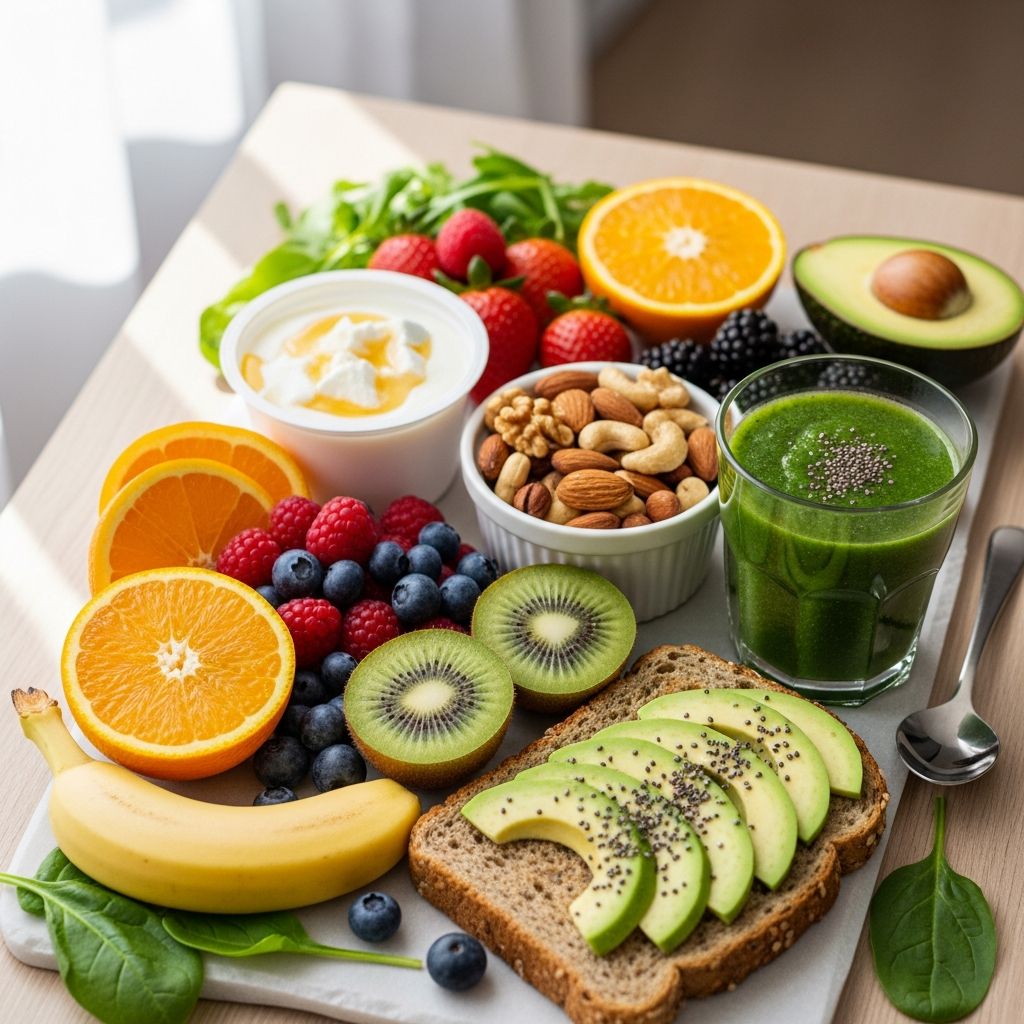
In today’s fast-paced world, low energy is a common complaint. Busy schedules, stress, lack of physical activity, and suboptimal eating habits contribute to fatigue and sluggishness. Fortunately, strategic eating can provide a natural boost. By choosing the right foods and timing, you can maintain steady energy throughout the day, enhance focus, and prevent crashes. This article outlines five key strategies from the Academy of Nutrition and Dietetics to optimize your diet for sustained vitality.
Eat Regularly
Consistency is key to stable energy levels. Aim to eat every three to four hours to prevent energy dips, excessive hunger, and impulsive snacking. Irregular eating, such as limiting intake to one or two meals daily, often leads to overeating later and blood sugar fluctuations that cause fatigue.
Transitioning to frequent meals requires planning. Start by incorporating small, nutrient-dense options between main meals. This keeps your metabolism steady and your brain fueled for better concentration. For example, if breakfast is at 8 AM, have a snack at 11 AM, lunch at 1 PM, another snack at 4 PM, and dinner at 7 PM. Over time, you’ll notice improved alertness and reduced mid-afternoon slumps.
- Plan meals ahead: Use a weekly calendar to schedule eating times.
- Prepare portable options: Keep nuts, fruit, or yogurt handy for busy days.
- Adjust gradually: If you’re used to fewer meals, add one extra eating occasion per week.
Research supports this approach; regular fueling aligns with the body’s circadian rhythms and glucose needs, promoting stable energy without spikes.
Honor Your Hunger and Fullness Cues
Intuitive eating—paying attention to your body’s signals—prevents overeating and undereating, both of which sap energy. Use a hunger-fullness scale from 0 (starving) to 10 (painfully full). Target a 6: comfortably satisfied, not stuffed. Eating to this level curbs cravings, stabilizes blood sugar, and maintains steady energy.
Modern distractions like screens or stress often override these cues, leading to mindless eating. Practice mindfulness: Pause before meals to assess hunger, eat slowly, and stop when content. This habit reduces post-meal lethargy and supports weight management, further boosting vitality.
Practical tips include:
- Eating without distractions to better sense fullness.
- Waiting 20 minutes after eating before seconds, as it takes time for satiety signals to reach the brain.
- Keeping a food-mood journal to track how portions affect energy.
Studies from reliable sources emphasize that tuning into these cues enhances metabolic health and sustained energy.
Balance Your Plate
A well-rounded plate fuels the body efficiently. Include whole grains for complex carbs, lean proteins for satiety, fiber-rich fruits and vegetables for nutrients, and low-fat dairy for calcium and protein. Add a touch of healthy fats like avocado or nuts for absorption of fat-soluble vitamins.
Related Stories



This combination provides steady glucose release, preventing insulin spikes and crashes. For instance, pair quinoa (grain), grilled chicken (protein), spinach salad (vegetable), berries (fruit), and Greek yogurt (dairy) with olive oil dressing.
| Food Group | Examples | Energy Benefit |
|---|---|---|
| Whole Grains | Brown rice, oats, whole wheat bread | Sustained carb release |
| Lean Protein | Chicken, fish, beans, eggs | Builds satiety, repairs tissues |
| Fruits/Vegetables | Apples, broccoli, carrots | Fiber slows digestion, vitamins energize |
| Low-Fat Dairy | Yogurt, milk, cheese | Protein + calcium for muscle function |
| Healthy Fats | Nuts, seeds, olive oil | Supports hormone balance |
Following MyPlate guidelines—half fruits/veggies, quarter grains, quarter protein, plus dairy—ensures balance.
Use Snacks As a Bridge
Snacks aren’t extras; they’re bridges between meals to maintain energy. Opt for combos of lean protein and fiber-rich carbs: apple with almonds, carrots with hummus, or Greek yogurt with berries. These provide 150-200 calories, stabilizing blood sugar without fullness.
Avoid empty-calorie snacks like chips, which cause quick highs and lows. Healthy options sustain you until the next meal, improving productivity.
- Apple slices + unsalted nuts
- Carrot sticks + string cheese
- Low-fat yogurt + fresh fruit
- Whole grain crackers + tuna
- Celery + peanut butter
Per nutrition experts, combination snacks from multiple MyPlate groups are ideal for energy.
Remove Energy Zappers
Added sugars in soda, energy drinks, and sweetened coffee deliver short buzzes followed by crashes. They spike blood sugar then drop it, worsening fatigue. Swap for water, unsweetened tea, fat-free milk, or infused water.
Other zappers: excessive caffeine, processed foods high in refined carbs. Hydration is crucial; dehydration mimics hunger and drains energy. Aim for half your body weight in ounces of water daily.
- Choose sparkling water over soda.
- Opt for black coffee or herbal tea.
- Read labels: Limit added sugars to <10% daily calories.
Eliminating these sustains energy naturally.
Frequently Asked Questions (FAQs)
What if I can’t eat every 3-4 hours due to a busy schedule?
Prepare grab-and-go snacks like nuts or fruit bars in advance. Set phone reminders for eating times.
How do I know my hunger cues are accurate?
Practice over 1-2 weeks without distractions. Rate hunger before/after meals on the 0-10 scale.
Are energy drinks ever okay?
Rarely; they cause crashes. Water or milk provides better hydration without sugars.
Can I balance plates if I’m vegetarian?
Yes: Tofu, lentils, eggs for protein; quinoa for grains; plenty of produce.
What about caffeine for energy?
Moderate (1-2 cups coffee) is fine, but pair with food to avoid jitters.
Find a Nutrition Expert
For personalized advice, consult credentialed dietitians via the Academy of Nutrition and Dietetics. They offer evidence-based guidance tailored to your needs.
References
- Eating to Boost Energy — Academy of Nutrition and Dietetics. 2023. https://www.eatright.org/health/wellness/healthful-habits/eating-to-boost-energy
- Healthy Eating to Maintain Overall Health and Wellness — Prairie View A&M University. 2023. https://www.pvamu.edu/cafnr/wp-content/uploads/sites/27/Healthy-Eating-to-Maintain-Overall-Health-and-Wellness-EatRight-Handouts-002.pdf
- 15 Health Tips for 2015 — DC Office of the State Superintendent of Education. 2015. https://osse.dc.gov/sites/default/files/dc/sites/osse/publication/attachments/15-Health-Tips-for-2015.pdf
- 20 Healthy Tips to Eat Right — N.C. Cooperative Extension. 2023-03-20. https://iredell.ces.ncsu.edu/2023/03/20-healthy-tips-to-eat-right/
- Healthful Habits — Academy of Nutrition and Dietetics. 2023. https://www.eatright.org/health/wellness/healthful-habits
Similar Articles








Read full bio of Sneha Tete