Ebola Virus Disease: Symptoms, Transmission, and Treatment
Comprehensive guide to understanding Ebola: transmission, symptoms, diagnosis, and management strategies.
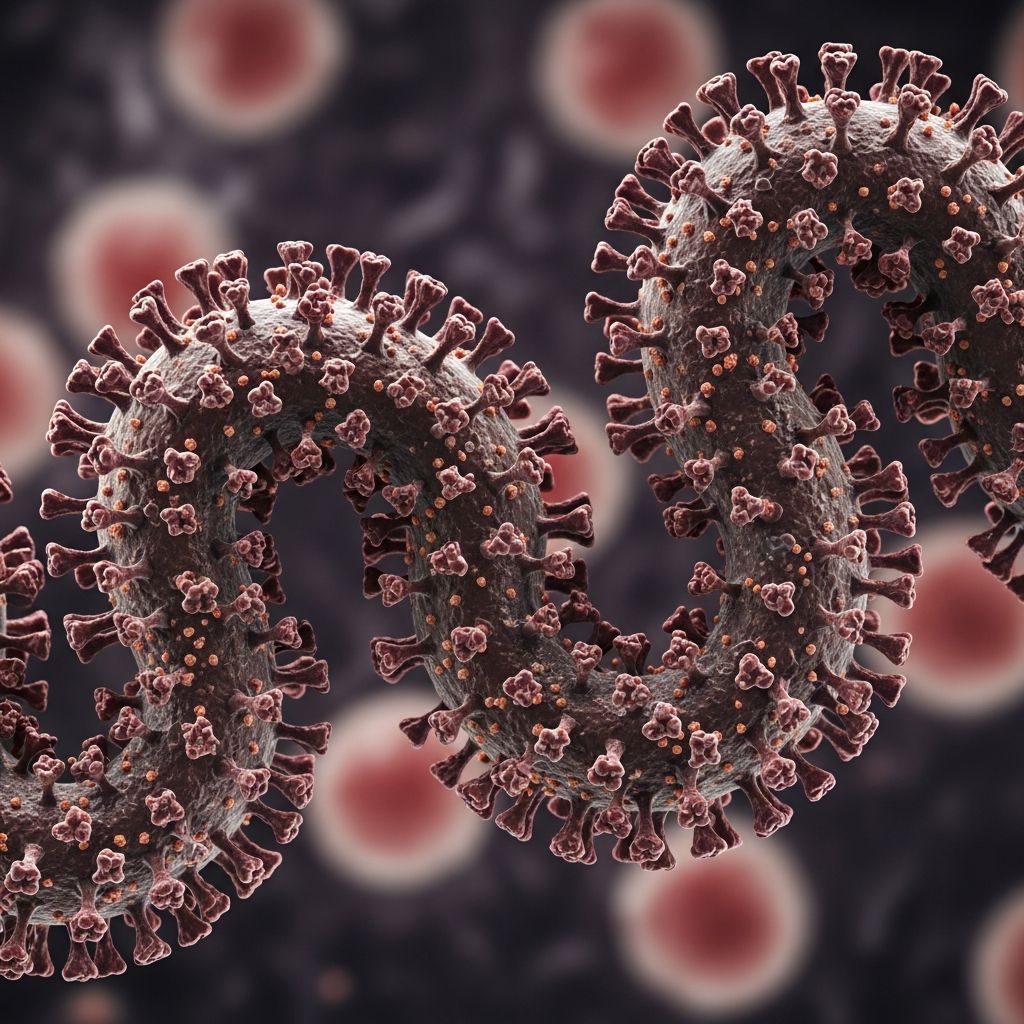
Ebola virus disease (EVD) represents one of the most serious and often fatal illnesses known to humanity. This rare but severe and often fatal illness is caused by infection with one of the Ebola virus strains, which can affect humans and other primates. The disease has sparked significant public health concerns globally, particularly following major outbreaks in West Africa and subsequent cases in Central Africa.
What is Ebola?
Ebola virus disease is a rare but severe and often fatal illness caused by infection with one of the Ebola virus strains. The virus is a member of the Filoviridae family and exists in several strains, each with varying degrees of severity. The disease earned its name from the Ebola River in the Democratic Republic of Congo, where one of the first outbreaks occurred. Since its discovery in 1976, Ebola has caused multiple outbreaks, with the most devastating being the 2014-2016 West African epidemic that claimed over 11,000 lives.
How Ebola Spreads
Understanding transmission routes is critical for prevention and outbreak control. Once in humans, Ebola virus can spread very easily to others through direct contact with the bodily fluids of a living or deceased person who had Ebola, and through contaminated surfaces and objects. The virus is present in all the victim’s bodily fluids, making the disease easily spread by touch, and most caretakers fall ill. Healthcare workers and family members caring for patients face particularly high risks of infection.
The initial spillover to humans typically occurs through contact with infected animals, particularly fruit bats, which are considered the natural reservoir. Healthcare settings can become epicenters of transmission if proper infection control measures are not implemented, as the 2014 West African outbreak demonstrated.
Symptoms and Disease Progression
The onset and progression of Ebola symptoms follow a predictable but severe pattern. The incubation period ranges from 2 to 21 days, with an average of 8 to 10 days. Early symptoms of Ebola include fever, severe headache, joint and muscle aches, chills, and weakness. These nonspecific flu-like symptoms can make initial diagnosis challenging, often leading to delayed recognition of cases.
Disease Phases
Infection may be categorized into three distinct phases:
- Nonspecific Flu-like Phase: Illness starts with nonspecific fever and headache, flu-like symptoms including myalgia, arthralgia and chills
- Gastrointestinal Phase: Over time nausea, vomiting, diarrhea, and hemorrhaging also occurs
- Critical Phase: Death or survival, characterized by severe systemic inflammatory response
As the disease progresses, nonspecific symptoms escalate to a severe systemic inflammatory response with coagulopathy and hemorrhagic evidence including petechiae, ecchymoses and mucosal bleeding, leading to multi-organ system failure resembling septic shock. A characteristic maculopapular rash develops in most patients around day 5 of illness.
Clinical Features and Laboratory Findings
Ebola presents with no pathognomonic features, meaning no single symptom definitively indicates the disease, so it is often not suspected until a cluster of unexpected deaths occurs. This diagnostic challenge has been a significant factor in outbreak detection delays.
Related Stories



Laboratory Findings
Common laboratory abnormalities include:
- Lymphopenia (low white blood cell count)
- Transaminase elevations indicating liver damage
- Thrombocytopenia (low platelet count)
- Coagulopathy consistent with disseminated intravascular coagulation (DIC)
- High viral load in fatal cases, which can be 3 logs higher than in survivors
Early infection may cause leukopenia that evolves into neutrophilia with left shift and atypical lymphocytes. Peak viral load occurs during days 3-7 of illness, with fatal cases exhibiting viral loads 10 to 100 times higher than survivors.
Diagnosis
Accurate diagnosis is essential for initiating isolation procedures and preventing further transmission. Diagnosis should be suspected in a seriously ill traveler returning from an endemic area or with known exposure to an Ebola patient.
Diagnostic Methods
Several diagnostic approaches are available:
- RT-PCR (Reverse Transcriptase Polymerase Chain Reaction): The preferred method for early diagnosis; contact with the local health department or performance via an in-house platform is necessary
- Immunohistochemistry: Tissue analysis mainly used in autopsy settings
- Electron Microscopy: Can visualize characteristic virion morphology
- Antigen Detection: Rapid diagnostic tests that may be available in outbreak settings
A critical consideration is that a single negative test early in infection does not exclude Ebola. Repeat testing over 72 hours is recommended if clinical suspicion remains high. The seminal fluid remains positive for months to years after recovery from EVD, necessitating counseling about transmission risks during this extended period.
Sites of Infection and Complications
Ebola affects multiple organ systems, leading to widespread complications:
- Bloodstream: Viremia and generalized endothelial cell dysfunction leading to widespread organ damage and shock
- Central Nervous System: Somnolence, delirium, and coma
- Skin/Mucous Membranes: Petechiae, hemorrhages, and ecchymoses around needle puncture sites
- Multiple Organs: Multi-organ system failure including liver, kidney, and respiratory involvement
Fatal cases are often preceded by hypovolemic shock, multiple organ failure and hemorrhage, occurring in approximately 50-60% of deaths. However, it is noteworthy that in the 2014-16 Ebola outbreak, hemorrhagic complications were seen in only 30-40% of cases and were rarely the direct cause of death, suggesting that shock and multi-organ failure play significant roles.
Fatality Rates and Outcomes
The severity of Ebola is reflected in its high mortality rate. The fatality rate in past outbreaks has ranged between 25%-90%, varying by viral strain, population factors, and access to supportive care. During the critical second week of illness, the patient either defervesces with marked improvement or dies in shock with multiorgan failure, often accompanied by anuria, DIC, and liver failure.
Treatment and Management
Currently, there is no specific antiviral treatment for Ebola virus disease, but supportive care significantly impacts survival outcomes. Aggressive fluid management and good supportive care can decrease the fatality rate. Management strategies focus on maintaining organ function and managing complications.
Supportive Care Measures
Medical management includes:
- Aggressive fluid resuscitation and electrolyte management
- Empiric antimalarial therapy in endemic settings where co-infections are suspected to contribute to worse outcomes
- Hemodialysis for renal failure, which has appeared effective in survival based on anecdotal reports from centers like Emory in Atlanta, Georgia, and cannot be considered futile therapy
- Extracorporeal membrane oxygenation (ECMO) for acute respiratory distress syndrome (ARDS) where available
- Management of hemorrhagic complications and coagulopathy
In endemic settings, diagnosis is complicated by the presence of other infectious diseases that can produce similar presentations. Therefore, consideration of differential diagnoses and empiric treatment for malaria and other common infections may be warranted while awaiting Ebola confirmation.
Prevention and Vaccination
An investigational injectable vaccine is currently available and is now being used in outbreak settings, but there is still no licensed vaccine. Prevention strategies focus on infection control measures and outbreak response protocols. Screening is essential to assess risk potential during the initial engagement of healthcare in emergency departments, urgent care centers, and other medical facilities.
Infection Prevention and Control
The Ebola virus is classified as a Biosafety Level 4 pathogen, reflecting its severity and transmission risk. Patients suspected of infection should have barrier nursing in a negative pressure room. Healthcare facilities must implement comprehensive infection control protocols including:
- Personal protective equipment (PPE) for all healthcare workers and visitors
- Strict adherence to standard, contact, and droplet precautions
- Proper decontamination and disposal of contaminated materials
- Training and drills for healthcare personnel to ensure competency in donning and doffing PPE
Johns Hopkins experts have worked together to design protective suits for health workers who treat Ebola patients, contributing to enhanced safety for healthcare providers. Designated teams at Johns Hopkins Medicine hospitals have trained extensively to respond to the likelihood that they would care for a patient with Ebola virus disease.
Outbreak Response and Research
Advanced epidemiological and genomic tools are revolutionizing infectious disease outbreak response. Researchers have harnessed tools developed by Johns Hopkins Applied Physics Laboratory (APL) to shed light on the origins of Ebola virus disease outbreaks. These tools help inform responders in closer to real-time on aspects of the outbreak, such as novel transmission modes, differences between variants of the pathogen, and better infection prevention and control measure selection.
The Democratic Republic of Congo has faced 15 Ebola outbreaks since 1976, presenting significant research and response challenges. Gaining an understanding of the connections between Ebola outbreaks presents significant challenges due to the vast geographical spread across the country, the genetic diversity of the Ebola virus strains involved, and the complex sociopolitical landscape. Limited access to some affected areas due to security concerns and logistical constraints hinders comprehensive data collection and genetic sequencing efforts necessary to map the spread and evolution of the virus accurately.
Healthcare System Preparedness
In endemic areas, Ebola causes epidemic disease spread by direct contact with blood and body fluids. The U.S. response model assigns certain hospitals capable of treating Ebola-infected patients rather than having every health facility prepared. Four U.S. federal bio-containment units located at Emory (Atlanta, Georgia), Nebraska, NIH, and Montana currently handle most infected patients.
Frequently Asked Questions
Q: What is the incubation period for Ebola?
A: The incubation period ranges from 2 to 21 days, with an average of 8 to 10 days. This means symptoms may appear up to three weeks after exposure, which is why healthcare providers must maintain vigilance when evaluating patients with recent travel history to affected areas.
Q: Can Ebola be transmitted through the air?
A: No, Ebola is not transmitted through the air. It spreads through direct contact with bodily fluids of infected persons or contaminated surfaces. This is why barrier nursing and proper personal protective equipment are effective prevention measures.
Q: Is there a cure for Ebola?
A: There is no specific cure for Ebola. Treatment focuses on aggressive supportive care, including fluid management and organ support. Early and intensive supportive care can significantly improve survival rates.
Q: How long is seminal fluid contagious after recovery?
A: The seminal fluid of Ebola survivors remains positive for months to years after recovery. This requires counseling about transmission risks and safe practices during this extended period.
Q: What is the difference between Ebola fatality rates across outbreaks?
A: Fatality rates range from 25% to 90% depending on the viral strain, population factors, and access to supportive care. Better access to medical care and early intervention can substantially reduce mortality rates.
References
- Johns Hopkins APL Tools Drive Insight and Decision-Making in Ebola Outbreak Response — Johns Hopkins Applied Physics Laboratory. 2024-04-18. https://www.jhuapl.edu/news/news-releases/240418-ebola-outbreak-investigation-tools-transform-outbreak-response
- Ebola Virus — Johns Hopkins Center for Immunization Research. https://centerforimmunizationresearch.org/our-vaccine-research/mucosal-vaccines-and-challenge-research-mvac/ebola-virus
- Johns Hopkins responds to Ebola — Johns Hopkins University Hub. https://hub.jhu.edu/ebola/
- Ebola virus — Johns Hopkins ABX Guide. https://www.hopkinsguides.com/hopkins/view/Johns_Hopkins_ABX_Guide/540180/all/Ebola_virus
- The Hard Facts about Fighting Ebola — Johns Hopkins University. 2004. https://publichealth.jhu.edu/2004/ebola
- Immunization for Ebola virus infection — Johns Hopkins University. https://pure.johnshopkins.edu/en/publications/immunization-for-ebola-virus-infection-3/
- Ebola Patient Transport Drill — Johns Hopkins Medicine. 2014-11-17. https://www.youtube.com/watch?v=RRdxNzLXvhQ
Similar Articles








Read full bio of Sneha Tete