Eccrine Chromhidrosis: Causes, Diagnosis, And Treatment
Understanding eccrine chromhidrosis: causes, symptoms, diagnosis, and effective treatment strategies for coloured sweat excretion.
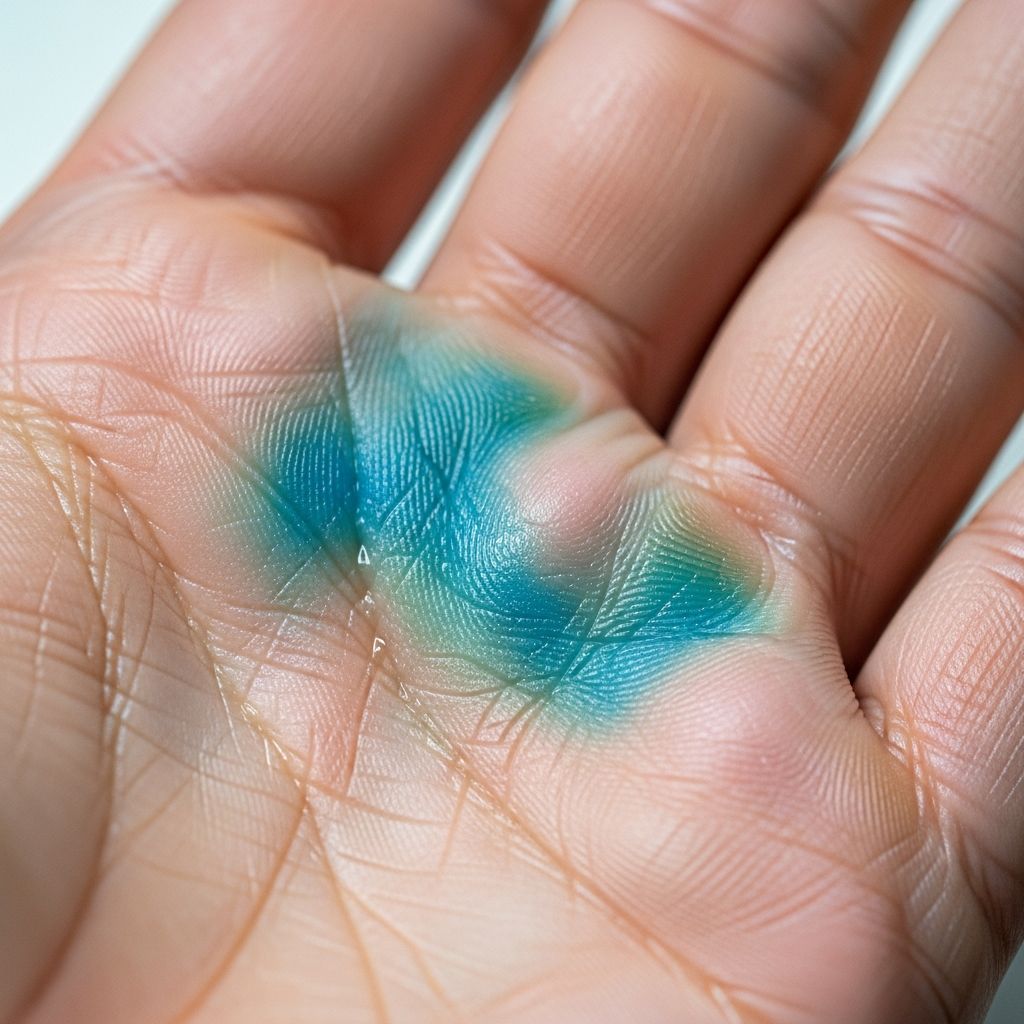
Eccrine chromhidrosis is a rare dermatological condition characterised by the excretion of coloured sweat through eccrine sweat glands due to water-soluble dyes, chemicals, or heavy metals. Unlike apocrine chromhidrosis, which involves lipofuscin pigments in specific areas, eccrine chromhidrosis can affect any body region because eccrine glands are distributed widely across the skin. It is often most prominent on the palms and soles, where eccrine gland density is highest, leading to stained clothing, skin discolouration, and significant patient distress.
What is eccrine chromhidrosis?
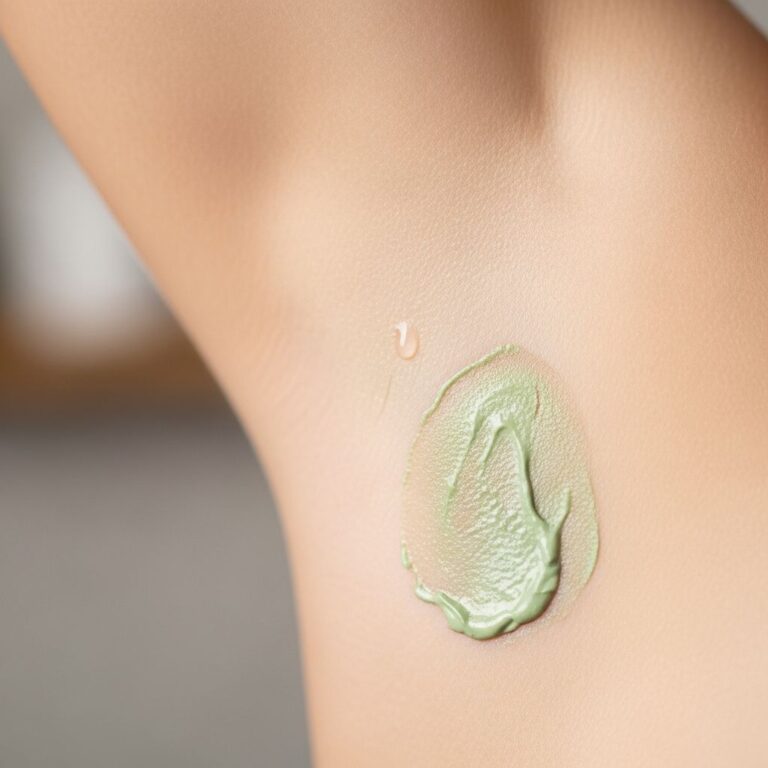
Eccrine chromhidrosis occurs when exogenous water-soluble pigments are secreted in sweat produced by eccrine glands. These glands are responsible for thermoregulation and are found throughout the body except on mucosal surfaces like lips. The condition differs from true chromhidrosis (apocrine type), where sweat is intrinsically pigmented, and pseudochromhidrosis, where colour arises from external substances mixing with clear sweat. Reported colours include red, blue, orange, brown, yellow, green, black, and even white, depending on the offending agent. Though benign and not associated with systemic disease, it causes psychological burden including anxiety, embarrassment, and social withdrawal.
Who gets eccrine chromhidrosis?
This condition can affect individuals of any age, gender, or ethnicity exposed to causative agents. It is uncommon and often linked to occupational exposure (e.g., factory workers handling dyes) or iatrogenic factors like medications. Patients with excessive sweating (hyperhidrosis) may experience more intense discolouration due to higher sweat volume carrying pigments. No genetic predisposition is established, unlike some cases of apocrine chromhidrosis.
Causes of eccrine chromhidrosis
The primary mechanism is the ingestion, topical application, or systemic absorption of water-soluble coloured substances that are excreted unchanged via eccrine sweat. Key causes include:
- Medications: Tartrazine-coated bisacodyl (yellow laxative), rifampicin (red-orange), minocycline (black), chlorpromazine (blue).
- Heavy metals: Copper (green), silver, mercury, arsenic compounds.
- Dyes and chemicals: Food colourings, textile dyes, inks, flavoured drinks.
- Other: Certain topicals like nail polish removers or industrial solvents.
Triggers such as heat, exercise, or stress exacerbate symptoms by increasing sweat production, mobilising pigments. Unlike pseudochromhidrosis from bacterial overgrowth (e.g., Corynebacterium), eccrine chromhidrosis stems directly from chemical excretion.
Clinical features of eccrine chromhidrosis
Symptoms manifest as visible coloured perspiration, often noticed first on palms, soles, or areas of friction. Patients report:
- Staining of clothes, bedding, or surfaces contacted by sweat.
- Skin maceration or dermatitis from chronic wetness.
- No pain, odour, or itching unless secondary infection occurs.
- Psychological impact: shame, low self-esteem, avoidance of social activities.
Some experience a warm, tingly sensation pre-sweating, worsened by anxiety or physical exertion. The condition is episodic, correlating with exposure to the agent.
Diagnosis of eccrine chromhidrosis
Diagnosis relies on history, examination, and exclusion of mimics. Key steps include:
- Clinical history: Onset timing, exposures (meds, dyes, occupation), sweat colour/location.
- Physical exam: Observe coloured sweat during exercise or with starch-iodine test.
- Sweat tests: Collect sweat via chromatography to identify pigments; microscopy rules out bacteria.
- Biopsy: Rarely needed; shows normal eccrine glands without lipofuscin (vs. apocrine).
Differential diagnoses:
| Condition | Key Features | Differentiation |
|---|---|---|
| Apocrine chromhidrosis | Limited to axillae, face; yellow/brown; lipofuscin. | Histology shows lipofuscin granules. |
| Pseudochromhidrosis | Bacterial (e.g., Corynebacterium minutissimum – red-brown); washes off. | Culture positive; resolves with antibiotics. |
| Hyperhidrosis with stains | Clear sweat + extrinsic dye. | Rinses with water; no internal pigment. |
| Pseudohaemochromhidrosis | Bloody appearance from capillary rupture. | Hemosiderin-negative on Perl’s stain. |
Related Stories



Treatment of eccrine chromhidrosis
The cornerstone is identifying and eliminating the causative agent, leading to rapid resolution. For persistent cases:
- Avoidance: Discontinue offending meds/dyes; switch alternatives (e.g., dye-free bisacodyl).
- Hygiene: Frequent washing with soap; absorbent powders/clothes.
- Antiperspirants: Topical aluminium chloride hexahydrate (20%) to reduce sweat volume.
- Other: Botulinum toxin injections for hyperhidrosis component; capsaicin cream (burning sensation).
Surgery (gland excision) is reserved for refractory localised disease but risks scarring. Unlike apocrine type, eccrine chromhidrosis rarely recurs post-avoidance. Patient education on triggers reduces flares.
What is the outcome for eccrine chromhidrosis?
Prognosis is excellent upon agent removal; symptoms resolve within days to weeks without sequelae. No progression to malignancy or systemic issues. Psychological support may be needed for chronic embarrassment. In some, age-related gland regression diminishes symptoms, though less relevant than in apocrine form.
FAQs
Is eccrine chromhidrosis dangerous?
No, it is benign and cosmetic; no health risks beyond potential irritant dermatitis.
Can diet cause coloured sweat?
Yes, food dyes or colourings can be excreted in eccrine sweat, causing temporary discolouration.
How do I stop coloured sweat on my hands?
Identify/avoid the cause (e.g., meds); use aluminium chloride antiperspirant; wash frequently.
Does eccrine chromhidrosis affect children?
Rarely, usually from ingested dyes or meds; resolves with exposure cessation.
Can Botox treat this?
Yes, by reducing sweat output in affected areas, though primarily for hyperhidrosis.
References
- Chromhidrosis: Definition, causes, and treatment — Medical News Today. 2023-10-15. https://www.medicalnewstoday.com/articles/chromhidrosis
- Chromhidrosis — MD Searchlight. 2024-05-20. https://mdsearchlight.com/health/chromhidrosis/
- Symptoms of Chromhidrosis — Hines Dermatology Associates. 2023-08-10. https://www.hinesdermatologyassociates.com/blog/symptoms-of-chromhidrosis
- Transient Blue Skin: Pseudochromhidrosis — European Journal of Case Reports in Internal Medicine. 2022-11-01. https://www.ejcrim.com/index.php/EJCRIM/article/download/84/174
- Chromhidrosis: A Rare Clinical Finding — Dermatology Times. 2024-02-14. https://www.dermatologytimes.com/view/chromhidrosis-a-rare-clinical-finding
- Eccrine chromhidrosis — DermNet NZ. 2025-01-01. https://dermnetnz.org/topics/eccrine-chromhidrosis
- Chromhidrosis — StatPearls, NCBI Bookshelf (NIH). 2023-07-17. https://www.ncbi.nlm.nih.gov/books/NBK554395/
Similar Articles








Read full bio of Sneha Tete