Echinacea Benefits: 5 Evidence-Based Ways It Boosts Immunity
Discover the potential health benefits of echinacea, from boosting immunity and fighting colds to improving skin health and reducing inflammation.
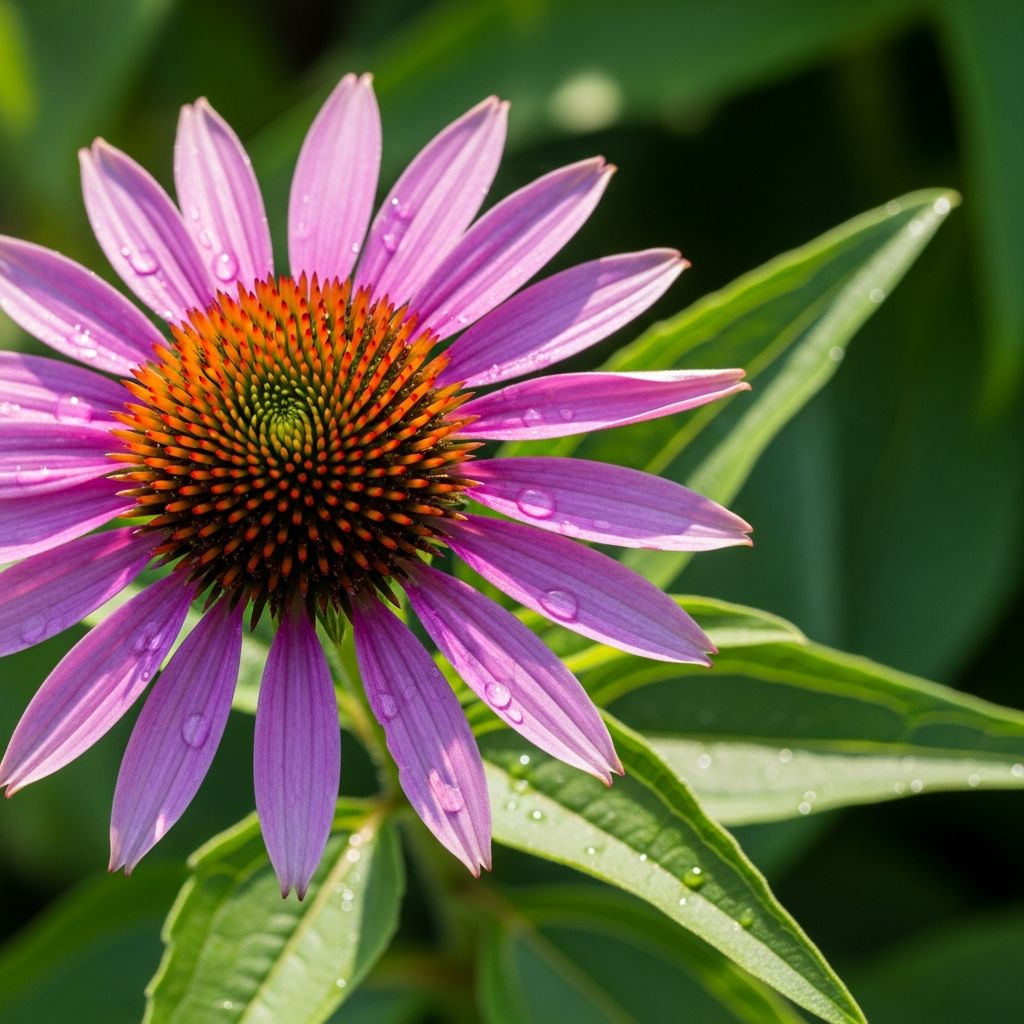
Echinacea, a group of flowering plants native to North America, has been used for centuries in traditional medicine, particularly by Native American healers to treat infections and wounds. Today, it’s one of the most popular herbal supplements worldwide, primarily valued for its potential to support the immune system and alleviate cold symptoms. This article examines the evidence-based benefits of echinacea, its active compounds, usage forms, dosage recommendations, possible side effects, and practical ways to incorporate it into your routine. While research shows promising results, results can vary based on preparation, dosage, and individual factors. Always consult a healthcare provider before starting any supplement, especially if you have underlying health conditions or take medications.
What Is Echinacea?
Echinacea refers to nine species of flowering plants in the daisy family, but only three—Echinacea purpurea, Echinacea angustifolia, and Echinacea pallida—are commonly used medicinally. Native to central and eastern United States, these plants feature distinctive purple petals and cone-shaped centers, earning them names like purple coneflower. Traditionally brewed into teas or applied as poultices, echinacea gained modern popularity in the 1990s as a natural cold remedy.
The roots, leaves, flowers, and stems contain bioactive compounds responsible for its effects, including alkamides, polysaccharides, glycoproteins, flavonoids, cichoric acid, and rosmarinic acid. These antioxidants combat oxidative stress, while polysaccharides and glycoproteins stimulate immune cells like white blood cells to fight pathogens. Alkamides interact with cannabinoid receptors, potentially contributing to anti-anxiety effects.
5 Potential Health Benefits of Echinacea
Research, including clinical trials and reviews from authoritative sources like the National Center for Complementary and Integrative Health (NCCIH), suggests echinacea offers several health benefits, though evidence strength varies. Here’s a detailed look at the top five supported by studies:
1. May Shorten Cold Duration and Reduce Risk
Echinacea’s most studied benefit is its role in respiratory infections. A meta-analysis of 14 studies found it may lower cold risk by over 50% and shorten duration by about one day when taken at symptom onset. NCCIH reports it slightly reduces catching colds, though effects on duration are unclear.
Polysaccharides boost white blood cell production, enhancing the body’s defense against viruses and bacteria in the upper respiratory tract. In one trial, participants taking echinacea extract had fewer colds and milder symptoms compared to placebo. Benefits appear strongest with alcohol-based extracts of E. purpurea or pressed juice.
2. Supports Immune System Function
Beyond colds, echinacea may broadly strengthen immunity. Compounds like glycoproteins trigger cytokine production, signaling immune cells to combat infections. Animal and test-tube studies show increased white blood cell activity and faster infection recovery.
A University of Florida study confirmed echinacea’s immune-stimulating effects, validating centuries of herbal use. It may help against flu, upper respiratory infections, and even coronaviruses by promoting IFN-γ production, which regulates inflammation and antiviral responses.
3. Reduces Inflammation
Chronic inflammation links to diseases like arthritis, heart disease, and diabetes. Echinacea’s anti-inflammatory compounds, including cichoric acid and alkamides, suppress pro-inflammatory markers. A 30-day study in osteoarthritis patients found echinacea-ginger supplements reduced pain, stiffness, and swelling more effectively than NSAIDs for some.
Related Stories



Other applications include soothing sore throats, relieving swollen gums, treating stomach issues, and easing slow-healing wounds. It may also benefit skin inflammation and acne.
4. Improves Skin Health
Topical echinacea promotes wound healing, reduces acne, and protects against UV damage. Cichoric acid combats aging signs like wrinkles and improves hydration. A study showed oral echinacea supplements reduced mild-to-moderate acne when combined with standard treatments.
Antioxidants neutralize free radicals from sun exposure, while anti-inflammatory effects calm irritated skin. Creams and ointments are common for eczema, burns, and minor cuts.
5. Eases Anxiety and Supports Mental Health
Emerging evidence points to mood benefits. A study found 40 mg echinacea twice daily for 7 days significantly lowered anxiety scores versus placebo, with mild side effects. It outperformed placebo for depression symptoms and emotional well-being, possibly due to alkamides mimicking cannabis effects on brain receptors.
Antioxidants like phenols may also protect against neurodegenerative diseases linked to oxidative stress.
How to Take Echinacea: Forms and Dosage
Echinacea is available in teas, tinctures, capsules, tablets, juices, and topical creams. Effectiveness depends on form:
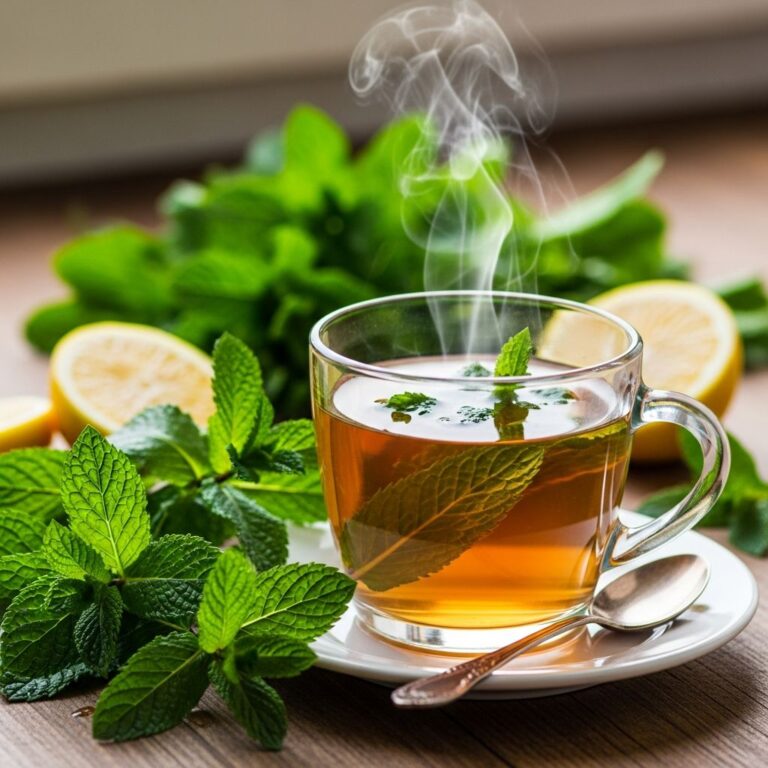
- Teas: Steep 1–2 tsp dried herb in hot water; 3–4 cups daily at cold onset.
- Tinctures: 10–30 drops in water, 3x daily; alcohol extracts most studied.
- Capsules/Tablets: 300–500 mg standardized extract, 2–3x daily.
- Juice: 2–3 tsp E. purpurea pressed juice daily.
- Topicals: Apply cream 2–3x daily to skin.
No universal dosage exists; follow product labels. For colds, start at first symptoms and continue 7–10 days. Long-term use (>8 weeks) not recommended due to tolerance buildup.
| Form | Typical Dosage | Best For |
|---|---|---|
| Tea | 1–2 tsp herb, 3–4 cups/day | Colds, soothing throat |
| Tincture | 10–30 drops, 3x/day | Immune support |
| Capsule | 300–500 mg, 2–3x/day | General use |
| Topical | As directed | Skin issues |
Side Effects and Precautions
Echinacea is generally safe for short-term use (up to 4 months). Common side effects are mild: digestive upset, rash, or drowsiness. Avoid on empty stomach. Rare allergic reactions occur, especially in those with ragweed, daisy, or marigold allergies—symptoms include rash, swelling, or breathing issues.
Don’t use if you have autoimmune diseases (e.g., MS, lupus), as it may overstimulate immunity. Limited data in pregnancy/breastfeeding; avoid. May interact with immunosuppressants, caffeine, or blood sugar meds. Consult a doctor if on medications.
Echinacea vs. Other Immune Boosters
Compared to elderberry, echinacea stimulates white blood cell production more directly, while elderberry has stronger antiviral flavonoids. Both shorten colds, but echinacea excels in inflammation reduction.
Simple Ways to Add Echinacea to Your Routine
- Brew echinacea tea with honey and lemon for daily immune support.
- Mix tincture into smoothies or water at cold onset.
- Take capsules during flu season (consult doctor).
- Use cream for acne or minor wounds.
- Combine with vitamin C and zinc for synergistic effects.
Quality matters—choose third-party tested products standardized to 4% echinacosides.
Frequently Asked Questions (FAQs)
Does echinacea really work for colds?
Evidence suggests it may reduce cold risk by 50%+ and shorten duration by 1 day, per meta-analyses, though not all studies agree.
Is echinacea safe long-term?
Short-term (7–10 days) is safe; long-term may reduce effectiveness and isn’t recommended.
Can echinacea help with COVID-19?
Early research shows antiviral effects against respiratory viruses, including coronaviruses, by boosting IFN-γ.
What’s the best form of echinacea?
Alcohol tinctures or pressed juice of E. purpurea show strongest evidence.
Who should avoid echinacea?
Those with autoimmune disorders, ragweed allergies, or on immunosuppressants.
References
- Echinacea: Health Benefits, Safety, Dosage — WebMD. 2023. https://www.webmd.com/diet/health-benefits-echinacea
- Echinacea: Usefulness and Safety — NCCIH, NIH (.gov). 2023-10-05. https://www.nccih.nih.gov/health/echinacea
- Echinacea: Benefits, Uses, Side Effects, and Dosage — Healthline. 2024. https://www.healthline.com/nutrition/echinacea
- Preliminary Study Proves Centuries of Herbalists Right About Echinacea — University of Florida (.edu). 1999-03. https://archive.news.ufl.edu/articles/1999/03/preliminary-study-proves-centuries-of-herbalists-right-about-echinacea.html (Classic study foundational to modern research.)
- 5 Health Benefits of Echinacea — iHerb Wellness Hub. 2023. https://www.iherb.com/blog/5-health-benefits-of-echinacea/1825
Similar Articles








Read full bio of Sneha Tete