Echinacea Guide: Benefits, Uses, Dosage, And Safety
Unlock the immune-boosting potential of echinacea with insights on its history, science-backed uses, safe dosing, and modern applications for everyday wellness.
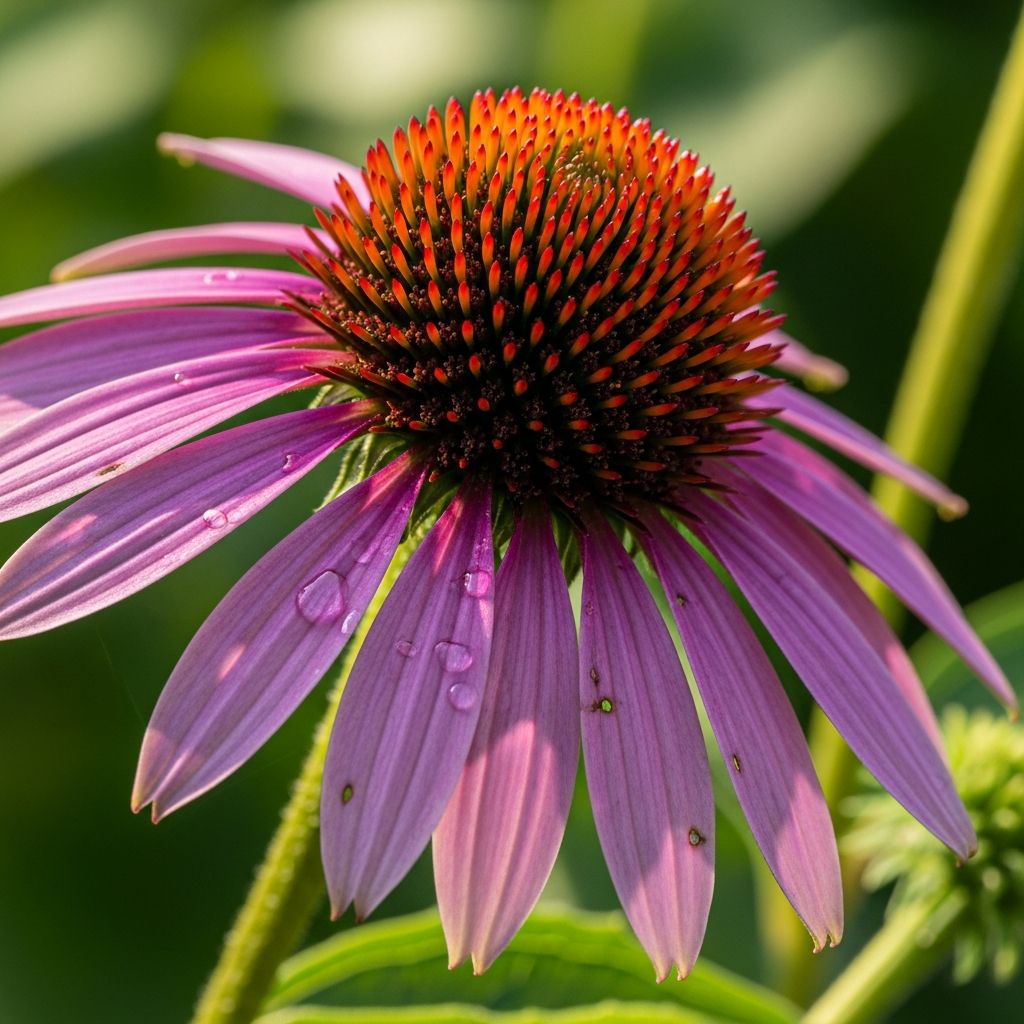
Echinacea, often called the purple coneflower, stands as a cornerstone of herbal medicine with deep roots in North American traditions. This vibrant plant has transitioned from indigenous remedies to a staple dietary supplement, primarily valued for its potential to fortify the body’s defenses against everyday threats like colds and infections.
Historical Roots and Traditional Wisdom
Long before modern supplements, Native American tribes across the Great Plains harnessed echinacea’s power for an array of ailments. At least 14 nations documented its use for soothing sore throats, easing toothaches, combating infections, treating wounds, countering snakebites, and addressing skin issues. Explorers like Lewis and Clark encountered its virtues during their expeditions, even sending seeds back to President Jefferson in the early 1800s.
Today, this legacy endures in forms like teas, tinctures, capsules, and topical creams. While nine species exist, Echinacea purpurea and Echinacea angustifolia dominate commercial products due to their potent profiles. These plants thrive in North American woodlands and fields, their daisy-like purple blooms signaling robust medicinal potential.
Key Compounds Driving Echinacea’s Power
What makes echinacea tick? Its efficacy stems from bioactive chemicals including polysaccharides, glycoproteins, cichoric and caftaric acids, and alkylamides. Alkylamides, unique to E. purpurea and E. angustifolia, deliver a characteristic tingling sensation on the tongue, marking high-quality preparations and signaling strong immunomodulatory action, especially in the lungs.
Polysaccharides and glycoproteins are believed to ramp up white blood cell production, enhancing the immune system’s frontline response to invaders. Preclinical data also highlight anti-inflammatory effects, with modulation of cytokines like IL-2, IL-8, TNF-alpha, and IL-6. These mechanisms underpin echinacea’s broad appeal beyond mere symptom relief.
Primary Health Applications: From Colds to Chronic Concerns
Echinacea’s spotlight falls on respiratory health, but its reach extends further. Here’s a breakdown of evidence-based uses:
- Common Cold and Flu Prevention/Treatment: Promoted for shortening cold duration and severity, though results vary. Some trials show it boosts immunity to curb upper respiratory infections, while others find modest effects. NCCIH notes it’s mainly for symptom management, not foolproof prevention.
- Infection Fighter: Exhibits activity against urinary tract, ear infections, and slow-healing wounds. Animal studies confirm wound-healing properties and influenza virus inactivation.
- Anti-Inflammatory Aid: Eases swollen gums, sore throats, skin irritation, acne, stomach upset, and knee osteoarthritis pain.
- Immune Modulation: Stimulates phagocytosis without overactivating acquired immunity, ideal for acute illnesses. Small human studies support sore throat sprays and adjuvant therapy for condylomatosis.
Species matter: E. purpurea excels as a blood tonic for detoxification and inflammation; E. angustifolia targets blood/lymphatic toxins and infections; E. pallida shines for milder respiratory and fungal issues.
Scientific Evidence: What Studies Reveal
Research on echinacea is extensive yet mixed, largely from German trials. A PubMed review affirms it reduces cold symptoms’ intensity and length with specific preparations affecting phagocytic responses. MSKCC highlights immunostimulatory, anti-inflammatory, anxiolytic, and erythropoietic effects in models.
However, natural variability in products—due to species, plant parts, and extraction—complicates outcomes. Recent NCCIH guidance emphasizes its role in respiratory infections, urging standardized extracts for reliability. Overall, it’s positioned as a supportive therapy for illness, not a preventive panacea.
Related Stories



| Condition | Evidence Level | Key Findings | Source |
|---|---|---|---|
| Common Cold | Moderate | Reduces duration/severity in some trials | |
| Immune Boost | Promising (Preclinical) | Upregulates white cells, cytokines | |
| Wound Healing | Supportive | Accelerates tissue repair | |
| Inflammation | Emerging | Anti-inflammatory compounds |
Forms, Dosage, and Practical Usage
Echinacea versatility shines in delivery: capsules (300-500mg, 3x/day), teas (1-2 cups daily), tinctures (10-30 drops), juices, or topicals. For colds, start at symptom onset, using 900-2000mg daily of expressed juice or equivalent for 7-10 days. Cycle use: 2-8 weeks on, then break to avoid tolerance.
Quality counts—seek products standardized to alkylamides or polysaccharides, third-party tested. Fresh/dried whole plant offers broad benefits.
Preparation Tips
- Tea: Steep 1 tsp dried root/flowers in hot water 10 mins.
- Tincture: Dilute in water; note tingling as potency indicator.
- Topical: Apply cream to wounds or acne.
Safety Profile, Side Effects, and Interactions
Generally safe short-term, echinacea suits most adults. Mild effects include digestive upset or rashes (rare). Avoid long-term use or if allergic to daisy family plants.
Key cautions:
- Autoimmune Disorders: May overstimulate immunity (e.g., MS, lupus).
- Medications: Interacts with immunosuppressants, caffeine, or CYP enzymes.
- Pregnancy/Breastfeeding: Insufficient data; consult provider.
- Children: Use cautiously; some products safe.
At-risk groups (HIV, organ transplants) should skip it. Always consult healthcare pros, especially with conditions or meds.
Species Spotlight: Choosing the Right Echinacea
E. purpurea: Aerial parts for broad immune/inflammatory support.
E. angustifolia: Root for deep infections, antibiotic hints vs. Strep/Staph.
E. pallida: Rhizome for flu-like symptoms, potential antifungal.
Combinations amplify effects, like angustifolia-pallida for bacterial potency.
Integrating Echinacea into Daily Wellness
Beyond acute use, pair with vitamin C, zinc, or elderberry for synergistic defense. For skin, blend into salves; for stress, leverage anxiolytic preclinical data. Track personal response—journal symptoms for tailored dosing.
Procure from reputable sources avoiding contaminants. Sustainable harvesting preserves wild stands.
Frequently Asked Questions (FAQs)
Can echinacea prevent colds?
Evidence leans toward treatment over prevention; it may reduce risk modestly but shines post-onset.
What’s the best form of echinacea?
Standardized extracts with alkylamides; teas/tinctures for tradition, capsules for convenience.
How long to take echinacea?
7-14 days max per cycle; rest to maintain efficacy.
Is echinacea safe for kids?
Some preparations yes, but dose low and consult pediatrician.
Does echinacea interact with antibiotics?
Possible; monitor with provider, as it modulates immunity.
Echinacea bridges ancient wisdom and contemporary science, offering accessible immune support. Approach with informed caution for optimal results.
References
- Echinacea: Health Benefits, Safety, Dosage — WebMD. 2023. https://www.webmd.com/diet/health-benefits-echinacea
- Echinacea Plants & Seeds — Fedco Seeds. 2024. https://fedcoseeds.com/herbs/echinacea
- Echinacea — Memorial Sloan Kettering Cancer Center. 2023-10-01. https://www.mskcc.org/cancer-care/integrative-medicine/herbs/echinacea
- The 3 types of echinacea: A comparison of medicinal actions — Herbal Reality. 2023. https://www.herbalreality.com/herbalism/western-herbal-medicine/3-types-echinacea-comparison-medicinal-actions/
- Use of echinacea in medicine — PubMed (PMID: 10825459). 2000-05-22. https://pubmed.ncbi.nlm.nih.gov/10825459/
- PURPLE CONEFLOWER Plant Guide — USDA Plants Database. 2006. https://plants.usda.gov/DocumentLibrary/plantguide/pdf/pg_ecan2.pdf
- Echinacea — National Center for Complementary and Integrative Health (NCCIH). 2023. https://www.nccih.nih.gov/health/echinacea
Similar Articles








Read full bio of Sneha Tete