Echinacea: Uses, Evidence, Safety, and Dosage
Comprehensive guide to echinacea: scientific evidence, safety, dosage, and effectiveness for colds and flu.
Echinacea: An Overview of This Popular Herbal Supplement
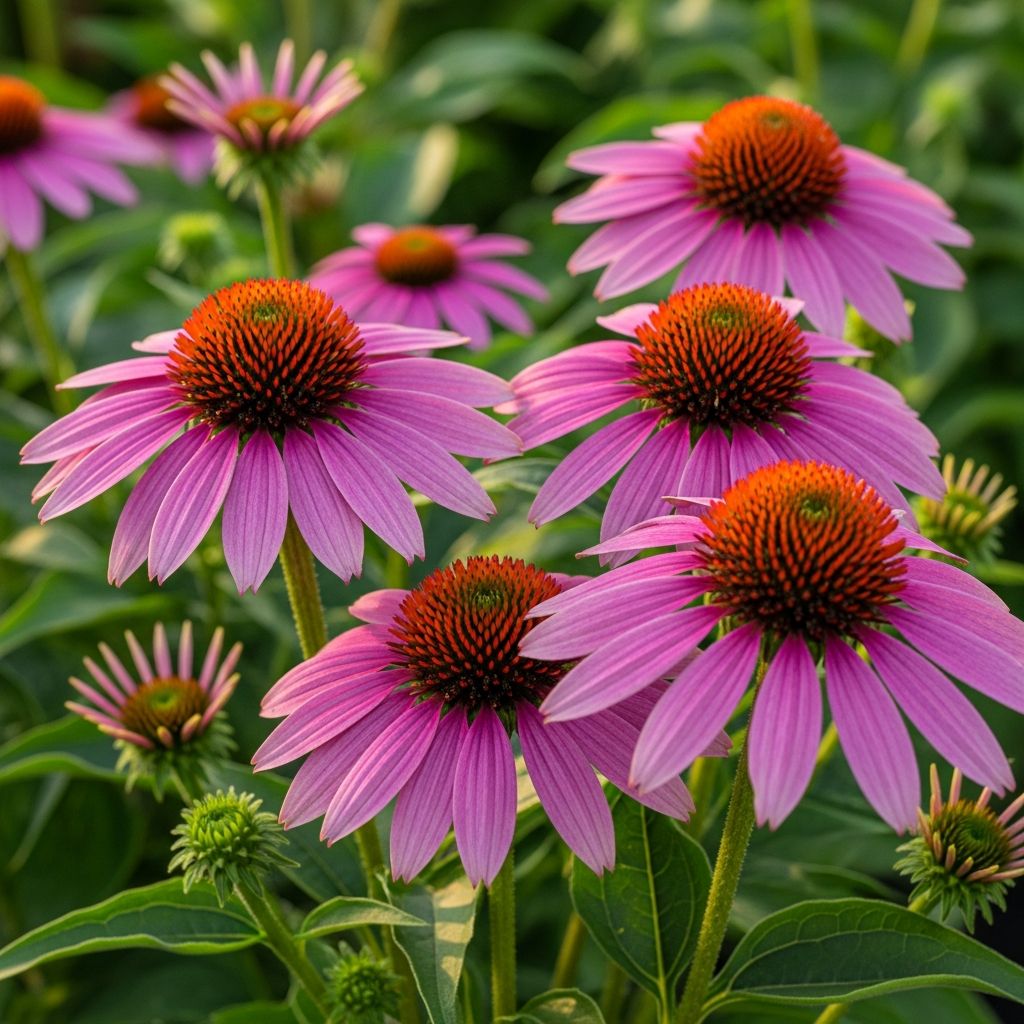
Echinacea is a flowering plant native to North America that has become one of the most widely used herbal dietary supplements in the United States and Europe. The plant belongs to the daisy family and encompasses several species, with Echinacea purpurea being the most commonly used variety in commercial supplements. Traditionally, Native American tribes used echinacea for various health purposes, and European herbalists adopted this practice during the late nineteenth century, leading to its current widespread popularity as a natural remedy for respiratory infections.
Today, millions of people turn to echinacea products annually seeking relief from cold and flu symptoms. The supplement is available in multiple forms, including powdered extracts, alcohol tinctures, fresh pressed juices, and dried root preparations. Despite its popularity and long history of traditional use, scientific understanding of how echinacea works and whether it truly delivers on its health promises remains incomplete and sometimes contradictory.
What Is Echinacea Used For?
Echinacea is primarily promoted as a dietary supplement for treating upper respiratory infections, particularly the common cold and influenza. Many people begin taking echinacea at the first sign of cold symptoms, hoping to reduce the severity or duration of their illness. Some individuals also use it as a preventive measure during cold season, though scientific evidence does not support this application.
Principal and Proposed Uses
The primary proposed use of echinacea is treating colds and flu. Research has focused most intensively on whether the herb can reduce symptoms and shorten recovery time from these common viral infections. Beyond this central use, echinacea has been studied for several other conditions, including chronic bronchitis flare-ups and genital herpes, though evidence for these applications remains limited.
It is important to note that while many people believe echinacea can prevent colds when taken regularly throughout the cold season, scientific evidence suggests this use is probably not effective. The supplement appears to work best when taken therapeutically after symptoms have already begun, rather than as a preventive agent.
How Does Echinacea Work?
The exact mechanisms by which echinacea affects cold symptoms and immune function remain incompletely understood by researchers. Early studies suggested that various chemical compounds found in echinacea could stimulate the immune system by increasing antibody production, raising white blood cell counts, and enhancing the activity of important immune cells. However, subsequent research has cast doubt on this straightforward immune-stimulation theory.
One significant observation that challenges the immune-strengthening hypothesis is that regular use of echinacea does not appear to prevent colds or other infections. If echinacea truly worked by strengthening overall immune function, it would be expected to reduce infection rates when taken consistently. The fact that this does not occur suggests the herb may work through different mechanisms, such as reducing inflammatory responses or addressing specific symptoms rather than broadly enhancing immunity.
Recent research has revealed that the bacteria naturally present within echinacea plants may play an important role in the herb’s effects. A 2016 study found that echinacea plant samples contained representatives from 38 different bacterial taxa, with Proteobacteria being the most common and the most powerful activator of macrophages, important immune cells. The degree of immune activation appeared to depend on both the types and quantities of bacteria present in the plants, which could help explain why different echinacea products produce varying results in clinical trials.
Related Stories



Scientific Evidence for Echinacea’s Effectiveness
Reducing Cold Symptoms and Duration
The most robust scientific evidence for echinacea concerns its potential to reduce cold symptoms and shorten recovery time when taken after symptoms have already begun. Multiple double-blind, placebo-controlled studies involving more than one thousand participants have demonstrated that various forms and species of echinacea can produce measurable benefits.
One notable study examined eighty people who had just experienced the first signs of cold symptoms. Participants received either an above-ground Echinacea purpurea extract or placebo. Those who received echinacea recovered significantly faster, requiring only six days compared to nine days for the placebo group. Participants took either twenty drops every two hours for one day, followed by twenty drops three times daily for up to ten days.
Another promising trial involved early intervention with echinacea. When people took the supplement at the very first sign of cold symptoms, fewer individuals in the echinacea group developed full-blown colds compared to placebo recipients. Specifically, forty percent of those taking echinacea went on to develop “real” colds versus sixty percent in the placebo group. Additionally, among those who did develop colds, symptom improvement began sooner in the echinacea group, occurring after four days rather than eight days. Both findings were statistically significant.
However, it is important to emphasize that while these results appear promising, the overall evidence for clinically relevant treatment effects remains weak according to systematic reviews. Not all studies show consistent benefits, and the magnitude of improvement, while statistically significant in some trials, may not be dramatic enough to be meaningful to individual patients.
Cold and Flu Prevention
Evidence for using echinacea as a preventive measure is considerably weaker than evidence for its use in treating active infections. Results of prophylaxis trials generally show positive trends but lack statistical significance and are of questionable clinical relevance. This means that regular use of echinacea throughout the cold season is unlikely to offer substantial benefits in preventing colds from occurring in the first place.
Emerging Research on COVID-19
Recent research has begun investigating whether echinacea may offer benefits for COVID-19 infection. Patients with severe COVID-19 who took echinacea in addition to medical treatments appeared to recover more quickly, leading researchers to speculate that the supplement may have boosted immune response. A randomized, controlled study of 120 healthy adults tested the effects of Echinaforce, an echinacea supplement containing high doses of the herb, on COVID-19 infections. While results from this research are emerging, clinical trials are being pursued to determine whether echinacea warrants consideration as a complementary treatment for COVID-19.
Potential Benefits for Children
Research has examined whether echinacea may benefit children with upper respiratory infections. In one study, children who received either three or five echinacea tablets daily for ten days required fewer antibiotics than control groups, and those taking the higher dose experienced shorter cold duration. A 2020 study found that echinacea combined with the antibiotic Azithromycin was more effective than the antibiotic alone at reducing the frequency and severity of tonsillitis recurrence in children.
Dosage Recommendations
Echinacea is typically taken beginning at the first sign of cold symptoms and continued for seven to fourteen days. Longer-term or preventive use of echinacea is not recommended based on current evidence.
Recommended Doses by Form
The appropriate dosage of echinacea varies depending on the form of the supplement:
- Powdered extract: 300 milligrams three times daily
- Alcohol tincture (1:5 concentration): 3 to 4 milliliters three times daily
- Fresh pressed juice: 2 to 3 milliliters three times daily
- Whole dried root: 1 to 2 grams three times daily
For children, studies have used dosages of 3 to 5 tablets daily for ten days, with good tolerability reported at both levels.
Quality and Standardization Considerations
The best evidence supports using products made from the above-ground portions of Echinacea purpurea, specifically the flowers, leaves, and stems. Echinacea pallida root has also shown promise in some studies, but Echinacea purpurea root appears to be ineffective. There is currently no broad agreement on what specific ingredients should be standardized in echinacea tinctures and solid extracts, which contributes to variability in product quality and effectiveness across different manufacturers.
Safety and Potential Side Effects
Echinacea is generally considered safe for most people when used appropriately. However, certain individuals should exercise caution or avoid echinacea entirely.
Groups That Should Avoid Echinacea
People with certain medical conditions should not take echinacea, including those with leukemia or autoimmune diseases. Individuals with known allergies to plants in the daisy family may also be at increased risk for allergic reactions.
Possible Adverse Effects
While generally well-tolerated, echinacea may cause allergic reactions in some individuals, including rashes, nausea, or stomach pain. The product formulation matters considerably, as many commercial echinacea products contain additional ingredients such as sugars, artificial colors, flavorings, and preservatives that may themselves cause adverse effects or be inappropriate for certain individuals.
It is important to follow dosage instructions on product labels carefully and avoid exceeding the maximum recommended dose.
Why Results Vary Between Studies
One reason that clinical trial results for echinacea have been inconsistent relates to the variability in how studies are conducted. Different researchers have used different echinacea species, harvested different plant parts, and sourced materials from different geographic regions. These variations can significantly influence the active compounds present and, consequently, the supplement’s effectiveness.
The bacterial content of echinacea plants adds another layer of complexity. Since the types and quantities of bacteria within the plants appear to influence the herb’s immune-activating effects, differences in bacterial composition between plants sourced from different locations or grown under different conditions could account for varying trial outcomes.
Important Considerations Before Using Echinacea
While echinacea represents a popular natural approach to managing cold symptoms, consumers should understand the current state of scientific evidence. Echinacea has not been definitively proven to prevent or treat colds, though some preparations may offer modest benefits for symptom relief when taken after illness onset.
Anyone considering echinacea should consult with healthcare providers, particularly those taking medications or managing chronic health conditions. This is especially important for individuals considering echinacea for children, pregnant or nursing women, or those with immune system disorders.
Frequently Asked Questions
Q: Can echinacea prevent colds if I take it regularly during cold season?
A: No. Current scientific evidence suggests that regular use of echinacea throughout the cold season does not effectively prevent colds from occurring. The supplement appears most effective when taken at the first sign of symptoms rather than used as a preventive measure.
Q: How quickly should I start taking echinacea after symptoms begin?
A: The most promising research involves taking echinacea at the very first sign of cold symptoms. Some studies suggest starting within the first twenty-four to forty-eight hours of symptom onset produces the best results.
Q: Is echinacea safe for children?
A: Research suggests echinacea is generally safe for children when used appropriately, with studies showing good tolerability at recommended doses. However, you should consult with your child’s healthcare provider before administering any supplement.
Q: Which echinacea preparation is most effective?
A: The strongest evidence supports products made from the above-ground portions of Echinacea purpurea, including the flowers, leaves, and stems. Root preparations, particularly from E. purpurea, appear less effective.
Q: How long should I take echinacea?
A: Echinacea is typically taken for seven to fourteen days, beginning at the first sign of cold symptoms. Longer-term use is not recommended.
Q: Are there people who should not use echinacea?
A: Yes. People with leukemia, autoimmune diseases, or allergies to plants in the daisy family should avoid echinacea. Always consult healthcare providers before using supplements, especially if you have existing health conditions.
References
- Echinacea as a Dietary Supplement — EBSCO Research Starters. 2024. https://www.ebsco.com/research-starters/complementary-and-alternative-medicine/echinacea-dietary-supplement
- Variations in the Types and Amounts of Bacteria in Echinacea Plants May Influence the Herb’s Effects on Infectious Disease — National Center for Complementary and Integrative Health (NCCIH). 2016. https://www.nccih.nih.gov/research/research-results/variations-in-the-types-and-amounts-of-bacteria-in-echinacea-plants-may-influence-the-herbs-effects-on-infectious-disease
- Is Echinacea Safe and Effective for Kids? — Medical News Today. 2024. https://www.medicalnewstoday.com/articles/echinacea-for-kids
- The Common Cold and Complementary Health Approaches — National Center for Complementary and Integrative Health (NCCIH). 2024. https://www.nccih.nih.gov/health/providers/digest/the-common-cold-and-complementary-health-approaches
- 5 Tips: Natural Products for the Flu and Colds: What Does the Science Say — National Center for Complementary and Integrative Health (NCCIH). 2024. https://www.nccih.nih.gov/health/tips/tips-natural-products-for-the-flu-and-colds-what-does-the-science-say
Similar Articles








Read full bio of medha deb