Echocardiogram: 10 Conditions It Can Detect And What To Expect
Complete guide to echocardiograms: Understanding types, procedures, and what to expect.
Understanding Echocardiography: A Complete Guide
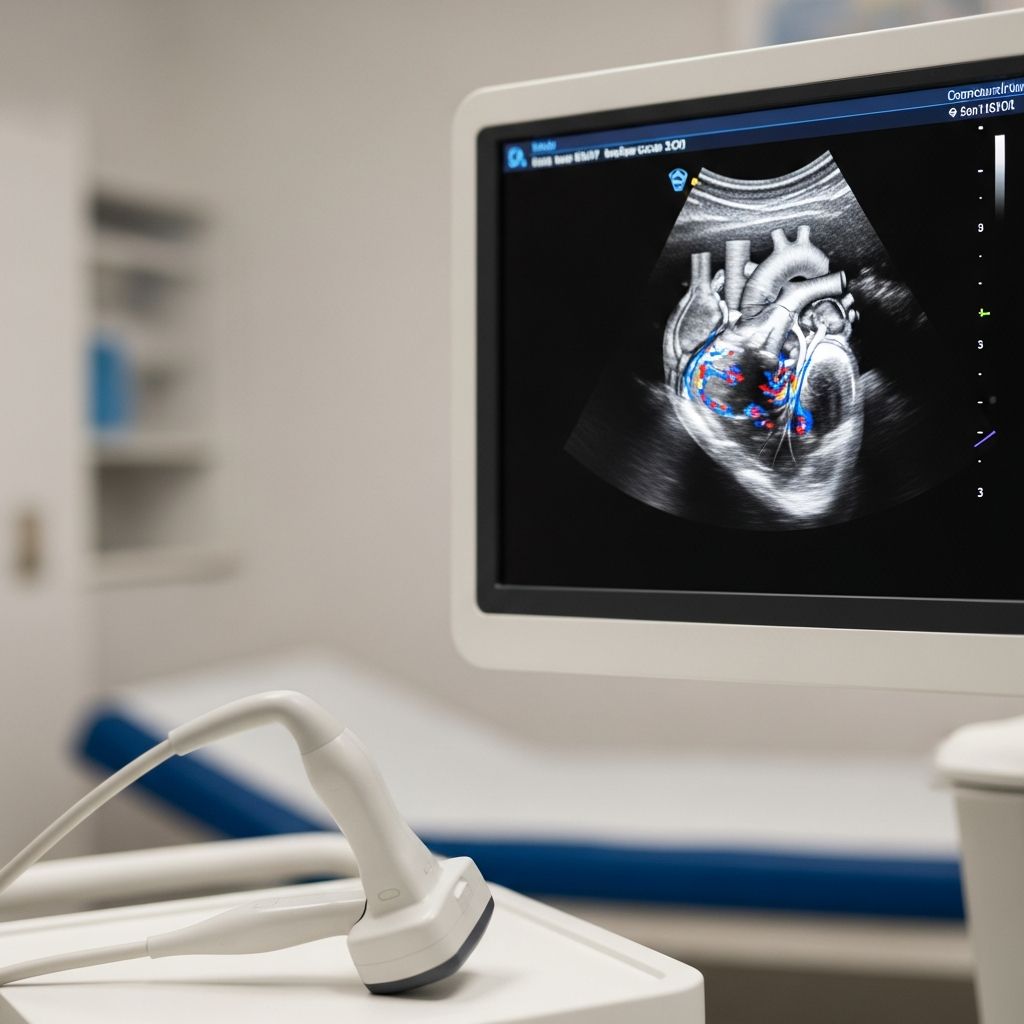
An echocardiogram is a non-invasive ultrasound test that uses sound waves to create detailed moving images of your heart. This diagnostic tool allows healthcare providers to assess your heart’s structure, evaluate how well it’s functioning, and identify potential cardiac problems. The test is painless, requires no radiation, and provides valuable information about your cardiovascular health. Whether you’re experiencing heart-related symptoms or your doctor wants to monitor an existing condition, an echocardiogram is often one of the first imaging tests recommended to evaluate heart function.
What Is an Echocardiogram?
An echocardiogram, commonly called an echo, is an ultrasound examination of your heart that produces real-time moving images. The test uses high-frequency sound waves that travel through your body and bounce off heart tissue, creating echoes that a computer converts into visual images displayed on a monitor. These images allow your healthcare provider to see your heart’s shape, size, and motion, as well as evaluate the function of all four chambers and four heart valves. The echocardiogram can also assess blood flow through your heart using Doppler ultrasound technology, which measures and visualizes how blood moves through your cardiac chambers and valves.
Why Your Doctor May Order an Echocardiogram
Healthcare providers order echocardiograms for various clinical reasons. The test helps evaluate overall heart health, determine how efficiently your heart pumps blood, and identify structural or functional abnormalities. An echo can diagnose several cardiac conditions including cardiomyopathy, valve disease, heart infections, and congenital heart defects. Your provider may recommend this test if you’re experiencing symptoms such as shortness of breath, chest pain, heart murmurs, irregular heartbeats, or swelling in your legs. The test is also useful for screening, diagnosing, or monitoring specific medical conditions, and it can help guide treatment decisions for existing heart problems.
Conditions Echocardiograms Can Detect
Echocardiograms can identify numerous cardiac conditions, including:
- Structural heart disease and abnormalities
- Heart valve problems such as aortic stenosis and mitral regurgitation
- Cardiomyopathy and weakened heart muscle
- Heart chamber enlargement or dysfunction
- Blood clots within the heart
- Endocarditis and other heart infections
- Congenital heart disease
- Fluid around the heart (pericardial effusion)
- Problems with heart function after a heart attack
- Complications from high blood pressure or diabetes
Types of Echocardiograms
Several types of echocardiograms are available, each providing different perspectives on heart function. Your healthcare provider will determine which type is most appropriate based on your specific clinical situation.
Transthoracic Echocardiogram (TTE)
The transthoracic echocardiogram is the most common type of echo performed. During this non-invasive procedure, a sonographer places a small ultrasound device called a transducer on your chest wall. The transducer sends sound waves through your skin and chest to capture images of your heart from multiple angles. TTE is performed while you’re awake and requires no sedation. The procedure typically takes 40 to 60 minutes and provides excellent visualization of the heart’s structure and function. This is the standard first-line imaging test for most patients because it’s safe, quick, and provides comprehensive cardiac information.
Transesophageal Echocardiogram (TEE)
A transesophageal echocardiogram provides more detailed images by placing the ultrasound transducer inside your esophagus, the tube connecting your mouth to your stomach. This positioning allows clearer visualization of certain heart structures that may be difficult to see on a standard transthoracic echo. TEE is particularly useful for evaluating the back chambers of the heart, checking for blood clots, assessing valve problems in detail, and identifying structural abnormalities. This procedure typically takes longer than TTE, sometimes up to 90 minutes, and may require mild sedation for your comfort. Your throat will be numbed beforehand to minimize discomfort during the procedure.
Related Stories



Stress Echocardiogram
An exercise or pharmacologic stress echocardiogram evaluates how your heart functions under physical stress. Images are taken before and after your heart rate is increased either through exercise on a treadmill or stationary bike, or through medications that simulate exercise effects. This test can reveal heart problems that aren’t apparent when your heart is at rest and helps assess your heart’s ability to handle increased demands. Stress echos are valuable for detecting coronary artery disease and evaluating exercise tolerance in patients with known cardiac conditions.
Three-Dimensional Echocardiography
Three-dimensional echo provides volumetric data and spatial relationships of cardiac structures, offering enhanced visualization compared to traditional two-dimensional imaging. This advanced technique helps with more precise measurement of chamber volumes and assessment of complex structural abnormalities. Three-dimensional echocardiography is increasingly used in clinical practice to improve diagnostic accuracy and guide interventional procedures.
How to Prepare for Your Echocardiogram
Preparation for a transthoracic echocardiogram is minimal. You can eat and drink normally before the test, and you may continue taking all your regular medications as prescribed. There are no dietary restrictions or fasting requirements for a standard TTE. Wear comfortable, loose-fitting clothing that allows easy access to your chest, as you’ll need to remove clothing from the waist up during the procedure. If you’re scheduled for a TEE, your healthcare provider will give you specific pre-procedure instructions, which typically include fasting for several hours before the test. For a stress echocardiogram, wear comfortable athletic clothing and appropriate shoes, and inform your provider about any medications you take, especially those affecting heart rate.
What to Expect During the Procedure
When you arrive for your echocardiogram, a cardiac sonographer will explain the procedure and answer any questions. You’ll be asked to remove your clothing from the waist up and lie on an examination table, typically on your left side. The sonographer will attach several small electrodes to your chest to monitor your heart’s electrical activity during the test. A clear gel will be applied to your chest to help the ultrasound transducer make good contact with your skin and transmit sound waves effectively.
The sonographer will then move the transducer across your chest in different positions to capture images of your heart from various angles. You may be asked to hold your breath briefly while images are being obtained. The sonographer might also ask you to change positions or roll onto your left side to get better views of different heart structures. Throughout the procedure, you can see the images on the monitor, and the sonographer may explain what they’re visualizing. The test is painless, though you might feel slight pressure from the transducer against your chest.
Once the sonographer has obtained all necessary images, the gel will be wiped from your skin, and the electrodes will be removed. You can immediately resume your normal clothing and activities, including driving home. There are no restrictions on activity after a transthoracic echocardiogram.
Safety and Risks
Echocardiography is an extremely safe diagnostic procedure with no known risks. The test uses ultrasound technology, which does not employ radiation or electrical currents that could harm your body. The sound waves used are harmless and pose no danger to your tissues. The only minor discomfort you might experience is a brief pinch if contrast dye is injected intravenously, which some providers use to enhance image quality and better visualize blood flow through your heart.
Understanding Your Results
After your echocardiogram, the sonographer sends a detailed report to the healthcare provider who ordered the test. This process typically takes one to two days. Your provider will review the findings and follow up with you to discuss the results. A normal echocardiogram means there are no concerning findings regarding your heart’s structure or function. Your provider will explain what the results show and discuss any implications for your health.
If abnormalities are detected, your provider will discuss findings with you and explain what they mean for your health. Results may indicate the need for treatment, additional testing, lifestyle modifications, or medication management. Your provider will outline the next steps in your care plan based on the echo findings and your overall clinical situation.
Comparison of Echocardiogram Types
Different echocardiogram types serve distinct purposes and offer different advantages:
| Type | Procedure | Duration | Sedation | Best For |
|---|---|---|---|---|
| Transthoracic (TTE) | Ultrasound probe on chest | 40-60 minutes | No | Initial screening, routine assessment |
| Transesophageal (TEE) | Ultrasound probe in esophagus | Up to 90 minutes | Yes (mild) | Detailed valve assessment, clot detection |
| Stress Echo | Images before and after exercise | 30-60 minutes | No | Assessing heart under stress |
| 3D Echo | Advanced ultrasound imaging | 40-60 minutes | No | Complex structural problems |
The Role of Quality Assurance in Echocardiography
High-quality echocardiography depends on standardized protocols, skilled sonographers, and experienced interpreting physicians. Healthcare facilities implement continuous quality improvement programs to ensure consistent image acquisition and accurate interpretation. These programs include peer review processes, regular education for staff, and adherence to national guidelines. Quality assurance helps ensure that every patient receives reliable, accurate diagnostic information from their echocardiogram.
Frequently Asked Questions About Echocardiograms
Q: Is an echocardiogram painful?
A: No, a transthoracic echocardiogram is completely painless. You may feel slight pressure from the ultrasound transducer against your chest, but there should be no pain or significant discomfort. A transesophageal echocardiogram involves more sensation but is minimized through throat numbing and mild sedation.
Q: How long does an echocardiogram take?
A: A standard transthoracic echocardiogram typically takes 40 to 60 minutes. A transesophageal echocardiogram may take up to 90 minutes. The exact duration depends on the complexity of your case and the specific views needed.
Q: Can I eat before my echocardiogram?
A: For a transthoracic echocardiogram, you can eat and drink normally. However, if you’re scheduled for a transesophageal echocardiogram, you’ll typically need to fast for several hours before the procedure as directed by your healthcare provider.
Q: How soon will I get my results?
A: The sonographer’s report is typically sent to your healthcare provider within one to two days. Your provider will then contact you to discuss the findings and any next steps in your care.
Q: Can I drive after my echocardiogram?
A: Yes, you can drive yourself home immediately after a transthoracic echocardiogram. However, if you receive sedation for a transesophageal echocardiogram, you’ll need someone else to drive you home.
Q: What conditions can an echocardiogram diagnose?
A: Echocardiograms can diagnose heart valve problems, cardiomyopathy, structural heart disease, heart infections, congenital heart defects, blood clots, and assess heart function after a heart attack or in various cardiac conditions.
Q: Is echocardiography safe during pregnancy?
A: Yes, echocardiography is safe during pregnancy because it uses ultrasound, which involves no radiation. It’s often used to assess fetal heart development and maternal cardiac function during pregnancy.
Conclusion
An echocardiogram is a valuable, safe, and non-invasive diagnostic tool that provides detailed information about your heart’s structure and function. Whether you need initial screening, diagnosis of cardiac symptoms, or monitoring of an existing heart condition, an echocardiogram can offer crucial insights to guide your healthcare. With multiple types available and minimal preparation required, it’s an accessible test that helps your healthcare provider make informed decisions about your cardiac care. If your doctor has recommended an echocardiogram, understanding what to expect can help you feel more confident and prepared for the procedure.
References
- Transthoracic Echocardiogram (TTE) — Cleveland Clinic. Accessed 2025. https://my.clevelandclinic.org/health/diagnostics/13477-echocardiogram-transthoracic-tte
- Exercise Stress Echocardiogram: Purpose and Procedure Details — Cleveland Clinic. Accessed 2025. https://my.clevelandclinic.org/health/diagnostics/16983-exercise-stress-echocardiogram
- Enhancing Core Echo Values Through Robust Quality Assurance — Cleveland Clinic. Accessed 2025. https://consultqd.clevelandclinic.org/enhancing-core-echocardiography-values-through-a-robust-internal-quality-assurance-program
- A Contemporary 20-Year Cleveland Clinic Experience of Infective Endocarditis — PubMed/NIH. 2020. https://pubmed.ncbi.nlm.nih.gov/32827467/
- Cleveland Clinic State of the Art Echocardiography — Cleveland Clinic. Accessed 2025. https://www.youtube.com/watch?v=qTSjjb0RW4w
Similar Articles








Read full bio of Sneha Tete