Eclampsia: Causes, Symptoms, Diagnosis & Treatment
Understanding eclampsia: A rare but serious pregnancy complication requiring immediate medical attention.
What is Eclampsia?
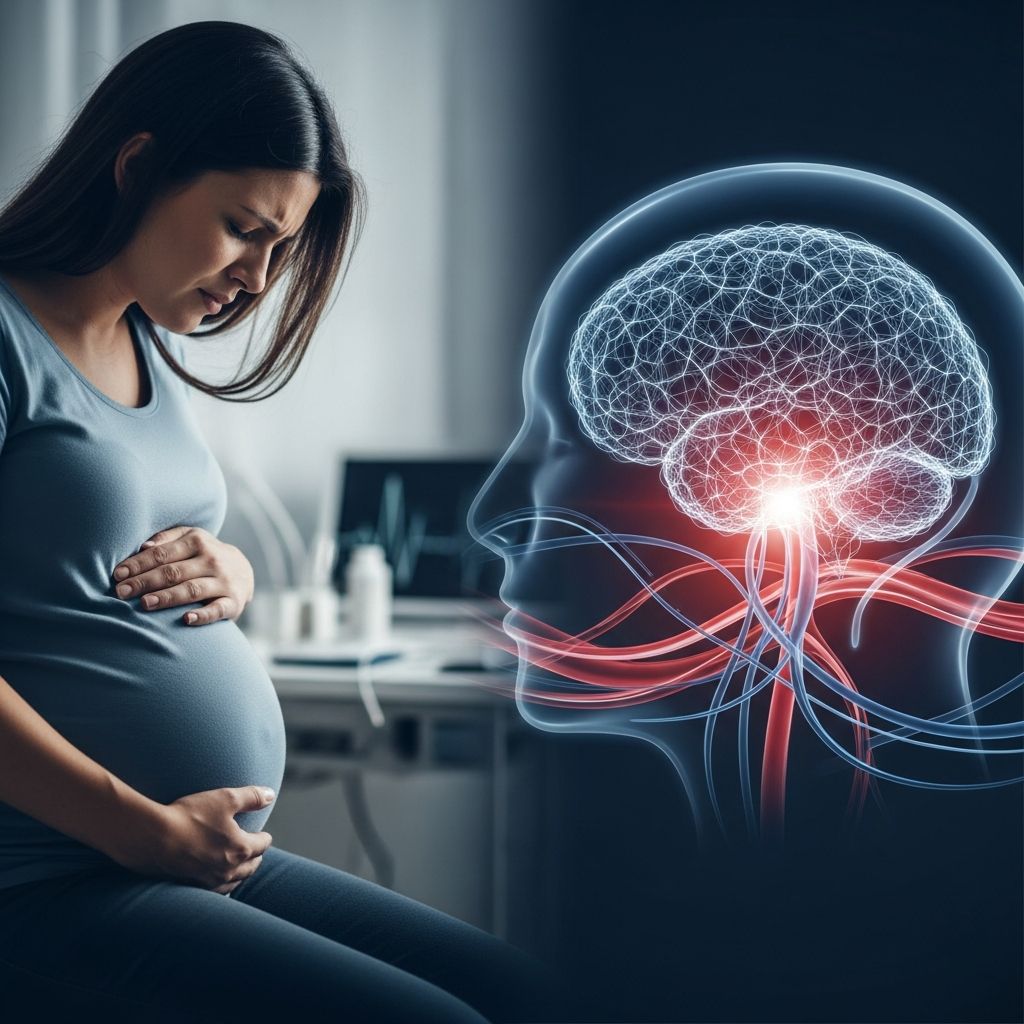
Eclampsia is a rare but serious pregnancy complication characterized by the onset of seizures (convulsions) in pregnant women who have preeclampsia. This condition represents the most severe manifestation of hypertensive disorders in pregnancy and constitutes a medical emergency requiring immediate intervention. Eclampsia typically occurs after the 20th week of pregnancy, though it can develop at any point during the second and third trimesters.
The condition is defined by the presence of unexplained generalized seizures in patients with hypertensive disorders of pregnancy. These seizures are episodes of shaking, confusion, and disorientation caused by abnormal brain activity. While eclampsia is a complication of preeclampsia, it can occasionally occur without clear preceding signs of preeclampsia, making it particularly dangerous and unpredictable.
It is important to understand that eclampsia affects less than 3% of people with preeclampsia, making it a relatively rare condition. However, when it does occur, it demands emergency medical care and specialized management to prevent serious complications for both mother and baby.
Understanding Preeclampsia and Its Relationship to Eclampsia
Preeclampsia is a disorder of pregnancy in which a person who is pregnant develops high blood pressure and protein in their urine, typically after 20 weeks of gestation. This condition sets the stage for eclampsia to develop. When a person with preeclampsia develops seizures during pregnancy, the condition progresses to eclampsia.
The relationship between preeclampsia and eclampsia is critical to understand: preeclampsia creates the physiological conditions that may lead to eclampsia. High blood pressure from preeclampsia puts excessive pressure on blood vessels throughout the body, including those in the brain. This pressure can cause swelling in the brain tissue, which may trigger seizures characteristic of eclampsia.
In most cases, healthcare providers manage preeclampsia effectively before it progresses to the more severe eclampsia. Regular prenatal monitoring, blood pressure checks, and urine tests allow physicians to detect and treat preeclampsia before dangerous seizures occur.
Causes of Eclampsia
The exact mechanisms that cause eclampsia are not fully understood, but several factors contribute to its development:
Primary Physiological Mechanisms
Eclampsia develops primarily from the progression of preeclampsia. The elevated blood pressure associated with preeclampsia creates significant stress on blood vessel walls throughout the body. This vascular stress leads to cerebral edema, or swelling in the brain tissue. When brain swelling occurs, it disrupts normal neural function and can trigger seizure activity.
Additionally, preeclampsia affects how the placenta functions and delivers oxygen, blood, and nutrients to the fetus. This placental dysfunction contributes to the systemic complications that characterize both preeclampsia and eclampsia.
Risk Factors
Certain conditions and lifestyle factors increase the risk of developing eclampsia:
– First-time pregnancies- Advanced maternal age (over 35 years)- Multiple pregnancies (twins or more)- History of hypertension or preeclampsia- Kidney disease or diabetes- Genetic predisposition to hypertensive disorders- Certain dietary factors and nutritional deficiencies- Obesity- Maternal stress and lack of adequate prenatal care
Related Stories



Symptoms of Eclampsia
Recognizing the symptoms of eclampsia is crucial for seeking emergency medical care. The most common symptoms include:
Primary Warning Signs
– Seizures or convulsions: Uncontrolled shaking and muscle contractions- Severe headaches: Persistent, intense head pain- Blurry or dimmed vision: Visual disturbances or temporary vision loss- High blood pressure: Persistent elevated blood pressure readings- Confusion and disorientation: Altered mental status and difficulty thinking clearly- Loss of consciousness: Fainting or coma in severe cases
Additional Serious Symptoms
Pregnant women should seek emergency medical care immediately if they experience any of the following during pregnancy:
– New-onset seizures- Severe abdominal pain, particularly in the upper right quadrant- Difficulty breathing or chest pain- Sudden severe headache- Visual changes or blindness- Persistent vomiting- Reduced urine output
Any of these symptoms warrants immediate evaluation at an emergency room, as they may indicate eclampsia or other serious pregnancy complications.
Diagnosis of Eclampsia
Healthcare providers diagnose eclampsia based on the clinical presentation of seizures in a pregnant woman, combined with specific diagnostic tests and monitoring procedures.
Clinical Examination
Your obstetrician will perform a comprehensive physical examination that includes:
– Blood pressure measurement and monitoring- Assessment for facial or extremity edema (swelling)- Evaluation for pulmonary edema (fluid in the lungs)- Assessment for upper right quadrant abdominal tenderness- Evaluation of reflexes (hyperreflexia is common)- General neurological assessment
Laboratory Tests
Diagnostic testing includes:
– Complete blood count (CBC) and platelet count assessment- Urine tests to detect increased protein levels (proteinuria)- 24-hour urine collection if indicated- Blood pressure monitoring over time- Uric acid levels- Liver function tests- Blood urea nitrogen (BUN) and creatinine to assess kidney function- Creatinine clearance if kidney function is abnormal
Fetal Assessment
Your healthcare provider will monitor the fetus closely through:
– Ultrasound examination to assess fetal size and development- Fetal heart rate monitoring- Assessment of fetal movement- Evaluation of amniotic fluid levels- Overall assessment of fetal well-being and tolerance of the pregnancy
Treatment and Management of Eclampsia
Eclamptic seizures constitute a medical emergency and require immediate treatment to prevent serious complications and death for both mother and fetus.
Immediate Emergency Care
When eclampsia occurs, immediate supportive measures are essential:
Initial Response
– Call for assistance: Immediate help must be summoned, as trained clinicians are essential to stabilize the patient- Maternal positioning: The patient should be placed in the lateral decubitus position (lying on her side) to improve blood flow and reduce aspiration risk- Preventing injury: Bed rails should be elevated and padded for safety, though restraining the patient during seizures is not recommended- Airway management: Maintaining a patent airway and preventing aspiration through suctioning of secretions is critical- Oxygen administration: Supplemental oxygen at 8 to 10 liters per minute via face mask is recommended to ensure optimal maternal and fetal oxygenation
Continuous Monitoring
Throughout and after the seizure, healthcare providers must closely monitor:
– Oxygen saturation levels- Vital signs (heart rate, blood pressure, respiratory rate, temperature)- Urine output and fluid status- For at least 72 hours following the seizure event- Development of complications such as aspiration or pulmonary edema
Medication Management
Healthcare providers may prescribe several medications during pregnancy to manage eclampsia:
– Magnesium sulfate: The primary anticonvulsant medication used to prevent and control seizures in eclampsia- Antihypertensive medications: To control dangerously high blood pressure- Additional seizure prevention medications: As indicated by clinical circumstances
Delivery Considerations
The best treatment for eclampsia is delivering the baby. The timing and method of delivery depend on several factors:
Term Pregnancies (37 Weeks or More)
If the fetus has reached 37 weeks of gestation or beyond, inducing labor is usually the best choice. Vaginal delivery may still be possible if both mother and fetus are stable.
Preterm Pregnancies
For pregnancies before 37 weeks, the decision to deliver must balance the risks of prematurity against the serious risks of continuing the pregnancy with eclampsia.
Delivery Method Selection
The most efficient method of delivery should be used. If the cervix is favorable and rapid vaginal delivery seems feasible, labor induction with intravenous oxytocin is initiated. If the cervix is unfavorable and prompt vaginal delivery is unlikely, cesarean delivery may be considered.
Potential Complications of Eclampsia
Eclampsia can cause serious complications for both mother and baby if not treated promptly:
Maternal Complications
– Stroke or cerebrovascular accidents- Brain damage or lasting neurological effects- Pulmonary edema (fluid in the lungs)- Kidney dysfunction or failure- Liver complications- Blood clotting disorders- Placental abruption- Coma- Death (though rare with modern medical care)
Fetal and Neonatal Complications
Preeclampsia and eclampsia can affect the placenta and its ability to function properly. The placenta delivers oxygen, blood, and nutrients to the fetus. Placental dysfunction may result in:
– Intrauterine growth restriction (poor fetal growth)- Preterm birth (early delivery)- Low birth weight- Fetal distress or compromised well-being- Stillbirth in severe cases- Neonatal complications related to prematurity
Recovery After Eclampsia
Most people recover well from eclampsia following delivery. In fact, preeclampsia and eclampsia usually resolve rapidly after delivery, typically within 6 to 12 hours. However, recovery requires careful monitoring and specific support measures.
Immediate Postpartum Period
After delivery, blood pressure should be monitored closely until it normalizes. Healthcare providers will:
– Continue monitoring vital signs and maternal condition- Continue seizure precautions initially- Monitor for postpartum complications- Manage pain and discomfort appropriately
Long-Term Recovery
Steps to support recovery include:
– Follow-up appointments at regular intervals- Blood pressure checks at least every 1 to 2 weeks postpartum- Periodic blood pressure monitoring beyond the immediate postpartum period- If blood pressure remains elevated after 6 weeks postpartum, evaluation for possible chronic hypertension- Referral to primary care physician for ongoing management if needed
The good news is that eclampsia typically does not cause long-term health problems for the mother when appropriately treated. With prompt medical care, most people recover completely.
Prevention of Eclampsia
While eclampsia cannot always be prevented, several strategies can significantly reduce the risk of developing this serious condition:
Preeclampsia Management
The most effective prevention strategy is getting treatment for preeclampsia. Proper management of preeclampsia can reduce the risk of progression to eclampsia.
Prenatal Care
– Attend all prenatal appointments without exception- Keep regular blood pressure checks scheduled- Ensure blood and urine tests are completed as recommended- Report any concerning symptoms to your healthcare provider immediately
Lifestyle Modifications
– Maintain a healthy diet rich in fruits, vegetables, and lean proteins- Stay physically active as recommended by your healthcare provider- Manage stress through relaxation techniques- Get adequate sleep and rest- Maintain appropriate weight gain during pregnancy- Avoid smoking, alcohol, and illicit drugs
Medication Prevention
For women at increased risk of preeclampsia, starting low-dose aspirin in the first trimester may decrease the risk of developing preeclampsia and potentially eclampsia. Your healthcare provider can determine if you are a candidate for this preventive measure.
When to Seek Emergency Care
Pregnant women should go to the emergency room immediately if they experience:
– A new seizure during pregnancy- Severe headaches that do not respond to treatment- Blurred vision or other visual disturbances- Disorientation or confusion- Signs of eclampsia or severe preeclampsia symptoms- Any other symptoms that feel concerning or unusual
Frequently Asked Questions
Q: Does eclampsia always lead to death?
A: No, eclampsia does not always lead to death. With prompt treatment and emergency medical care, most people will recover from eclampsia. Modern medical interventions and careful monitoring have significantly improved outcomes for women with this condition.
Q: Will eclampsia cause long-term health problems?
A: Eclampsia typically does not cause long-term health problems for the mother when promptly and properly treated. Most women recover completely after delivery. However, eclampsia can affect the fetus and may result in pregnancy complications such as intrauterine growth restriction or preterm birth.
Q: Can eclampsia be prevented?
A: While eclampsia cannot always be prevented, getting treatment for preeclampsia significantly reduces the risk of developing eclampsia. Attending all prenatal appointments, maintaining a healthy lifestyle, and following your healthcare provider’s recommendations are important preventive measures.
Q: What is the only cure for eclampsia?
A: The only definitive cure for eclampsia is delivery of the baby. Delivering the baby allows the placenta to be removed, which typically resolves both preeclampsia and eclampsia within 6 to 12 hours after delivery.
Q: When does eclampsia typically occur?
A: Eclampsia typically occurs after the 20th week of pregnancy. It can occur during pregnancy, labor, delivery, or in the immediate postpartum period, making vigilant monitoring essential throughout pregnancy and the postpartum period.
References
- Eclampsia: Causes, Symptoms, Diagnosis & Treatment — Cleveland Clinic. 2022-10-25. https://my.clevelandclinic.org/health/diseases/24333-eclampsia
- Eclampsia – StatPearls — National Center for Biotechnology Information (NCBI). 2024. https://www.ncbi.nlm.nih.gov/books/NBK554392/
- Preeclampsia and Eclampsia – Gynecology and Obstetrics — Merck Manuals Professional Edition. 2024. https://www.merckmanuals.com/professional/gynecology-and-obstetrics/antenatal-complications/preeclampsia-and-eclampsia
- Hypertension in Pregnancy and Postpartum: Current Standards and Evidence-Based Approaches for Optimal Maternal and Fetal Outcomes — Circulation. 2024. https://doi.org/10.1161/CIRCULATIONAHA.124.073302
Similar Articles








Read full bio of Sneha Tete