Eclipse Eye Injury: Signs, Treatment, Prevention Guide
Discover if watching the eclipse damaged your eyes, recognize symptoms, and learn urgent steps for recovery and prevention.
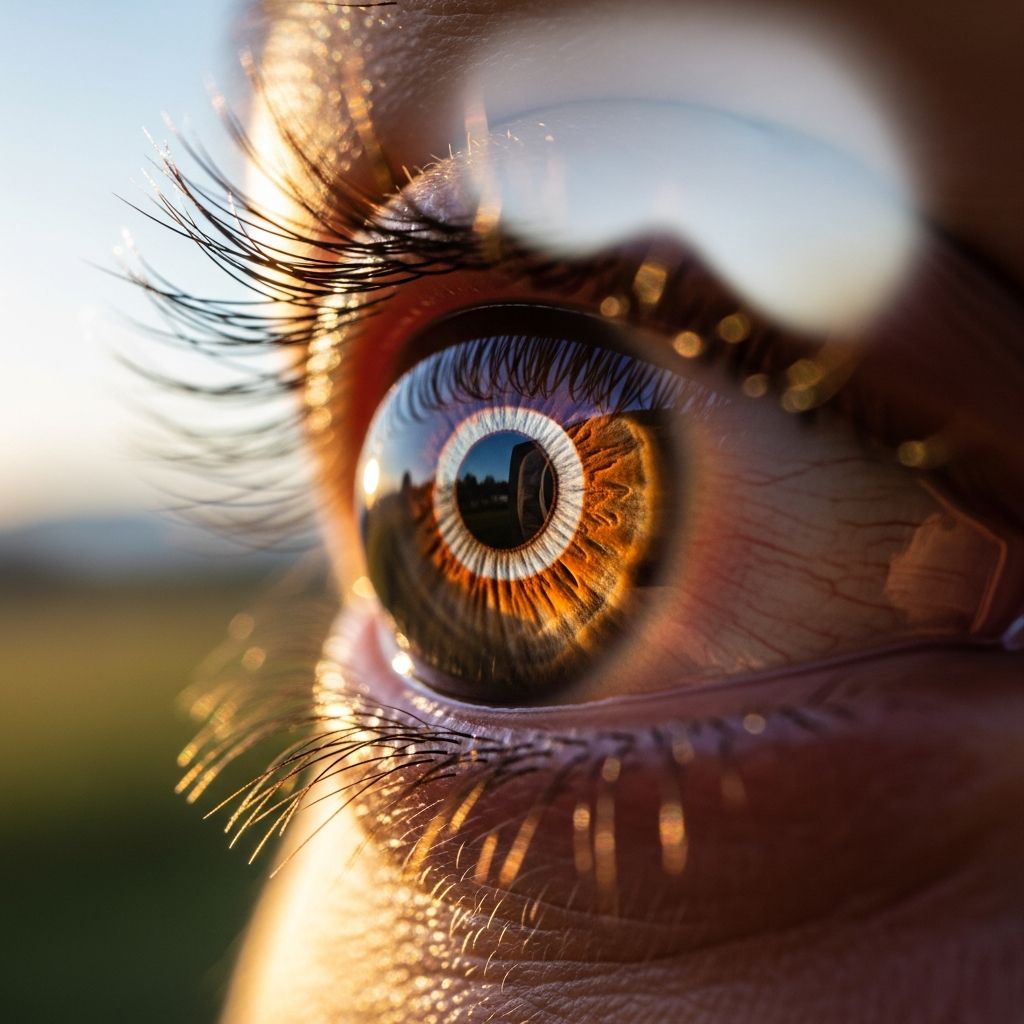
Solar eclipses captivate millions, but unprotected viewing can lead to serious retinal damage known as solar retinopathy, potentially causing permanent vision impairment. This comprehensive guide explores the risks, symptoms, diagnostic processes, treatment options, and proven prevention strategies drawn from leading medical authorities.
Understanding the Hidden Dangers of Solar Viewing
The sun emits intense ultraviolet, visible, and infrared radiation that can burn the retina—the light-sensitive tissue at the back of the eye responsible for sharp central vision—without immediate pain, delaying awareness of harm. During an eclipse, the unusual dimming tempts people to stare longer, concentrating damage on the macula, the retina’s high-resolution center. Even brief glances, cloudy skies, or peripheral peeking heighten risks, as clouds filter minimal UV rays.
Solar retinopathy, also called eclipse retinopathy, manifests from photochemical injury where high-energy light overwhelms retinal cells, leading to cell death and scarring. Unlike skin burns, eye damage occurs silently because the retina lacks pain receptors. Vision changes may appear hours to days later, underscoring the need for vigilance post-event.
Common Symptoms of Retinal Damage After Eclipse Exposure
Monitor for these hallmark signs in the days following unprotected sun gazing:
- Central vision blur or distortion: Straight lines appear wavy, a condition called metamorphopsia, affecting reading or face recognition.
- Blind spots or scotomas: Dark or gray patches in central vision, obstructing detailed sight.
- Altered color perception: Colors seem washed out or changed, impacting daily tasks.
- Headaches or eye discomfort: Mild pain or sensitivity, though not always present.
- Difficulty focusing: Trouble with near or distance vision clarity.
These symptoms often stabilize within 24-48 hours but can worsen over weeks. Children and those with lighter eye pigmentation face higher vulnerability due to less natural pigment protection.
| Time After Exposure | Typical Symptoms | Severity Range |
|---|---|---|
| Hours to 1 day | Mild blur, spotty vision | Mild to moderate |
| 1-7 days | Wavy lines, central scotoma | Moderate to severe |
| Weeks to months | Stabilization or partial recovery | Variable; some permanent |
Partial recovery occurs in many cases over months, but full restoration is rare for severe damage.
When to Seek Immediate Eye Care
Consult an ophthalmologist promptly if symptoms persist beyond 24 hours or intensify. Early evaluation maximizes recovery potential, as retinal cells have limited regeneration. Delaying care risks irreversible scarring. Use tools like the Amsler grid—a simple square pattern—to self-test: cover one eye and stare at the center; report distortions immediately.
Professionals perform dilated exams, optical coherence tomography (OCT) for retinal layer imaging, and fundus photography to assess damage extent. No specific treatment reverses solar burns; management focuses on symptom relief and monitoring.
Treatment Pathways for Solar Retinopathy
Current approaches emphasize supportive care:
- Observation and rest: Avoid straining eyes; most mild cases improve naturally over 3-6 months.
- Corticosteroids: Oral or injected to reduce inflammation, used judiciously due to side effects.
- Antioxidants: Vitamins C and E may aid cellular repair, though evidence is preliminary.
- Low-vision aids: Magnifiers or specialized glasses for permanent deficits.
Research into neuroprotective agents continues, but prevention remains paramount. Patients should schedule follow-ups every 1-3 months to track progress.
Related Stories



Safe Viewing Methods for Future Solar Events
To enjoy eclipses without risk:
- Certified eyewear only: Use glasses or viewers meeting ISO 12312-2 standards, blocking 99.999% of harmful light. Verify labels and inspect for defects.
- Indirect methods: Pinhole projectors using cardboard create safe shadows.
- Totality exception: Brief direct viewing allowed only during full moon coverage (no sun disk visible); resume protection instantly.
Never use regular sunglasses, phone cameras, binoculars, or telescopes without front-mounted solar filters—these concentrate light, amplifying damage. Supervise children closely.
Debunking Eclipse Viewing Myths
Misconceptions endanger viewers:
| Myth | Fact | Source |
|---|---|---|
| Clouds provide protection | They block little UV; damage still occurs | |
| Dark sunglasses suffice | Transmit too much light; need ISO filters | |
| Short glances are safe | Seconds can cause harm | |
| DIY filters work | Unsafe; use certified products |
Protecting Vulnerable Groups: Children and High-Risk Eyes
Young eyes absorb more light; enforce strict supervision. Those with eye conditions or medications increasing light sensitivity (e.g., certain antibiotics) should avoid direct viewing entirely. Educate communities via schools and health campaigns.
Long-Term Eye Health Post-Eclipse
Even without symptoms, annual dilated exams detect subtle changes. Maintain UV-protective habits: wear sunglasses outdoors, use computer vision breaks, and eat antioxidant-rich foods like leafy greens for retinal support. Stay informed via trusted sources like the American Academy of Ophthalmology.
Frequently Asked Questions (FAQs)
Can eclipse damage heal completely?
Partial recovery is common within months, but severe cases leave permanent central vision loss.
How do I test my vision at home?
Use an Amsler grid: any wavy lines or missing areas warrant professional check.
Are eclipse glasses reusable?
Yes, if undamaged; store carefully for future events.
What if I viewed through a camera?
Unfiltered optics heighten risk; seek exam regardless.
Is totality safe without glasses?
Yes, briefly when no sun is visible; replace immediately after.
References
- Total solar eclipse eye safety — Baylor College of Medicine. 2024-04-05. https://www.bcm.edu/news/total-solar-eclipse-eye-safety
- How to safely watch the solar eclipse — UChicago Medicine. 2024-03-20. https://www.uchicagomedicine.org/forefront/health-and-wellness-articles/2024/march/how-to-safely-watch-the-solar-eclipse
- Eclipse viewing and Eye Safety — University of Toledo. 2024. https://www.utoledo.edu/eclipse/eye-safety.html
- How to watch the solar eclipse safely — Mayo Clinic Health System. 2024-04-01. https://www.mayoclinichealthsystem.org/hometown-health/speaking-of-health/how-to-watch-the-solar-eclipse-safely
- Solar Eclipses Eye Safety: Protect Your Eyes from the Sun! — Eyesight Foundation of America. 2024. https://eyesightfoundation.org/solar-eclipses-eye-safety-protect-your-eyes-from-the-sun/
- How to View a Solar Eclipse Safely — American Astronomical Society. 2024-04-08. https://eclipse.aas.org/eye-safety
Similar Articles








Read full bio of medha deb