Econazole Guide: Uses, Dosage, Side Effects, Tips
Comprehensive guide to econazole: effective topical antifungal for common skin infections like ringworm, athlete's foot, and yeast issues.
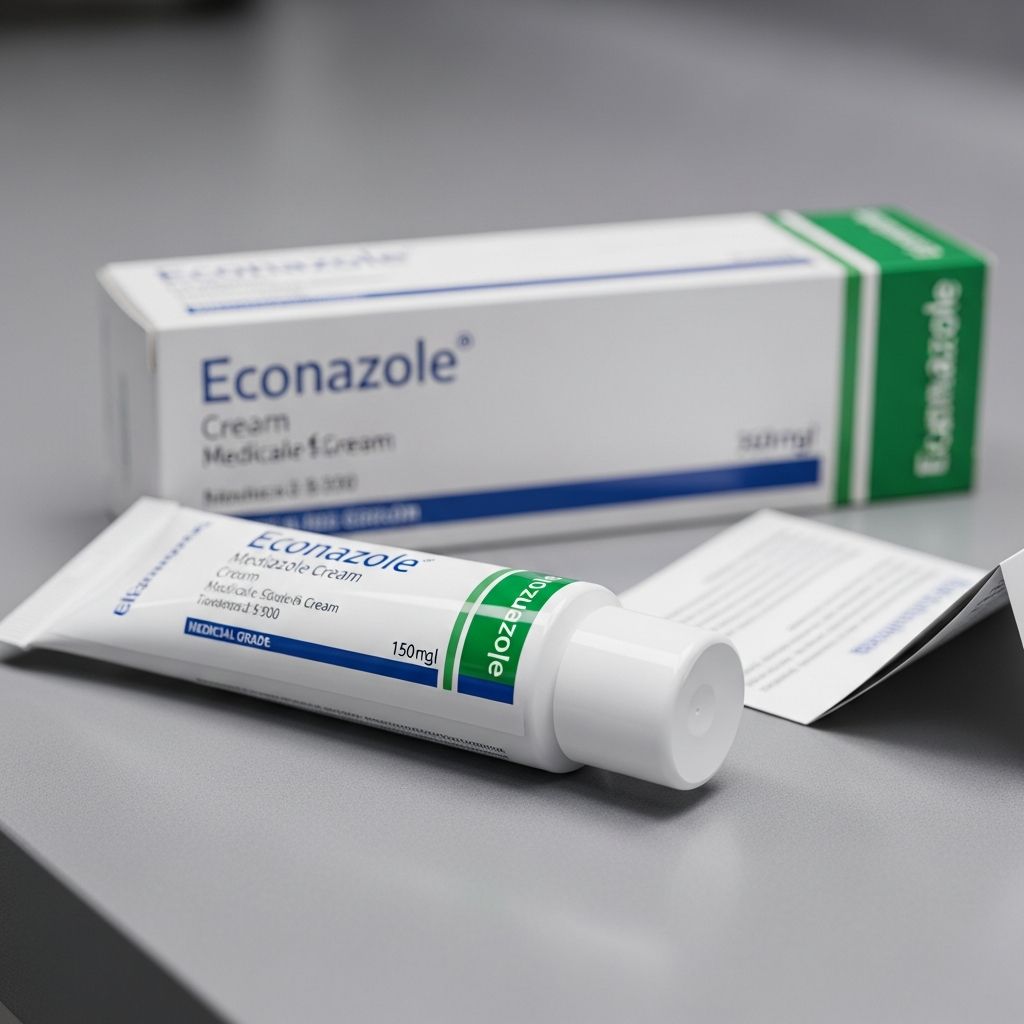
Econazole stands as a reliable topical antifungal agent designed to combat various fungal and yeast-related skin conditions. Available primarily as a cream or foam, it targets infections by disrupting fungal cell membranes, effectively halting their growth and spread. This medication proves particularly useful for ailments like ringworm, athlete’s foot, and jock itch, offering relief through straightforward application.
Understanding Fungal Skin Infections
Fungal skin infections, known as dermatomycoses, arise from dermatophytes, yeasts, or other fungi thriving in warm, moist environments. Common culprits include Trichophyton species, Microsporum, and Epidermophyton floccosum, which cause itchy, scaly patches on the body. These infections spread easily via direct contact or contaminated surfaces, affecting millions annually. Early intervention with antifungals like econazole prevents complications such as secondary bacterial infections or chronic persistence.
Symptoms often include redness, itching, cracking, and blistering. For instance, athlete’s foot presents between toes with peeling skin, while ringworm forms distinctive circular rashes. Tinea versicolor, caused by Malassezia yeast, leads to discolored patches, and cutaneous candidiasis results in moist, inflamed areas in skin folds.
How Econazole Works: The Science Behind It
Econazole belongs to the imidazole class of antifungals, functioning by inhibiting 14-α demethylase, a key enzyme in fungal ergosterol synthesis. Ergosterol is vital for maintaining fungal cell membrane integrity; its depletion causes leakage of cellular contents, leading to fungal death. Additionally, econazole may impair respiration, alter membrane phospholipids, and block purine uptake, providing broad-spectrum activity against dermatophytes and yeasts.
Unlike bactericidal or antiviral agents, econazole specifically targets fungi, making it ineffective against bacterial or viral skin issues. Its topical formulation ensures high local concentrations with minimal systemic absorption, reducing overall risk profiles.
Primary Uses and Treated Conditions
Econazole is FDA-approved for several superficial mycoses:
- Tinea corporis (ringworm of the body): Red, ring-shaped patches on trunk or limbs.
- Tinea pedis (athlete’s foot): Itching and scaling on feet, especially interdigital areas.
- Tinea cruris (jock itch): Rash in groin folds.
- Tinea versicolor (sun fungus): Hypo- or hyperpigmented spots on upper body.
- Cutaneous candidiasis: Yeast-driven inflammation in moist areas.
The foam variant, like Ecoza, is specialized for interdigital tinea pedis in patients 12 and older. Clinical studies report cure rates around 85-90% with 2-6 weeks of use, even in longstanding cases.
Available Forms and Dosage Guidelines
Econazole comes as a 1% cream or foam, prescription-only in most regions. Dosage varies by condition:
| Condition | Form | Adults Dosage | Duration |
|---|---|---|---|
| Cutaneous candidiasis | Cream | Twice daily | 2 weeks |
| Tinea corporis/cruris/pedis/versicolor | Cream | Once daily | 2-4 weeks |
| Interdigital tinea pedis | Foam | Once daily (ages 12+) | 4 weeks |
Children require physician-determined dosing. Apply a thin layer to clean, dry affected areas and 1-2 cm beyond, rubbing gently. Wash hands post-application unless treating hands. Complete full course to prevent recurrence, even if symptoms resolve early.
Step-by-Step Application Instructions
- Cleanse affected area with mild soap and water; pat dry thoroughly.
- Apply pea-sized amount for small areas, more for larger ones; massage until absorbed.
- For feet/groin, use absorbent powder (e.g., tolnaftate) between applications to stay dry.
- Avoid occlusive dressings unless directed; do not cover tightly.
- For foam, shake well, dispense into cap, and apply without rubbing hard.
Related Stories



Store at room temperature, away from heat/moisture. Discard unused portions after treatment to avoid contamination.
Potential Side Effects and Management
Most users experience no issues, but mild reactions occur in <5%:
- Common: Burning, stinging, itching, redness, dryness.
- Rare: Blisters, swelling, oozing—discontinue and seek care.
Symptoms often subside with continued use. Report persistent or severe effects to a provider. Allergic reactions (rash, hives, breathing difficulty) warrant immediate medical attention. No systemic side effects noted due to low absorption.
Precautions and Who Should Avoid It
Avoid if hypersensitive to imidazoles. Not for ophthalmic, oral, or vaginal use—stick to skin only. Use cautiously near eyes/mouth; rinse if contact occurs. Pregnancy category C: consult doctor if pregnant/breastfeeding, as safety data limited.
Keep away from children. Not studied extensively in pediatrics under 12.
Drug Interactions to Watch For
Topical econazole has few interactions due to minimal absorption, but:
- May enhance effects of oral anticoagulants or anti-diabetics rarely.
- Avoid concurrent use with other topicals unless advised.
Inform providers of all medications.
Effectiveness: What Studies Show
Decades of data affirm econazole’s efficacy. A review of dermatological trials showed ~90% cure rates in diverse mycoses, comparable to miconazole/clotrimazole. Shorter regimens (2-4 weeks) match longer ones in outcomes. For tinea versicolor and candidiasis, once/twice-daily application yields high mycological clearance.
In athlete’s foot, foam formulation excels in hard-to-treat interdigital zones, with 4-week therapy preventing relapse.
Lifestyle Tips to Boost Treatment Success
- Wear breathable cotton clothing/socks; change daily.
- Dry feet/groin thoroughly post-shower.
- Avoid sharing towels/footwear.
- Disinfect shoes with antifungal spray.
- Maintain hygiene in communal areas like gyms.
When to See a Doctor
Consult if no improvement in 2 weeks, worsening symptoms, or spread. Diabetics, immunocompromised individuals, or those with nail involvement need professional evaluation—econazole treats skin only.
Frequently Asked Questions (FAQs)
Can I use econazole on my face?
Yes, for ringworm or tinea versicolor, but avoid eyes/nostrils/mouth. Consult provider.
Is econazole safe during pregnancy?
Limited data; use only if benefits outweigh risks under medical supervision.
How long until I see results?
Symptoms may ease in days, but complete full course (2-4 weeks).
Does econazole treat nail fungus?
No, it’s for skin only. Oral antifungals needed for onychomycosis.
Can children use econazole foam?
Approved for ages 12+; younger kids per doctor.
Alternatives if Econazole Isn’t Suitable
Options include clotrimazole, terbinafine, or ketoconazole creams. Provider selects based on infection type/resistance.
References
- Econazole (topical route) – Side effects & dosage — Mayo Clinic. 2023-10-01. https://www.mayoclinic.org/drugs-supplements/econazole-topical-route/description/drg-20063589
- Econazole: Uses, Side Effects, Alternatives & More — GoodRx. 2024-05-15. https://www.goodrx.com/econazole/what-is
- Econazole Skin Cream: Uses & Side Effects — Cleveland Clinic. 2023-08-20. https://my.clevelandclinic.org/health/drugs/18410-econazole-skin-cream
- Econazole: a review of its antifungal activity and therapeutic efficacy — PubMed (Drugs journal). 1979-11-01. https://pubmed.ncbi.nlm.nih.gov/98315/
- Econazole: Uses, Interactions, Mechanism of Action — DrugBank. 2024-02-10. https://go.drugbank.com/drugs/DB01127
Similar Articles








Read full bio of Sneha Tete