Ectodermal Dysplasia: 7 Key Facts On Symptoms And Treatment
A comprehensive guide to ectodermal dysplasia: symptoms, causes, diagnosis, and multidisciplinary management strategies.
What is ectodermal dysplasia?
Ectodermal dysplasia (ED) refers to a heterogeneous group of over 180 inherited disorders characterised by abnormal development of two or more ectodermal structures, such as hair, nails, teeth, and sweat glands. These conditions arise from disruptions in the embryonic ectoderm, the outermost layer responsible for forming skin appendages and other tissues. While primarily affecting ectoderm-derived structures, some forms involve mesodermal or endodermal components, leading to complex syndromes.
The term ‘ectodermal dysplasia’ encompasses pure ectodermal dysplasias (limited to ectodermal tissues) and complex ectodermal dysplasias (with additional abnormalities in bones or other structures). Prevalence varies, but hypohidrotic ectodermal dysplasia (HED), the most common form, affects approximately 1 in 100,000 to 1 in 250,000 individuals. Early diagnosis and multidisciplinary care are essential for optimising quality of life.
Who gets ectodermal dysplasia?
Ectodermal dysplasias are genetic conditions present at birth, affecting males and females, though X-linked forms like Christ-Siemens-Touraine syndrome (X-linked HED) predominantly impact males. Autosomal dominant, recessive, and X-linked inheritance patterns occur across the 180+ types. Family history may be absent in de novo mutations, but genetic counselling is recommended for affected families.
Recognition often begins in infancy due to feeding difficulties, recurrent fevers from hypohidrosis, or delayed dentition. Without intervention, complications like hyperthermia, dental malocclusion, and social challenges from appearance persist into adulthood.
What causes ectodermal dysplasia?
EDs result from mutations in genes regulating ectodermal development, particularly the EDA/EDAR/EDARADD pathway, which controls placode formation for appendages. For HED, mutations in EDA (X-linked, 50% cases), EDAR (autosomal, common in Asians), or EDARADD disrupt ectoderm-mesoderm signalling, impairing hair follicles, sweat glands, and teeth.
Other genes like TP63 (in ankyloblepharon-ectodermal defects-cleft lip/palate syndrome) affect p63 transcription factor, crucial for epithelial stratification. Over 50 genes are implicated across EDs, with phenotypes correlating to specific mutation sites. Pathogenesis involves failed signalling in Wnt, FGF, and NF-κB pathways during embryogenesis.
What are the clinical features of ectodermal dysplasia?
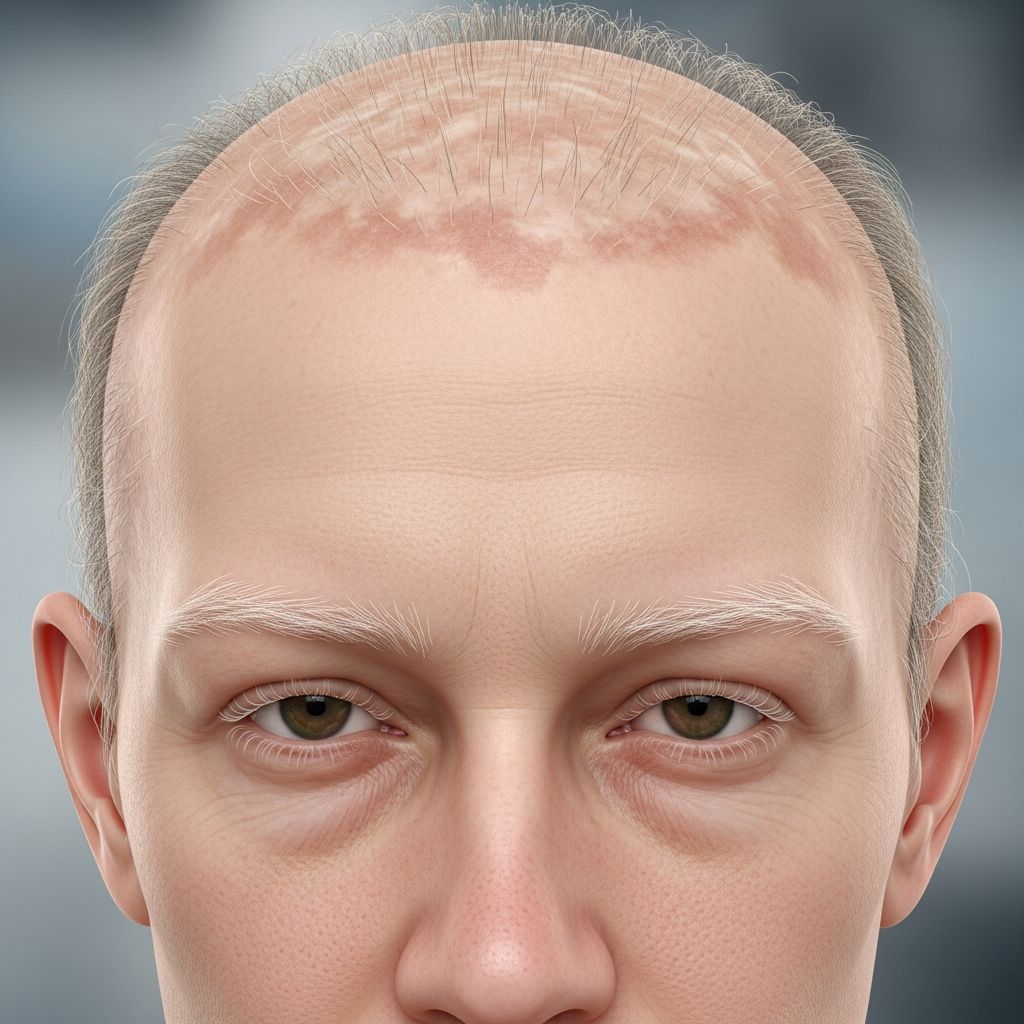
Clinical manifestations vary by type but commonly include the H3 triad: hypohidrosis/anhidrosis, hypotrichosis, and hypodontia. Severity ranges from mild (e.g., isolated nail dysplasia) to profound (e.g., complete anhidrosis with life-threatening hyperthermia).
Hair
- Sparse, brittle, slow-growing scalp hair, often blonde or lightly pigmented
- Absent or reduced eyebrows, eyelashes, beard, axillary, and pubic hair (up to 62% in some cohorts)
- Structural abnormalities: pili torti (twisted hairs), trichorrhexis nodosa (nodular breakage)
Nails
- Dystrophic: thin, ridged, slow-growing, or anonychia (absent nails)
- Fine ridging, koilonychia (spoon-shaped), or onycholysis common
Skin
- Thin, dry skin with reduced elasticity; periorificial hyperpigmentation
- Facial features in HED: prominent forehead, midface hypoplasia, saddle nose, everted lips, low posterior hairline
- Heat intolerance from few/absent sweat glands (85% affected)
Dental anomalies
- Hypodontia (missing teeth, 30-80% reduction); conical/peg-shaped teeth
- Delayed eruption, hypoplastic enamel, taurodontism (enlarged pulp chambers)
- Alveolar ridge hypoplasia leading to malocclusion
Related Stories



Sweat glands
- Hypo/anhidrosis: reduced/absent eccrine glands causing poor thermoregulation
- Risk of hyperpyrexia, especially in infancy (11% require evaluation)
Other features
- Mammary: hypoplastic/atretic nipples (3.4%), breast hypoplasia
- Ocular: dry eyes, corneal erosions
- Cleft lip/palate, limb anomalies (e.g., syndactyly in TP63-related)
- Genitourinary: hypospadias, renal agenesis
How is ectodermal dysplasia diagnosed?
Diagnosis combines clinical evaluation, family history, and confirmatory testing. Key is recognising involvement of ≥2 ectodermal structures.
Clinical assessment
- Physical exam: inspect hair, nails, teeth, skin; assess sweating (starch-iodine test)
- Dental X-rays for hypodontia; facial imaging for midface hypoplasia
Histopathology
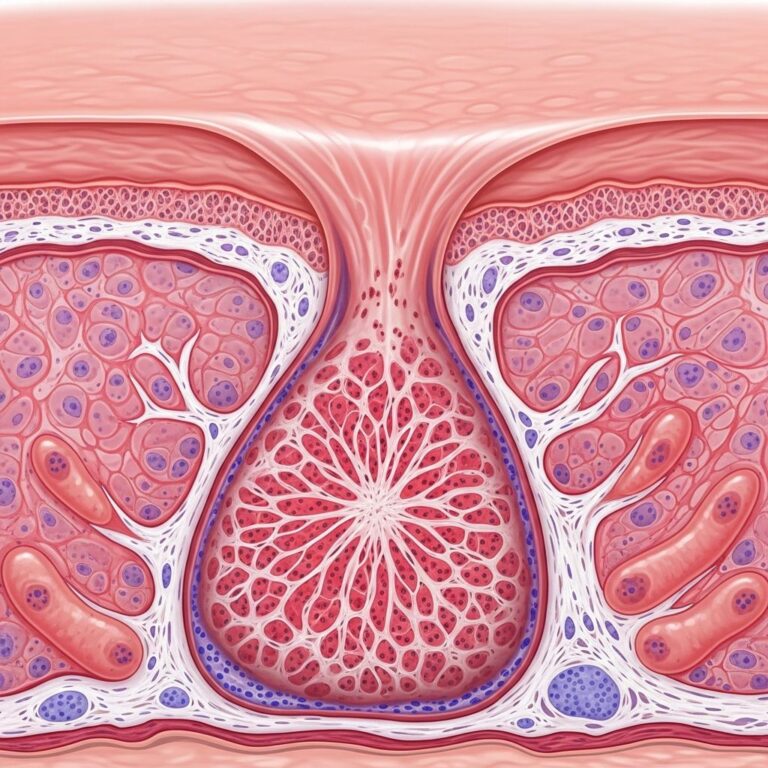
- Skin biopsy shows absent/reduced eccrine glands in severe HED
- Hair microscopy reveals structural defects
Genetic testing
Gold standard: targeted sequencing of ED panels (e.g., EDA, EDAR) or whole-exome sequencing identifies causative variants in 80-90% cases. Prenatal diagnosis possible via amniocentesis.
What is the treatment of ectodermal dysplasia?
No cure exists; management is symptomatic and multidisciplinary. Goals: thermoregulation, dental restoration, cosmetic improvement.
Sweating/thermoregulation
- Cooling vests, air-conditioned environments, frequent hydration
- Experimental: EDI200 recombinant EDA protein (infant infusion trials promising)
Dental
- Overdentures/implants from age 3-4; orthodontics for occlusion
- Prosthodontists essential for lifelong care
Hair/skin/nails
- Topical emollients; wigs/extensions for alopecia
- Nail clippings for dystrophies
Surgical
- Cleft repair, mammary reconstruction post-puberty
- Orthognathic surgery for severe hypoplasia
Supportive
- Genetic counselling; psychological support for body image
- Team: dermatologist, dentist, ENT, ophthalmologist, geneticist
What is the outcome for ectodermal dysplasia?
Prognosis is excellent with early intervention; normal lifespan expected. Quality of life improves via dental prosthetics (speech/feeding), thermoregulation strategies, and cosmetics. Complications like chronic sinusitis or dry eye require monitoring. Fertility usually unaffected, but inheritance risks necessitate counselling. Ongoing research into gene therapy (e.g., EDA pathway) holds promise.
Frequently Asked Questions
What is the most common type of ectodermal dysplasia?
Hypohidrotic ectodermal dysplasia (HED), featuring the classic triad of reduced sweating, sparse hair, and missing teeth.
Can ectodermal dysplasia be cured?
No, but symptoms are highly manageable with multidisciplinary care, improving function and appearance significantly.
Is genetic testing necessary?
Yes, to confirm diagnosis, identify type, and guide family counselling/prenatal options.
Do all patients have sweating problems?
No, severity varies; some have normal sweating while others experience life-threatening anhidrosis.
What age should dental treatment start?
Early, often with obturators in infancy; definitive prosthetics by school age.
Table: Common Types of Ectodermal Dysplasia
| Type | Inheritance | Key Features | Gene |
|---|---|---|---|
| Hypohidrotic (Christ-Siemens-Touraine) | X-linked | H3 triad, midface hypoplasia | EDA |
| Anhidrotic (Clouston) | Autosomal dominant | Nail dystrophy, palmoplantar hyperkeratosis | GJB6 |
| Ectrodactyly-ED-cleft (EEC) | Autosomal dominant | Limb defects, cleft lip/palate | TP63 |
| Hay-Wells | Autosomal dominant | Ankyloblepharon, scalp erosions | TP63 |
References
- Ectodermal Dysplasia: Types, Symptoms & Treatment — Cleveland Clinic. 2024-01-15. https://my.clevelandclinic.org/health/diseases/ectodermal-dysplasia
- NFED Family Guide to the Ectodermal Dysplasias — National Foundation for Ectodermal Dysplasias. 2016-07. https://nfed.org/wp-content/uploads/2016/07/NFED-Family-GuideToThe-Ectodermal-Dysplasias.pdf
- Ectodermal dysplasia: a narrative review of the clinical manifestations, genetics, and management — Frontiers in Pediatrics. 2025. https://www.frontiersin.org/journals/pediatrics/articles/10.3389/fped.2025.1523313/full
- Learn about Ectodermal Dysplasias — National Foundation for Ectodermal Dysplasias. 2025. https://nfed.org/learn/
- Hypohidrotic ectodermal dysplasia — MedlinePlus Genetics (U.S. National Library of Medicine). 2024. https://medlineplus.gov/genetics/condition/hypohidrotic-ectodermal-dysplasia/
- Ectodermal Dysplasias — NORD (National Organization for Rare Disorders). 2024-05-20. https://rarediseases.org/rare-diseases/ectodermal-dysplasias/
Similar Articles








Read full bio of medha deb