Ectopic Heartbeats: Causes, Symptoms & Treatment
Understanding ectopic heartbeats: what they are, when to worry, and treatment options.
Understanding Ectopic Heartbeats
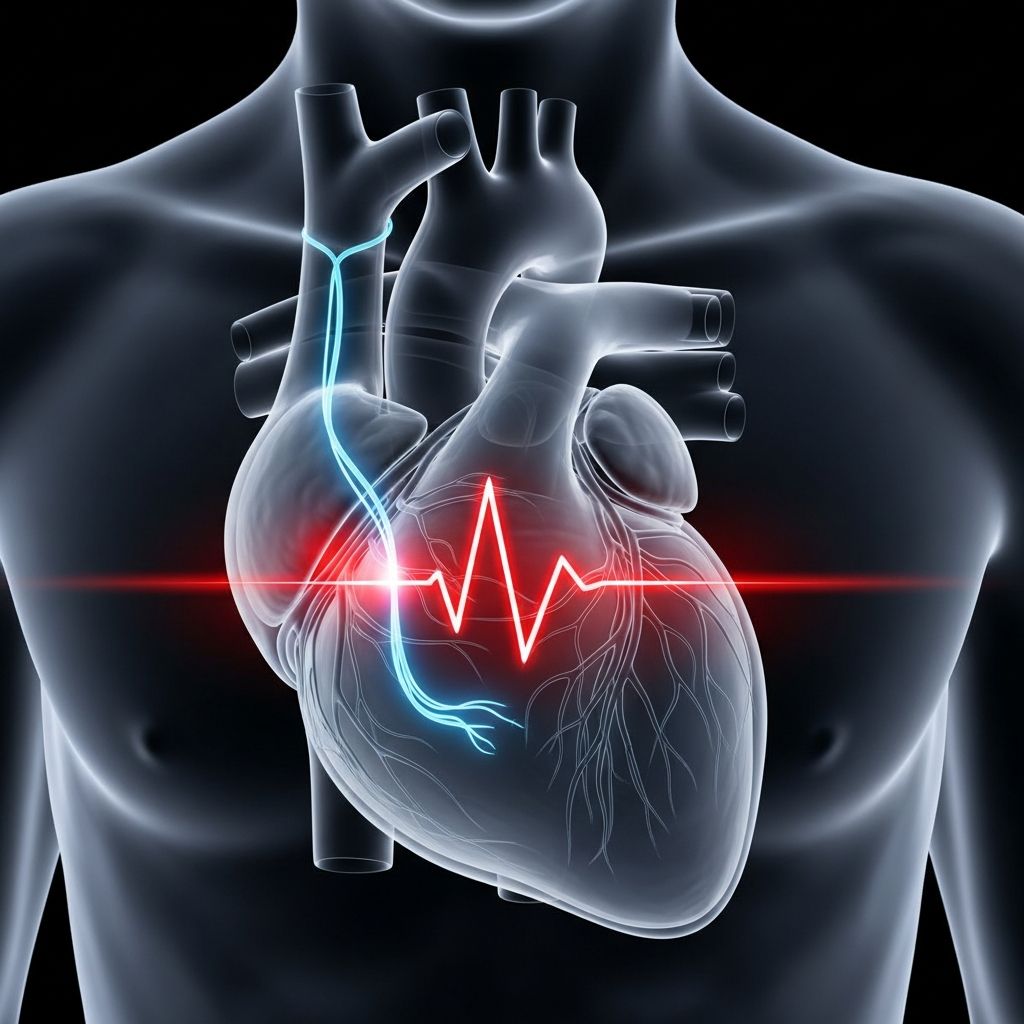
Ectopic heartbeats are extra heartbeats that occur when your heart’s electrical system misfires. These premature contractions cause your heart to beat out of its normal rhythm, creating a sensation often described as a skipped beat, flutter, or strong thump in your chest. Despite how they feel, your heart isn’t actually skipping beats—it’s beating more than usual. The broad term for this condition is called ectopic heartbeats, which encompasses two primary types: premature ventricular contractions (PVCs) and premature atrial contractions (PACs).
These irregular rhythms occur when an electrical impulse arises from atrial, junctional, or ventricular tissue, causing the heart to beat prematurely. While ectopic heartbeats may feel alarming, they are extremely common and most people experience them occasionally without any serious health consequences. Understanding what they are, why they happen, and when they require medical attention can help ease concerns and ensure proper care.
Types of Ectopic Heartbeats
There are several classifications of ectopic heartbeats based on where they originate in the heart:
Premature Atrial Contractions (PACs)
PACs originate in the upper chambers of the heart (atria). They are much more frequent than junctional premature beats but less common than ventricular premature beats. PACs often occur in response to triggers like caffeine, stress, or certain medications, and they are generally considered benign in patients without underlying heart disease.
Premature Ventricular Contractions (PVCs)
PVCs originate in the lower chambers of the heart (ventricles) and are the most common type of ectopic heartbeat. While they can be concerning in certain contexts, idiopathic PVCs (those with no structural heart disease) have a benign prognosis. PVCs may be unifocal (all originating from the same location) or multifocal (originating from multiple sites), which can be determined through extended cardiac monitoring.
Junctional Premature Beats
These less common ectopic beats originate in the atrioventricular junction, the electrical pathway between the upper and lower chambers of the heart.
Common Causes and Triggers
Ectopic heartbeats can be triggered by various factors, ranging from lifestyle habits to underlying medical conditions:
Lifestyle and Environmental Triggers
Stress and anxiety are among the most common causes of ectopic heartbeats. Additionally, caffeine consumption, excessive alcohol use, inadequate sleep, and strenuous exercise can trigger extra beats. These triggers typically cause benign palpitations that resolve once the stimulus is removed or reduced.
Medical Conditions
Underlying heart disease, high blood pressure, thyroid disorders, and electrolyte imbalances can contribute to ectopic heartbeats. In patients with structural heart disease, PVCs and PACs may indicate a more serious underlying condition requiring closer monitoring and potential intervention.
Medications and Substances
Certain medications, particularly stimulants and some decongestants, can trigger ectopic beats. Illegal drugs and excessive caffeine or nicotine use may also provoke these irregular rhythms.
Related Stories



Symptoms and How They Feel
The sensation of ectopic heartbeats varies among individuals. Most people describe the feeling as:
A fluttering, flip-flopping sensation in the chest, a feeling that the heart has skipped a beat, a pounding or racing sensation, occasional strong or forceful beats, or a brief pause followed by a harder-than-normal beat. In many cases, people experience no symptoms at all and only discover they have ectopic heartbeats during routine medical testing. When symptoms do occur, they are usually not accompanied by pain, though the sensation may feel strange or unsettling.
Diagnostic Testing and Evaluation
Diagnosing ectopic heartbeats involves several medical tests that help determine the type, frequency, and potential underlying causes:
Electrocardiogram (ECG or EKG)
The ECG is a fundamental diagnostic tool that records the electrical activity of your heart. A 12-lead ECG provides comprehensive information about your heart’s rhythm and can identify evidence of underlying structural heart disease. However, since ectopic beats may not occur during the brief recording period, a normal ECG doesn’t necessarily rule out ectopic heartbeats. Extended ECG monitoring with a long rhythm strip can be more helpful in capturing these irregular beats.
Holter Monitor
If symptoms occur several times per day, a 24- or 48-hour Holter monitor may be prescribed. This portable device continuously records your heart’s electrical activity over an extended period, making it more likely to capture ectopic beats when they occur. The Holter monitor also helps determine whether PVCs are unifocal or multifocal and can identify nonsustained or sustained ventricular tachycardia.
Echocardiogram
An echocardiogram is an ultrasound of the heart that allows physicians to visualize the heart’s structure and function. This test is particularly important if you have a high PVC burden (more than 10% of total heartbeats) or if nonsustained ventricular tachycardia has been documented. It helps determine whether structural heart disease is present and whether the heart’s pumping function has been affected.
Exercise Stress Test
During a stress test, your heart’s behavior under exertion is monitored while you exercise on a treadmill or stationary bike. This test helps physicians understand how your heart responds to increased demand and whether ectopic beats worsen or improve with exercise.
Extended Cardiac Monitoring
For patients with less frequent symptoms, extended monitoring systems or consumer-grade wearable cardiac monitors may be recommended. These devices can help capture irregular heartbeats that occur between medical visits.
When Should You Be Concerned?
While most ectopic heartbeats are harmless, certain circumstances warrant medical attention:
Ectopic beats become concerning when accompanied by other cardiac symptoms such as chest pain, shortness of breath, dizziness, or fainting. You should seek immediate medical help if you experience severe chest pain, significant shortness of breath, loss of consciousness, or palpitations lasting more than a few minutes. Additionally, if you have a high PVC burden affecting your heart’s pumping function or if you have underlying heart disease, closer monitoring and potential treatment may be necessary.
Treatment Options
Reassurance and Lifestyle Modification
In most cases, ectopic heartbeats do not require treatment beyond reassurance and lifestyle modifications. If you have been diagnosed with benign ectopic heartbeats and your heart structure is normal, reducing stress, limiting caffeine and alcohol intake, getting adequate sleep, and maintaining regular exercise can help minimize symptoms.
Medical Treatment
Treatment of ectopic heartbeats is indicated primarily for symptom relief when reassurance alone is insufficient or when the beats significantly impact heart function. Cardiologists typically do not treat the condition unless patients are very symptomatic or have so many extra beats that it’s affecting the heart’s pumping ability—generally defined as more than 10% of total heartbeats. Medications may be prescribed to reduce symptoms or manage underlying conditions contributing to the arrhythmias.
Catheter Ablation
For patients with frequent, bothersome ectopic beats that don’t respond to medication or lifestyle changes, catheter ablation may be considered. This minimally invasive procedure involves inserting a catheter into blood vessels and using energy to eliminate the source of the abnormal electrical impulses.
Prognosis and Long-Term Outlook
The outlook for patients with ectopic heartbeats is generally excellent, particularly for those without underlying structural heart disease. Idiopathic PVCs have a benign prognosis, and most people with ectopic heartbeats experience no long-term complications. However, in rare cases, frequent ectopic beats can contribute to weakening of the heart muscle (arrhythmia-induced cardiomyopathy), particularly if the PVC burden remains high over extended periods. This is why periodic monitoring with echocardiograms may be recommended for patients with high PVC burdens.
Frequently Asked Questions
Q: Are ectopic heartbeats dangerous?
A: In most cases, ectopic heartbeats are not dangerous, especially in people without underlying heart disease. However, if accompanied by other cardiac symptoms or if they significantly affect heart function, medical evaluation is important.
Q: Can stress cause ectopic heartbeats?
A: Yes, stress is a common trigger for ectopic heartbeats. Managing stress through relaxation techniques, exercise, and adequate sleep can help reduce their frequency.
Q: Should I avoid caffeine if I have ectopic heartbeats?
A: Caffeine can trigger ectopic beats in some people. If you notice a connection between caffeine consumption and symptoms, reducing or eliminating caffeine intake may help.
Q: Will ectopic heartbeats go away on their own?
A: Many ectopic heartbeats resolve once their trigger is removed or reduced. If they persist and cause symptoms, medical treatment options are available.
Q: How often should I be monitored if I have ectopic heartbeats?
A: Monitoring frequency depends on your specific situation. Patients with benign ectopic beats may require minimal follow-up, while those with high PVC burdens or underlying heart disease may need periodic echocardiograms and extended cardiac monitoring.
Q: Can ectopic heartbeats cause heart damage?
A: In rare cases, very frequent ectopic beats can weaken the heart muscle over time. This is why monitoring PVC burden and heart function is important for patients with high frequencies.
Living with Ectopic Heartbeats
For most people with ectopic heartbeats, especially those without underlying heart disease, the condition is manageable and requires minimal intervention. Understanding your specific situation through appropriate medical testing provides reassurance and helps guide lifestyle modifications. If you experience symptoms, keeping a diary of when they occur, what you were doing, and any potential triggers can provide valuable information for your healthcare provider. Regular follow-up appointments and ongoing communication with your cardiologist ensure that your condition remains stable and that any changes are promptly addressed.
References
- Ectopic Beats: Insights from Timing and Morphology — PubMed/National Center for Biotechnology Information. 2018. https://pubmed.ncbi.nlm.nih.gov/29784483/
- Extra Heartbeats: Should You Be Worried? — Cleveland Clinic. 2024. https://health.clevelandclinic.org/is-having-extra-heartbeats-a-dangerous-condition
- Premature Ventricular Contractions: Reassure or Refer? — Cleveland Clinic Journal of Medicine. 2016. https://www.ccjm.org/content/83/7/524
- Heart Palpitations: Symptoms, Causes & Treatment — Cleveland Clinic. 2024. https://my.clevelandclinic.org/health/diseases/17084-heart-palpitations
- Heart Palpitations Causes – Guide — The Keyhole Heart Clinic. 2024. https://www.thekeyholeheartclinic.com/blog/heart-palpitations-causes-diagnosis-monitoring-irregular-heartbeats/
- Arrhythmias: Irregular Heartbeats — Cleveland Clinic Abu Dhabi. 2024. https://www.clevelandclinicabudhabi.ae/en/health-byte/heart-and-vascular-health/irregular-heartbeats-you-should-know-about
- Consumer-grade Wearable Cardiac Monitors: What They Do Well, and What They Don’t — Cleveland Clinic Journal of Medicine. 2023. https://www.ccjm.org/content/91/1/23
Similar Articles








Read full bio of Sneha Tete