Ectopic Pregnancy: Causes, Symptoms & Treatments
Understanding ectopic pregnancy: risks, diagnosis, and treatment options for maternal safety.
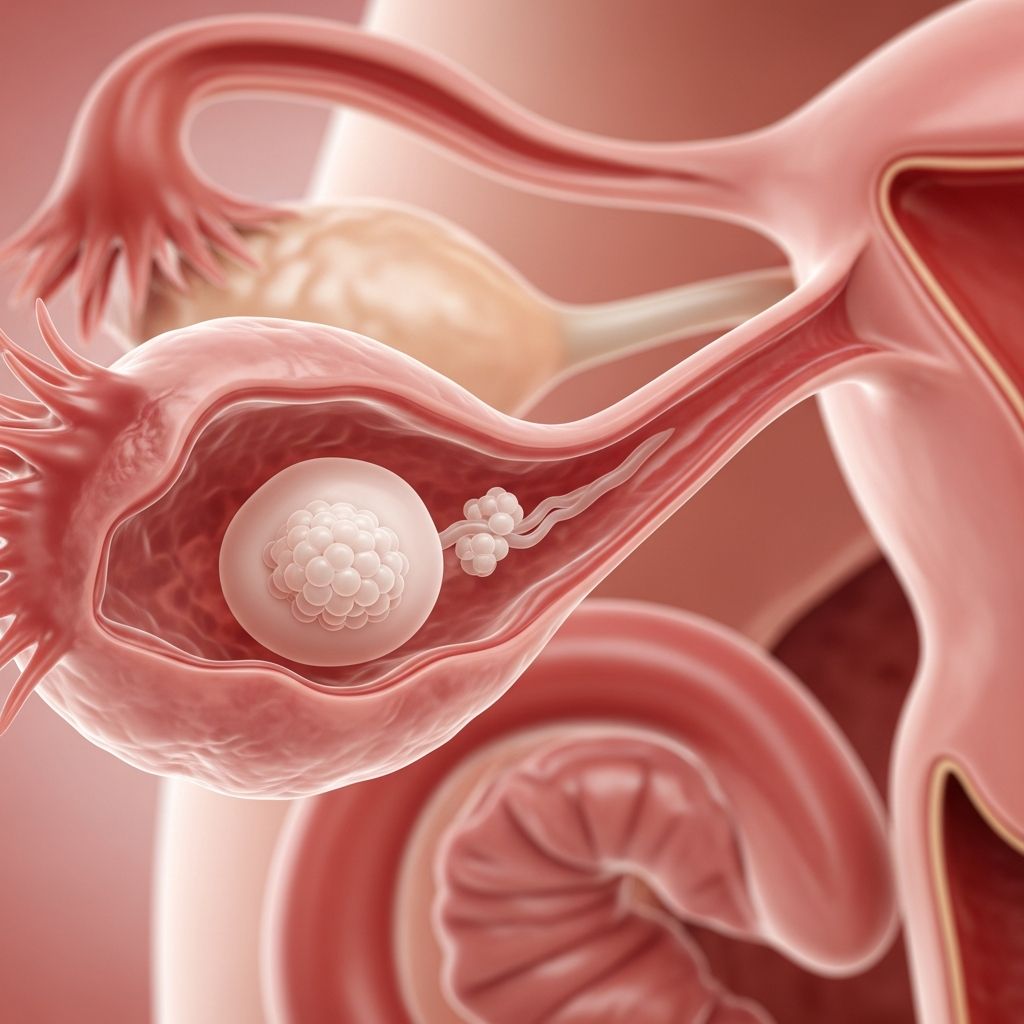
An ectopic pregnancy is a pregnancy that develops outside the main cavity of the uterus, typically in the fallopian tube. This is a serious medical emergency that requires immediate attention and treatment. Unlike a normal pregnancy where a fertilized egg implants in the uterine lining and develops into a fetus, an ectopic pregnancy occurs when the fertilized egg implants in a location that cannot support its growth. Understanding what an ectopic pregnancy is, recognizing its symptoms, and knowing your treatment options is crucial for protecting your health and well-being.
What Is an Ectopic Pregnancy?
An ectopic pregnancy happens when a fertilized egg implants and grows outside the main cavity of the uterus. Your uterus is specifically designed to hold and nurture a growing fetus. It can stretch and expand as the pregnancy progresses to accommodate the developing baby. However, your fallopian tubes—the structures through which the egg travels from the ovary to the uterus—are not designed for pregnancy. They lack the flexibility and capacity that the uterus provides.
When a fertilized egg begins to develop in a fallopian tube, the tube cannot stretch enough to accommodate the growing embryo. This creates a dangerous situation. As the embryo grows, the pressure inside the tube increases, and the tube can eventually burst or rupture. If rupture occurs, it causes severe, life-threatening internal bleeding that requires emergency medical intervention. An ectopic pregnancy cannot continue to viability and must be treated immediately to prevent serious complications, including maternal death, which makes ectopic pregnancy the leading cause of maternal death in the first trimester.
Where Can an Ectopic Pregnancy Occur?
While most ectopic pregnancies occur in the fallopian tubes, they can occasionally implant in other locations outside the uterus:
- Fallopian tubes (most common location)
- Uterine cornua (the corners of the uterus)
- Cervix
- Ovary
- Abdominal cavity
- Pelvic cavity
Regardless of where the ectopic pregnancy implants, it cannot develop normally and poses a serious health risk to the pregnant person.
Causes and Risk Factors
Several factors can increase your risk of developing an ectopic pregnancy. Understanding these risk factors can help you discuss your pregnancy history with your healthcare provider and ensure appropriate monitoring during early pregnancy. Risk factors include previous ectopic pregnancy, pelvic inflammatory disease, endometriosis, intrauterine device (IUD) use, and structural abnormalities of the fallopian tubes. Additionally, maternal age, smoking, and certain sexually transmitted infections can increase ectopic pregnancy risk.
Symptoms of Ectopic Pregnancy
Early symptoms of an ectopic pregnancy may initially seem similar to a normal pregnancy, including missed periods and positive pregnancy tests. However, as the ectopic pregnancy progresses, distinctive symptoms develop that signal a medical emergency. Recognizing these symptoms and seeking immediate medical attention is critical to prevent life-threatening complications.
Common Symptoms Include:
- Pelvic pain or abdominal pain that may be sharp or cramp-like
- Vaginal bleeding, which may be lighter or heavier than a normal period
- Shoulder pain, particularly when lying down
- Dizziness or lightheadedness
- Rectal pain or pressure
- Weakness or fatigue
One symptom that is particularly common in ectopic pregnancy is bleeding. This can range from spotting to light bleeding. The bleeding pattern may differ from your normal menstrual cycle, which can be an important warning sign to discuss with your healthcare provider.
Related Stories



Emergency Symptoms Requiring Immediate Care:
If you experience any of the following symptoms, seek emergency medical care immediately, as these may indicate a ruptured ectopic pregnancy:
- Severe abdominal or pelvic pain
- Sharp waves of pain in the abdomen, pelvis, shoulder, or neck
- Heavy vaginal bleeding
- Signs of hemorrhagic shock, including severe dizziness, fainting, or shock
- Sudden weakness or collapse
Diagnosis of Ectopic Pregnancy
Early diagnosis is critical to prevent complications like a ruptured fallopian tube. Healthcare providers typically diagnose ectopic pregnancies in the first trimester, with most women discovering they have an ectopic pregnancy around eight weeks of pregnancy. However, some ectopic pregnancies may be detected earlier through routine testing.
Diagnostic Methods:
Blood Tests: Diagnosing an ectopic pregnancy starts with confirming pregnancy through a blood test to measure human chorionic gonadotropin (hCG) levels. Your doctor may perform multiple blood tests over several days to track hCG levels, as these levels increase at a different rate in ectopic pregnancies compared to normal pregnancies.
Transvaginal Ultrasound: Your doctor may use a transvaginal ultrasound to pinpoint the pregnancy’s location. This imaging technique involves inserting a small probe into the vagina to get a detailed view of the reproductive organs. This is one of the most accurate methods for determining whether a pregnancy is developing normally within the uterus or outside of it.
Abdominal Ultrasound: An abdominal ultrasound may be performed to check for internal bleeding and confirm the diagnosis. This imaging technique can help identify any fluid accumulation in the pelvis or abdomen that might indicate bleeding from a ruptured ectopic pregnancy.
Culdocentesis: In rare cases, your provider may perform culdocentesis, a procedure where a thin needle is inserted into the space between the uterus and rectum to check for internal bleeding. However, this procedure is rarely used in modern practice due to the effectiveness of ultrasound imaging.
Once your provider has confirmed an ectopic pregnancy and determined where the fertilized egg has implanted, they will discuss a treatment plan with you. Ectopic pregnancy is an emergency condition, and treatment is very important to protect your health and prevent life-threatening complications.
Treatment Options for Ectopic Pregnancy
Healthcare providers treat ectopic pregnancies with medication or surgery, depending on several factors including how early the pregnancy was detected, the location of the implantation, whether the fallopian tube has ruptured, and your overall health status. Your healthcare provider will work with you to determine the most appropriate treatment approach for your specific situation.
Medical Treatment with Methotrexate:
If detected early with no unstable bleeding, a drug like methotrexate may be prescribed to stop fetal growth and end the pregnancy. Methotrexate is a medication that stops rapidly dividing cells, which makes it effective at halting embryonic development in ectopic pregnancies. This medication is typically used for candidates who have no signs of a ruptured ectopic pregnancy.
If you receive methotrexate treatment, your healthcare provider will schedule follow-up visits to monitor your hCG levels and confirm the pregnancy has ended. You cannot use this medication if your fallopian tube has already ruptured, as surgery becomes necessary in emergency situations.
The advantage of medical treatment is that it avoids surgery and may help preserve your fallopian tube for future pregnancies. However, not all ectopic pregnancies are candidates for this approach, and your healthcare provider will determine whether you meet the criteria for medical management.
Surgical Treatment:
Your provider will want to remove the ectopic pregnancy with surgery if your fallopian tube has ruptured or if you are at risk of rupture. Surgical management is also performed when criteria are not met for methotrexate treatment. This is an emergency surgery and a life-saving treatment that requires immediate action.
The procedure is typically done laparoscopically through several small incisions in your abdomen while you are asleep under anesthesia. Laparoscopic surgery allows your surgeon to visualize the area and remove the ectopic pregnancy with minimal tissue damage and faster recovery time compared to open surgery.
Types of Surgical Procedures:
Salpingostomy: If the fallopian tube has not ruptured, a salpingostomy may be performed. This procedure removes only the ectopic pregnancy and preserves the fallopian tube. By conserving the tube, this approach maintains your reproductive potential for future pregnancies.
Salpingectomy: If a rupture has occurred, a salpingectomy will be performed to remove both the ectopic pregnancy and the ruptured fallopian tube. This procedure becomes necessary when the tube is too damaged to repair. Your healthcare provider may also recommend salpingectomy if you have had previous ectopic pregnancies or other complications affecting the same tube.
For hemodynamically unstable patients (those showing signs of severe bleeding or shock), immediate laparotomy through a larger abdominal incision may be required to treat hemorrhagic shock and control bleeding. In rare cases, especially in emergency situations, a larger abdominal incision (open or laparotomy-type surgery) may be necessary to properly manage complications.
Post-Treatment Considerations:
If you are Rh-negative, your healthcare provider may administer Rho(D) immune globulin following treatment to prevent complications in future pregnancies.
Recovery and Follow-Up Care
After treatment for an ectopic pregnancy, you will need ongoing follow-up care to ensure your recovery is progressing well. If you received methotrexate, your healthcare provider will monitor your hCG levels through repeated blood tests until they return to zero, confirming the pregnancy has completely resolved.
If you had surgical treatment, you will receive post-operative instructions regarding activity restrictions, wound care, and when to resume normal activities. Most people can return to light activities within a few weeks, though full recovery may take several weeks to months depending on the type of surgery performed.
It is important to attend all follow-up appointments and contact your healthcare provider if you experience any concerning symptoms during your recovery period, such as increased pain, heavy bleeding, or signs of infection.
Impact on Future Pregnancies
Having an ectopic pregnancy does not necessarily mean you cannot have normal pregnancies in the future. However, your risk of experiencing another ectopic pregnancy is increased. If your fallopian tube was preserved during treatment, you may still be able to conceive naturally. If the affected tube was removed, you still have one remaining tube through which pregnancy can occur.
Before attempting to conceive again, discuss your ectopic pregnancy history with your healthcare provider. They may recommend additional monitoring during early pregnancy to confirm that the next pregnancy develops normally within the uterus.
Frequently Asked Questions About Ectopic Pregnancy
Q: Can an ectopic pregnancy be carried to term?
A: No. An ectopic pregnancy cannot continue to viability and should not be carried to term because of the high risk for maternal health complications and death. An ectopic pregnancy must be treated to prevent life-threatening rupture and internal bleeding.
Q: How early can an ectopic pregnancy be detected?
A: Healthcare providers typically diagnose ectopic pregnancies in the first trimester, up to 12 weeks of pregnancy, with most diagnoses occurring around 8 weeks.
Q: Is ectopic pregnancy treatment covered by insurance?
A: Most insurance plans cover diagnosis and treatment of ectopic pregnancy as it is a recognized medical emergency. Contact your insurance provider to understand your specific coverage.
Q: Will I be able to have normal pregnancies after an ectopic pregnancy?
A: Yes, many women do have normal pregnancies after experiencing an ectopic pregnancy, though your risk of recurrence is increased. Discuss your options and monitoring needs with your healthcare provider.
Q: What should I do if I think I have an ectopic pregnancy?
A: Seek immediate medical attention if you experience symptoms such as pelvic pain, vaginal bleeding, shoulder pain, or dizziness during early pregnancy. Contact your healthcare provider or go to the emergency room immediately if you suspect an ectopic pregnancy.
Q: Are there any warning signs I should watch for during early pregnancy?
A: Contact your healthcare provider if you experience pelvic pain, unusual vaginal bleeding, shoulder pain (especially when lying down), or dizziness during early pregnancy. These could indicate an ectopic pregnancy requiring immediate evaluation.
References
- Ectopic Pregnancy: Symptoms, Diagnosis, and Treatment Options — Caldwell Pregnancy Care Center. 2025-05-05. https://caldwellpregnancy.com/2025/05/05/ectopic-pregnancy-symptoms-diagnosis-and-treatment-options/
- Ectopic Pregnancy: Causes, Symptoms & Treatments — Cleveland Clinic. 2024. https://my.clevelandclinic.org/health/diseases/9687-ectopic-pregnancy
- The First 8 Weeks, The New OB Visit and Early Pregnancy Complications — Cleveland Clinic Podcasts. 2024. https://my.clevelandclinic.org/podcasts/ob-gyn-time/the-first-8-weeks-the-new-ob-visit-and-early-pregnancy-complications
- Ectopic Pregnancy – Gynecology and Obstetrics — Merck Manuals Professional Edition. 2024. https://www.merckmanuals.com/professional/gynecology-and-obstetrics/early-pregnancy-disorders/ectopic-pregnancy
- Ectopic Pregnancy: Symptoms, Causes, and Treatments — Healthline. 2024. https://www.healthline.com/health/pregnancy/ectopic-pregnancy
- Ectopic pregnancy – Symptoms & causes — Mayo Clinic. 2024. https://www.mayoclinic.org/diseases-conditions/ectopic-pregnancy/symptoms-causes/syc-20372088
Similar Articles








Read full bio of Sneha Tete