Ectopic Pregnancy: 5 Warning Signs And What To Do
Understand ectopic pregnancy: causes, symptoms, diagnosis, urgent treatments, and vital prevention strategies for reproductive health safety.
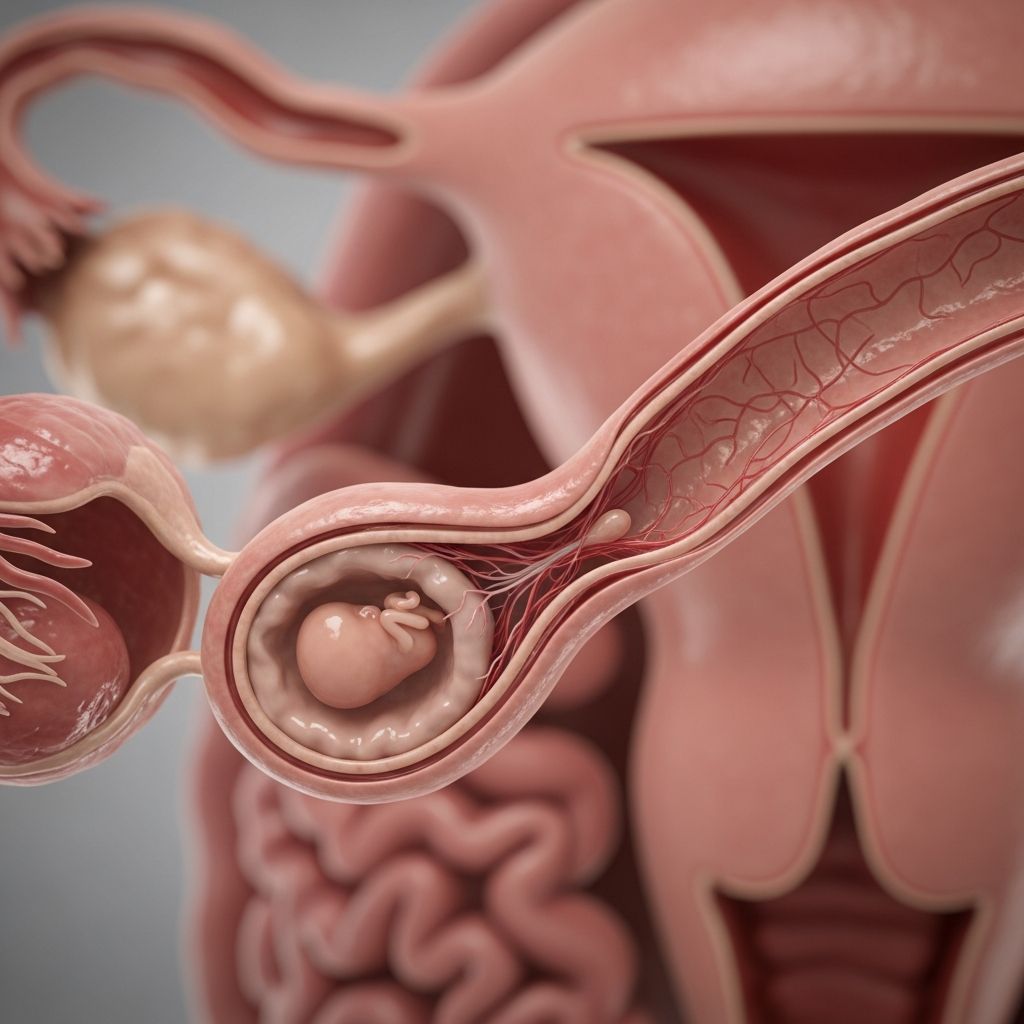
An ectopic pregnancy happens when a fertilized egg implants and grows outside the uterus, most often in a fallopian tube. This condition affects about 1-2% of pregnancies and poses significant health risks, including potential rupture leading to severe internal bleeding.
Understanding the Anatomy and Process
The female reproductive system includes ovaries that release eggs, fallopian tubes that transport them to the uterus, and the uterus where implantation normally occurs. In an ectopic pregnancy, the fertilized egg fails to reach the uterus and attaches elsewhere, unable to support fetal development. Over 90% occur in fallopian tubes, with rarer sites like the ovary, abdomen, cervix, or cesarean scar.
Without proper transport via tubal muscle contractions and cilia, the embryo lodges prematurely. This can stretch and weaken the tissue, risking rupture around 6-10 weeks. Early detection is crucial as it accounts for 2.7% of pregnancy-related deaths in the US.
Key Risk Contributors
Several factors impair fallopian tube function or embryo transport, elevating ectopic risk. These include structural damage, inflammation, or hormonal influences.
- Prior ectopic pregnancy: Recurrence risk is 10% after one, over 25% after two.
- Tubal or pelvic surgery: Scarring from sterilization, repairs, or abdominal procedures blocks passage.
- Infections: Pelvic inflammatory disease (PID) from STIs like chlamydia or gonorrhea causes scarring.
- Endometriosis: Tissue growth distorts reproductive organs.
- Lifestyle factors: Smoking damages cilia; multiple partners increase STI exposure.
- Other elements: Infertility treatments, IUD use during conception, advanced age (over 35), or prior abortions.
Not all cases have identifiable risks; any reproductive-age woman can be affected.
Recognizing Warning Signs
Symptoms often mimic normal early pregnancy but intensify uniquely. They typically appear by 5-9 weeks.
| Symptom | Description | Urgency Level |
|---|---|---|
| Abdominal pain | Sharp, one-sided lower pain, worsening with movement | High |
| Vaginal bleeding | Light spotting to heavy, irregular, with clots | High |
| Shoulder pain | Referred pain from internal bleeding irritating diaphragm | Emergency |
| Dizziness/fainting | Due to blood loss, with rapid pulse | Emergency |
| Gastrointestinal upset | Nausea, vomiting, diarrhea (early or rupture signs) | Moderate |
Rupture symptoms include sudden severe pain, shock, and collapse—seek immediate care. Positive pregnancy test with no intrauterine sac on ultrasound raises suspicion.
Diagnostic Approaches
Diagnosis combines history, exams, and tests for swift confirmation.
- Blood tests: Serial hCG levels; ectopic rises slower than normal (less than 53% in 48 hours). Progesterone below 5 ng/mL suggests ectopic.
- Ultrasound: Transvaginal detects no uterine sac, free fluid, or extrauterine sac.
- Culdocentesis: Rarely, checks for blood in pelvic cavity.
Expectant management monitors stable cases; unstable ones need urgent intervention.
Treatment Options Overview
Treatment halts growth and preserves life/fertility. Choice depends on location, hCG levels, symptoms, and hemodynamics.
Medical Management
Methotrexate injection stops cell growth for unruptured, small ectopics (<3.5 cm, hCG <5000 mIU/mL, no fetal heart). Side effects: abdominal cramps, nausea; follow-up hCG drops 15% weekly. Effective in 90% stable cases.
Surgical Interventions
Related Stories



- Laparoscopy: Preferred; salpingostomy removes embryo, preserves tube (15% recurrence risk); salpingectomy excises tube for damage/rupture.
- Laparotomy: Open surgery for instability/massive bleeding.
Emergency for rupture; transfusion may be needed.
Expectant Approach
Watchful waiting for declining hCG and asymptomatic cases; rare, requires close monitoring.
Post-Treatment Recovery Process
Recovery varies: medical takes weeks with hCG resolution; surgical discharge in 1-2 days.
- Rest, avoid heavy lifting 1-2 weeks.
- Pain meds, monitor bleeding/infection.
- hCG tests until negative.
- Counseling for emotional impact—grief common.
Resume sex/contraception after 4-6 weeks; fertility often preserved unless both tubes affected.
Fertility and Future Pregnancies
65-80% conceive post-treatment; 10-20% ectopic recurrence. IVF viable if tubes damaged. Preconception: treat infections, quit smoking, space pregnancies.
Prevention Strategies
Minimize risks proactively.
- Safe sex to prevent STIs/PID.
- Prompt STI treatment.
- Smoking cessation.
- Early prenatal care with hCG/ultrasound.
Frequently Asked Questions (FAQs)
Can an ectopic pregnancy be moved to the uterus?
No, it cannot be relocated; treatment focuses on removal to prevent complications.
How soon after treatment can I try to conceive again?
Wait 3 months post-methotrexate for cleared meds; emotionally ready first.
Is ectopic pregnancy painful from the start?
Not always; pain develops as it grows, signaling urgency.
Does IUD use always cause ectopic?
Rare; if pregnancy occurs on IUD, 50% ectopic risk.
What if I have shoulder tip pain with bleeding?
Possible rupture—call emergency services immediately.
Armed with this knowledge, women can advocate for timely care. Consult healthcare providers for personalized advice.
References
- Ectopic Pregnancy – Symptoms, Causes, Diagnosis and Treatment — Medpark Hospital. 2023. https://www.medparkhospital.com/en-US/disease-and-treatment/ectopic-pregnancy
- Ectopic Pregnancy: Causes & Symptoms — Tampa General Hospital. 2024. https://www.tgh.org/institutes-and-services/conditions/ectopic-pregnancies
- Ectopic Pregnancy — American College of Obstetricians and Gynecologists (ACOG). 2023-10-01. https://www.acog.org/womens-health/faqs/ectopic-pregnancy
- Ectopic Pregnancy – StatPearls — NCBI Bookshelf. 2023-07-17. https://www.ncbi.nlm.nih.gov/books/NBK539860/
- Ectopic Pregnancy — MedlinePlus (U.S. National Library of Medicine). 2024. https://medlineplus.gov/ectopicpregnancy.html
- Ectopic Pregnancy: Causes, Symptoms & Treatments — Cleveland Clinic. 2024-01-22. https://my.clevelandclinic.org/health/diseases/9687-ectopic-pregnancy
Similar Articles








Read full bio of Sneha Tete