Ectropion: 5 Types, Symptoms, And Treatment Options
Discover the causes, symptoms, and effective treatments for ectropion, the condition where eyelids turn outward and expose the eye to irritation and dryness.
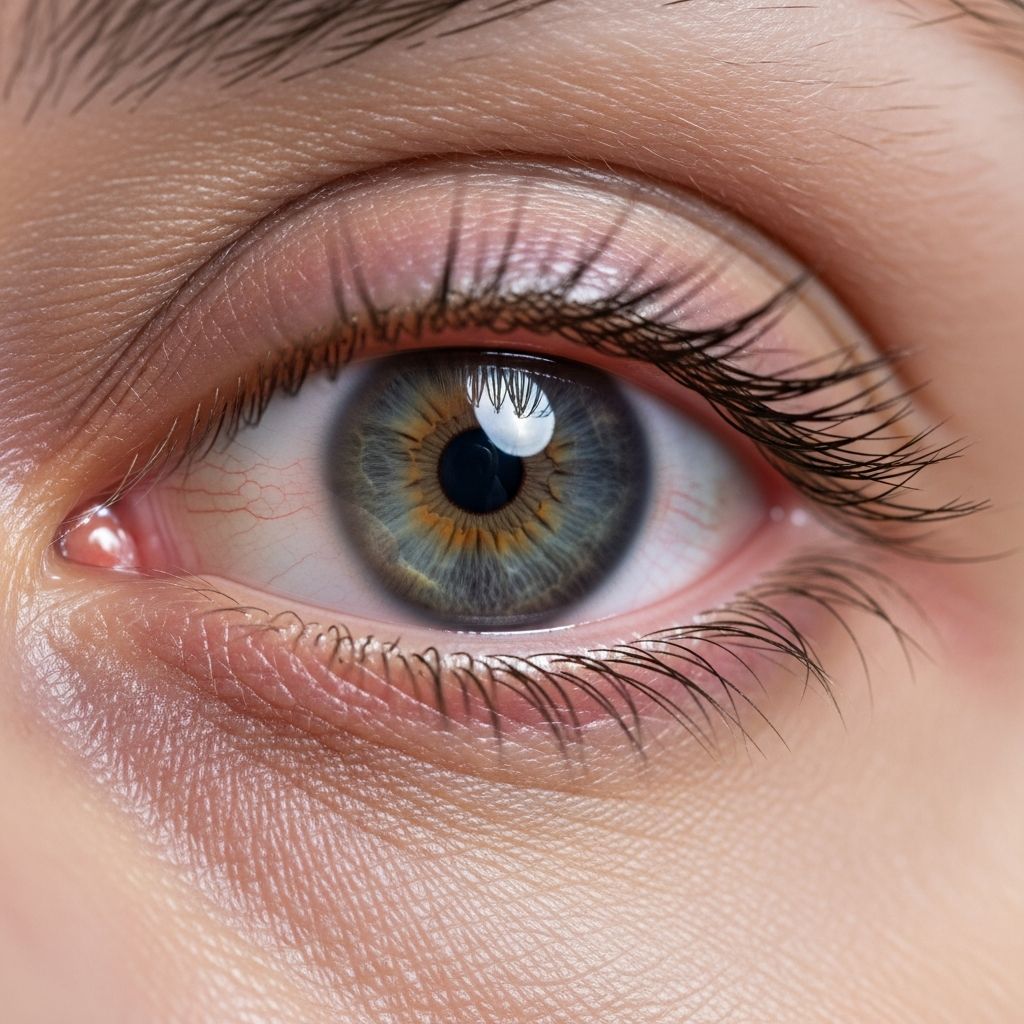
Ectropion occurs when the eyelid, typically the lower one, turns outward away from the eye, exposing the inner surface and leading to discomfort and potential complications. This condition disrupts normal tear distribution, causing dryness despite excessive tearing as the eye attempts to self-lubricate.
Understanding the Mechanics of Ectropion
The eyelid’s role is to shield the eye, spread tears evenly, and facilitate drainage through tiny puncta near the inner corners. In ectropion, structural weaknesses or external forces pull the lid away, leaving the cornea and conjunctiva vulnerable to air exposure. This exposure evaporates the tear film rapidly, triggering reflexive overproduction of tears that cannot drain properly, resulting in overflow onto the cheeks.
While it predominantly affects the lower lid, upper lid involvement is possible in rare cases. Severity varies from mild sagging noticeable only on close inspection to pronounced eversion where the entire lid margin flips outward.
Primary Types of Ectropion
Ectropion manifests in distinct forms based on underlying mechanisms. Recognizing the type guides appropriate intervention.
- Involutional (Age-Related): The most prevalent form, stemming from natural tissue loosening with age. Supporting ligaments and muscles weaken, failing to hold the lid snug against the globe.
- Paralytic: Results from facial nerve dysfunction, impairing orbicularis oculi muscle tone essential for lid closure and positioning. Common after Bell’s palsy, stroke, or trauma.
- Cicatricial (Scarring): Arises from scar contraction shortening eyelid lamellae, often post-surgery, burns, or conditions like trachoma in endemic areas.
- Mechanical: Caused by eyelid weights like tumors, cysts, or severe swelling pulling the lid downward.
- Congenital: Rare, present at birth, linked to genetic syndromes such as Down syndrome where lid support is inherently lax.
Recognizing Key Symptoms
Symptoms arise from ocular surface exposure and impaired lubrication. Common indicators include:
- Dryness, grittiness, or foreign body sensation due to inadequate tear film.
- Excessive tearing (epiphora) from poor drainage.
- Redness, irritation, or soreness in the eye and lid margins.
- Chronic conjunctivitis or infections from constant exposure.
- Difficulty fully closing the eye, worsening at night.
- Light sensitivity (photophobia), blurred vision, or pain in advanced cases.
A hallmark sign is the lid’s outward turn, visible as sagging or eversion, often more evident when pulling the lid away (snap-back test delays return). On darker skin tones, redness might be subtler, but irritation persists.
Risk Factors and Who It Affects
Though anyone can develop ectropion, certain factors elevate risk:
| Risk Factor | Description |
|---|---|
| Advanced Age | Over 60, due to collagen loss and ligament laxity. |
| Prior Eye Surgery | Especially eyelid procedures risking scarring. |
| Facial Nerve Issues | Strokes, Bell’s palsy, or tumors affecting innervation. |
| Genetic Conditions | Down syndrome or craniofacial anomalies. |
| Trauma or Burns | Leading to cicatricial changes. |
| Chronic Eye Rubbing | Exacerbates mechanical stress. |
It often impacts one eye but can be bilateral, progressing gradually in involutional cases.
Diagnostic Approaches
Diagnosis begins with a comprehensive eye exam. Clinicians assess lid position, perform the snap-back test by everting the lid and timing its return—prolonged snap indicates laxity. Slit-lamp evaluation checks corneal integrity for keratitis or ulcers. History probes for trauma, surgeries, or neurological symptoms. Imaging like CT scans may identify mechanical causes such as tumors.
Related Stories



Non-Surgical Management Strategies
Mild cases respond to conservative measures:
- Lubricants: Artificial tears during the day; ointments at night to combat dryness.
- Taping: Gentle lid taping upward overnight for temporary repositioning.
- Anti-Inflammatories: Steroid drops or ointments for acute irritation.
- Massage and Stretching: Daily exercises to strengthen tissues in early involutional ectropion.
These provide symptomatic relief but do not correct anatomical defects; surgery is often needed for lasting resolution.
Surgical Correction Techniques
Surgery realigns the lid with high success rates. Options include:
- Lateral Tarsal Strip: For involutional ectropion; tightens lateral canthal tendon by shortening and reattaching.
- Medial Spindle Procedure: Addresses medial laxity by excising conjunctiva and tarsus.
- Full-Thickness Grafts: For cicatricial cases, using hard palate or skin to lengthen the lid.
- Canthoplasty: Reinforces canthal tendons.
- Botulinum Toxin: Temporary for paralytic types to relax antagonists.
Procedures are outpatient, with local anesthesia, recovery in weeks. Prognosis excels, preventing complications like corneal ulcers.
Potential Complications if Untreated
Prolonged exposure risks:
- Corneal abrasions or ulcers from desiccation.
- Bacterial/viral infections.
- Vision impairment from scarring.
- Chronic pain or cosmetic concerns.
Everyday Prevention and Lifestyle Tips
Minimize risks by protecting eyes from trauma, managing allergies to avoid rubbing, staying hydrated, and scheduling regular ophthalmology check-ups post-50. Prompt treatment of facial nerve issues aids prevention.
Frequently Asked Questions (FAQs)
What triggers sudden ectropion?
Acute onset often ties to nerve palsy, swelling, or injury; gradual from aging.
Can ectropion resolve without surgery?
Mild cases may improve with drops and massage, but structural issues require intervention.
Is ectropion painful?
Typically causes irritation over sharp pain, but complications can intensify discomfort.
How long is surgical recovery?
Most resume normal activities in 1-2 weeks; full healing in months.
Does it affect vision permanently?
Treated promptly, no; untreated ulcers risk scarring and loss.
Ectropion, while disruptive, is highly treatable. Early detection via routine exams ensures optimal outcomes, safeguarding ocular health.
References
- Ectropion | Health Encyclopedia — FloridaHealthFinder. 2023. https://quality.healthfinder.fl.gov/health-encyclopedia/HIE/1/001007
- Ectropion – NHS — National Health Service (UK). 2023-10-24. https://www.nhs.uk/conditions/ectropion/
- Ectropion | UMass Memorial Health — UMass Memorial Health. 2024. https://www.ummhealth.org/health-library/ectropion
- Ectropion – StatPearls — National Center for Biotechnology Information (NCBI), NIH. 2023-07-17. https://www.ncbi.nlm.nih.gov/books/NBK441929/
- Ectropion: Symptoms, Types, Causes & Treatment — Cleveland Clinic. 2023-11-28. https://my.clevelandclinic.org/health/diseases/24420-ectropion
Similar Articles








Read full bio of Sneha Tete