Ectropion: Symptoms, Types, Causes & Treatment
Understand ectropion, its causes, symptoms, and effective treatment options for outward-turning eyelids.
Understanding Ectropion: A Complete Guide
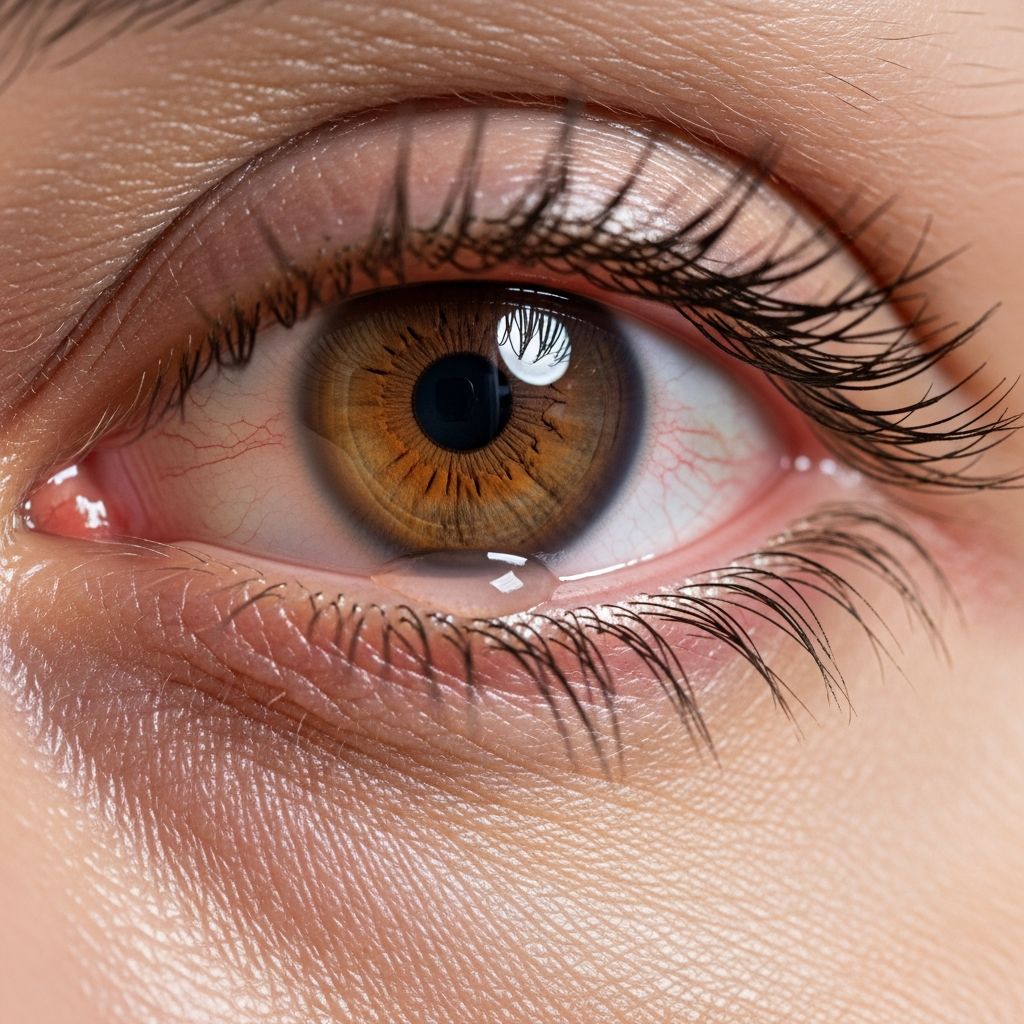
Ectropion is a medical condition in which your eyelid turns outward away from your eyeball. This drooping of your eyelid exposes your eye, causing significant issues with the drainage of your tears and irritation to the front of your eye. When your eyes aren’t fully lubricated, it can lead to severe dryness and inflammation. Ectropion is the opposite of entropion, which is the inward turning of your eyelid. While ectropion typically affects the lower eyelids, it remains one of the most common eyelid conditions, particularly in older adults.
What Is Ectropion?
Ectropion is an outward turning of the eyelid margin, a condition that typically occurs on the lower eyelids. When the globe is not protected properly by the eyelid, the eye can become very dry. This dryness may lead to symptoms of redness, tearing, and foreign body sensation secondary to exposure of the ocular surface and an inadequate tear film. The condition varies in severity, ranging from mild cases with minimal symptoms to severe cases where the cornea can develop punctate epithelial erosions, ulceration, and permanent vision loss if left untreated.
The eyelid plays a crucial protective role for your eye. When ectropion develops, this protective barrier is compromised, leaving the sensitive surface of your eye exposed to environmental irritants and causing excessive evaporation of tears. The resulting dry eye condition can cause discomfort and, in severe cases, lead to complications that threaten your vision.
Types of Ectropion
Ectropion can be classified into several types based on its underlying cause:
- Involutional Ectropion: This is the most common type, occurring as a result of aging and weakening of the eyelid tissues and muscles. It develops gradually over time as the skin loses elasticity and supporting structures deteriorate.
- Paralytic Ectropion: This type results from facial nerve paralysis or weakness, such as in Bell’s palsy, which prevents the orbicularis oculi muscle from functioning properly.
- Mechanical Ectropion: This occurs due to external forces pulling the eyelid downward, such as tumors, excessive scarring, or facial trauma that alters the normal eyelid position.
- Cicatricial Ectropion: This type develops from scarring or contracture of the skin and tissues surrounding the eyelid, often resulting from burns, chemical injuries, or previous surgery.
Causes of Ectropion
Several factors can contribute to the development of ectropion:
- Age: The most common cause, as the eyelid tissues and muscles naturally weaken with aging.
- Facial nerve palsy: Conditions like Bell’s palsy that affect nerve function and eyelid muscle control.
- Skin conditions: Chronic dermatitis or other inflammatory skin conditions affecting the eyelid area.
- Previous surgery or trauma: Prior eyelid surgeries, facial injuries, or burns can lead to scarring that causes ectropion.
- Tumors: Growths on or near the eyelid can pull the lid position abnormally.
- Excessive eye rubbing: Chronic rubbing of the eyes can stretch and weaken the eyelid structures.
Symptoms of Ectropion
The symptoms of ectropion vary depending on the severity of the condition. Common symptoms include:
- Eye redness and irritation
- Excessive tearing or watering of the eye
- Foreign body sensation or grittiness
- Eye dryness and discomfort
- Mucus discharge from the eye
- Light sensitivity
- Visible exposure of the conjunctiva
- Difficulty closing the eyelid completely
In more severe cases, patients may experience corneal damage, vision changes, or chronic eye inflammation. The patient should be asked about any symptoms related to dry eye, eye rubbing, or instability of the eyelids to help determine the severity of their condition.
Diagnosis and Examination
Related Stories



A full ophthalmic examination is necessary to properly assess the bilateral eyelids as well as the ocular surface and cornea to evaluate for any complications related to the ectropion. During the examination, your eye care professional will:
- Assess the position and degree of eyelid turning
- Evaluate the tear film and ocular surface
- Check for signs of corneal damage or dryness
- Examine the conjunctiva for inflammation or keratinization
- Review your medical history and current symptoms
In extreme cases, the tarsal conjunctiva may be visible and may have signs of chronic conjunctivitis with keratinization of the conjunctiva. The eye may be injected, and in extreme cases leading to exposure keratopathy, the cornea may be dry with punctate epithelial erosions and possible ulceration.
Treatment Options for Ectropion
Treatment for ectropion typically depends on the severity of the condition and the underlying cause. Management approaches range from conservative to surgical interventions.
Conservative Treatment
Management almost always begins with lubrication with artificial tears, gels, and ointments. Treatment typically begins with aggressive lubrication of the eyes with artificial tears, gels, and ointments. If the ocular surface is protected, then there is not an urgent need to correct the eyelid position. However, if the ocular surface is compromised, for example in a patient with facial palsy, then the cornea can quickly decompensate, and scarring of the cornea can develop and lead to permanent vision loss.
Conservative measures may include:
- Frequent application of artificial tears throughout the day
- Use of lubricating gels in the evening
- Application of protective ointments at night
- Protective eyewear or eye taping to reduce exposure
- Treatment of underlying skin conditions
- Addressing habits like excessive eye rubbing
Surgical Treatment
Surgical repair is commonly needed to improve the function of the eyelid and to protect the globe permanently. Several surgical approaches can be used to correct ectropion:
- Lateral Tarsal Strip Procedure: A small wedge can be excised from the lateral lower eyelid. Then the lateral lower eyelid is reattached to the periosteum of the lateral orbital rim to reattach the lateral canthus back into position. By horizontally shortening the eyelid with this procedure and reattaching the canthus, the lower eyelid can be put back into proper position to protect the globe effectively.
- Medial Canthal Tightening: This procedure strengthens the inner portions of the eyelid.
- Skin Grafting: For cicatricial ectropion due to scarring, tissue grafts may be necessary to restore proper eyelid function.
- Muscle Reattachment: In cases of paralytic ectropion, reattachment or reanimation procedures may be considered.
Complications if Left Untreated
If ectropion is not adequately treated, several serious complications can develop. The exposed eye is vulnerable to environmental irritants and infections. Chronic dry eye can lead to punctate epithelial erosions and corneal scarring. In extreme cases, the cornea can develop ulceration and permanent vision loss. Additionally, the chronic irritation and inflammation can lead to ongoing discomfort and reduced quality of life.
When to Seek Medical Attention
You should consult with an eye care professional if you experience:
- Persistent eye redness or irritation
- Excessive tearing that interferes with daily activities
- Visible drooping or turning outward of your eyelid
- Foreign body sensation or grittiness that doesn’t resolve with artificial tears
- Light sensitivity or vision changes
- Symptoms that worsen despite conservative treatment
Frequently Asked Questions About Ectropion
Q: Is ectropion a serious condition?
A: Ectropion can become serious if left untreated, as it can lead to corneal damage and permanent vision loss. However, when diagnosed and treated appropriately, most cases can be effectively managed and complications prevented.
Q: Can ectropion go away on its own?
A: Mild cases related to temporary causes may improve, but age-related ectropion typically worsens over time without intervention. Conservative treatment can manage symptoms, but surgical correction is often needed for permanent resolution.
Q: What is the difference between ectropion and entropion?
A: Ectropion is when the eyelid turns outward away from the eye, while entropion is when the eyelid turns inward toward the eye. Both conditions can cause eye irritation and require medical attention.
Q: Is ectropion surgery painful?
A: Ectropion surgery is performed under local or general anesthesia, so you should not experience pain during the procedure. Some mild discomfort and irritation may occur during recovery, which typically resolves within a few weeks.
Q: How long is recovery after ectropion surgery?
A: Most patients experience significant improvement within 1-2 weeks, with complete healing typically occurring within 4-6 weeks. Your ophthalmologist will provide specific post-operative care instructions.
Q: Can ectropion recur after surgery?
A: While recurrence is possible, particularly in severe cases, most patients experience long-lasting correction with appropriate surgical repair. Your surgeon will discuss the likelihood of recurrence based on your specific situation.
References
- Ectropion — StatPearls, National Center for Biotechnology Information (NCBI). Updated 2024. https://www.ncbi.nlm.nih.gov/books/NBK441929/
- Ectropion: Symptoms, Types, Causes & Treatment — Cleveland Clinic. Last reviewed December 6, 2024. https://my.clevelandclinic.org/health/diseases/24420-ectropion
- Ectropion – Symptoms and Causes — Mayo Clinic. https://www.mayoclinic.org/diseases-conditions/ectropion/symptoms-causes/syc-20351164
- Entropion and Ectropion — Cleveland Clinic Abu Dhabi. Copyright 2023. https://www.clevelandclinicabudhabi.ae/en/health-hub/health-resource/diseases-and-conditions/entropion-and-ectropion
- Ectropion — Britannica. https://www.britannica.com/science/ectropion
Similar Articles








Read full bio of medha deb