Eczema And Allergies: Key Insights And Effective Management
Discover how eczema intertwines with allergies, from immune triggers to management strategies for lasting skin relief.
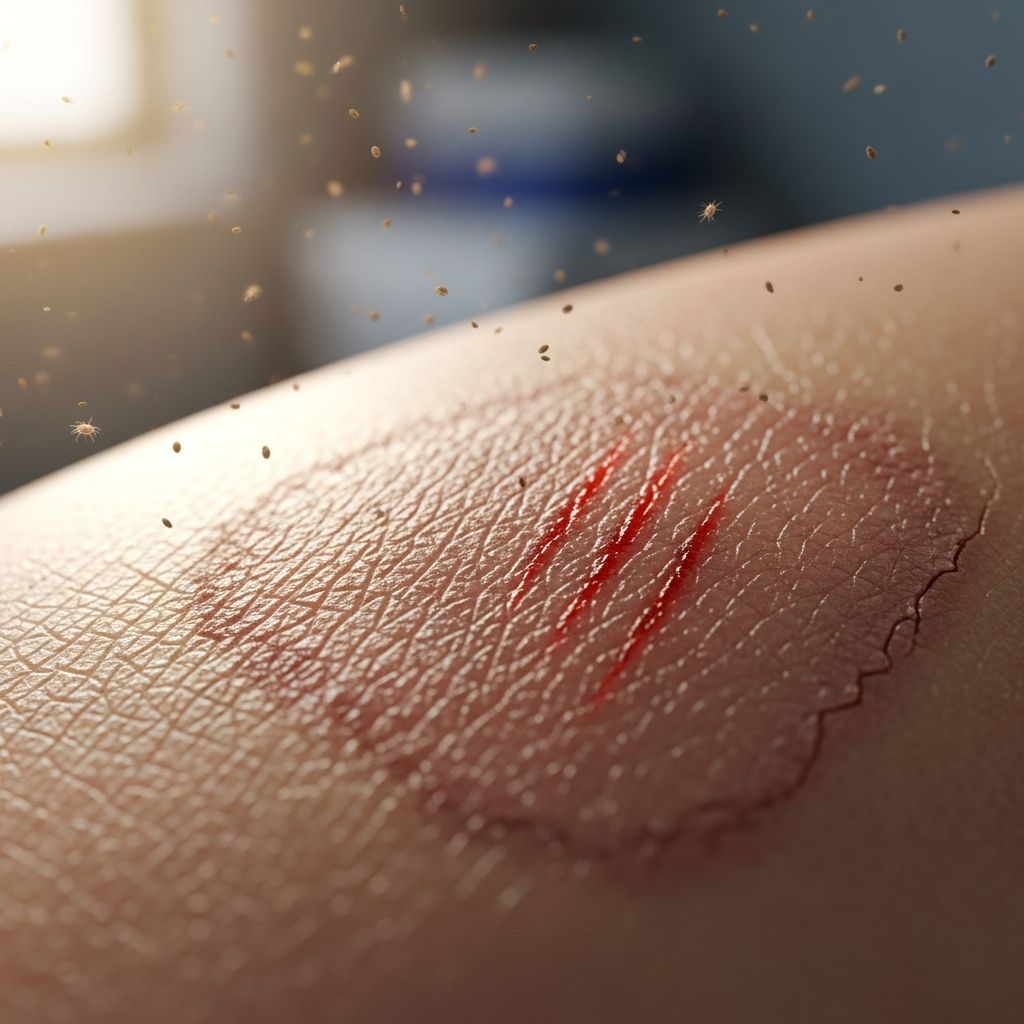
Eczema, or atopic dermatitis, frequently coexists with allergic conditions due to shared immune pathways and genetic predispositions, forming what experts call the atopic triad of eczema, asthma, and hay fever.
Understanding the Immune Connection
The foundation of the eczema-allergy relationship lies in an overactive immune system. In eczema sufferers, the skin’s protective barrier is compromised, allowing allergens to penetrate more easily and provoke inflammation. This heightened sensitivity often leads to reactions from environmental particles or foods, intensifying itchiness and redness.
Research indicates that up to 80% of children with eczema may later develop hay fever or asthma, highlighting a progressive pattern known as the atopic march. Genetic factors amplify this risk; a family history of allergies increases the likelihood, with specific gene mutations like those affecting filaggrin proteins weakening the skin barrier further.
Common Triggers Bridging Eczema and Allergies
Triggers vary but often overlap between the two conditions. Environmental allergens such as dust mites, pollen, pet dander, and mold frequently exacerbate eczema flares by irritating the already sensitive skin.
- Dust mites: Thrive in bedding and upholstery, prompting immune responses that worsen dryness and itching.
- Pollen and mold: Seasonal exposures that infiltrate homes, leading to combined respiratory and skin symptoms.
- Pet dander: Fine particles from animals that linger on surfaces and clothing.
Food allergens pose a particular challenge, especially for children. Common culprits include dairy, eggs, nuts, soy, and wheat, which can trigger immediate flares upon contact or ingestion. Studies show 37% of children with moderate to severe eczema have food allergies, though these less commonly affect adults.
The Atopic March: A Predictable Progression
The atopic march describes how eczema in infancy often precedes food allergies, followed by allergic rhinitis (hay fever), and culminates in asthma. This sequence affects many, with children of allergic parents facing nearly a one-in-three chance of developing eczema.
Black and Hispanic individuals may experience more severe manifestations, with symptoms appearing differently on varied skin tones, such as hyperpigmentation rather than typical redness. Early intervention during this march can disrupt the cycle, reducing long-term allergic burden.
| Stage of Atopic March | Typical Age | Associated Conditions |
|---|---|---|
| Eczema Onset | Infancy (0-2 years) | Atopic dermatitis flares |
| Food Sensitization | Toddler (2-5 years) | Allergies to milk, eggs, nuts |
| Allergic Rhinitis | Childhood (5-10 years) | Hay fever symptoms |
| Asthma Development | School age and beyond | Wheezing, breathing issues |
Diagnostic Approaches for Accurate Identification
Pinpointing allergens requires professional testing. Skin prick tests introduce small amounts of suspects to observe reactions, while patch tests detect delayed sensitivities. Blood tests measure IgE antibodies specific to allergens.
Elimination diets, supervised by specialists, help confirm food triggers by systematically removing suspects and monitoring improvements. Keeping a symptom diary correlates exposures with flares, aiding personalized plans.
Related Stories



Effective Management Strategies
Managing dual conditions demands a multifaceted approach. Daily moisturizing with fragrance-free emollients fortifies the skin barrier, reducing allergen entry. Topical corticosteroids or calcineurin inhibitors calm inflammation during flares, while biologics target severe cases.
Avoidance is key: Use allergen-proof bedding, maintain humidity below 50% to deter dust mites, and opt for HEPA filters. For foods, strict avoidance post-confirmation prevents reactions.
Lifestyle Adjustments for Daily Relief
- Choose breathable cotton clothing over wool or synthetics.
- Wash new garments before wearing to remove manufacturing residues.
- Bathe in lukewarm water with gentle, soap-free cleansers.
- Humidify dry air and avoid extreme temperatures.
Treatment Innovations and Future Directions
Recent advancements include JAK inhibitors for rapid itch relief and dupilumab, a biologic reducing inflammation systemically. Allergy immunotherapy desensitizes to environmental triggers over time.
Ongoing research explores microbiome influences, with probiotics showing promise in restoring skin balance and curbing allergic tendencies.
FAQs on Eczema and Allergies
Can allergies cause eczema?
Allergies do not cause eczema but can trigger or worsen flares by compromising the skin barrier and provoking immune responses.
Is eczema always linked to food allergies?
No, though up to 37% of severe pediatric cases involve food allergies; environmental factors play a larger role in many adults.
How do I know if my child’s eczema is allergy-related?
Consult an allergist for testing; symptoms worsening with specific exposures or family history suggest a connection.
Does eczema improve with age?
Many children outgrow it by age 5-6, but 30-80% progress to other atopic conditions like asthma.
Are there home remedies that help both?
Yes, consistent moisturizing, trigger avoidance, and wet wrap therapy soothe skin while minimizing allergen impact.
Preventing Flares in High-Risk Families
Families with atopic histories can proactively protect infants through exclusive breastfeeding, delayed allergen introduction, and early moisturizing. Genetic screening for filaggrin mutations informs risk levels.
Community education emphasizes that while eczema appears as dry patches, it’s an immune-driven disorder, not mere dryness, urging comprehensive care over symptomatic fixes.
Holistic management transforms lives, breaking the allergy-eczema cycle for clearer skin and fewer disruptions.
References
- Eczema and Allergies: How They’re Connected and What You Can Do — Jordan Valley Dermatology. 2023. https://www.jordanvalleydermatology.com/blog/1310372-eczema-and-allergies-how-theyre-connected-and-what-you-can-do/
- Allergies and Eczema: What’s the Link? — WebMD. 2024. https://www.webmd.com/skin-problems-and-treatments/eczema/eczema-allergies-link
- The Link Between Allergies and Eczema: Understanding the Connection — Ocean Allergy. 2023. https://www.oceanallergy.com/blog/1385189-the-link-between-allergies-and-eczema-understanding-the-connection/
- The Connection Between Eczema and Other Allergic Diseases — Atlanta Allergy & Asthma. 2023. https://www.atlantaallergy.com/articles/view/406-the-connection-between-eczema-and-other-allergic-diseases
- Eczema and Allergy — Eczema Council. 2024. https://www.eczemacouncil.org/eczema-and-allergy
Similar Articles








Read full bio of Sneha Tete