Eczema: Is It Autoimmune? Expert Guide For 2025
Unraveling the complex immune links between eczema and autoimmune conditions through latest research insights.
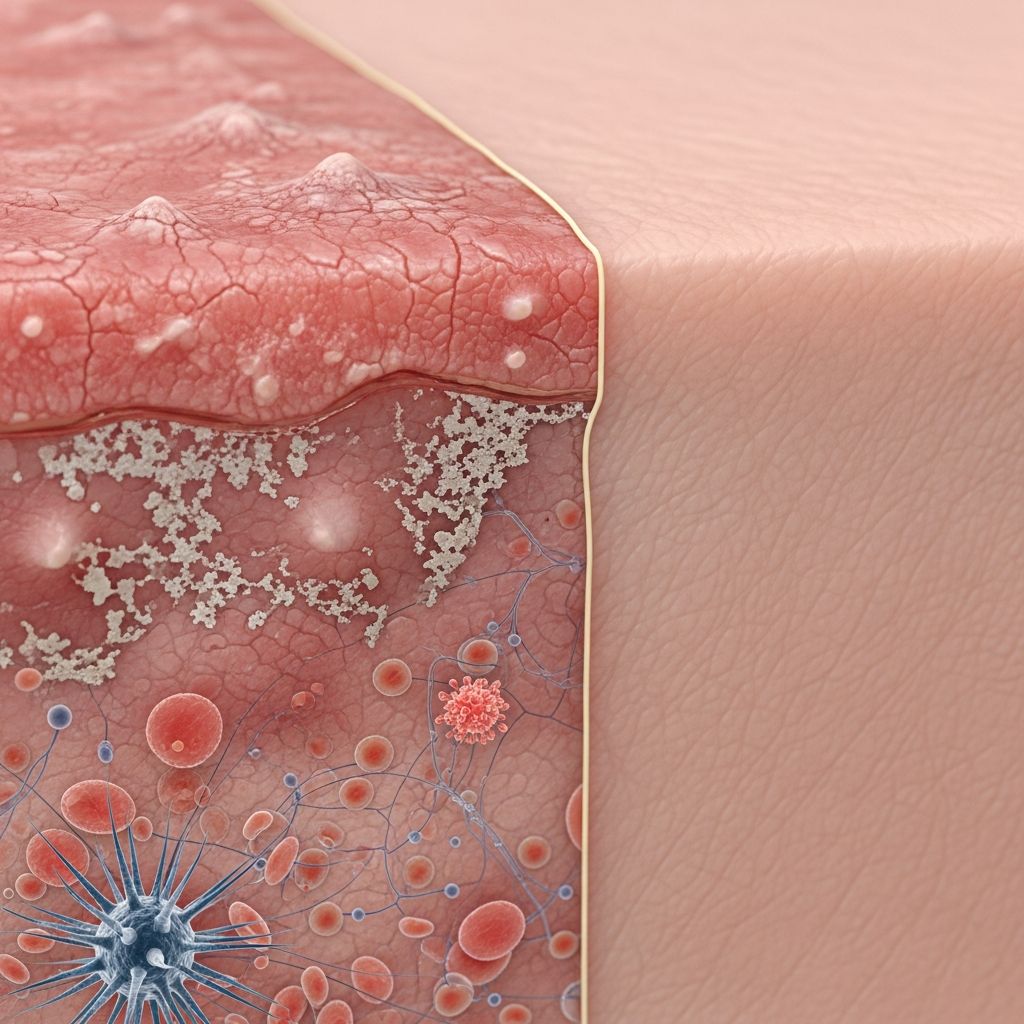
Eczema, particularly atopic dermatitis, involves complex immune activity but does not meet the strict criteria for an autoimmune disease. Current medical consensus classifies it as an immune-mediated inflammatory skin condition driven by allergic responses rather than self-targeted autoimmunity.
Defining Eczema and Its Core Characteristics
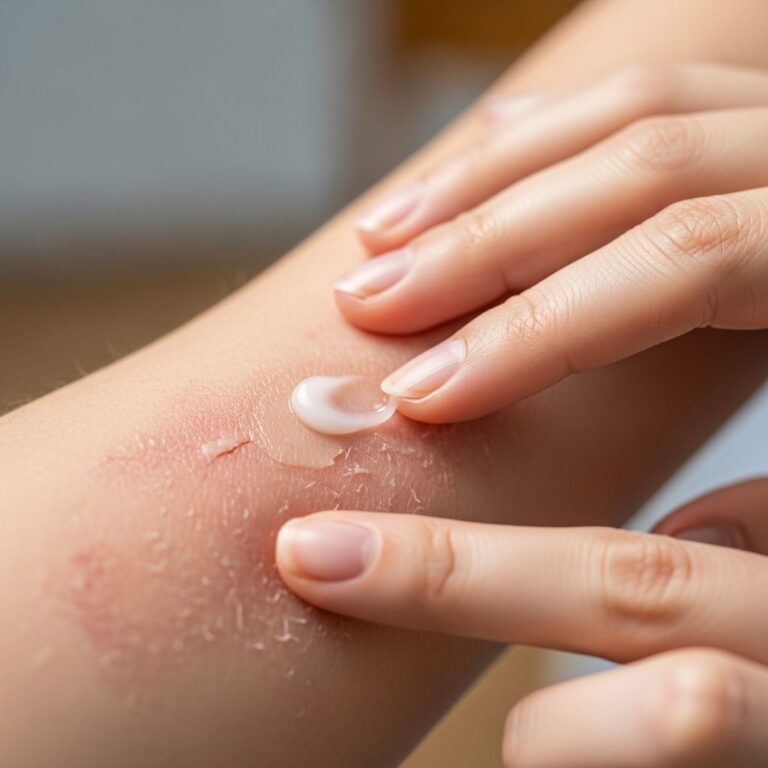
Atopic dermatitis, commonly known as eczema, manifests as chronic itchy, inflamed skin patches. It affects millions worldwide, often starting in childhood, with symptoms including redness, dryness, and intense pruritus that can disrupt daily life. Unlike acute rashes, eczema persists or recurs, influenced by genetic predispositions, environmental triggers, and immune dysregulation.
The skin barrier in eczema patients is compromised, allowing allergens and irritants to penetrate more easily. This leads to a cascade of immune activation, primarily involving Th2 cells, which release cytokines like IL-4 and IL-13. These mediators promote inflammation and allergic responses, distinguishing eczema from classic autoimmune pathologies where the immune system erroneously attacks the body’s own tissues.
Autoimmune Diseases: A Clear Distinction
Autoimmune diseases occur when the immune system produces autoantibodies or autoreactive T-cells that target self-antigens, causing damage to organs or tissues. Examples include rheumatoid arthritis, where joints are attacked, or lupus, affecting multiple systems. Diagnosis often involves detecting specific autoantibodies, such as anti-nuclear antibodies in lupus.
In contrast, eczema lacks consistent evidence of autoantibodies targeting skin components. Instead, its pathology centers on exaggerated responses to external allergens and impaired barrier function. While immune cells are hyperactive, they respond to perceived threats rather than intrinsic self-proteins, aligning eczema more closely with allergic disorders like asthma or hay fever.
Immune Pathways Overlapping with Autoimmunity
Though not autoimmune, eczema shares immune pathways with autoimmune conditions. Key players include IL-4 and IL-13, cytokines that drive Th2 inflammation in eczema. Biologics like dupilumab, which block these interleukins, have revolutionized treatment by dampening this response, hinting at immune parallels.
Research shows eczema patients exhibit altered immune profiles, with elevated IgE levels and eosinophil activation, typical of atopy. However, some studies suggest subtle autoimmune-like features, such as minor autoantibody presence in severe cases, though not diagnostic.
Research Evidence on Eczema-Autoimmune Links
Large-scale studies reveal significant associations between atopic dermatitis and various autoimmune diseases. A population-based analysis found adults with eczema had nearly double the odds of having one or more autoimmune conditions (adjusted odds ratio 1.97). This link strengthened with multiple autoimmune comorbidities.
Associations were strongest for skin-related autoimmunities:
- Dermatitis herpetiformis (aOR 9.76)
- Alopecia areata (aOR 5.11)
- Chronic urticaria (aOR 4.82)
Gastrointestinal disorders like celiac disease and connective tissue diseases such as rheumatoid arthritis also showed elevated risks, with men displaying stronger ties to rheumatoid arthritis and celiac disease.
| Autoimmune Category | Adjusted Odds Ratio (aOR) | 95% Confidence Interval |
|---|---|---|
| Skin disorders | 3.10 | 3.02–3.18 |
| Gastrointestinal tract | 1.75 | 1.69–1.82 |
| Connective tissue | 1.50 | 1.42–1.58 |
A comprehensive meta-analysis of 26 studies confirmed this pattern across ages, with an overall odds ratio of 1.67 for autoimmune disease risk in eczema patients. Subgroup analyses by age, gender, and study design consistently supported the association, though women faced higher risks in some contexts.
Related Stories



Why the Strong Comorbidity Patterns?
Shared genetic factors, such as mutations in filaggrin (FLG) gene, impair skin barriers and predispose to both atopy and autoimmunity. Environmental influences like early antibiotic use or microbiome dysbiosis may skew immune development toward Th2 dominance, overlapping with autoimmune-prone states.
Eczema patients often develop autoimmune diseases earlier than controls, suggesting shared pathways. A dose-response effect—stronger links with multiple autoimmunities—implies underlying immune dysregulation. However, causality remains unclear; eczema might heighten autoimmune susceptibility or vice versa.
Clinical Implications for Patients
Recognizing these links prompts proactive screening. Dermatologists should monitor for autoimmune signs, especially in severe or persistent eczema. Early intervention could mitigate comorbidities.
Treatment strategies focus on immune modulation:
- Topicals: Corticosteroids and calcineurin inhibitors for inflammation control.
- Biologics: Dupilumab targets IL-4/IL-13 axis, effective in moderate-to-severe cases.
- Systemic: JAK inhibitors like upadacitinib for refractory disease.
- Lifestyle: Moisturizers, allergen avoidance, and wet-wrap therapy.
Patients with eczema and autoimmune overlap may require multidisciplinary care involving rheumatologists or gastroenterologists.
Debunking Common Misconceptions
A frequent myth posits eczema as purely autoimmune due to treatment responses to immunosuppressants. Yet, these drugs broadly dampen inflammation, benefiting many immune conditions. Another misconception links all itchy rashes to eczema-autoimmunity; differential diagnoses like psoriasis (autoimmune) must be ruled out.
Future Directions in Research
Ongoing trials explore immune subsets in eczema, potentially identifying autoimmune-prone phenotypes. Longitudinal studies could clarify temporal relationships and genetic markers. Advances in biologics targeting novel cytokines may further delineate mechanisms.
Frequently Asked Questions (FAQs)
Is eczema contagious?
No, eczema results from internal factors like genetics and immunity, not infectious agents.
Can eczema lead to autoimmune diseases?
Eczema increases risk but does not directly cause autoimmunity; shared factors contribute.
How is eczema diagnosed?
Clinically via history and exam; biopsies are rare unless atypical.
Does diet affect eczema?
Triggers vary; elimination diets help some, but evidence is mixed.
Are there cures for eczema?
No cure exists, but symptoms are manageable with proper therapy.
References
- New Study on ‘Breakthrough’ Atopic Dermatitis Drug Indicates Eczema is an Autoimmune Disease — Mount Sinai. 2015-01-01. https://www.mountsinai.org/about/newsroom/2015/inquisitr-new-study-on-breakthrough-atopic-dermatitis-drug-indicates-eczema-is-an-autoimmune-disease
- Association between atopic dermatitis and autoimmune diseases — PMC / British Journal of Dermatology. 2021-09-01. https://pmc.ncbi.nlm.nih.gov/articles/PMC8451742/
- Atopic dermatitis and risk of autoimmune diseases — Frontiers in Immunology. 2025-01-01. https://www.frontiersin.org/journals/immunology/articles/10.3389/fimmu.2025.1539997/full
- Association between atopic dermatitis and autoimmune diseases — PubMed / British Journal of Dermatology. 2020-10-01. https://pubmed.ncbi.nlm.nih.gov/33091150/
Similar Articles








Read full bio of medha deb