Eczema Coxsackium: Expert Guide To Symptoms, Diagnosis & Care
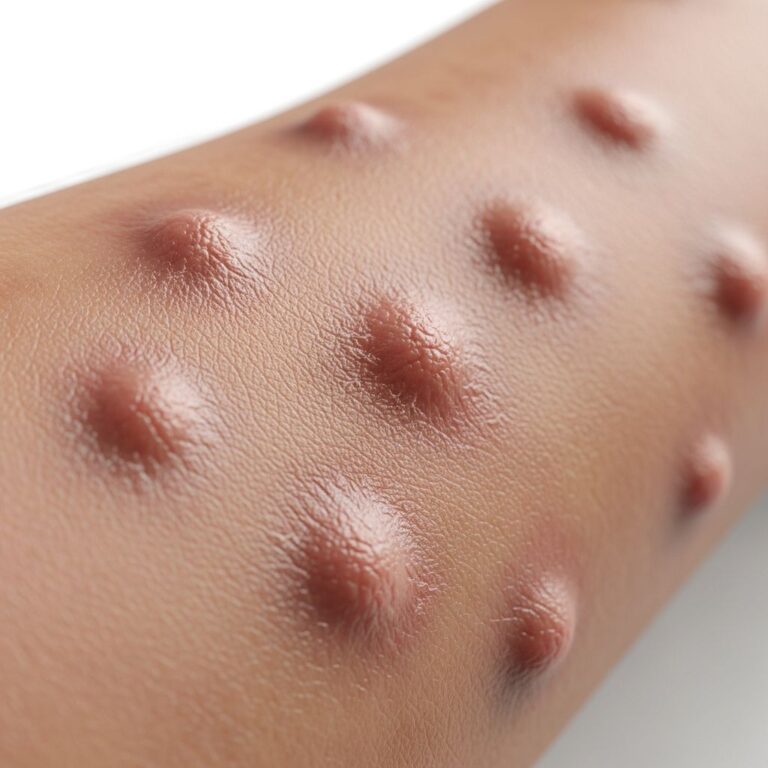
Enteroviral infection in children with eczema causing widespread vesicles, bullae, and erosions on atopic skin.
Introduction
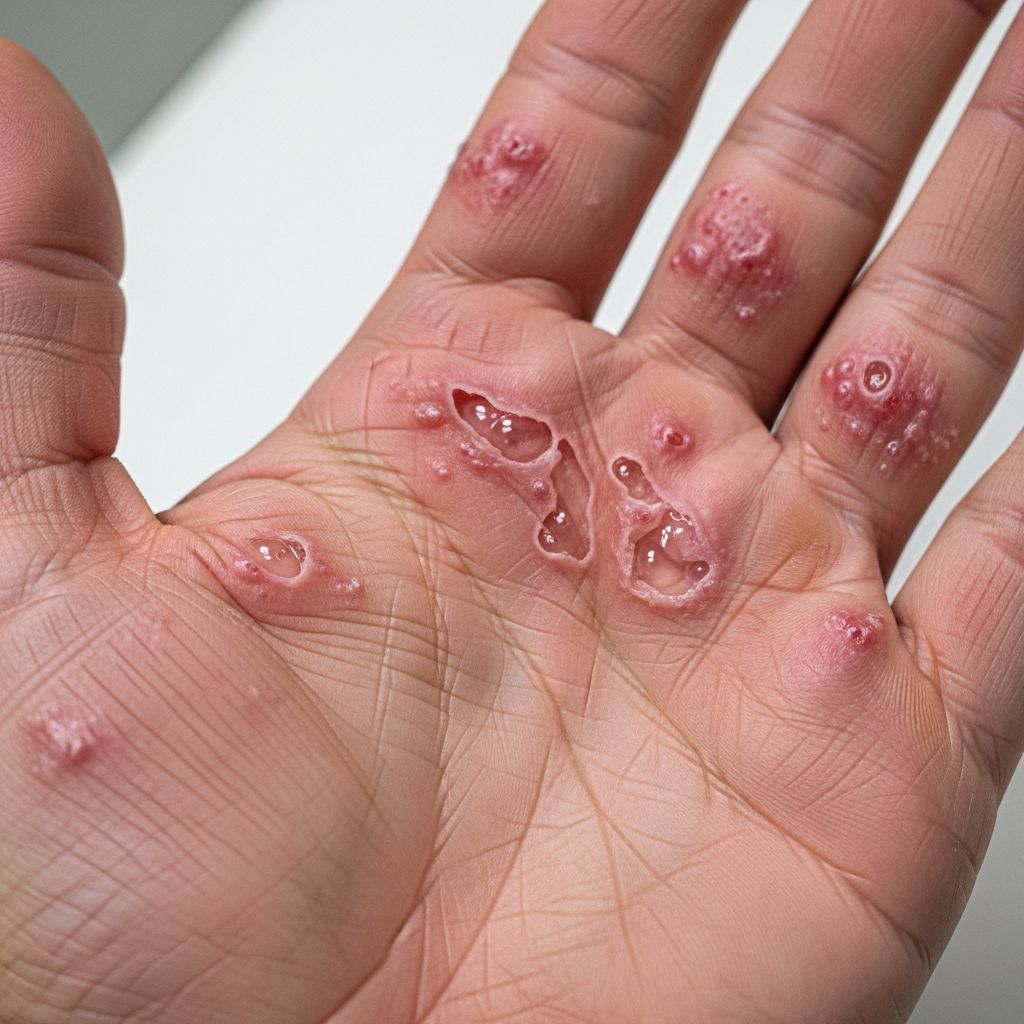
Eczema coxsackium is an enteroviral infection typically affecting children with atopic dermatitis (eczema). It is characterised by an eruption of vesicles, bullae, and erosions affecting areas of active or inactive atopic dermatitis. This condition represents an atypical presentation of hand, foot, and mouth disease (HFMD), where the virus exploits the compromised skin barrier of eczematous skin, leading to more widespread and severe manifestations than in children without eczema.
The term “eczema coxsackium” highlights the role of coxsackieviruses, particularly coxsackievirus A6 and A16, which are common culprits in HFMD. In children with eczema, the infection spreads beyond the classic sites (hands, feet, mouth) to involve flexural areas, face, limbs, and trunk, often mimicking more serious conditions like eczema herpeticum. First described in medical literature around 2010, it has become increasingly recognized due to outbreaks of coxsackievirus A6-associated HFMD.
Understanding eczema coxsackium is crucial for parents, pediatricians, and dermatologists, as it can cause significant discomfort, fever, and dehydration risk, though it is generally self-limiting. Early recognition prevents unnecessary antiviral treatments and focuses care on symptom relief and complication prevention.
Demographics
Eczema coxsackium predominantly affects young children, typically preschool-aged (under 5 years), aligning with the epidemiology of HFMD. It is more common in children with a history of atopic dermatitis, as their impaired skin barrier facilitates viral entry and dissemination.
Outbreaks occur worldwide, often in daycare or preschool settings during summer and fall, coinciding with enterovirus seasonality. Infants and toddlers, like the 13-month-old case reported with extensive rash on extremities and face, are particularly vulnerable. No strong gender predilection is noted, but children in crowded environments face higher transmission risk.
In regions with high HFMD incidence, such as Asia-Pacific, atypical presentations like eczema coxsackium are reported more frequently due to coxsackievirus A6 strains. Among eczematous children, the condition can affect up to 10-20% during HFMD outbreaks, emphasizing the need for vigilance in this subgroup.
Causes
The primary cause is infection with enteroviruses, specifically coxsackievirus A6 (most common) and A16, both non-polio enteroviruses. These RNA viruses belong to the Picornaviridae family and spread via fecal-oral route, respiratory droplets, or contact with contaminated surfaces.
In children without eczema, infection causes classic HFMD with limited lesions on hands, feet, mouth, and buttocks. However, in atopic dermatitis patients, the defective skin barrier—characterized by filaggrin mutations, reduced antimicrobial peptides, and Th2-skewed immunity—allows viral replication and spread to broader areas. This results in a phenomenon called “eczema herpeticum-like” presentation, though caused by coxsackievirus rather than herpes simplex virus.
Risk factors include active eczema flares, prior HFMD exposure, and immunosuppression (rarely). Unlike bacterial superinfections, viral load amplification occurs directly in lesional skin, leading to higher vesicle counts.
Clinical features
The illness begins with prodromal symptoms resembling a common viral infection: low-grade fever, rhinorrhea, cough, sore throat, malaise, and occasionally diarrhea. Within 1-4 days, a rash emerges, starting on extremities and spreading.
Related Stories



Skin findings include:
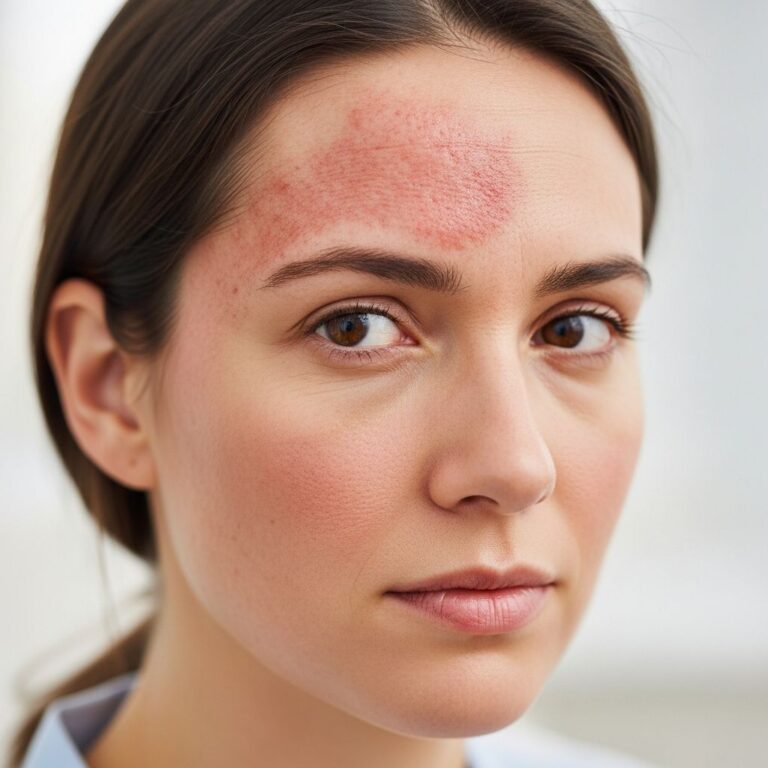
- Widespread erythematous maculopapular rash, confluent in severe cases.
- Vesicles and bullae (fluid-filled, 1-5mm), prominent on palms, soles, face, limbs, and eczematous areas.
- Erosions and crusting after vesicle rupture, especially perioral and flexural.
- Oral lesions: herpangina-like ulcers on tongue, buccal mucosa, causing pain and reduced intake.
Unlike classic HFMD, lesions spare the trunk minimally and favor cheeks, buttocks, extensors, mimicking Gianotti-Crosti syndrome. Pain, pruritus, and irritability are intense, exacerbated by eczema.
During convalescence (1-2 weeks), desquamation of palms/soles occurs, with nail changes (Beau’s lines, onychomadesis) 1-2 months later. Systemic signs like high fever or dehydration may necessitate admission.
Diagnosis
Diagnosis is primarily clinical, based on history of eczema, HFMD exposure, and characteristic rash distribution. Key is differentiating from eczema herpeticum (HSV), which requires PCR of vesicle fluid—negative HSV rules it out.
Viral confirmation via RT-PCR from throat swabs, vesicles, or stool detects coxsackievirus A6/A16. Serology is less useful acutely. Skin biopsy (rarely needed) shows intraepidermal vesicles with ballooning degeneration.
Supportive clues: outbreak context, oral ulcers, prodrome.
Differential diagnoses
| Condition | Key Features | Differentiator from Eczema Coxsackium |
|---|---|---|
| Eczema herpeticum (HSV) | Mon morphous vesicles, punched-out erosions, systemic illness | HSV PCR positive; more trunk involvement |
| Classic HFMD | Lesions limited to hands/feet/mouth | No eczema history; less widespread |
| Impetigo | Honey-crusted plaques, no vesicles | Bacterial culture; responds to antibiotics |
| Giannotti-Crosti | Acral papules sparing trunk | Prolonged course; no oral ulcers |
| Varicella | Centripetal vesicles on erythematous base | VZV PCR; dew-drop on rose petal |
Treatment
No specific antiviral exists; treatment is supportive. Focus on symptom relief and preventing complications.
- Hydration and nutrition: Monitor intake; IV fluids if dehydrated.
- Pain/fever control: Acetaminophen or ibuprofen.
- Itch relief: Oral antihistamines (e.g., diphenhydramine), calamine lotion.
- Skincare: Emollients, wet wraps, medium-potency topical corticosteroids (e.g., mometasone 0.1%) for eczematous flares—avoid if active viral phase uncertain.
- Secondary infection: Topical mupirocin for impetigo; systemic antibiotics if pus/odor.
Most resolve in 7-14 days without hospitalization. Isolation until lesions crust prevents spread.
Complications
Common: Desquamation (palms/soles), nail dystrophy (onychomadesis, Beau’s lines) 1-2 months post-infection.
Rare: Secondary bacterial infection (impetigo, cellulitis) with pus, odor, fever—risk higher in eczema. Dehydration from oral pain. Multiorgan failure exceedingly rare, unlike other enteroviruses. Hyperpigmentation or scarring post-resolution.
Monitor for red flags: high fever >3 days, worsening rash, lethargy.
Prevention
Hygiene: Handwashing, disinfect surfaces, avoid sharing utensils.
Isolation: Exclude from school/daycare until blisters dry (7-10 days).
Eczema management: Optimize skin barrier with daily emollients to reduce susceptibility.
No vaccine available; outbreak awareness key.
Frequently Asked Questions
Q: How long does eczema coxsackium last?
A: Acute phase lasts 7-14 days; nail changes may appear 1-2 months later.
Q: Is eczema coxsackium contagious?
A: Yes, via respiratory/fecal-oral routes; isolate until lesions crust.
Q: Can adults get eczema coxsackium?
A: Rare, as immunity develops post-childhood HFMD; possible in atopic adults.
Q: When to see a doctor?
A: High fever, dehydration, pus/discharge, or severe pain warrant urgent care.
Q: Does it leave scars?
A: Usually not, but secondary infection risks scarring or pigmentation changes.
References
- Eczema Coxsackium — Consultant360. 2023. https://www.consultant360.com/article/consultant360/eczema-coxsackium
- Eczema Coxsackium: Symptoms, Causes, and Treatment Guide — HealthCentral. 2024. https://www.healthcentral.com/condition/eczema/eczema-coxsackium
- Eczema Coxsackium: Causes, Symptoms, Treatment, and More — Healthline. 2024. https://www.healthline.com/health/eczema/eczema-coxsackium
- Eczema Coxsackium: Causes, Risks & Best Ways to Manage It — Hightower Clinical. 2024. https://hightowerclinical.com/blogs/what-is-eczema-coxsackium/
- Eczema coxsackium — DFTB Skin Deep. 2023. https://dftbskindeep.com/all-diagnoses/eczema-coxsackium/
- Eczema coxsackium — DermNet NZ. 2025-01-15. https://dermnetnz.org/topics/eczema-coxsackium
Similar Articles








Read full bio of Sneha Tete