Eczema Daily Management: 9 Practical Steps For Fewer Flare-Ups
Transform your daily routine with proven strategies to soothe eczema symptoms, prevent flare-ups, and reclaim comfortable skin every day.
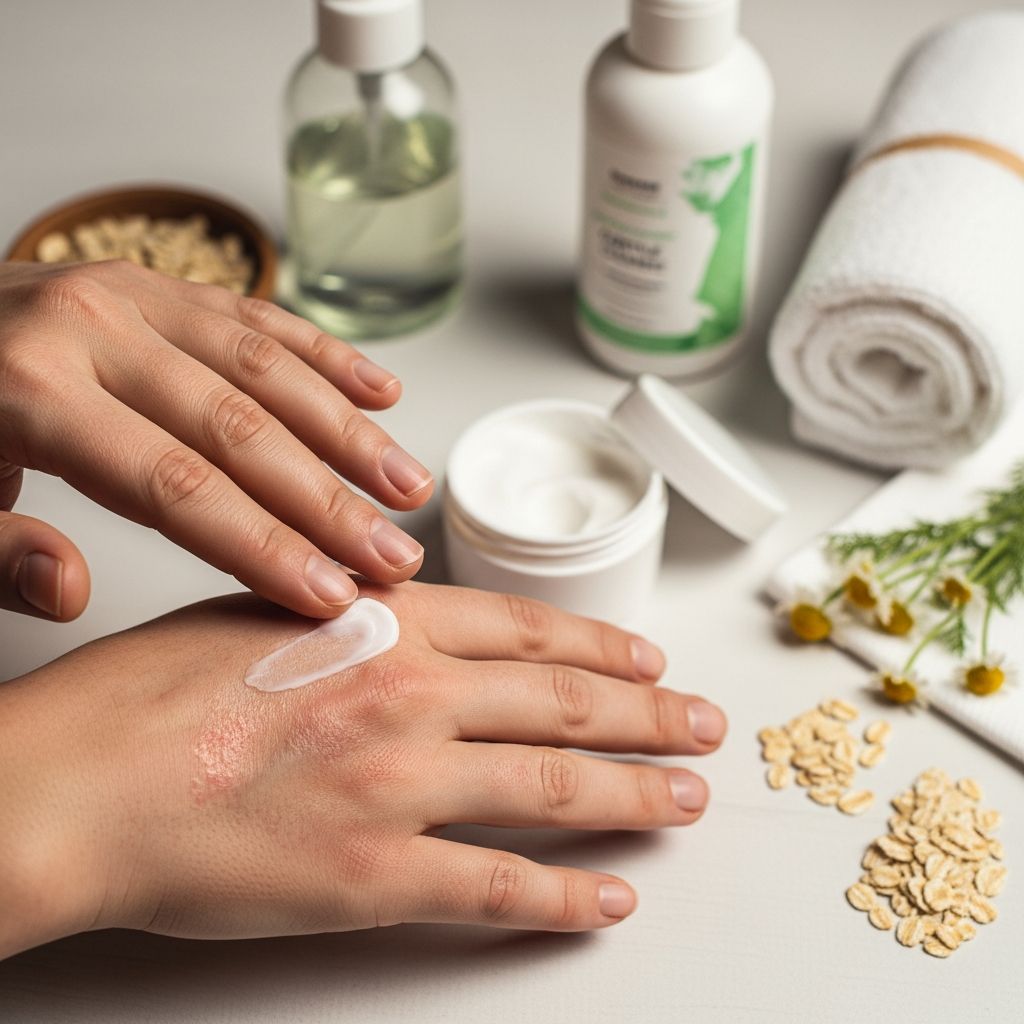
Managing eczema requires consistent daily practices that prioritize skin barrier protection, trigger avoidance, and overall well-being. This guide outlines actionable steps to integrate into your routine for fewer flare-ups and smoother skin.
Establishing a Protective Morning Skincare Ritual
Starting your day with a gentle skincare ritual sets the foundation for resilient skin. Begin by cleansing with a mild, fragrance-free product using lukewarm water to remove overnight buildup without stripping essential oils. Pat dry softly, leaving skin slightly damp, then apply a thick layer of ointment or cream containing ceramides or hyaluronic acid to seal in moisture. This immediate hydration strengthens the skin’s natural barrier, reducing vulnerability to daily irritants.
- Select cleansers labeled for sensitive skin to minimize inflammation.
- Limit washing to 5-10 minutes to prevent over-drying.
- Follow with moisturizer within three minutes of patting dry for optimal absorption.
Incorporate this into your morning for sustained comfort throughout the day, as regular moisturizing twice daily is a cornerstone of eczema control.
Navigating Daytime Environmental Challenges
During active hours, eczema-prone skin faces dust, friction, and temperature shifts. Dress in breathable cotton clothing to allow air circulation and avoid rough synthetics or wool that trap heat and moisture. Use fragrance-free detergents for laundry and wash new garments before wearing to eliminate chemical residues.
| Clothing Choice | Benefit | Avoid |
|---|---|---|
| Cotton or bamboo fabrics | Breathable, soft on skin | Wool, polyester |
| Loose-fitting garments | Reduces friction | Tight synthetics |
| Fragrance-free washed | Removes irritants | Unwashed new clothes |
Keep a small tube of moisturizer handy for midday reapplications, especially on hands and exposed areas. A portable humidifier or misting spray can combat dry office air.
Nutrition and Hydration for Internal Support
What you consume influences skin health from within. Prioritize water intake—aim for at least eight glasses daily—to maintain skin elasticity and counteract dehydration. Incorporate anti-inflammatory foods rich in omega-3s from fish or flaxseeds, probiotics from yogurt, and antioxidants from berries and leafy greens.
- Track personal food triggers like dairy or gluten via a journal.
- Opt for whole foods over processed items to lower inflammation risks.
- Consider supplements like vitamin D or E only under medical guidance.
Hydration and balanced nutrition complement topical care, fostering long-term skin repair.
Stress Reduction Techniques Throughout the Day
Stress exacerbates eczema by triggering inflammatory responses. Integrate short breaks for deep breathing: inhale for four counts, hold for four, exhale for four. Apps with guided meditation or 10-minute yoga flows offer accessible relief. Physical activity like walking promotes endorphin release, calming the body’s stress signals.
Practice mindfulness during commutes or lunch breaks to interrupt flare cycles proactively.
Evening Wind-Down for Overnight Recovery
As day ends, shift to restorative care. Take a brief lukewarm bath with colloidal oatmeal additives to soothe without drying. Re-cleanse gently if needed, then layer on a heavy occlusive moisturizer. For intense areas, apply wet wraps: dampen cotton cloths with moisturizer, wrap affected spots, and cover with dry layers for enhanced penetration.
Related Stories



- Use humidifiers in bedrooms to maintain 40-60% humidity.
- Trim nails short to prevent unconscious scratching during sleep.
- Apply treatments 30 minutes before bed for full absorption.
This routine leverages sleep’s healing phase for optimal recovery.
Identifying and Avoiding Personal Triggers
Eczema triggers vary; common ones include allergens, weather changes, and products. Maintain a daily log noting flare correlations with foods, weather, or activities. Minimize dust mites with allergen-proof covers and weekly hot-water bedding washes. Outdoors, apply mineral sunscreens to shield from UV without chemical sting.
Regular tracking empowers pattern recognition, enabling targeted avoidance.
Advanced Tools and Home Adjustments
Enhance your environment with a whole-home humidifier during dry seasons, targeting bedrooms first. Soft-bristle brushes for gentle exfoliation and hypoallergenic pillowcases reduce nightly irritation. For hands-on tasks, wear nitrile gloves lined with cotton to block cleaners and water.
| Tool | Purpose | Usage Tip |
|---|---|---|
| Humidifier | Air moisture balance | Clean weekly to prevent mold |
| Wet wrap kit | Moisturizer lock-in | 30-60 min sessions, 2-3x/week |
| Allergen covers | Dust mite barrier | Fit snugly on mattress/pillows |
Signs It’s Time for Professional Intervention
While daily habits control mild cases, persistent redness, oozing, or sleep-disrupting itch warrants dermatologist input. They may recommend topicals, phototherapy, or biologics tailored to severity. Early consultation prevents complications like infections.
Frequently Asked Questions
How often should I moisturize with eczema?
At least twice daily, plus after every water exposure. Ointments work best for barriers.
Can diet really impact eczema flares?
Yes, anti-inflammatory diets with omega-3s and hydration support skin health; track personal responses.
What’s the best way to stop nighttime scratching?
Short nails, thick moisturizers, wet wraps, and stress relief techniques reduce urges.
Are natural remedies effective for eczema?
Colloidal oatmeal baths soothe; always patch-test and consult pros for safety.
How does humidity affect eczema skin?
Optimal 40-60% prevents dryness; use humidifiers in low-humidity environments.
Building Long-Term Resilience
Consistency transforms eczema from a daily battle to a manageable condition. Combine skincare, lifestyle tweaks, and trigger awareness for sustained relief. Personalize based on responses, adjusting as seasons or life change.
References
- Living with Eczema: Daily Habits for Clearer, Healthier Skin — Illinois Dermatology. 2023. https://illinoisderm.com/blog/living-with-eczema-daily-habits/
- Building a Daily Skin-Care Routine to Keep Eczema Under Control — DeBlieck Dermatology. 2023. https://www.deblieckdermatology.com/blog/1313166-building-a-daily-skin-care-routine-to-keep-eczema-under-control/
- How to Cure Eczema Permanently? A Complete Guide — Palm Beach Dermatology Group. 2024. https://palmbeachdermatologygroup.com/how-to-cure-eczema-permanently/
- Atopic dermatitis (eczema) – Diagnosis and treatment — Mayo Clinic. 2025-02-01. https://www.mayoclinic.org/diseases-conditions/atopic-dermatitis-eczema/diagnosis-treatment/drc-20353279
- Eczema Management — National Eczema Association. 2024. https://nationaleczema.org/eczema-management/
Similar Articles








Read full bio of Sneha Tete