Eczema: Essential Guide To Symptoms, Causes, And Care
Comprehensive guide to understanding eczema symptoms, types, triggers, treatments, and daily management strategies for lasting skin relief.
Eczema encompasses a range of chronic skin disorders marked by intense itching, dryness, and inflammation, affecting millions worldwide across all ages. This condition disrupts the skin’s natural barrier, leading to flares that can significantly impact daily life if unmanaged.
Defining Eczema and Its Core Characteristics
At its essence, eczema represents inflammatory responses in the skin, often featuring spongiosis—where skin cells separate—alongside redness, scaling, and itchiness. Unlike temporary irritations, it persists chronically, with symptoms waxing and waning based on triggers. The skin becomes hypersensitive, prone to cracking and secondary issues like infections.
Key hallmarks include pruritus (persistent itch), erythematous patches, and a cycle of scratching that worsens damage. In diverse skin tones, rashes may appear red on lighter skin or grayish-brown on darker tones. Understanding this foundational inflammation is crucial for effective control.
Diverse Forms of Eczema: A Breakdown
Eczema isn’t monolithic; it manifests in several distinct types, each with unique presentations and triggers. Recognizing the variant guides targeted management.
- Atopic Dermatitis: The most prevalent form, frequently emerging in infancy and linked to allergies or asthma. It features dry, cracked patches prone to oozing, often on flexures like elbows and knees.
- Contact Dermatitis: Arises from irritants or allergens touching the skin, causing localized redness and blisters. Common culprits include soaps, metals, or plants.
- Dyshidrotic Eczema: Presents as tiny, fluid-filled vesicles on hands and feet, intensely pruritic, exacerbated by stress or moisture.
- Neurodermatitis: Thickened, leathery plaques from habitual scratching, often on neck or limbs.
- Nummular Eczema: Coin-shaped, weepy lesions, mimicking ringworm.
- Seborrheic Dermatitis: Greasy, scaly eruptions on scalp (dandruff) or face, tied to oily areas.
- Stasis Dermatitis: Leg-focused due to poor venous return, with swelling and discoloration.
This spectrum underscores the need for precise identification to tailor interventions.
Symptoms Across Life Stages and Skin Types
Symptoms evolve with age and vary by individual. In infants, infantile eczema shows as weepy, crusted patches on cheeks and scalp. Children experience flexural involvement, while adults see hand or eyelid flares.
| Age Group | Common Sites | Typical Symptoms |
|---|---|---|
| Infants | Face, scalp | Red, oozing patches; cradle cap |
| Children | Elbows, knees | Dry, itchy flexures; lichenification |
| Adults | Hands, neck, eyelids | Cracked, thickened skin |
Skin tone influences visibility: lighter skin shows pink rashes, while darker tones reveal hyperpigmentation or purplish hues. Universal signs include itch disrupting sleep, raw sensitivity, and post-flare discoloration.
Unraveling the Causes: Genetics, Environment, and Immunity
Eczema stems from a triad of genetic predisposition, impaired barrier function, and dysregulated immunity. Mutations like filaggrin defects weaken the skin’s protective layer, allowing irritants and microbes entry. Family history of atopy—atopic dermatitis, asthma, rhinitis—amplifies risk.
Environmental assaults, from harsh climates to pollutants, compound vulnerability. Immune overreactions to allergens perpetuate inflammation, creating a vicious itch-scratch cycle.
Common Triggers to Avoid
Flare precipitants are multifaceted, demanding vigilance:
- Irritants: Soaps, detergents, wool fabrics.
- Allergens: Dust mites, pollen, pet dander, foods like dairy or nuts in atopics.
- Environmental: Dry air, heat, sweat.
- Lifestyle: Stress, infections.
Tracking personal triggers via journals aids prevention.
Related Stories



Diagnosis: From Clinical Exam to Specialist Referral
Healthcare providers diagnose via history and visual inspection, noting pattern, distribution, and chronicity. Allergy patch testing identifies contacts; swabs detect infections. Severe cases warrant dermatologist input for biopsies if morphology mimics psoriasis or fungal issues.
Treatment Strategies: Layered Approach to Relief
Management employs a stepwise ladder, prioritizing barrier repair and inflammation control.
Daily Skincare Foundations
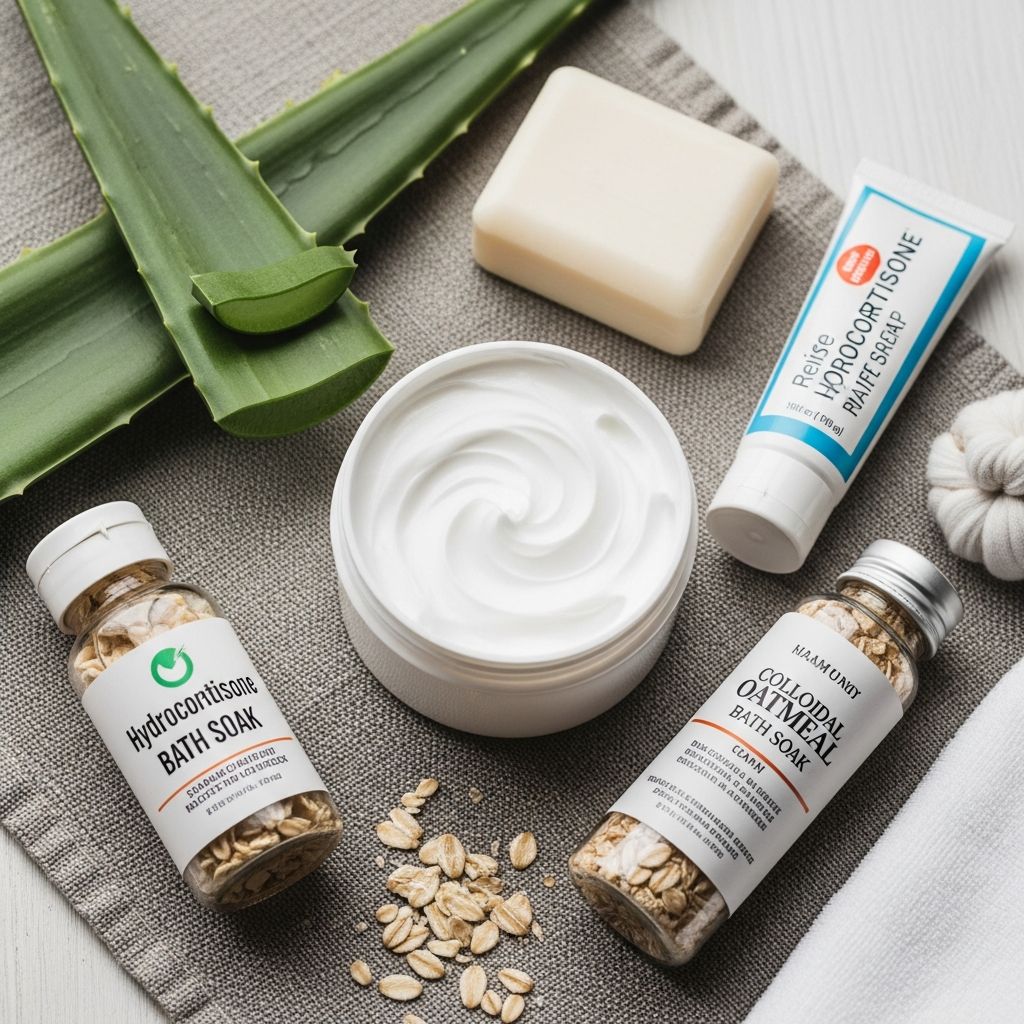
Moisturize liberally with emollients post-bathing to lock hydration. Gentle, fragrance-free cleansers preserve lipids.
Topical Therapies
- Corticosteroids: Potent topicals for acute flares, tapered to avoid thinning.
- Calcineurin Inhibitors: Pimecrolimus or tacrolimus for sensitive areas.
- Antihistamines: Oral for nocturnal itch.
Advanced Options
Refractory cases use phototherapy, immunosuppressants like methotrexate, or biologics targeting IL-4/13 pathways. Wet wraps enhance penetration.
Infection Control
Bacterial superinfections (e.g., Staphylococcus) require antibiotics; viral (eczema herpeticum) demands antivirals. Bleach baths dilute colonizers.
Complications and When to Seek Urgent Care
Untreated eczema invites MRSA or herpes infections, potentially hospitalizing patients. Watch for fever, pus, or streaking. Chronic scratching yields lichenification and pigmentation shifts, more pronounced in melanin-rich skin.
Lifestyle Adjustments for Long-Term Control
Beyond meds, optimize environment: humidifiers combat aridity; cotton attire minimizes irritation. Stress reduction via mindfulness curbs flares. Dietary tweaks may help atopics, though evidence varies.
Eczema in Special Populations
Pediatric Considerations
Childhood onset predominates; avoid steroids on face/diapers. Educate families on compliance.
Adult and Elderly Management
Persistent or late-onset demands comorbidity screening, like venous disease in stasis type.
Emerging Research and Future Directions
Ongoing trials explore microbiome modulation and JAK inhibitors, promising personalized care.
Frequently Asked Questions (FAQs)
What does an eczema flare feel like?
Intense itching precedes red, inflamed, sometimes blistering patches that burn or sting upon scratching.
Is eczema contagious?
No, it’s not transmissible; secondary infections are.
Can diet influence eczema?
Certain foods trigger atopics; elimination trials under guidance may clarify.
How often should I moisturize?
Multiple times daily, especially after washing.
Does eczema resolve with age?
Many outgrow atopic form, but some persist lifelong.
Empowering oneself with knowledge transforms eczema from a burden to a manageable aspect of life. Consistent routines yield clearer skin and comfort.
References
- Atopic eczema – Primary Care Dermatology Society — PCDS. 2025-07-18. https://www.pcds.org.uk/clinical-guidance/atopic-eczema
- Types of Eczema: Symptoms, Differences, Diagnosis — National Eczema Association. Accessed 2026. https://nationaleczema.org/types-of-eczema/
- What doctors wish patients knew about managing eczema — American Medical Association. Accessed 2026. https://www.ama-assn.org/public-health/prevention-wellness/what-doctors-wish-patients-knew-about-managing-eczema
- Eczema – symptoms, causes and treatment — healthdirect.gov.au (Australian Government). Accessed 2026. https://www.healthdirect.gov.au/eczema
- Atopic dermatitis (eczema) – Symptoms and causes — Mayo Clinic. Accessed 2026. https://www.mayoclinic.org/diseases-conditions/atopic-dermatitis-eczema/symptoms-causes/syc-20353273
- Eczema: What It Is, Symptoms, Causes, Types & Treatment — Cleveland Clinic. Accessed 2026. https://my.clevelandclinic.org/health/diseases/9998-eczema
Similar Articles








Read full bio of Sneha Tete